
Film
Strike
Eisenstein's 1925 silent masterpiece is a revolution in cinema itself—a jagged, geometric assault on the senses that uses montage and abstraction to transform factory workers' uprising into pure visual fury. It's visceral propaganda made with such formal ambition that the technique becomes the message. For those ready to meet cinema on its own terms, not ours.
Should you watch it?
Watch it if you care more about how a story is built than about a single hero, and you enjoy montage that stacks images until they hit like arguments.
Skip it if you need a central character and actors to hold you, since this is a silent film driven by a crowd and rapid cutting that can feel like a lecture.
What it asks of you: At under ninety minutes it is brisk, but it moves in hard jolts rather than smooth scenes, and it wants you watching closely the whole way with little rest.
Not sure? Find tonight's pick in a minute.
If you liked this
Battleship Potemkin1925
Eisenstein's other 1925 landmark is even more famous, and rightfully so. The Odessa Steps sequence alone justifies a century of cinema. A more tragic, human story than Strike, but equally revolutionary in technique.
But Also a silent Soviet film about collective uprising—it's a logical next step, not a discovery. And the emotional core can feel subsumed by the formal brilliance.

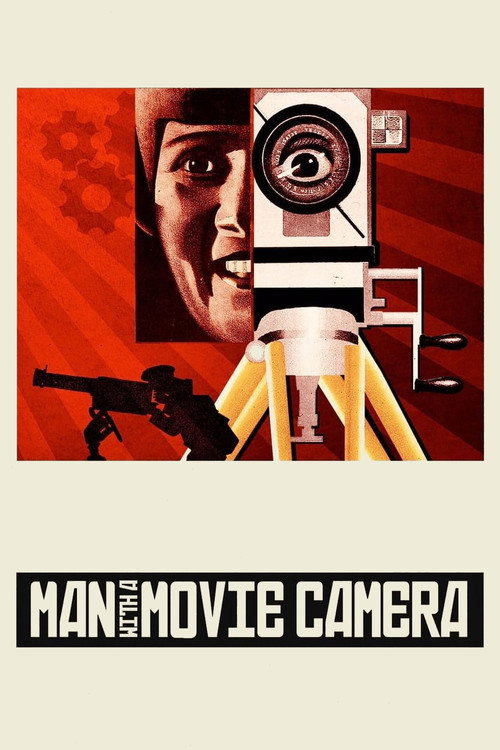
Man with a Movie Camera1929
Vertov's city symphony is pure cinema—no plot, just the accelerating rhythm of Soviet life edited into ecstasy. If you loved Strike's visual language, this takes it further, deeper into abstraction and speed.
But Even more formally demanding than Strike. There's no narrative to hold onto, and the exhilaration some feel reads to others as mechanical coldness.
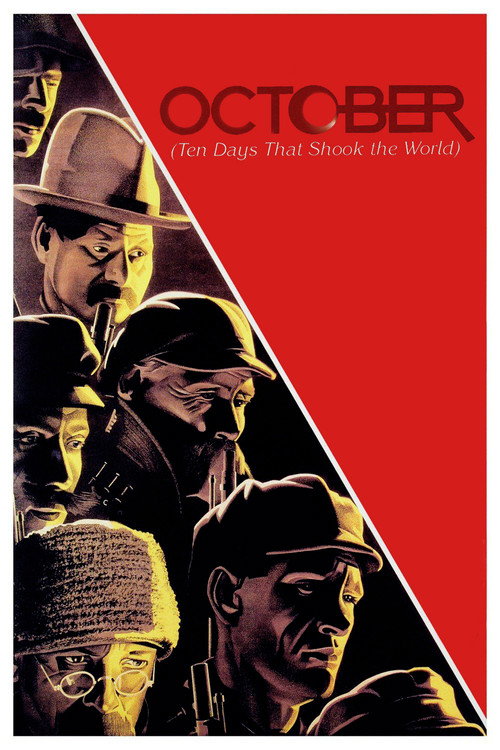
October (Ten Days that Shook the World)1928
Another Eisenstein epic, sprawling across the Revolution itself. Monumentally ambitious in scale, texture, and historical scope. His most visually inventive film after Strike.
But Three and a half hours of silent cinema without a conventional story. The grandeur can feel exhausting rather than transporting.
Not sure tonight? Get a pick in a minute, starting from Strike
The wildcard
Something you would not have found on your own.
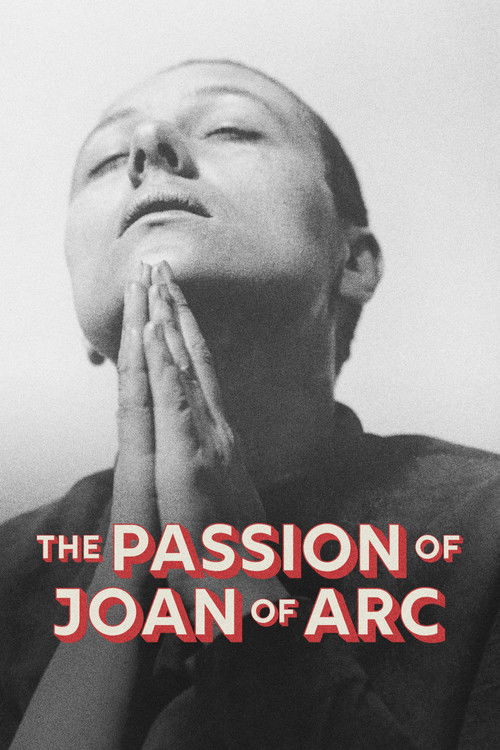
The Passion of Joan of Arc1928
Both films weaponize montage and close-up to make the viewer feel a collective experience—one revolutionary, one spiritual—through pure cinema form. The technique serves transcendence.
Dreyer's 1928 film uses close-up and montage to create spiritual and physical agony—the opposite subject, the same grammar. Renée Jeanne Falconetti's face becomes the entire cinema. A different revolution: inward, mystical, absolute.
But Silent, paced slowly, almost entirely faces. The religious ecstasy is the whole story, which can feel monotonous unless you surrender to it.
More like this (8)
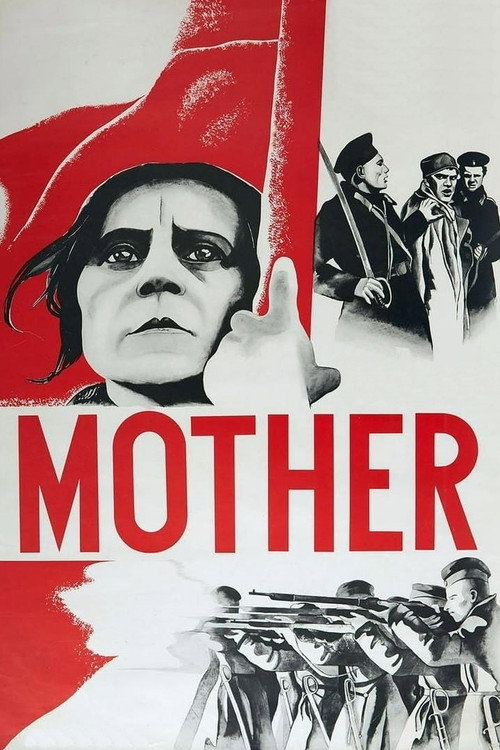
Mother1926
Pudovkin's response to Strike uses montage theory toward a more intimate story—a widow whose son becomes a revolutionary. The politics remain urgent, but the emotional core feels less crushed.
But Still demands patience with early Soviet aesthetics and a fairly didactic moral architecture. The propagandistic impulse is unashamed.
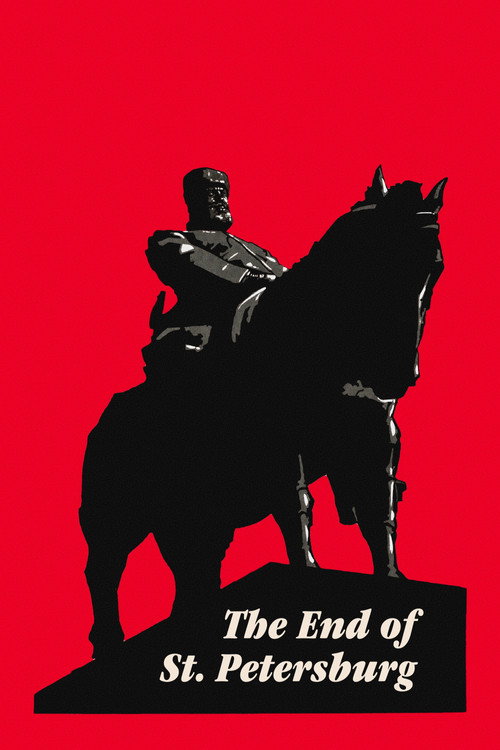
The End of St. Petersburg1927
Pudovkin again, tracing one young man's journey from peasant to revolutionary. Smaller in scope than the Eisenstein epics, more human in scale, still visually daring.
But The narrative is functional—serviceable but not gripping. You're watching for style and history, not for plot surprises.
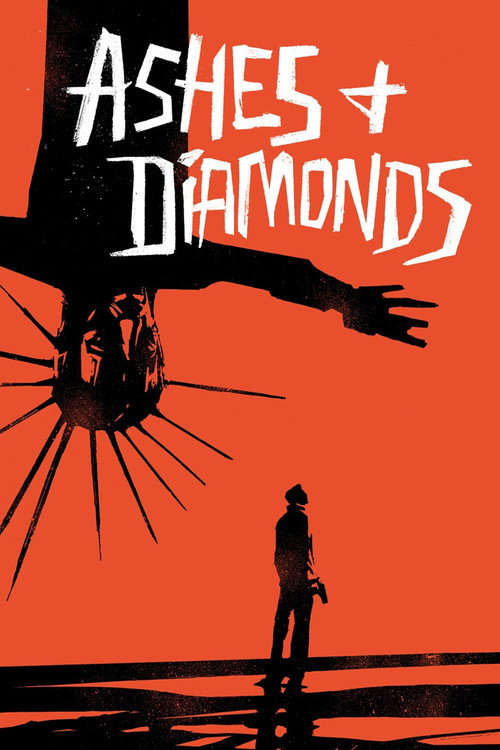
Ashes and Diamonds1958
Wajda's post-war Polish masterpiece about resistance fighters in the hours after liberation. It inherits Soviet montage techniques but grounds them in moral ambiguity and individual tragedy.
But The political moment is specifically Polish and post-1945. The aesthetics feel refined next to Strike's raw aggression, which might disappoint.
Come and See1985
Klimov's apocalyptic vision of Nazi occupation in Belarus channels the same visceral assault on the viewer's nerves. Montage used not to celebrate but to annihilate. Unforgettable horror.
But Genuinely traumatic. The violence is not stylized or distant—it's meant to break you. Not a film to watch casually or when depleted.

La Haine1995
Mathieu Kassovitz channels early Soviet montage and kinetic camera work into a French banlieue on the boil. Modern, urgent, formally restless—Strike relocated to 1990s Paris.
But The 24-hour time frame is claustrophobic. The ending arrives with the weight of inevitability rather than surprise, which can feel didactic.

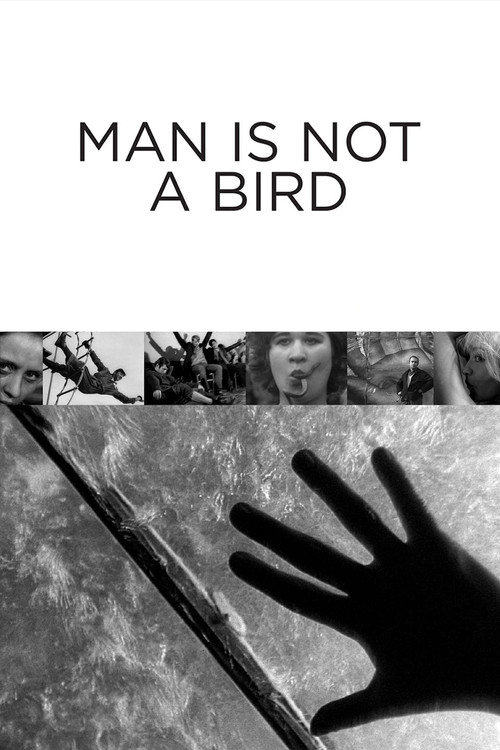
Man Is Not a Bird1965
Makavejev's Yugoslav debut is formally playful and darkly comic in ways the Soviet films never were. It treats workers and politics with both seriousness and irreverence, collaging documentary and fiction.
But The tone is unstable—comedy and tragedy interrupt each other. Some find it clever and liberating; others find it distancing and cold.
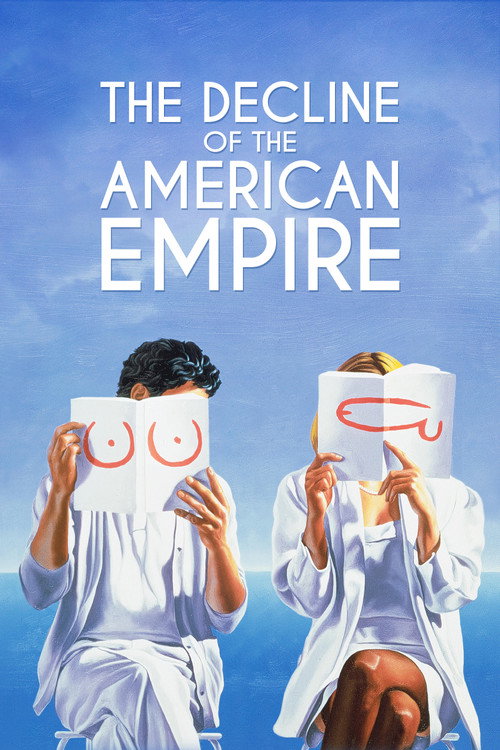
The Decline of the American Empire1986
Both are films about systems in rupture—one about worker uprising, one about the slow decay of middle-class comfort. Strike shows a collision; Decline shows the tremors beforehand. One external, one internal.
Arcand's film is a dinner-party conversation about politics, sex, and history among Montreal academics and their spouses. Its engine is argument and wit rather than action, yet it vibrates with the same anxiety about collective breakdown.
But Ninety percent dialogue in English, set among bourgeois intellectuals, entirely cerebral. If you want cinema to move your body, not your mind, this will feel static and small.
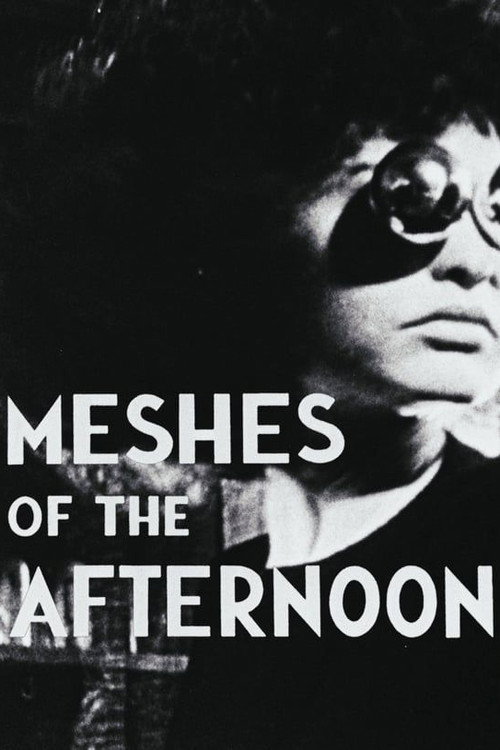
Meshes of the Afternoon1943
Both use fragmented editing and repetition to convey psychological or collective states that words cannot touch. Strike makes revolution visible through collision; Deren makes the interior visible through recursion. Both are cinema as thought itself.
Maya Deren's 15-minute experimental loop is montage pushed into surrealism and nightmare. A woman in a room, repeated and fractured across time. Formally as radical as Strike, aimed inward instead of outward.
But No narrative. Purely visual and spatial. If you need plot or character development to stay engaged, this will seem like an endurance test.
People
Cast
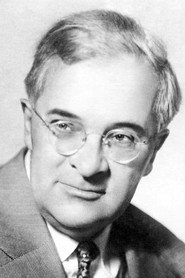 Maksim ShtraukhPolice Spy
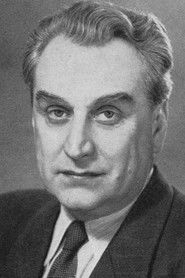 Grigori AleksandrovFactory Foreman
- Mikhail GomorovWorker
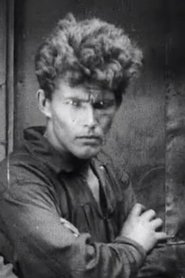 Ivan KlyukvinRevolutionary
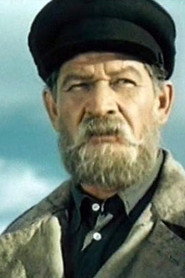 Aleksandr AntonovMember of Strike Committee
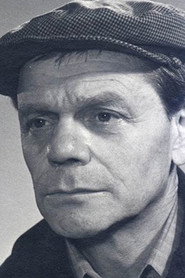 Vladimir UralskiyWorker
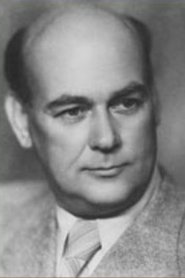
- I. IvanovChief of Police
- Yudif GlizerQueen of Thieves
 Vera YanukovaWorker's wife
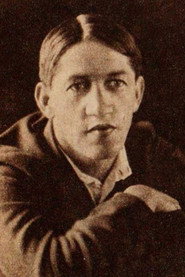 Boris YurtsevKing of Thieves
Directing
- Aleksandr LevshinAssistant Director
- Grigori AleksandrovAssistant Director
- Ilya KravchunovskyAssistant Director
- Sergei EisensteinDirector
Writing
- Grigori AleksandrovScreenplay
- Ilya KravchunovskyScreenplay
- Sergei EisensteinScreenplay
- Valerian PletnevScreenplay
Production
- Boris MikhinProducer
Recommended by
October (Ten Days that Shook the World), Salt of the Earth, Earth, The Mother