
Film
The Mother
Other titles called The Mother: the 2003 film, the 2023 film.
A 1956 Chinese adaptation of Gorky's *Mother*, following a peasant woman's awakening as she witnesses her son's political awakening and growing involvement in labor activism. Austere and morally serious, shot with classical restraint. For viewers who respond to ideological passion and slow-burn character study, without sentimentality.
If you liked this
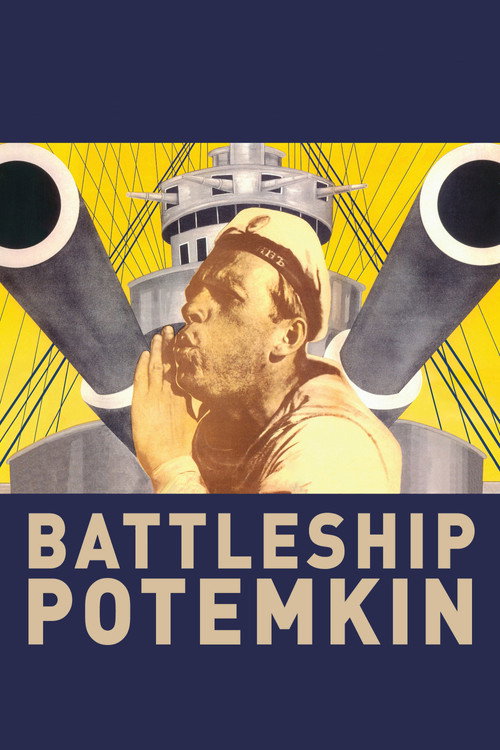
Battleship Potemkin1925
Eisenstein's Soviet masterpiece about workers' uprising, the film that invented montage as ideology. Essential viewing for anyone interested in cinema as political argument made viscerally alive.
But Silent, formally demanding, and its revolutionary fervor may feel historically distant rather than urgent to modern viewers.
Come and See1985
Elem Klimov's devastation of a boy entering Soviet war, shot with such intimacy and horror that it rewires your nervous system. A moral reckoning with similar unflinching gravity to *The Mother*.
But Genuinely traumatic to watch. Not cathartic—punishing. The suffering is not redeemed by narrative or aesthetics.

The Ascent1977
Larisa Shepitko's philosophical war film about two resistance fighters on a doomed mission. Stark, meditative, and concerned with the same question: what do we owe to something larger than ourselves?
But Slow and visually bleak, with an ending that will alienate anyone wanting moral affirmation or dramatic catharsis.

Not sure tonight? Get a pick in a minute, starting from The Mother
The wildcard
Something you would not have found on your own.
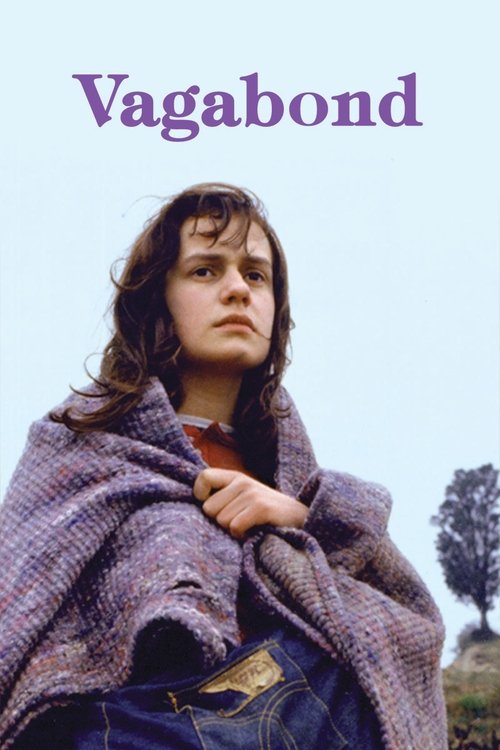
Vagabond1985
A woman defined by circumstance and social invisibility; both films honor their dignity without sentimentalizing their suffering or offering false consolation.
Agnès Varda's film about a vagrant woman's death, told through interviews with people who knew her. Rigorous empathy for the dispossessed, structured as investigation rather than confession.
But Mournful and deliberately fragmentary. The protagonist remains opaque; the film refuses emotional or narrative closure. Frustrating by design.
More like this (7)
Bicycle Thieves1948
De Sica's neorealist heartbreaker about a man and son searching for a stolen bicycle—their livelihood. The simplicity conceals profound empathy for people without recourse, without sentiment.
But The plot is thin and the resolution is unbearable in its ordinariness. Some find it depressing rather than moving.

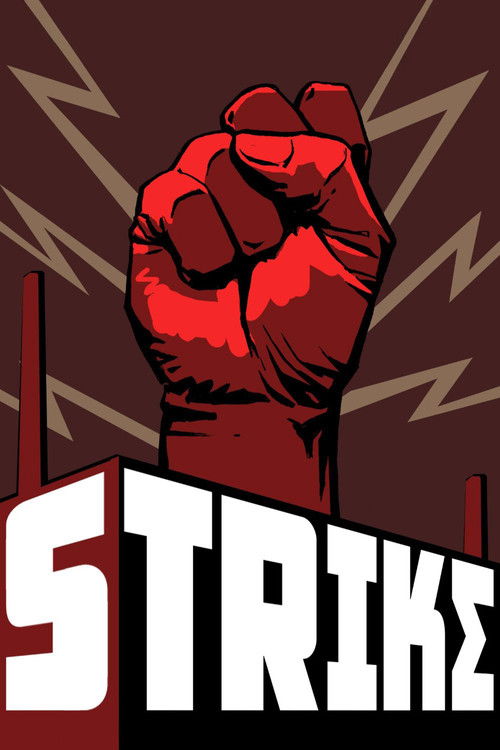
Strike1925
Eisenstein's earlier film about factory workers organizing, visually and narratively wilder than *Potemkin*. Captures the chaotic energy of collective action before ideology hardens into doctrine.
But Agitprop filmmaking can feel more interested in ideas than characters. The ending is brutally pessimistic about the cost of resistance.
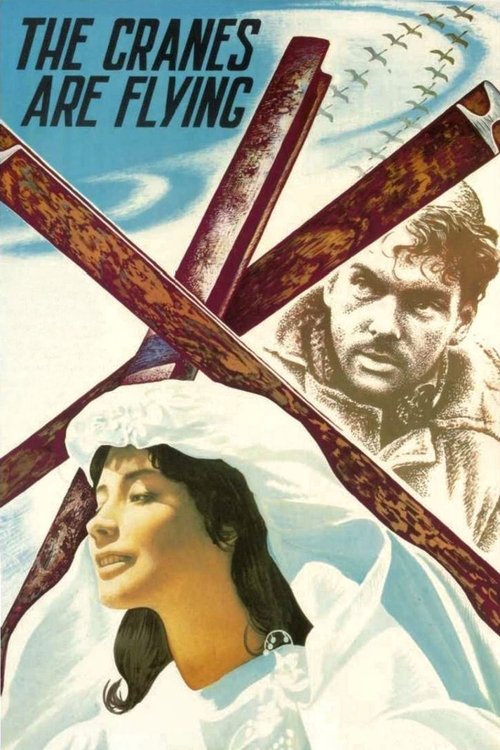
The Cranes Are Flying1957
Mikhail Kalatozov's Soviet epic about lovers separated by war, lyrical and humanistic in ways that balance ideology with genuine emotional devastation. Shot in VistaVision with astonishing beauty.
But Sweeping romanticism can feel at odds with the historical atrocities it depicts. Some viewers find the emotional register saccharine.
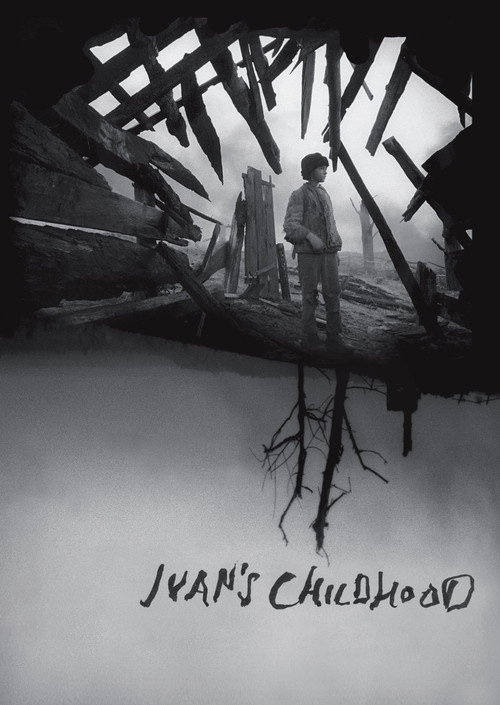
Ivan's Childhood1962
Andrei Tarkovsky's heartbreaking debut about a boy in WWII losing his childhood to war. Poetic and deeply philosophical about innocence and sacrifice, utterly unmanipulative.
But Tarkovsky's meditative pace and abstract symbolism demand patience. Those wanting plot momentum will be frustrated.
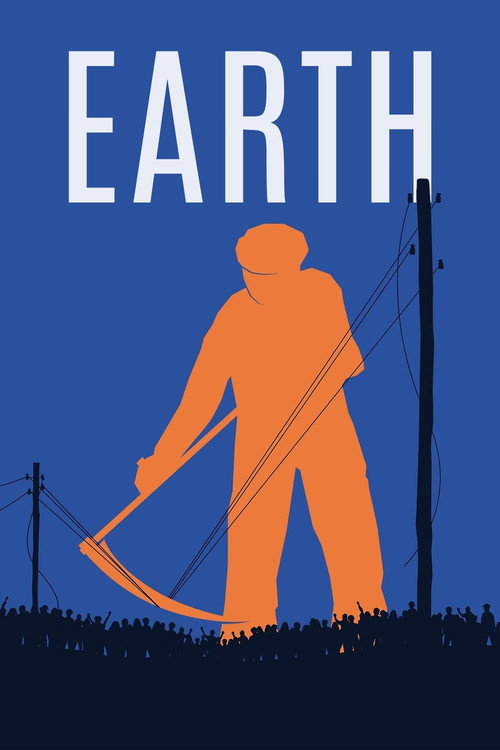
Earth1930
Alexander Dovzhenko's Ukrainian masterpiece about collectivization, visually revolutionary and suffused with folk spirituality alongside communism. Hypnotic and strange in ways revolutionary cinema rarely achieves.
But Formally experimental and sometimes opaque, it requires active interpretation. The politics are inseparable from the poetry, which can feel remote.
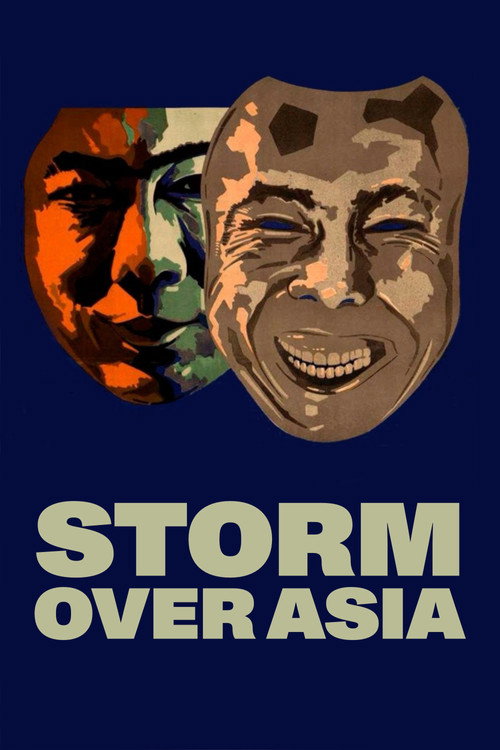
Storm Over Asia1928
Vsevolod Pudovkin's adventure film about a Mongol hunter drawn into revolution, combining spectacle with ideological clarity. Propulsive where many Soviet films are static, genuinely entertaining.
But Dated in its historical attitudes and political certainties. The pro-Soviet propaganda, however artfully made, doesn't age well.
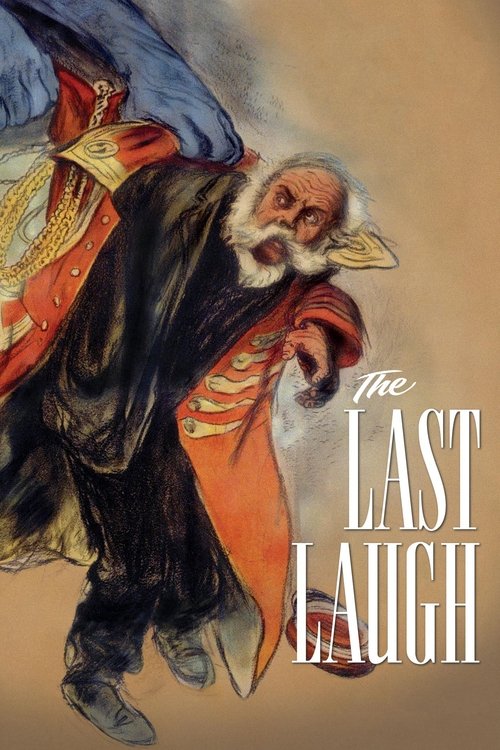
The Last Laugh1924
Both films center on ordinary people crushed by social structures, but this one predates Gorky's influence in cinema—it shows how European cinema approached the same moral questions differently, without revolutionary ideology but with equal gravity.
F.W. Murnau's German silent about a hotel porter's humiliation and loss of social standing. Pure visual storytelling about dignity, class, and the fragility of identity in systems indifferent to individual worth.
But Silent film with intertitles; the acting style reads as theatrical and mannered to modern eyes. The ending is controversial and divisive.
People
Cast
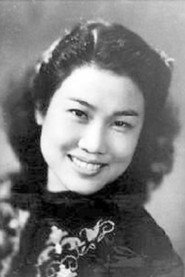 Ruifang ZhangMother
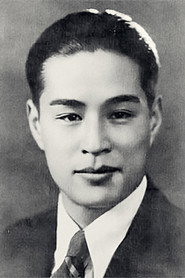 Jin YanDeng Lao
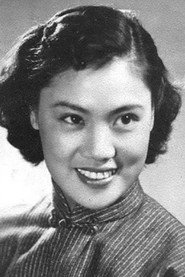 Qin WenJia Yan
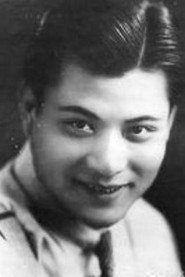 Zhang YiLaode Wang
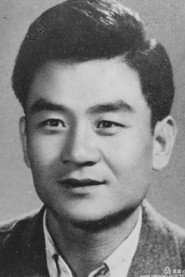 Zhang ZiniangChengwen Liang
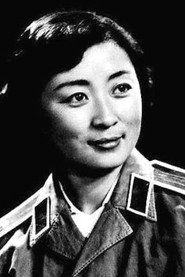 Wei ShiQue Xi
 Gongmin YangChengwu Liang
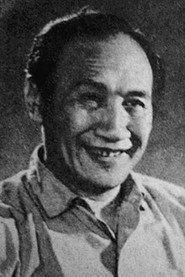 Li NongYuhou Liang
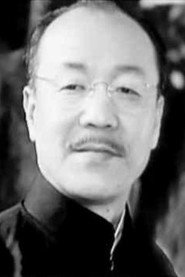 Qi FengGlasses
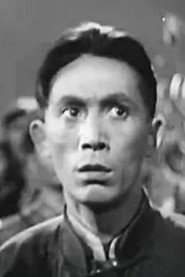 Ling YunYaofen Dong
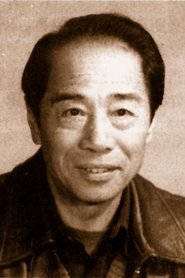 Li WeiChiwu Chen
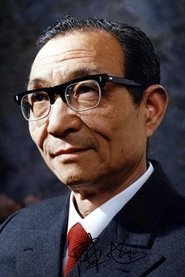 Chen ShuMobei Shi
Directing
- Ling ZifengDirector
Writing
- Maxim GorkyNovel
- Mo HaiWriter