
Film
Storm Over Asia
Vsevolod Pudovkin's 1928 Soviet masterpiece follows a Mongolian trapper caught between occupying British forces and revolutionary partisans. Shot with stunning visual poetry and geometric precision, it's a political allegory disguised as adventure—a film about power, identity, and what happens when the colonized refuse the roles written for them. For anyone drawn to silent cinema's formal brilliance or Cold War-era propaganda that transcends its own message.
Should you watch it?
Watch it if you love silent cinema built from faces, landscape and rhythmic editing, and want a revolutionary epic where the camera does the arguing rather than the dialogue.
Skip it if you want ironic distance from its politics, because the anti-imperial message is delivered with unembarrassed fervour and the pacing can feel like a parade of slogans.
What it asks of you: Runs about two hours and ten minutes of silent images and title cards, with slow landscape stretches giving way to sudden bursts of crowd montage; it rewards close attention.
Not sure? Find tonight's pick in a minute.
If you liked this
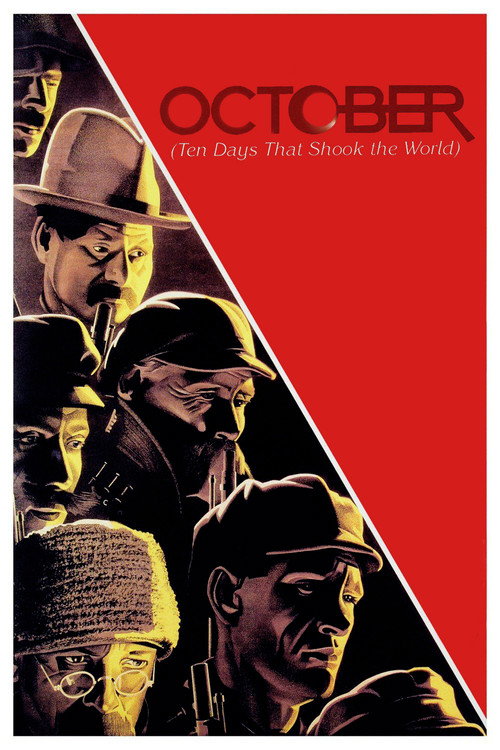
October (Ten Days that Shook the World)1928
Eisenstein's revolutionary montage techniques create meaning through collision and rhythm. If you're captivated by Pudovkin's visual storytelling, this is the apotheosis—Soviet cinema at its most formally daring and intellectually ambitious.
But It's a pure ideological statement with almost no conventional narrative. At 95 minutes it can feel exhausting if you're watching for plot rather than image-language.
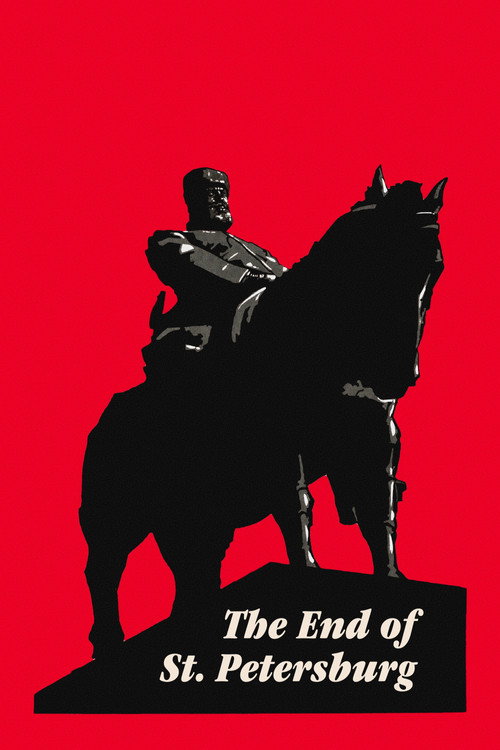
The End of St. Petersburg1927
Pudovkin's earlier masterpiece uses the same formal vocabulary but with more emotional access. A woman and man navigate the Russian Revolution; the political becomes achingly personal. A perfect bridge to understanding his visual philosophy.
But Silent Soviet films move at their own pace. Long static shots and symbolic compositions require active viewing; passive watching will lose you.
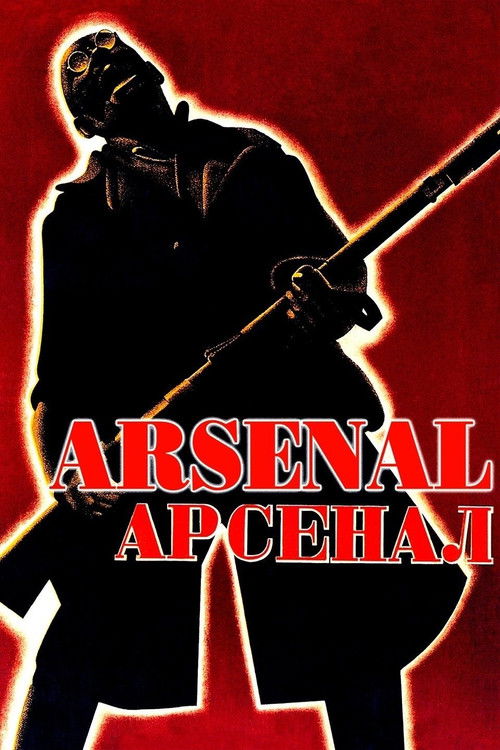
Arsenal1929
Dovzhenko's Ukrainian epic has the same revolutionary fervor and painterly composition as Storm Over Asia. It's visceral, poetic, and genuinely strange—a film that feels like watching someone's fever dream of history.
But It's densely symbolic and deliberately difficult. The narrative resists conventional logic in service of emotional and ideological truth.
Not sure tonight? Get a pick in a minute, starting from Storm Over Asia
The wildcard
Something you would not have found on your own.
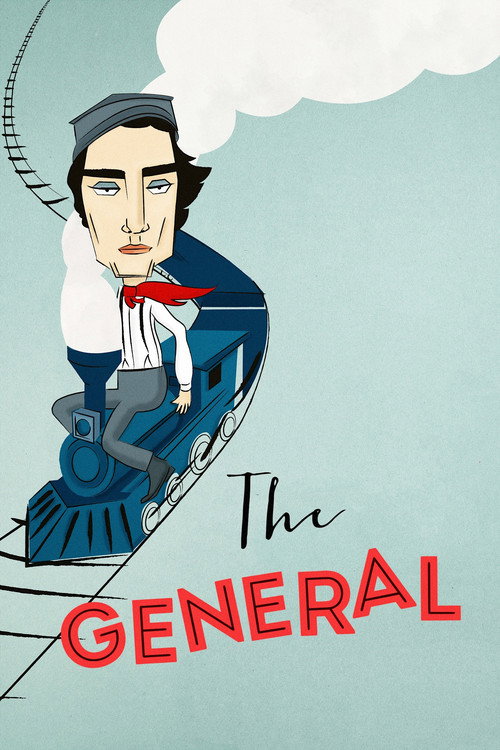
The General1926
Both films use a lone figure against vast historical forces; both find their meaning in the composition of bodies against environments. But where Pudovkin is tragic and symbolic, Keaton is absurdist and physical. Same visual language, opposite emotional truth.
Buster Keaton's masterpiece is a comedy about a Southern train engineer during the Civil War. It has the same composition-focused visual brilliance as Pudovkin, the same use of landscape as character, the same scale of ambition—but it's hilarious, human, and heartbreaking.
But Comedy doesn't feel as weighty as political drama. You might worry it's trivial compared to Storm Over Asia's ideological seriousness. It isn't, but it doesn't announce itself that way.
More like this (7)
Battleship Potemkin1925
The most celebrated Soviet silent film, and deservedly so. Its Odessa Steps sequence alone justifies the hype, but the entire film crackles with invention. Essential viewing for understanding what cinema could do in this era.
But It's canonical in a way that can make it feel like homework. And it's very much a film about ideas first, characters second.

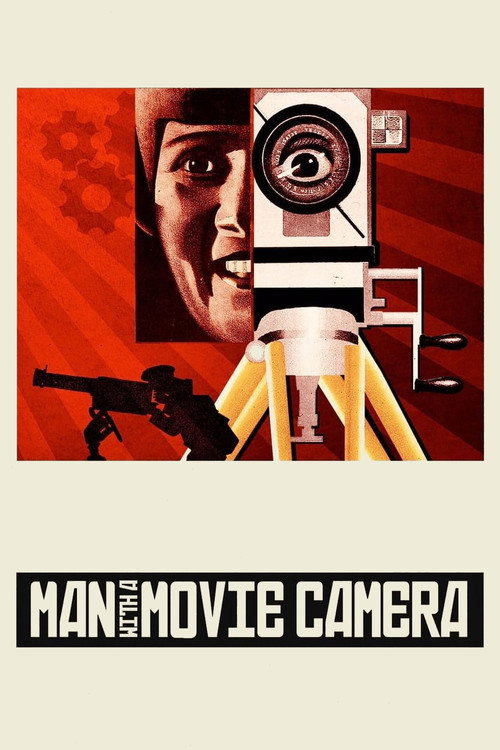
Man with a Movie Camera1929
Vertov's experimental documentary is pure cinema—no plot, no characters, just the grammar of film itself applied to Soviet life. Dazzling, inventive, and genuinely exhilarating. It's cinema's equivalent of a modernist poem.
But There's no story to follow and no traditional emotional arc. If you need narrative, this will feel like visual white noise.
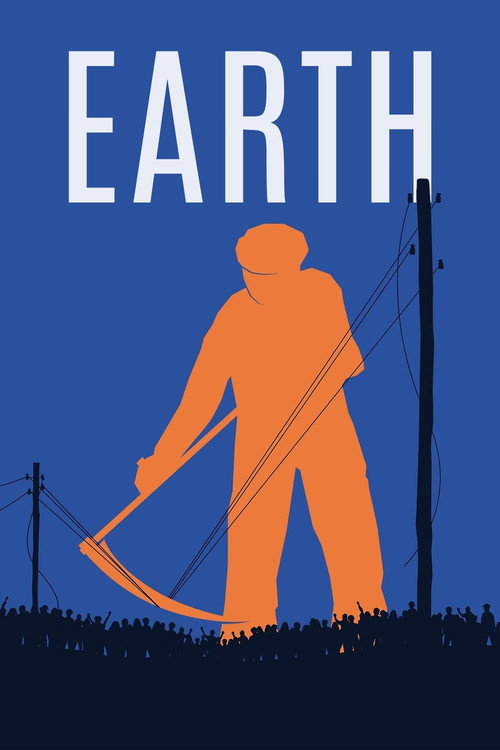
Earth1930
Dovzhenko's masterpiece—a film of heartbreaking beauty about collectivization and death. It moves like music, full of overwhelming sensory details. Genuinely one of the greatest films ever made.
But It's an elegy disguised as propaganda. The pacing is meditative bordering on glacial, and its political message is delivered through symbol and sensation, not argument.
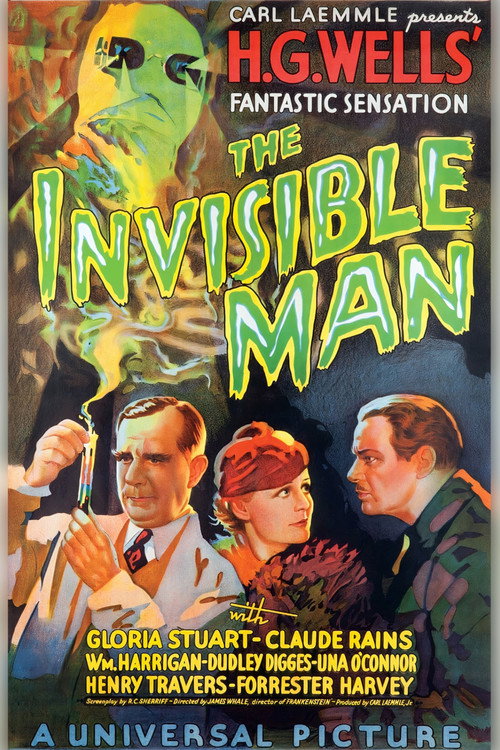
The Invisible Man1933
James Whale's Hollywood thriller proves that the formal inventiveness of Soviet cinema wasn't confined to the Eastern Bloc. Stunning special effects, dark humor, and a protagonist whose power leads only to monstrosity.
But It's considerably lighter in tone than Storm Over Asia. If you're seeking the revolutionary intensity, this is a detour into entertainment.
Pandora's Box1929
G.W. Pabst's German masterpiece is visually sophisticated and narratively gripping. Louise Brooks gives one of cinema's greatest performances as a woman who destroys everything she touches. It's dark, erotic, and utterly modern.
But Its worldview is bleak to the point of nihilism. If you want hope alongside your formal brilliance, look elsewhere.

Sunrise: A Song of Two Humans1927
F.W. Murnau's Hollywood film proves that visual poetry wasn't just a Soviet achievement. A meditation on temptation, fidelity, and redemption, shot with dreamlike precision and genuine emotional grace.
But The sentimentality might strike you as dated. Its faith in love's redemptive power plays very differently now than it did in 1927.

The Leopard1963
Both films use a central character as a vessel for historical forces beyond their control. Both are about puppets discovering their own agency. But The Leopard shows the moment from the perspective of the puppet master watching power slip away—a mirror image of Pudovkin's vision.
Visconti's epic spans decades and class upheaval as the old European order crumbles. Shot in VistaVision with Technicolor that looks like paintings, it's about the impossibility of holding power as the world changes around you. Burt Lancaster gives one of cinema's greatest performances as a man watching his world die.
But At 205 minutes it's a commitment. And it's aristocratic in its sympathies—you're mourning the loss of privilege, which doesn't feel like the side you should be on. Visconti earned that discomfort on purpose.

People
Cast
- A. DedintsevThe British Commandant
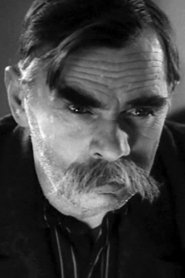 Aleksandr ChistyakovThe Russian Rebel Leader
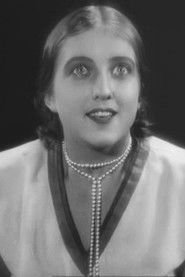 Anel SudakevichCommandant's blonde daughter
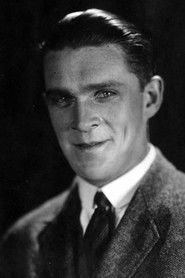 Boris BarnetEnglish soldier, pipe smoker
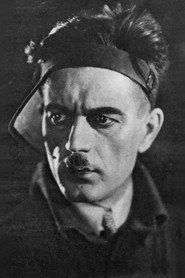 Karl GurnyakEnglish soldier
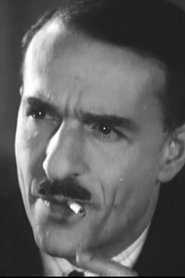 Vladimir TsoppiHenry Hughes
- L. BelinskaïaThe Commandant's Wife
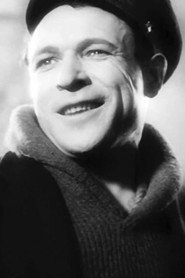 Fyodor IvanovThe Lama
- Aleksandr BaturinEnglishman
Directing
- Vsevolod PudovkinDirector
Writing
- I. NovokshenovWriter
- Osip BrikWriter
Production
- Moisey AleynikovProducer