
Film
The End of St. Petersburg
A 1927 Soviet silent film about a peasant's arrival in St. Petersburg on the eve of WWI. Vsevolod Pudovkin's masterpiece uses montage, symbolic imagery, and physical performance to chart one man's political awakening amid revolution. Essential cinema for anyone curious how film can convey ideas without dialogue.
Should you watch it?
Watch it if you love silent cinema where images carry the whole argument, montage cuts that hit like slogans, and a political fable played out through faces rather than dialogue.
Skip it if you need characters to talk their way through a plot or a steady narrative thread, since this one is more interested in crowds, rhythm and collage than in following any single person closely.
What it asks of you: Under seventy-five minutes, it moves in bursts, lingering on a face or a street then cutting hard, so you need to stay alert and let the images do the explaining.
Not sure? Find tonight's pick in a minute.
If you liked this
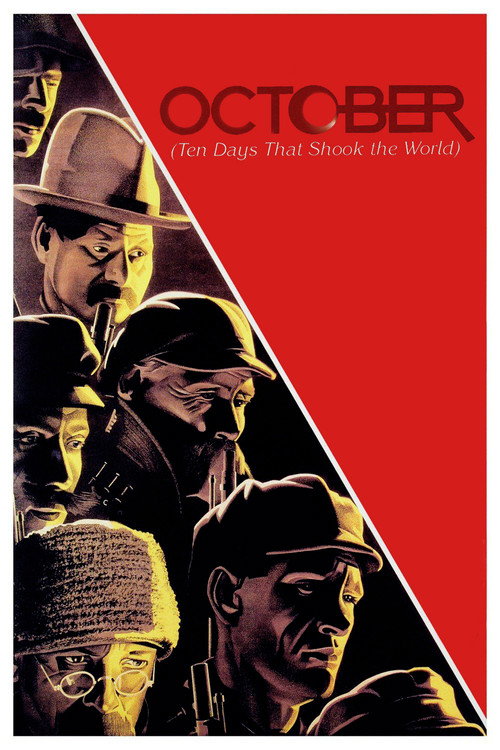
October (Ten Days that Shook the World)1928
Eisenstein's towering montage epic about the October Revolution. If you loved how Pudovkin uses images as arguments, this takes that language to its absolute limit. Visually overwhelming and genuinely thrilling.
But It's 110 minutes of pure abstraction—no conventional plot or characters to anchor you. Demands active watching; passive viewing will lose you quickly.
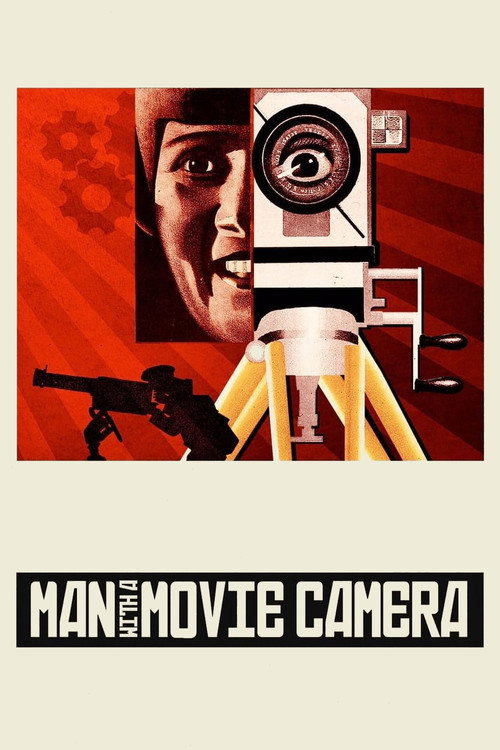
Man with a Movie Camera1929
Dziga Vertov's documentary poem of 1920s Soviet life. Like The End of St. Petersburg, it argues through editing and juxtaposition rather than story. A city symphony that rivals any narrative film for beauty and intellectual power.
But Even more fragmented than Pudovkin. No human story to follow, only images colliding. Can feel forbidding on first encounter.
Battleship Potemkin1925
Eisenstein's earlier masterpiece about a naval mutiny. The same era, the same revolutionary fervor, but tighter and more visceral than October. The Odessa Steps sequence alone justifies its place in cinema history.
But Subtitles and silent-film conventions will feel strange if you're new to the form. The editing can be exhausting if you're not in the right headspace.

Not sure tonight? Get a pick in a minute, starting from The End of St. Petersburg
The wildcard
Something you would not have found on your own.
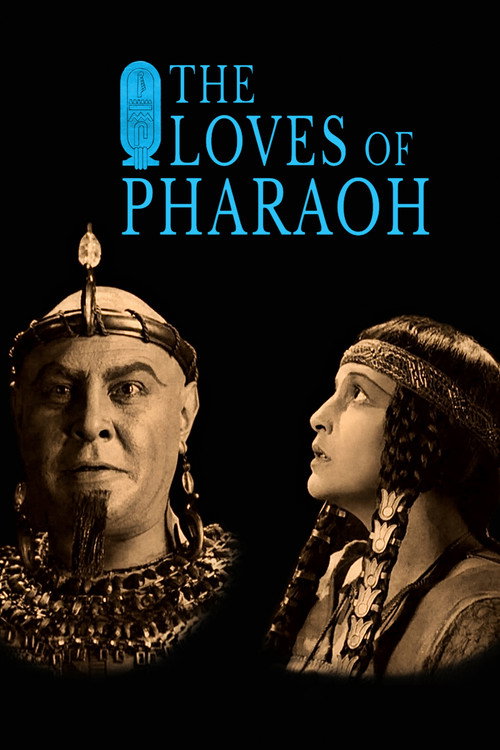
The Loves of Pharaoh1922
Both are 1920s cinema using editing as philosophy, but one argues politics while the other argues beauty. Seeing them together illuminates what montage can do beyond propaganda.
Ernst Lubitsch's German historical epic, made five years before Pudovkin's film. Uses montage and symbolic composition, but in service of romance and spectacle rather than revolution. A chance to see how different national cinemas grappled with the same formal language.
But The plot is melodramatic costume drama. Lubitsch's lightness can feel trivial if you approach it expecting Pudovkin's gravity. Visually ornate in ways some find overwrought.
More like this (6)
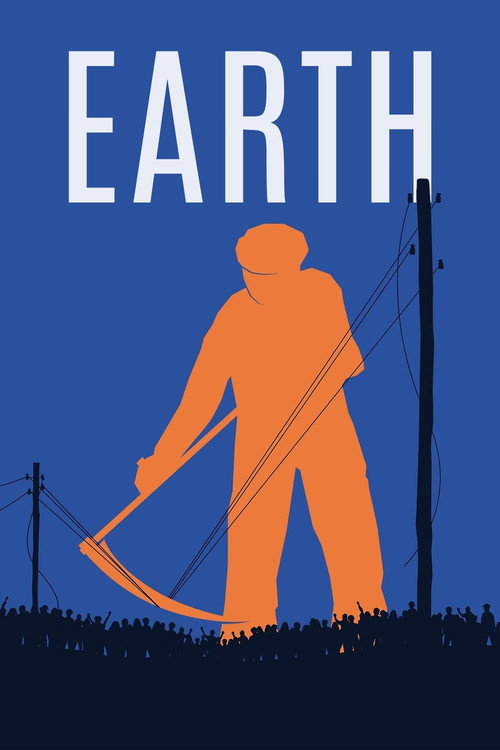
Earth1930
Aleksandr Dovzhenko's Ukrainian pastoral about collectivization. Slower and more lyrical than Pudovkin, with imagery of devastating beauty. Shows how Soviet montage could be contemplative, not just propagandistic.
But It's abstract and philosophical where The End of St. Petersburg is more concrete. Some will find it impenetrably obscure.
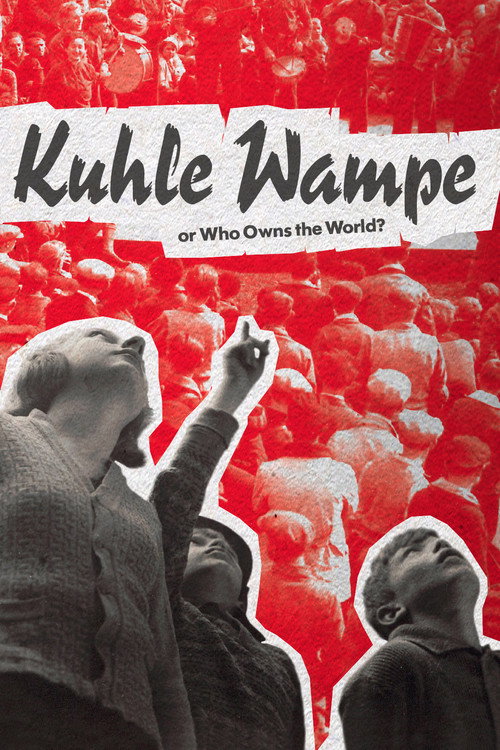
Kuhle Wampe or Who Owns the World?1932
Slatan Dudow's rare communist musical about Berlin's unemployed. Uses song and movement like Pudovkin used montage—to make political argument feel alive. A different genre, same intellectual DNA.
But It's cheerfully propagandistic in ways that feel dated. The musical numbers won't work for everyone. Harder to find than the Soviet classics.
Pather Panchali1955
Satyajit Ray's debut about a poor family in Bengal. Shot with neorealist clarity but structured like poetry. Proves that intimate human drama and formal innovation aren't opposites.
But It's slow. Nothing happens in conventional terms. Some find it achingly sad in a way that's hard to sit with.

Come and See1985
Elem Klimov's Belarusian war film about a boy's initiation into atrocity. Uses sound, image, and performance in ways that echo Soviet montage but to devastate rather than convince. Unforgettable and pitiless.
But One of cinema's most harrowing experiences. Genuinely disturbing. Not a film you watch for pleasure.

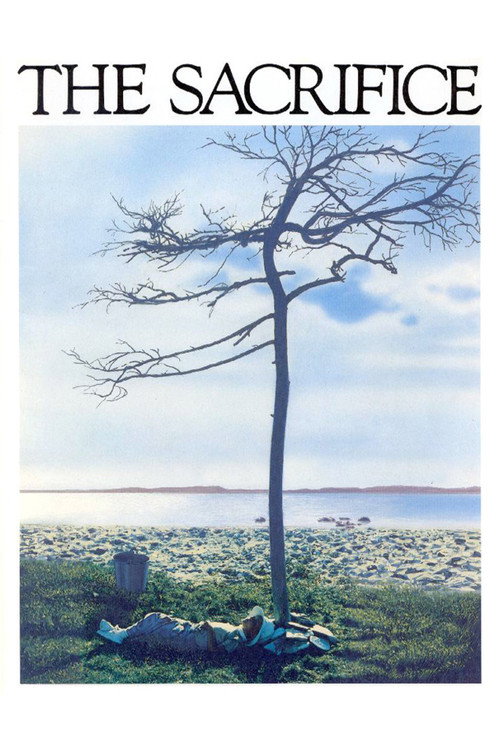
The Sacrifice1986
Andrei Tarkovsky's final film, about a man facing apocalypse. Shot in Sweden with the same meditative intensity Pudovkin brought to political awakening. Long, demanding, and oddly hopeful.
But Three-hour commitment. Tarkovsky's pace—which is to say, glacial. Requires patience most contemporary viewers don't have.
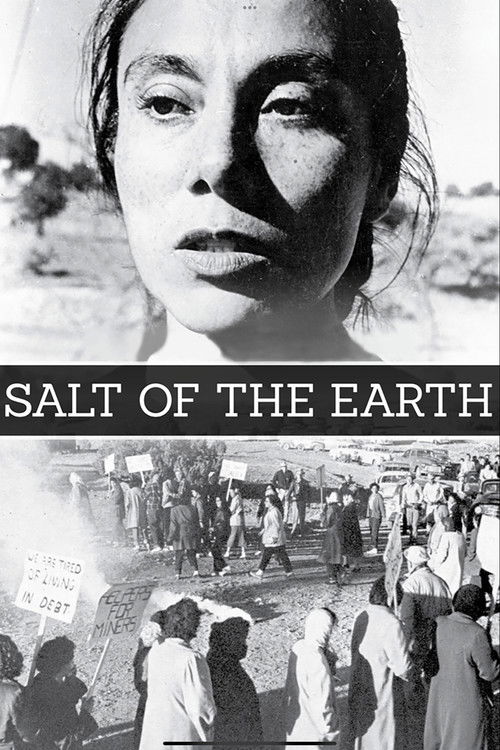
Salt of the Earth1954
Same spiritual ancestor in Soviet montage and revolutionary conviction, but rooted in American labor struggle and shot in documentary style. What happens when you import Pudovkin's ideas to a country he never filmed in.
Herbert Biberman's blacklisted American film about a New Mexico miners' strike, shot with documentary immediacy and socialist conviction. Proves The End of St. Petersburg's concerns—workers, class, collective action—never left cinema, just moved venues. Electrifying and real.
But Experimental narrative structure, uneven performances, and deliberately rough edges can read as amateurish. McCarthyist context looms large; some resent films about politics that announce themselves as such.
People
Cast
 Aleksandr ChistyakovWorker
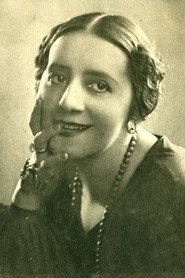 Vera BaranovskayaWorker's wife
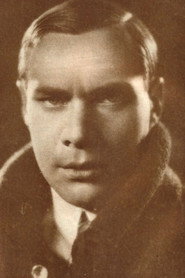 Ivan ChuvelyovThe Village Lad
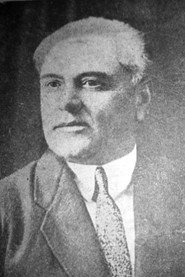 Vladimir ObolenskiyLebedev, the manufacturer
 Alexandr GromovThe Bald Revolutionary
- Sergei KomarovDistrict Police Chief
- Maks TereshkovichReporter
- V. ChuvelyovVillage Lad's Friend among New Workers
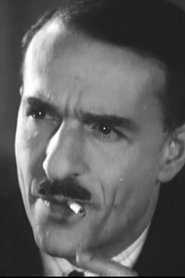 Vladimir TsoppiAnti-German Patriot with Top Hat
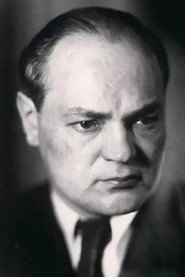 Nikolai KhmelyovStock Broker
- Mark TsibulskyStock Broker
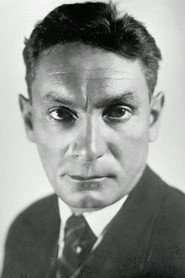 Vsevolod PudovkinGerman Officer
Directing
- Mikhail DollerCo-Director
- Vsevolod PudovkinDirector
- Albert GendelshteinFirst Assistant Director
- Aleksandr LedashchevSecond Assistant Director
- Alexandr FaintsimmerSecond Assistant Director
Writing
- Natan ZarkhiScreenplay
Production
- Moisey AleynikovProducer