
Film
The Sacrifice
- Drama
- Very dark
- Slow-burning
Tarkovsky's final film is a slow, meditative spiritual parable set in the shadow of nuclear apocalypse. An aging intellectual faces a test of faith when the world seems to be ending. Glacially paced, architecturally composed, demanding everything of you—but for those attuned to its wavelength, it's transcendent.
Should you watch it?
Watch it if you love slow, austere art films where big metaphysical questions are argued across long, candlelit conversations and a single bargain carries the weight of the world.
Skip it if you want momentum or a clear plot, since the nearly two and a half hours move at a deliberate, meditative pace with long silences and dense talk.
What it asks of you: Settle in for nearly two and a half hours of unhurried scenes, where patience and close listening matter more than any sense of forward motion.
Not sure? Find tonight's pick in a minute.
If you liked this
Stalker1979
Another Tarkovsky masterpiece about metaphysical longing and the corrupting nature of desire. If The Sacrifice's philosophy moves you, this is where it was forged—a science-fiction meditation that feels nothing like science fiction.
But Nearly three hours of walking through barren landscapes with minimal plot. The camera lingers on empty spaces far longer than you'd expect.

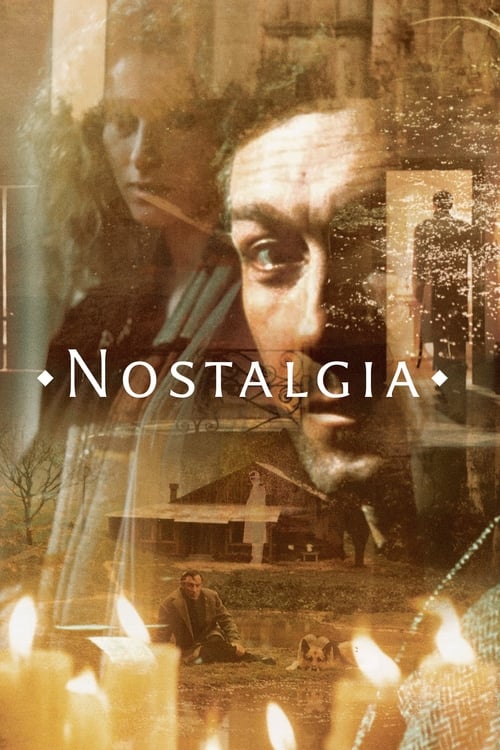
Nostalgia1983
Tarkovsky's previous film, equally obsessed with faith, memory, and spiritual crisis. It's slightly more narrative-driven than The Sacrifice but shares the same transcendent slowness and architectural framing.
But Some viewers find it self-indulgent. The repetition of certain scenes is intentional but can feel punishing if you're not in the mood.
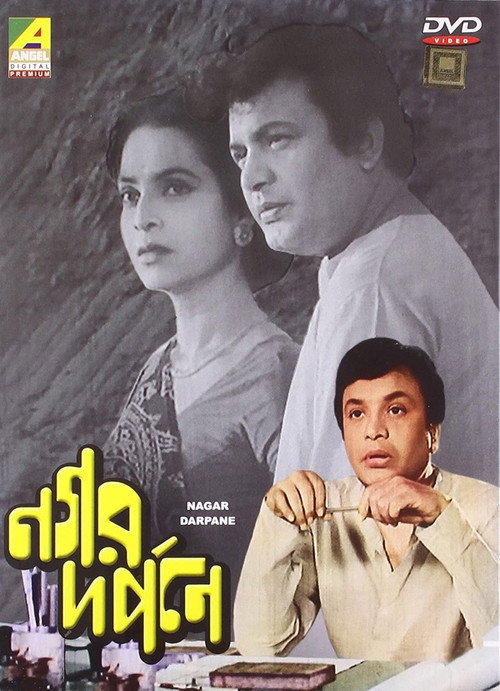
In the Mirror of the City1975
A fever dream of Russian cinema, mixing documentary footage, poetry, and autobiography into a film about time and mortality. Tarkovsky at his most formally audacious, if you need to understand his creative universe.
But Genuinely difficult. It has no conventional narrative and demands you construct meaning from fragments. Exhausting even for patient viewers.
Not sure tonight? Get a pick in a minute, starting from The Sacrifice
The wildcard
Something you would not have found on your own.
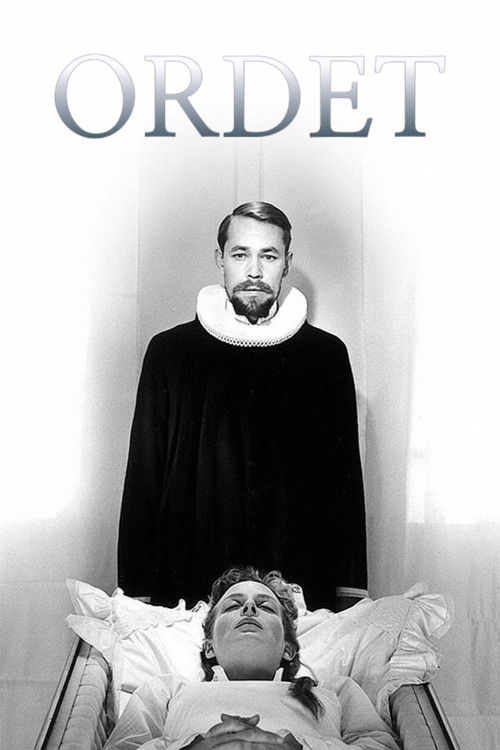
Ordet1955
Both films position a catastrophic loss—nuclear annihilation, death—as the crucible that forces complete spiritual surrender and the possibility of transcendence through acceptance.
Dreyer's masterpiece about faith tested by grief: a family's daughter-in-law dies in childbirth, and they must confront whether belief can resurrect the dead. The same spiritual wrestling match as The Sacrifice, but it arrives there through Danish village domesticity and ends in a moment of almost unbearable grace.
But Deeply Christian and made in a different era. If you're expecting modern clarity about faith, you won't find it—the film trusts mystery and refuses explanation.
More like this (8)
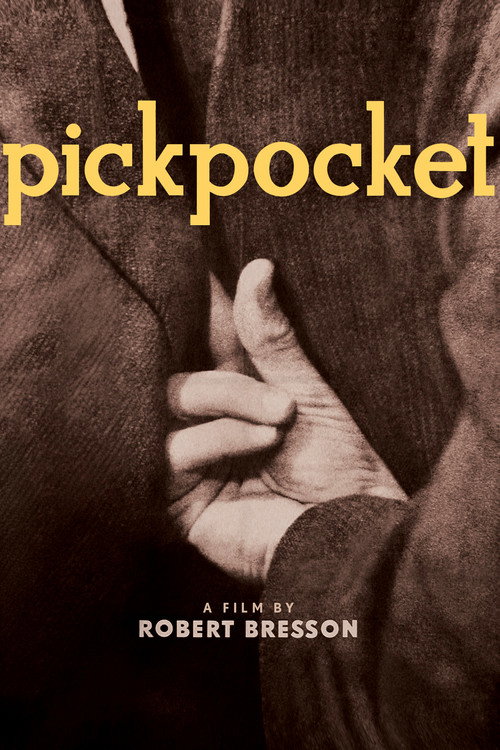
Pickpocket1959
Bresson's spare, spiritual inquiry into grace and redemption. Like The Sacrifice, it's about a man confronting his conscience and finding salvation through surrender. Economical where Tarkovsky is expansive, but after the same truths.
But The acting style is deliberately anti-naturalistic and cool. Some find it alienating rather than hypnotic. Ninety minutes but feels longer.
The Turin Horse2011
Béla Tarr's apocalyptic final film mirrors The Sacrifice's preoccupation with endings. Wordless stretches, ritual repetition, and the collapse of meaning before an unknowable catastrophe. Bleak rather than spiritual, but structurally kin.
But Monochrome, static, and relentlessly grim. There's no warmth here, no hope. It's existential despair in its purest form—not everyone can sit with that.

Come and See1985
A Belarusian war film of staggering power that uses apocalyptic imagery to show how young men are unmade by violence. It engages with similar themes of civilization's fragility and spiritual destruction.
But Genuinely traumatizing. This is a film of atrocity and suffering designed not to comfort. Many viewers find it unwatchable.

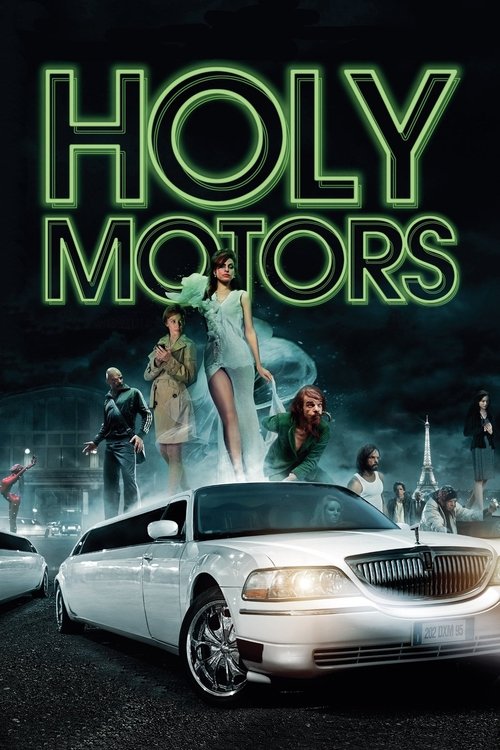
Holy Motors2012
Leos Carax's hallucinogenic meditation on performance, identity, and the sacred. It moves with dream logic rather than narrative sense, and shares Tarkovsky's belief that cinema is a spiritual medium, though far more playful.
But Bizarre and willfully cryptic. Some scenes feel like they exist only to mystify. No interpretation feels definitive, which annoys viewers seeking answers.
A Ghost Story2017
A much simpler film about mortality and presence, but it shares The Sacrifice's quiet intensity about what remains after we're gone. Patient and mournful in a way that echoes Tarkovsky's sensibility at a different scale.
But Minimal plot and minimal dialogue. The image of a sheeted ghost holding still will strike some as art-school precious rather than moving.

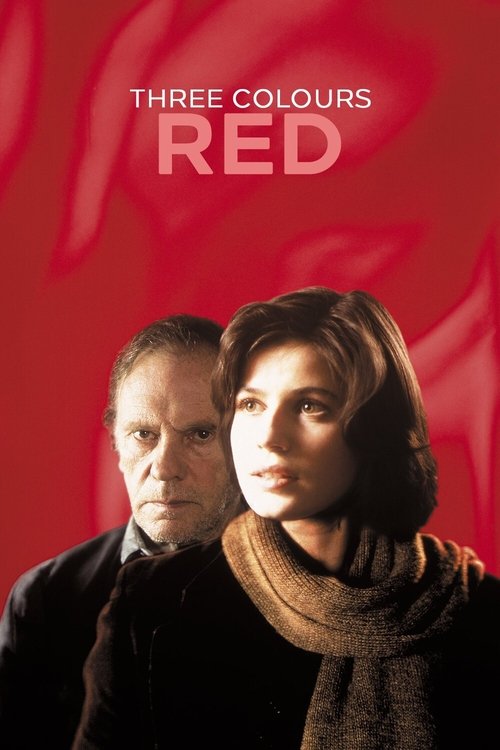
Three Colors: Red1994
Kieslowski's final film about human connection across distance and chance. Less mystical than Tarkovsky but similarly concerned with grace, compassion, and life's spiritual undercurrents beneath the mundane.
But Narrative feels slight and contrived. Some threads feel undercooked, and the ending resolves too much too quickly for those seeking ambiguity.
Synecdoche, New York2008
Both use metaphysical abstraction and temporal distortion to ask whether we can live meaningfully knowing we will die. Both are acts of creation performed in the face of futility.
Kaufman's labyrinthine film about a dying theater director creating a life-sized replica of New York inside a warehouse. Hallucinatory rather than serene, but animated by the same obsession with mortality, the simulacrum of living, and whether art can touch the divine.
But Actively hostile to clarity. The narrative spirals inward and the film's logic becomes increasingly dreamlike. Some see it as pretentious self-indulgence; it certainly demands more goodwill than most films ask.

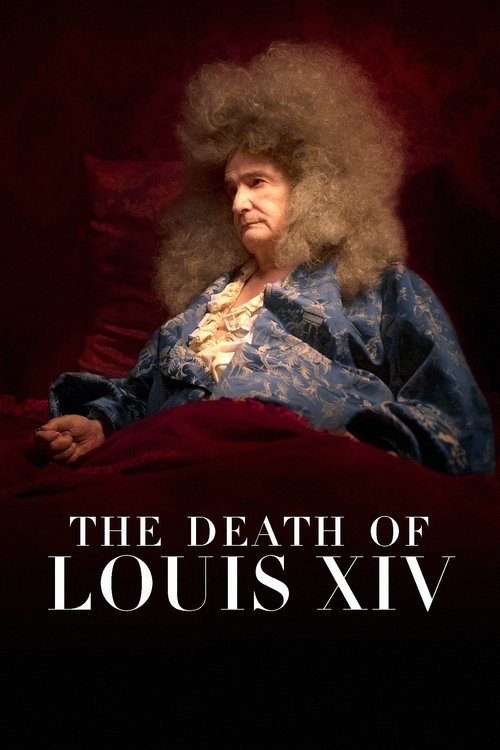
The Death of Louis XIV2016
Both films take time completely seriously, treating each moment of decline or acceptance as sacred material. Both argue that watching someone face the end of all things can itself be transcendent, not tragic.
Albert Serra's seventy-five-minute film of the aging king in his final days. Slow, painterly, intimate, about power dissolving into flesh, and the king's gradual acceptance of his body's betrayal. Not mystical like Tarkovsky, but equally meditative about mortality and surrender.
But Virtually nothing happens. It is a man in a room, dying slowly, with only baroque music and his own breathing. If you need event or momentum, this will feel like torture.
People
Cast
 Erland JosephsonAlexander
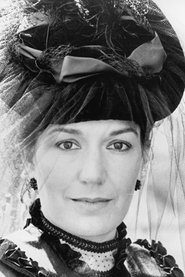 Susan FleetwoodAdelaide
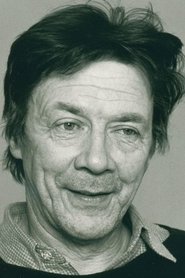 Allan EdwallOtto
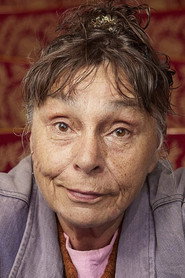 Guðrún GísladóttirMaria
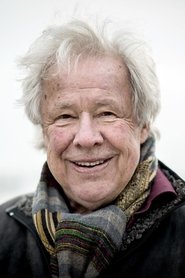 Sven WollterVictor
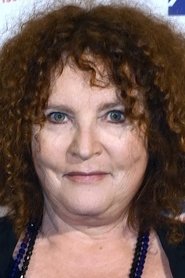 Valérie MairesseJulia
- Filippa FranzénMarta
- Tommy KjellqvistLittle Man
- Per KällmanAmbulance Driver
- Tommy NordahlAmbulance Driver
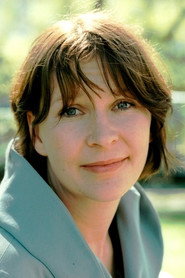 Tintin Anderzon(voice)
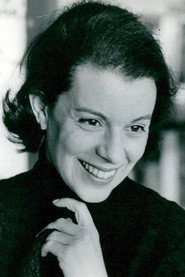 Jane Friedmann(voice)
Directing
- Kerstin EriksdotterAssistant Director
- Michał LeszczyłowskiAssistant Director
- Andrei TarkovskyDirector
- Anne von SydowScript Supervisor
Writing
- Andrei TarkovskyScreenplay
Production
- Claire DenisCasting
- Françoise MenidreyCasting
- Priscilla JohnCasting
- Göran LindbergLocation Manager
- Anna-Lena WibomProducer
- Agneta J. BergenstråhleProduction Assistant
- Katinka FaragóProduction Manager
Recommended by
Stalker, The Enigma of Kaspar Hauser, Kundun, The Last Temptation of Christ, Medea, Amen., Wings, Nostalgia, Shadows of Forgotten Ancestors, The Idiot, Mirror, The Magic Castle, Hard to Be a God, The End of St. Petersburg, Antigone, Tale of Tales, Kaos, Maborosi, The Second Circle, Bazaar, The Long Farewell, Thaniyavarthanam, Pushpak Vimaan, The Passage