
Film
Antigone
- Drama
- Very dark
A 1992 German adaptation of Sophocles' ancient tragedy, stripping the myth to its essentials: a young woman's refusal to obey an unjust law, and the tyrant who cannot back down. Austere, philosophical, visually stark. For those who want to wrestle with the play itself rather than a modernized gloss.
Should you watch it?
Watch it if you care more about a stark, stage-like confrontation between conscience and power than about plot machinery, and you like classical text delivered with austere, unhurried weight.
Skip it if you want brisk pacing or a modern, accessible retelling; the rhythms of ancient verse and long, static exchanges can feel like a tough sit for a Sunday evening.
What it asks of you: Around a hundred minutes of close attention to speech, with little movement and few visual distractions, so the ideas have to carry the whole thing.
Not sure? Find tonight's pick in a minute.
If you liked this
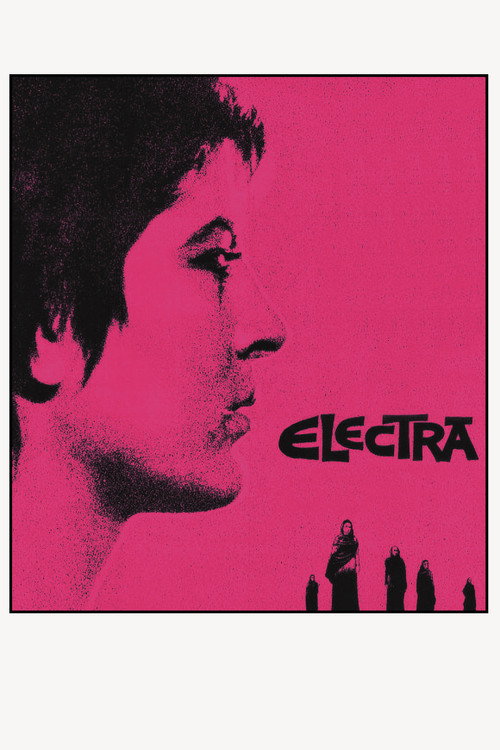
Electra1962
Pasolini's other Sophocles adaptation shares Antigone's interest in how individuals collide with immovable state power. Stark, mythic, uncomfortably modern in its politics.
But Black and white, deliberately theatrical rather than naturalistic. Some find it distancing rather than moving.
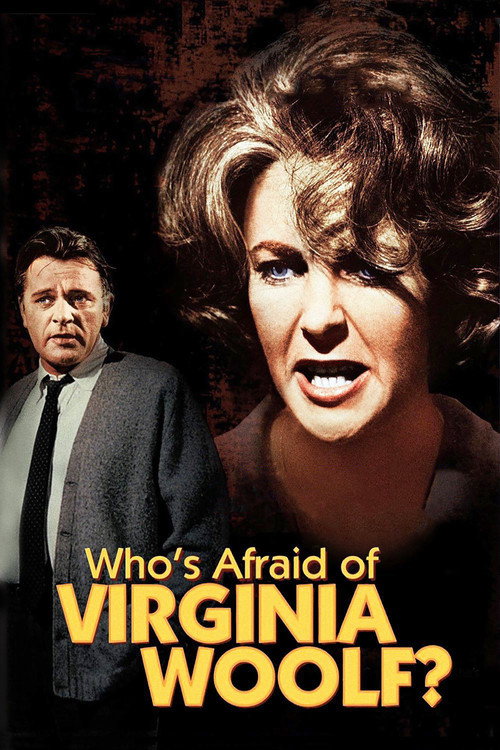
Who's Afraid of Virginia Woolf?1966
Two couples trapped in a room, power structures fracturing in real time. The same claustrophobic inevitability—once the collision starts, no one can stop it.
But It's exhausting and cruel. Not everyone wants to spend two hours with people tearing each other apart.
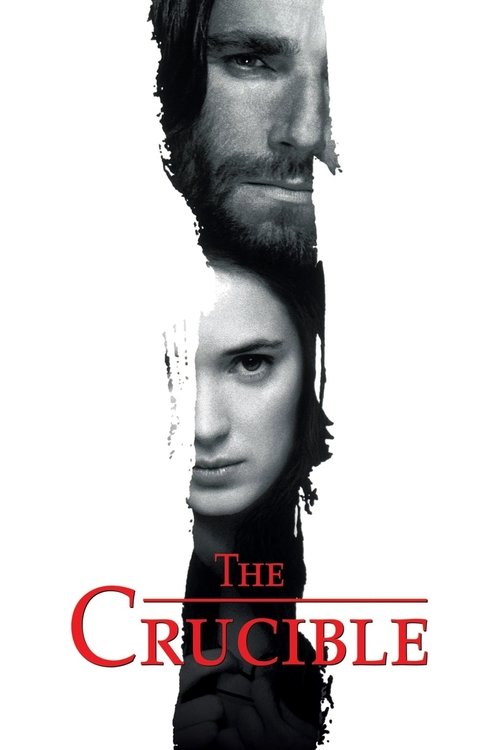
The Crucible1996
Miller's play about the Salem witch trials adapted here with the same unflinching focus on how individuals resist or collapse under authoritarian pressure.
But Reaches for contemporary relevance in ways that can feel heavy-handed. The allegory isn't subtle.
Not sure tonight? Get a pick in a minute, starting from Antigone
The wildcard
Something you would not have found on your own.
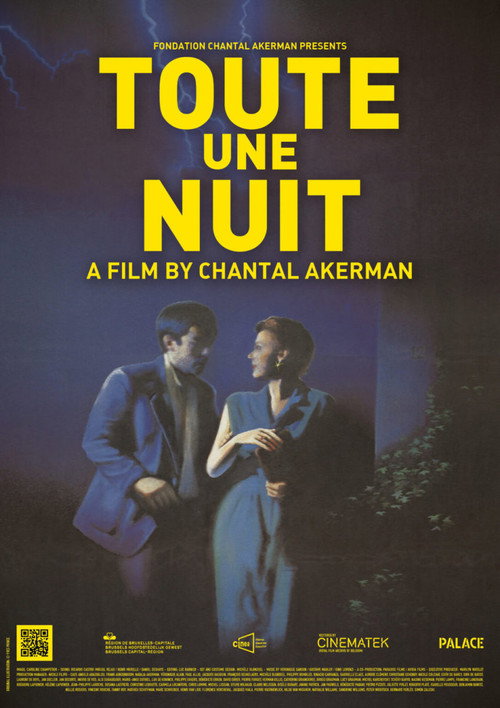
Toute une nuit1982
Both use classical structures (tragedy, city) to ask what obligations we have to strangers and the collective.
Chantal Akerman's film—fragments of couples and strangers across a single night in Brussels. Refuses plot entirely; builds a city-wide mood of longing and disconnection. Similar architectural ambition to Antigone's use of chorus and crowd to examine a single moral moment.
But Deliberately shapeless. Some shots hold for minutes with minimal action. Many viewers experience it as boring rather than meditative.
More like this (5)
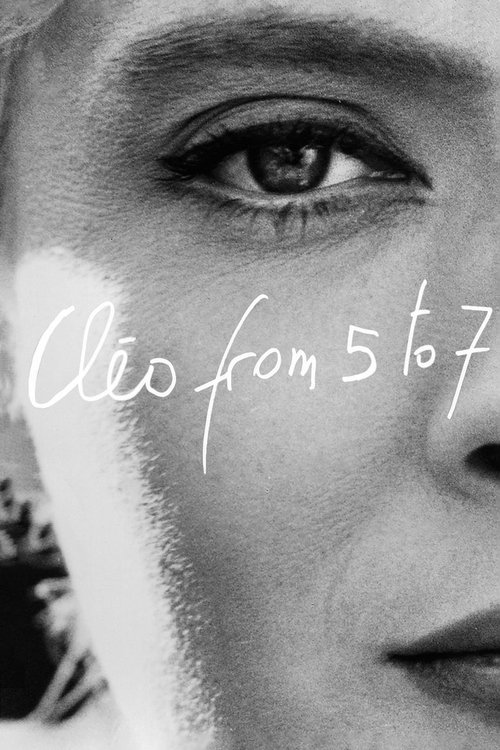
Cléo from 5 to 71962
Varda's film also trusts philosophical conversation and character over plot. A woman faces an unknowable future; the film sits with her anxiety rather than resolving it.
But Almost nothing happens. If you need incident and payoff, this will feel like a waste of time.
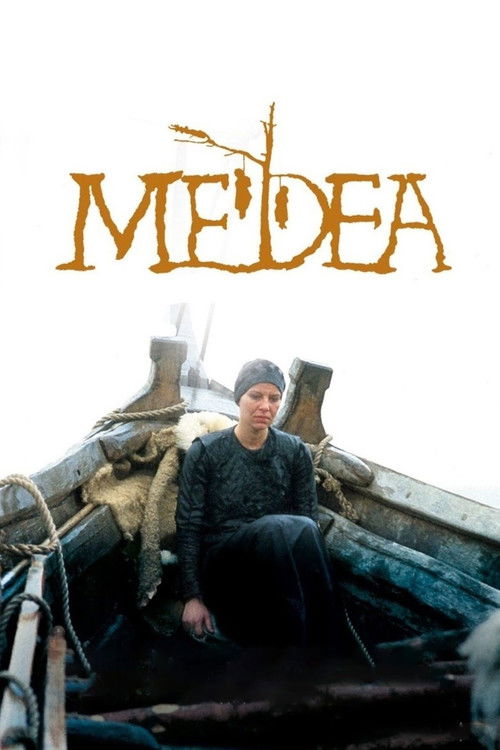
Medea1989
Pasolini again, this time with Maria Callas as a woman pushed beyond endurance by impossible circumstances. Operatic in scale but intimate in focus.
But Difficult to find. And the ending is genuinely traumatic—not cathartic, traumatic.
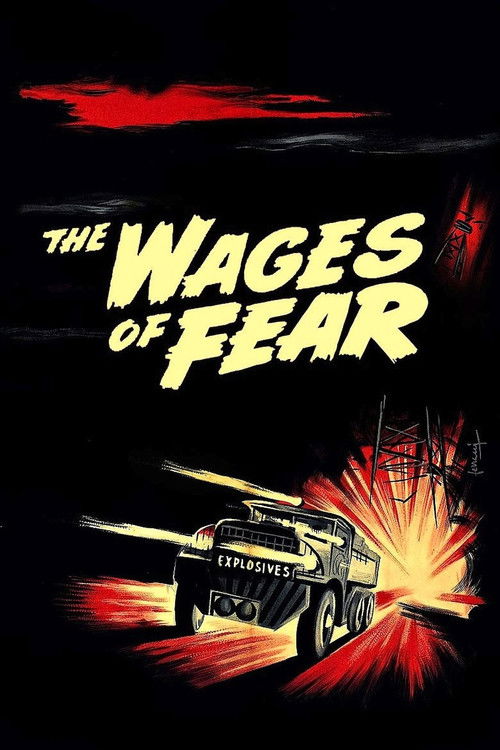
The Wages of Fear1953
Clouzot's masterpiece about men trapped by circumstance and their own choices. The same inescapable logic of consequence that drives Antigone forward.
But Much longer than it feels like it should be. The pacing is deliberate, sometimes maddening.
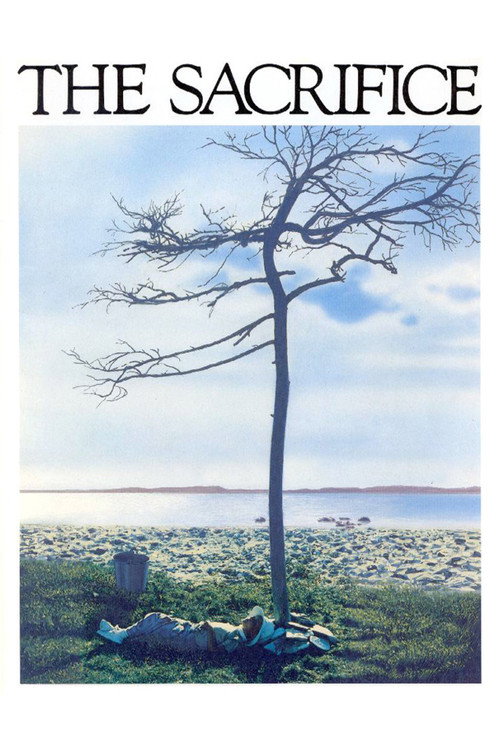
The Sacrifice1986
Tarkovsky's final film meditates on sacrifice, duty, and what we owe to each other. Shares Antigone's moral weight and visual austerity.
But Nearly three hours of metaphysical dialogue and long takes. Only for viewers willing to surrender to cinema as meditation.
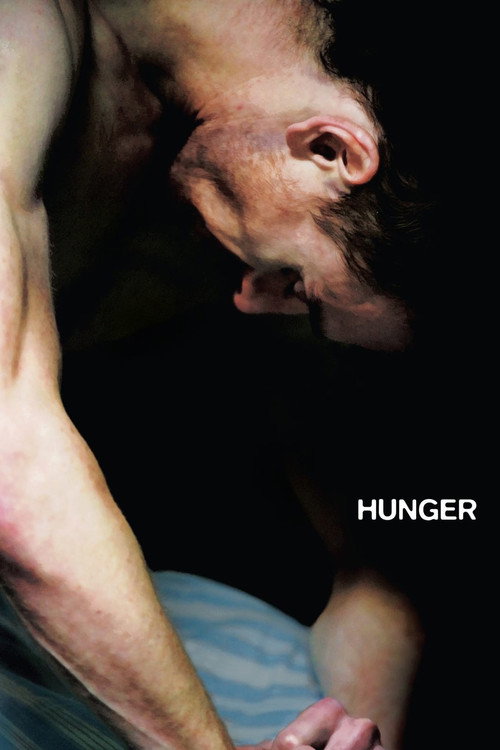
Hunger2008
Both are about the moment when a person's body becomes their only weapon against an unmoving state.
Steve McQueen's film about Bobby Sands' fast-unto-death protest. A body becomes an argument, refusal becomes form. Antigone and Sands both say no to power through their own flesh.
But Graphic depiction of physical deterioration and suffering. The final sequence is unbearable by design.
People
Cast
- Astrid OfnerAntigone
- Ursula OfnerIsmene
- Werner RehmKreon
 Hans DiehlDie Alten
 Kurt RadekeDie Alten
- Michael MaassenDie Alten
- Rainer PhilippiDie Alten
- Lars StuderWächter
 Albert HetterleTiresias
 Libgart SchwarzBotin
- Mario di MattiaKnabe
Directing
- Danièle HuilletDirector
- Jean-Marie StraubDirector
Writing
- SophoclesOriginal Story
- Danièle HuilletScreenplay
- Jean-Marie StraubScreenplay
- Bertolt BrechtTheatre Play
- Friedrich HölderlinTheatre Play
Production
- Danièle HuilletProducer
- Jean-Marie StraubProducer
- Martine MarignacProducer
- Regina ZieglerProducer
- Danièle HuilletProduction Manager
- Hartmut KöhlerProduction Manager
- Rosalie LecanProduction Manager
Recommended by
Oedipus Rex, Medea, The Trojan Women, Iphigenia, National Theatre Live: Medea, Billy Budd