
Film
Who's Afraid of Virginia Woolf?
Adapted from Edward Albee's play, this is one drunken night that becomes an ambush: a professor and his wife invite a younger couple over, and by the time the liquor runs out, every illusion in the house has been shredded. Taylor and Burton turn dialogue into artillery. Savage, funny, exhausting — theatre filmed close enough to hurt.
If you liked this
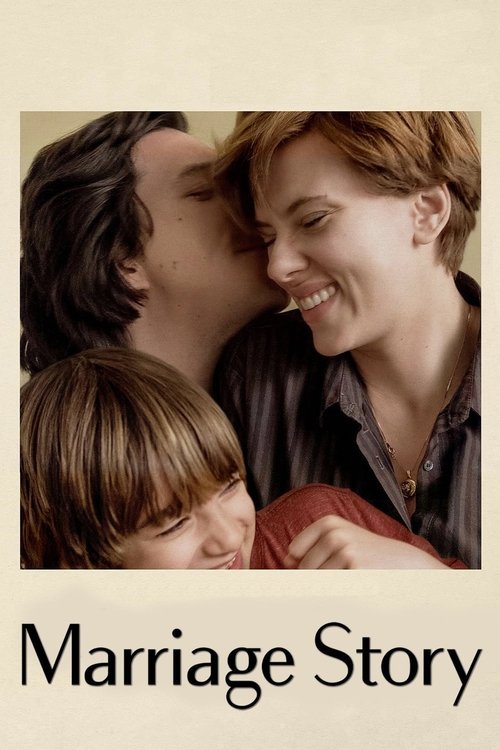
Marriage Story2019
Driver and Johansson turn a divorce into the same kind of verbal knife-fight — quieter, sadder, but just as merciless once the gloves come off.
But It's more wounded than witty; if you came for savage wit you'll find grief instead.
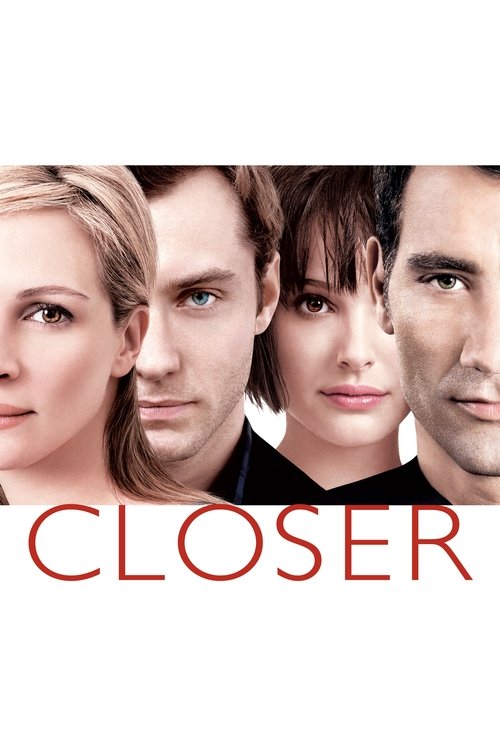
Closer2004
Four people, endless betrayals, dialogue as precise as scalpel work — a study in intimacy used as a weapon, told with the same theatrical bite.
But The characters are colder and less magnetic than George and Martha; less warmth under the venom.
Carnage2011no page yet
Two couples, one apartment, one afternoon that curdles into chaos — Polanski's chamber piece is the closest thing going to Woolf's claustrophobic real-time collapse.
But It's broader and more farcical; the stakes feel smaller than an entire marriage's mythology unravelling.
The wildcard
Something you would not have found on your own.
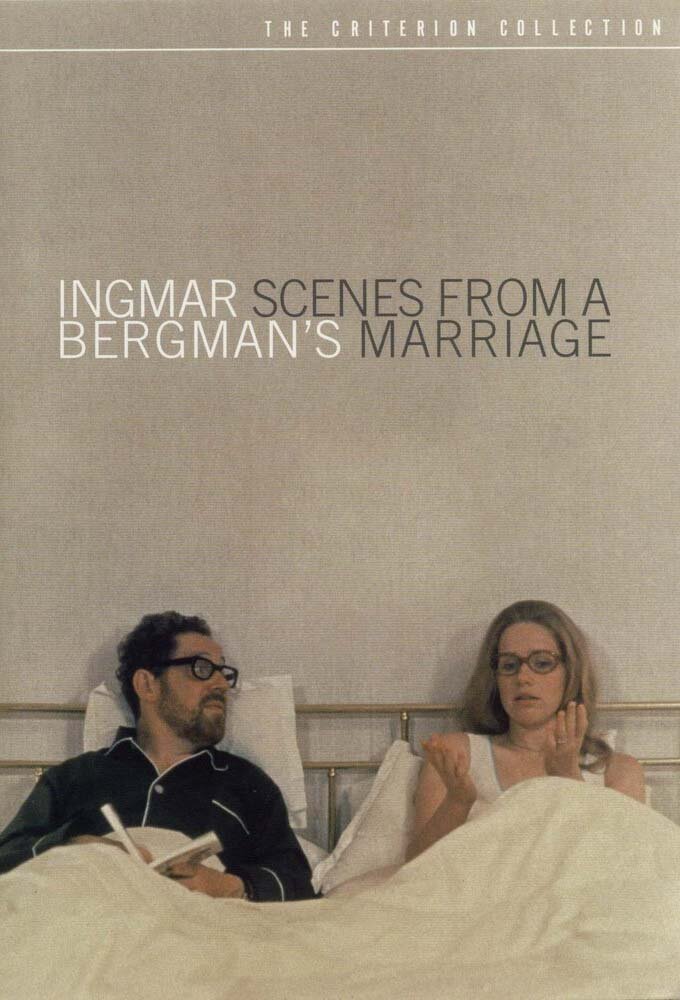
Scener ur ett äktenskap1973
Same marriage-as-autopsy structure and belief that love can curdle into cruelty, but told as unadorned television instead of stage-bound spectacle — the quieter format becomes its own kind of devastation.
Bergman's Swedish miniseries strips away the games-playing and gets even closer to the bone — two people dissecting a marriage over years instead of one drunken night, in unbearable close-up.
But It's slower, subtitled, and confrontationally intimate — no theatrical fireworks, just two faces and devastating honesty.
More like this (8)
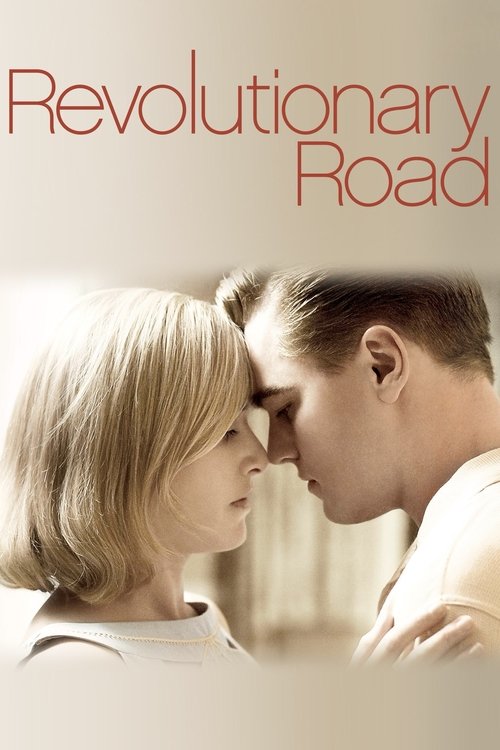
Revolutionary Road2008
Winslet and DiCaprio play out the same 1950s marital rot — golden surface, rotten core, a couple destroying each other slowly instead of over one long night.
But It trades Albee's savage wit for melancholy realism; less biting, more heartbreaking.
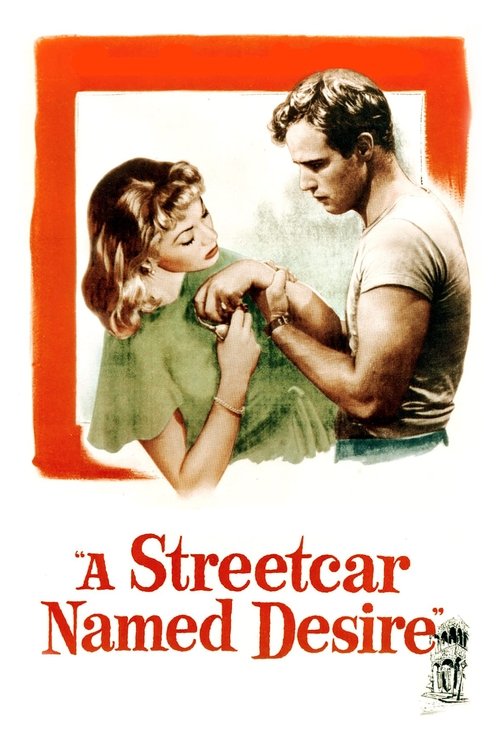
A Streetcar Named Desire1951
Another stage-to-screen powerhouse about a relationship unravelling under booze and delusion, with performances so big they still crackle decades later.
But Its theatricality and era-appropriate softening can feel dated beside Woolf's rawer, more explicit fury.
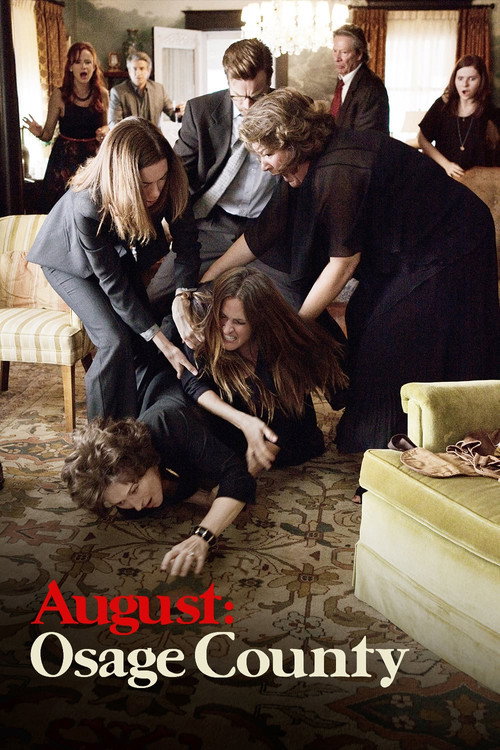
August: Osage County2013
A family reunion turns into a demolition derby of old grudges and buried truths — Streep at her most gleefully vicious, talk as weapon taken to a whole family.
But It's sprawling and starrier, spreading the cruelty across generations rather than concentrating it in one marriage.
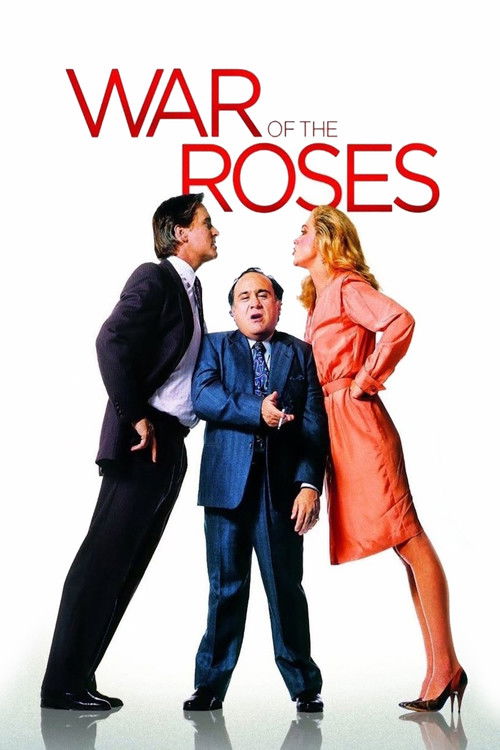
The War of the Roses1989
Divorce as slapstick warfare — Douglas and Turner turn marital hatred into dark comedy, the same bitterness played for laughs instead of tragedy.
But It's broader and cartoonishly mean-spirited; less psychologically exact than Albee's dialogue.
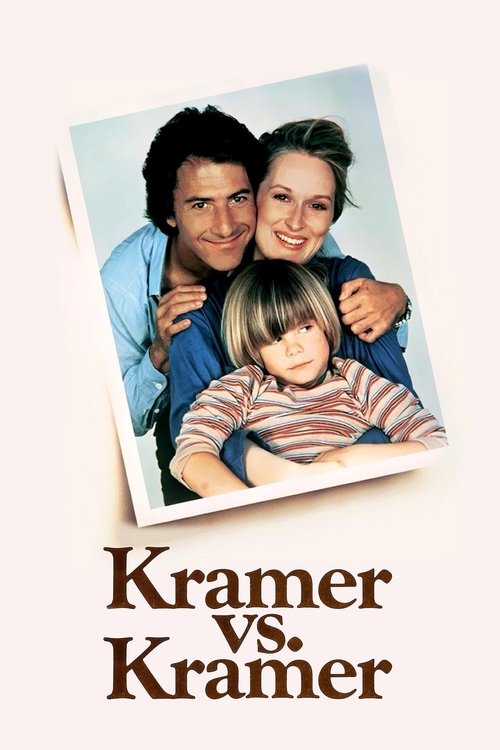
Kramer vs. Kramer1979
A marriage's wreckage examined from the custody battle onward — quieter, sadder, but still asking what people owe each other once love curdles into resentment.
But It's gentler and more sentimental; you won't get Woolf's booze-fuelled cruelty or gallows humour.
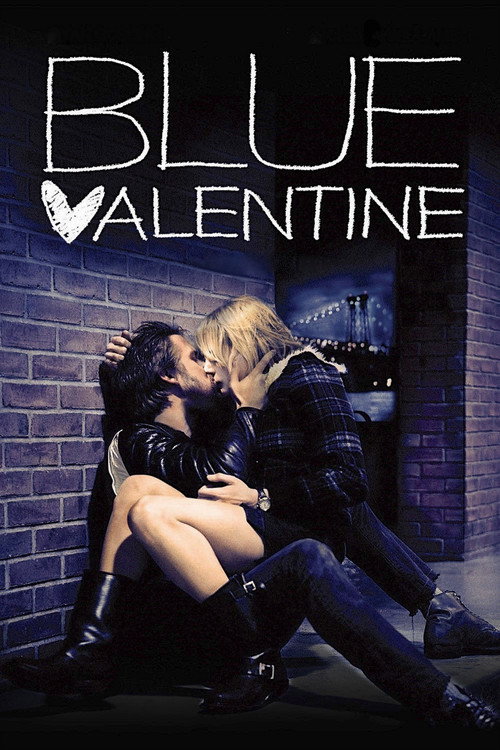
Blue Valentine2010
A marriage's beginning and end intercut, showing exactly how tenderness turns into contempt — raw and intimate in its own quieter register.
But It's restrained and naturalistic where Woolf is theatrical and verbose; a very different scale of confrontation.
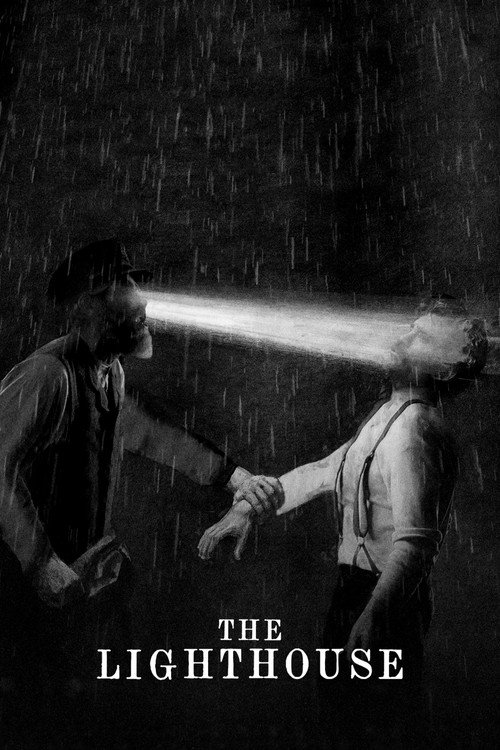
The Lighthouse2019
Swap the faculty living room for a storm-lashed rock and it's the same engine: two trapped people, mounting drink, shifting truths, and a fight over who controls the story neither can escape.
Two men, one remote lighthouse, gallons of booze, and a power struggle that spirals into hallucinatory madness — the same drunken escalation and psychological warfare, reborn as horror.
But It's genuinely strange and unsettling, with none of Albee's wit — expect dread and myth, not dinner-party dialogue.
Abigail's Party1977no page yet
The exact same setup — booze, a house, guests trapped as witnesses to a marriage's cracks — restaged as vicious comedy of manners instead of theatrical tragedy, proving the structure works either way.
Mike Leigh's suburban dinner party from hell is Woolf's evil comic twin — awful hosts, uneasy guests, and simmering marital contempt, played for cringe rather than catharsis.
But It's stagier and campier by design, a satire of taste and class rather than tragedy — don't expect the same gravity.
People
Cast
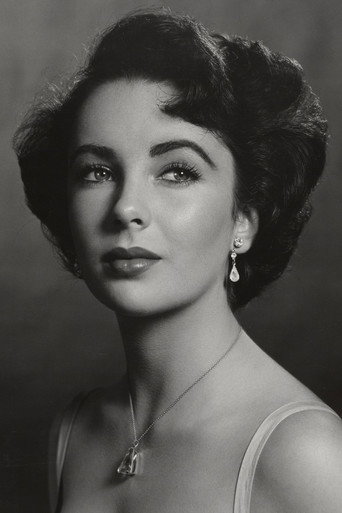 Elizabeth TaylorMartha
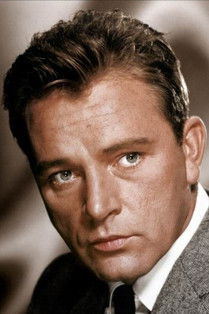 Richard BurtonGeorge
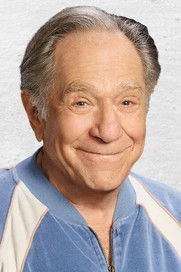 George SegalNick
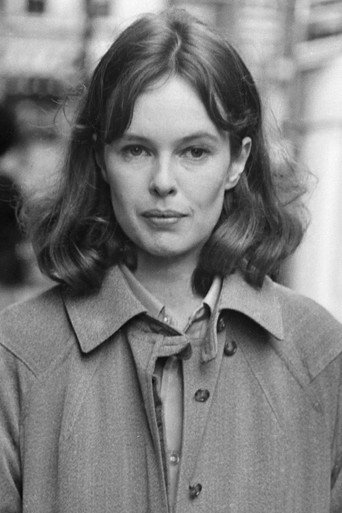 Sandy DennisHoney
- Agnes FlanaganRoadhouse Waitress (uncredited)
- Frank FlanaganRoadhouse Manager (uncredited)
Directing
- Mike NicholsDirector
- Meta RebnerScript Supervisor
Writing
- Ernest LehmanScreenplay
- Harold MichelsonStoryboard
- Edward AlbeeTheatre Play
Production
- Ernest LehmanProducer
- Hal W. PolaireProducer's Assistant
- T.J. Healy IIProduction Assistant
Recommended by
You're the Worst, Scener ur ett äktenskap, The Taming of the Shrew, August: Osage County, Days of Wine and Roses, Revolutionary Road, Sophie's Choice, A Streetcar Named Desire, A Woman Under the Influence, Husbands and Wives, The War of the Roses, The Lion in Winter, Long Day's Journey Into Night, Couples Therapy, Scenes from a Marriage