
Film
Miss Julie
Other titles called Miss Julie: the 2014 film.
- Social drama
- Romance
- Very dark
Alf Sjöberg's 1951 adaptation of Strindberg's corrosive play traps a aristocratic woman and working-class servant in a single midsummer night of seduction, humiliation and class warfare. Theatrically staged but visually inventive, it's a precise dissection of power, desire and social hierarchy that feels anything but dusty. For anyone interested in how desire and contempt become indistinguishable.
Should you watch it?
Watch it if you are drawn to chamber dramas where a single night's power games between a lady and her servant carry the weight of an entire social order, and you enjoy talky, claustrophobic tension.
Skip it if you want brisk plot, varied locations or a lighter touch, since nearly everything happens in one kitchen and the emotional temperature stays stern and heavy throughout.
What it asks of you: Ninety minutes of close attention to words and glances, with little action to lean on; it builds slowly and rewards you for staying still and listening.
Not sure? Find tonight's pick in a minute.
If you liked this
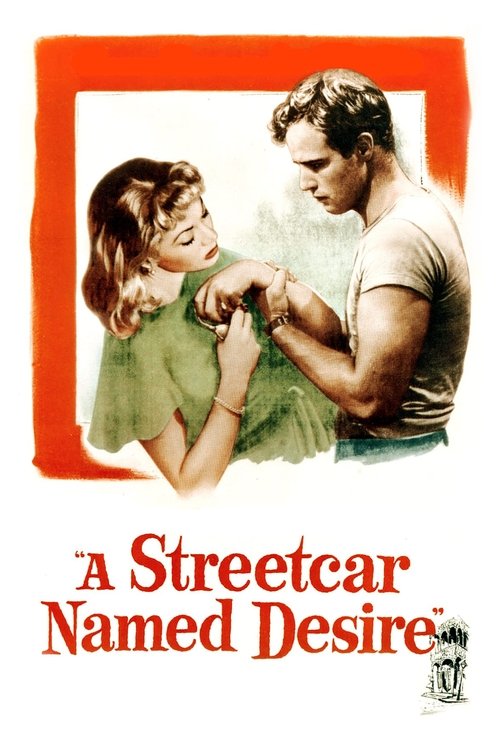
A Streetcar Named Desire1951
Tennessee Williams' play of sexual desperation and class collision, with Brando's raw intensity and Leigh's fragile aristocracy. The same year as Miss Julie, same genre, same voltage.
But It's a foundational American classic that's been dissected to death. If you've studied it in school, there's less discovery here.
The Servant1963
Joseph Losey's masterwork about power inversion between a wealthy man and his manservant. Claustrophobic, erotic, morally corrosive—it asks the same questions about dominance and submission.
But It's deliberately uncomfortable and slow-burn. The sexual politics are intense and the ending won't satisfy anyone looking for moral clarity.

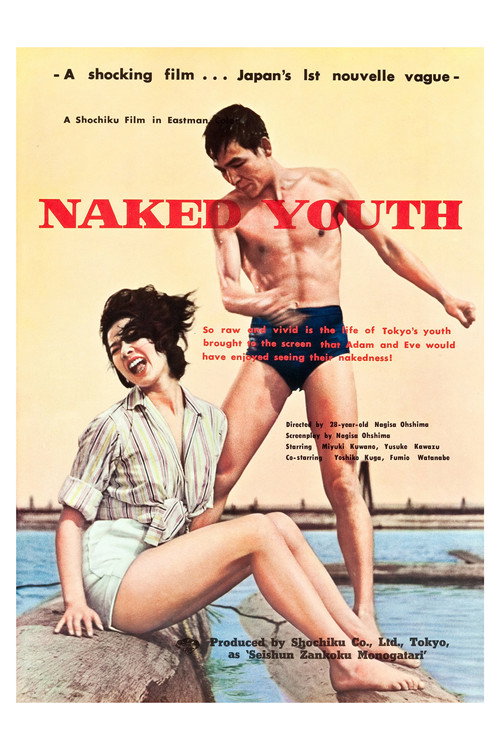
Cruel Story of Youth1960
Nagisa Oshima's film of class resentment, sexual manipulation and revenge between a wealthy girl and a working-class boy. Raw energy, genuine danger, and a completely different cultural perspective on the same power dynamics.
But It's a Japanese New Wave film from sixty years ago with subtitles and a deliberately ugly aesthetic. Not immediately accessible, and morally murky throughout.
Not sure tonight? Get a pick in a minute, starting from Miss Julie
The wildcard
Something you would not have found on your own.
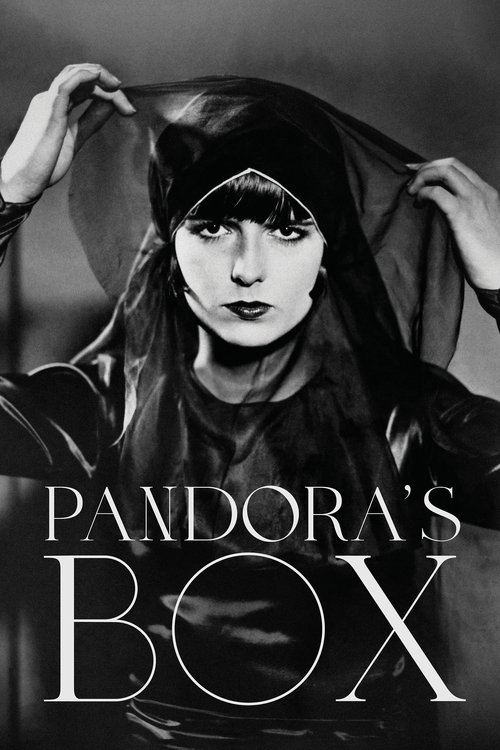
Pandora's Box1929
Both films treat female sexuality as a destructive force that transcends class and makes everyone complicit. Both have an almost clinical coldness about the damage caused.
Pabst's silent German masterpiece about a woman (Louise Brooks) whose sexuality destroys everyone around her—servant, aristocrat, lover alike. It's Miss Julie's ancestor, a mirror showing what Strindberg was really saying about desire and class.
But It's silent, from 1929, and the print quality varies. If you need dialogue and sound design to engage, this will feel distant.
More like this (7)
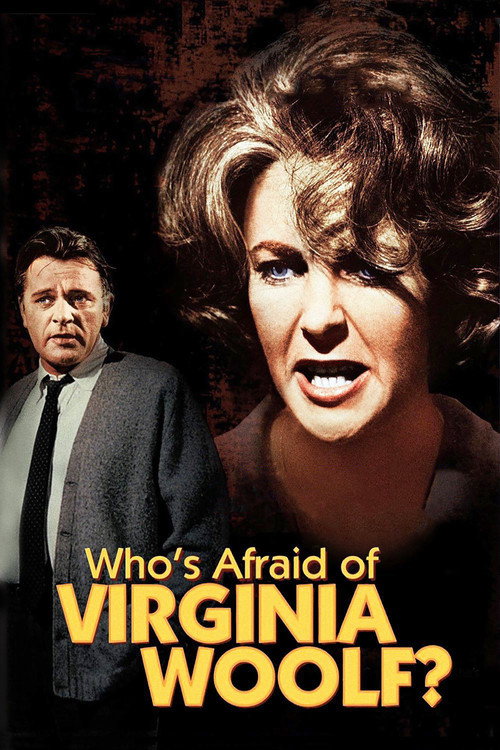
Who's Afraid of Virginia Woolf?1966
Mike Nichols directs Taylor and Burton in Albee's acid-etched play about intellectual and sexual warfare. Like Miss Julie, it's a chamber piece of escalating cruelty disguised as intimacy.
But It's relentlessly bleak and exhausting—two hours of people destroying each other verbally. If you need warmth or hope, this will feel punishing.
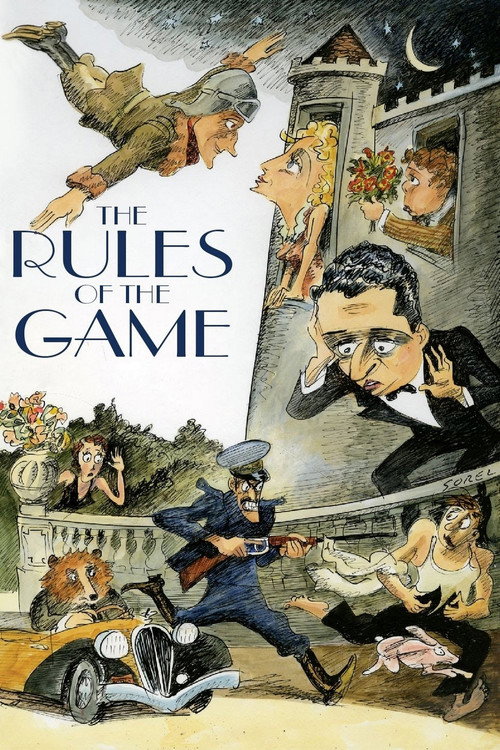
The Rules of the Game1939
Jean Renoir's masterpiece about social masks and desire at a country house party. Complex, funny, tragic—it has Miss Julie's preoccupation with class and sex but with more characters and deeper humanity.
But It's French cinema from the 1930s and runs 110 minutes. The pacing is deliberate and the narrative isn't obviously driving toward anything.
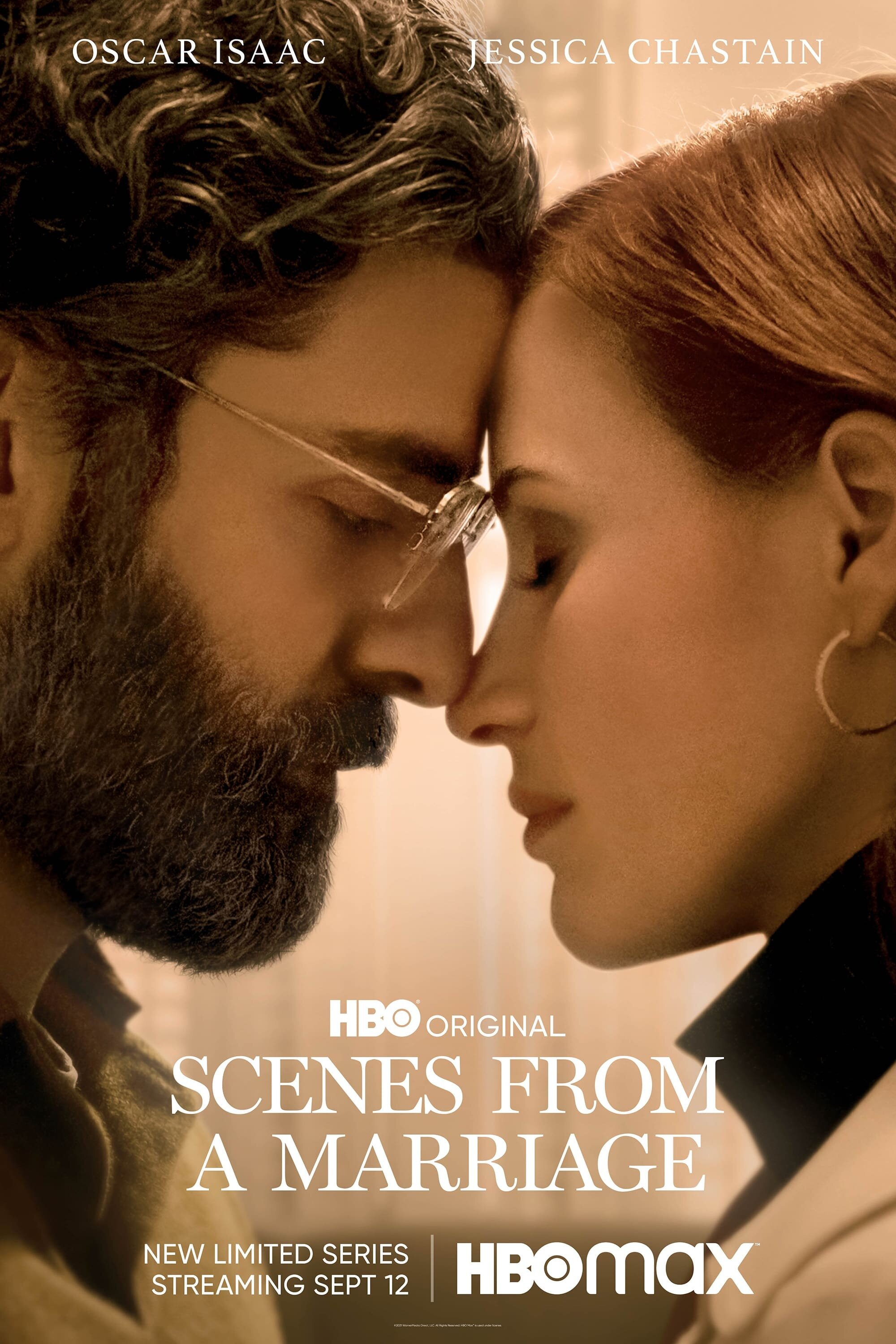
Scenes from a Marriage2021
Bergman's six-part portrait of a marriage's dissolution, intimate and excoriating. Like Miss Julie, it's fascinated by how power shifts between two people in confined spaces.
But It's Swedish, slow, and entirely conversation-based. If you want plot momentum or escapism, this offers neither. Some will find it self-indulgent.
Dangerous Liaisons1988
Frears' adaptation of Laclos—seduction and manipulation among the aristocracy. The same preoccupation with desire as a weapon and the corruption of innocence by the calculating and embittered.
But The 1988 film is somewhat safer than the novel, and some will find Pfeiffer and Malkovich too beautiful for characters meant to be monstrous. Also, it's had a hundred adaptations.

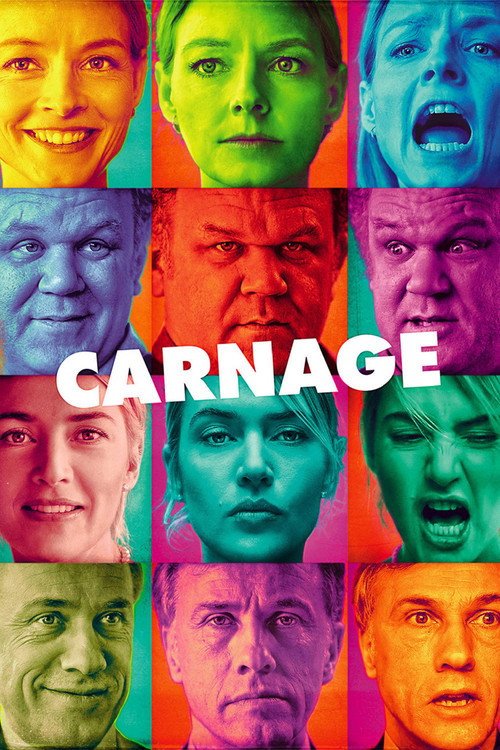
Carnage2011
Polanski adapts Yasmina Reza's play about two couples meeting after their children fight. Chamber piece, escalating tension, class anxiety simmering beneath civility. Claustrophobic and acidly funny.
But It's deliberately theatrical and slight. Some will find the artificiality off-putting, and the comedy might feel thin if you're in the wrong mood.
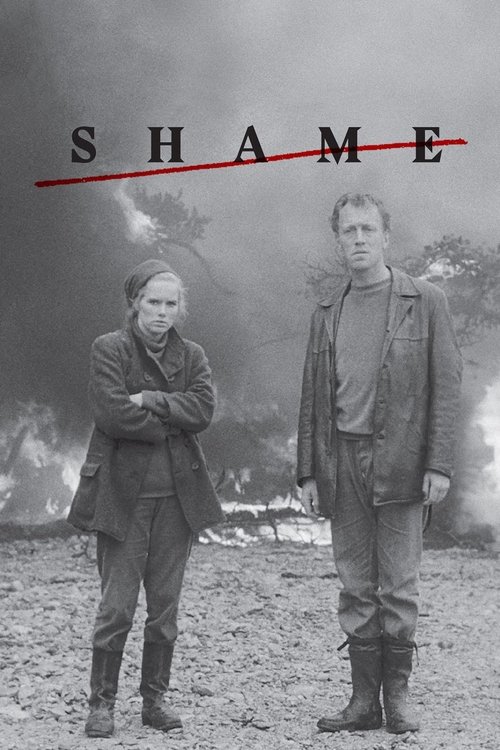
Shame1968
Bergman's portrait of a marriage corroded by war and circumstance. Like Miss Julie, it's interested in how people justify cruelty to themselves and how intimacy becomes a battlefield.
But It's bleak, slow, and deeply pessimistic about human connection. Some find Bergman's vision of marriage suffocating rather than illuminating.
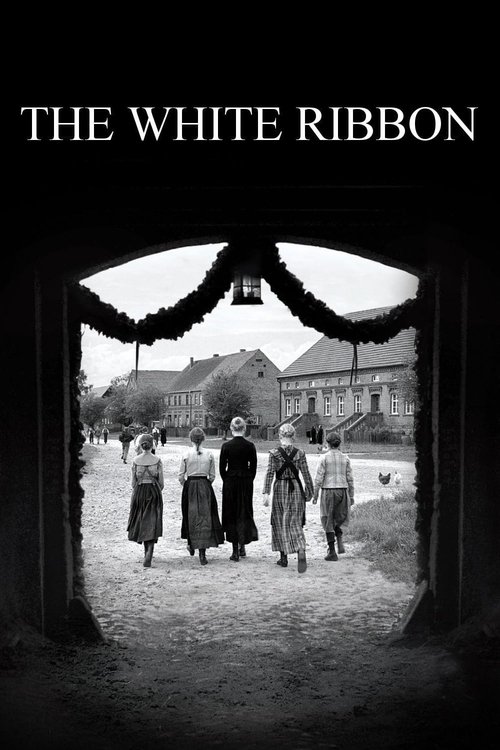
The White Ribbon2009
Both are interested in the mutual corruption that happens when people of different classes are forced into intimacy. Neither lets anyone off as innocent.
Haneke's black-and-white German film about a village's hidden cruelties and the complicity of class. Not a seduction narrative, but the same interest in how power operates, how the servant class can be as cruel as the aristocracy, how proximity breeds contempt.
But It's three hours, in black and white, deliberately paced, and refuses easy answers about good and evil. Some will find it glacial and too invested in ambiguity to earn the length.
People
Cast
 Anita BjörkMiss Julie
 Ulf PalmeJean
 Märta DorffKristin
 Lissi AlandhCountess Berta
 Anders HenriksonCount Carl
 Inga GillViola
 Max von SydowGroom
 Åke FridellRobert
- Kurt-Olof SundströmJulie's Fiancé
 Margaretha KrookGoverness
 Åke ClaessonDoctor
- Inger NorbergJulie as a child
Directing
- Kurt-Olof SundströmAssistant Director
- Alf SjöbergDirector
Writing
- Alf SjöbergScreenplay
- August StrindbergTheatre Play
Production
- Rune WaldekranzProducer
- Rune WaldekranzProduction Manager