
Film
Cruel Story of Youth
- Drama
- Very dark
A 1960 Japanese crime-romance about two drifters who become partners in petty robbery. Nagisa Oshima's directorial debut is visually audacious and morally unsettling, capturing postwar Tokyo's underclass with cold precision. It's for viewers who want their cinema challenging and uncomfortable, not reassuring.
Should you watch it?
Watch it if you love provocative New Wave cinema where restless style and a shrugging amorality matter more than redemption, and you enjoy films that refuse to console.
Skip it if you need characters to root for, because nearly everyone here is cold, careless and hard to warm to, and the chill never really lifts.
What it asks of you: Ninety-seven minutes of mostly unhurried, hard-edged scenes where mood and surface carry more weight than plot explanation.
Not sure? Find tonight's pick in a minute.
If you liked this
Tokyo Story1953
Ozu's masterpiece of restraint and observation—a family gathering that unfolds with devastating emotional clarity. Essential viewing for understanding Japanese cinema's humanistic tradition.
But Its slowness and quietude demand patience. If you need plot momentum, you'll struggle with its glacial pacing.

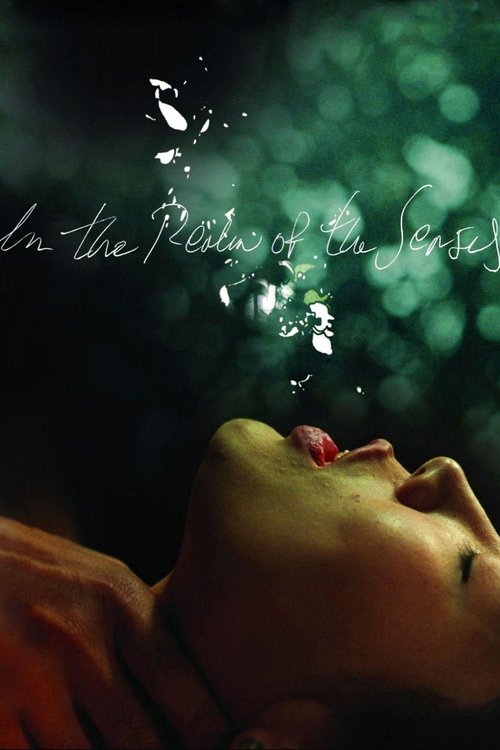
In the Realm of the Senses1976
Nagisa Oshima's most transgressive work: a graphic, taboo-breaking love story set during wartime. Raw, fearless, and viscerally alive in ways mainstream cinema avoids.
But Explicit sexual content throughout. It's intentionally provocative and will alienate viewers seeking subtlety or conventional eroticism.
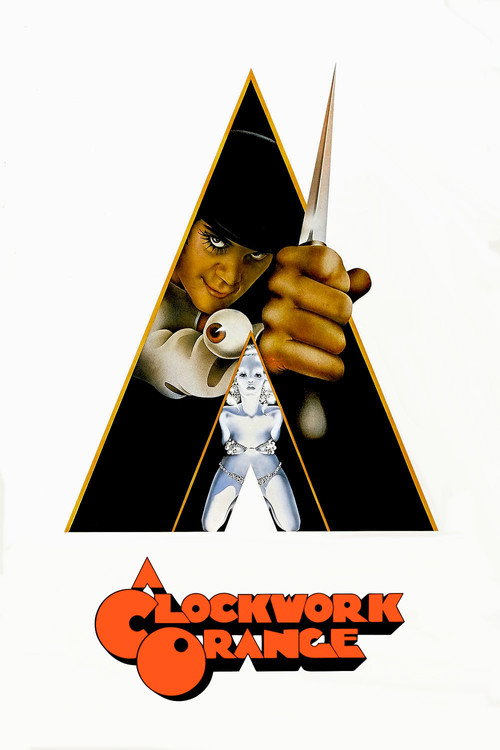
A Clockwork Orange1971
Kubrick's controversial masterpiece about youth violence and state control. Like Oshima, it refuses moral comfort and forces you to reckon with its own complicity in aestheticizing brutality.
But Deeply disturbing imagery and sexual violence. Its philosophical arguments don't soften the assault on your sensibilities.
Not sure tonight? Get a pick in a minute, starting from Cruel Story of Youth
The wildcard
Something you would not have found on your own.
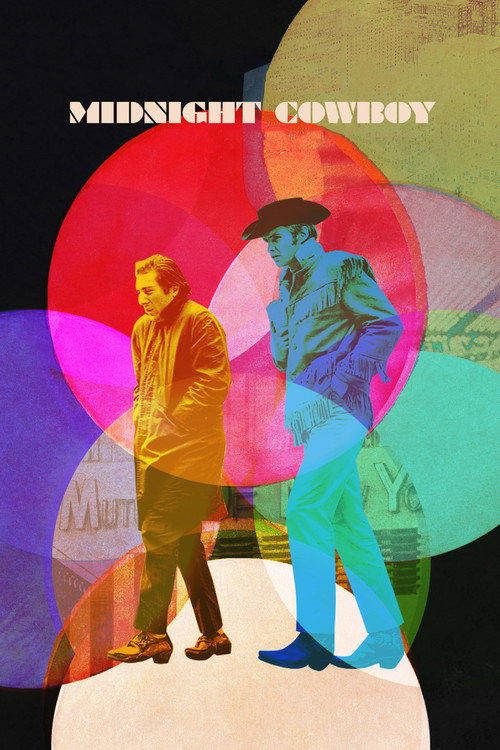
Midnight Cowboy1969
Both depict youth commodified and survival through sexual transaction; both refuse sentimentality about their subjects' circumstances.
John Schlesinger's portrait of male prostitution in New York—raw, compassionate, and morally complex. Both films follow desperate young people surviving through their bodies and wits, but Midnight Cowboy finds humanity where Oshima finds cruelty.
But Grim and exploitative in tone, with sexual content and tragic inevitability. It's bleaker than most can comfortably bear.
More like this (8)
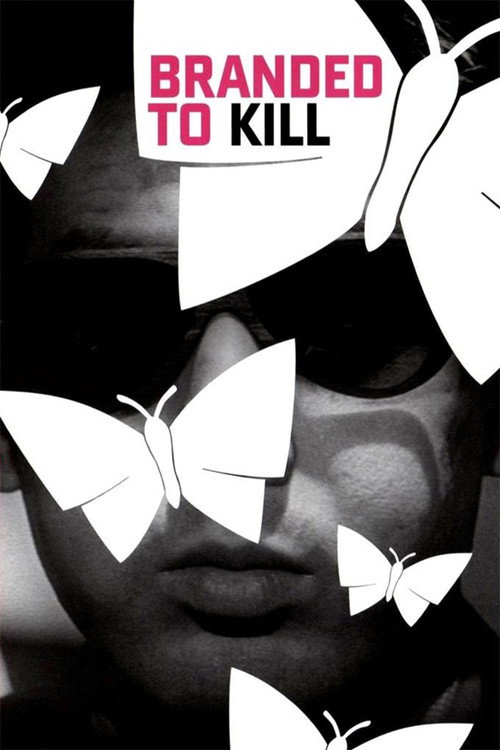
Branded to Kill1967
Seijun Suzuki's surreal yakuza film—stylistically dazzling, narratively fractured, pulsing with eroticism and danger. Japanese New Wave at its most uncompromising.
But The plot is deliberately incoherent. If you need clarity or linear storytelling, you'll find it maddening.
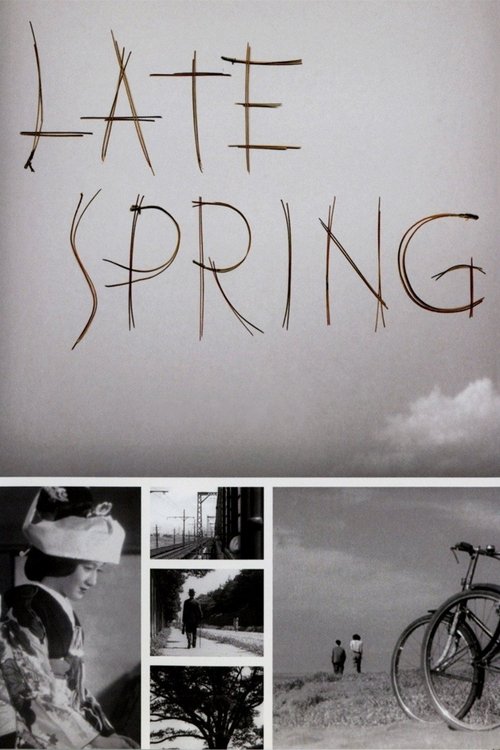
Late Spring1949
Another Ozu gem, intimate and devastating. A meditation on duty, love, and the passage of time that cuts deeper than any melodrama.
But Ozu's style is even more austere here. Long takes, minimal camera movement, and emotional restraint may feel tedious if you're used to conventional narrative drive.
Harakiri1962
Masaki Kobayashi's masterpiece about samurai honor and systemic cruelty. Formally perfect and morally shattering—Japanese cinema at its most profound.
But The pacing is deliberately slow and the emotional weight relentless. It's not an easy watch, even when it's magnificent.

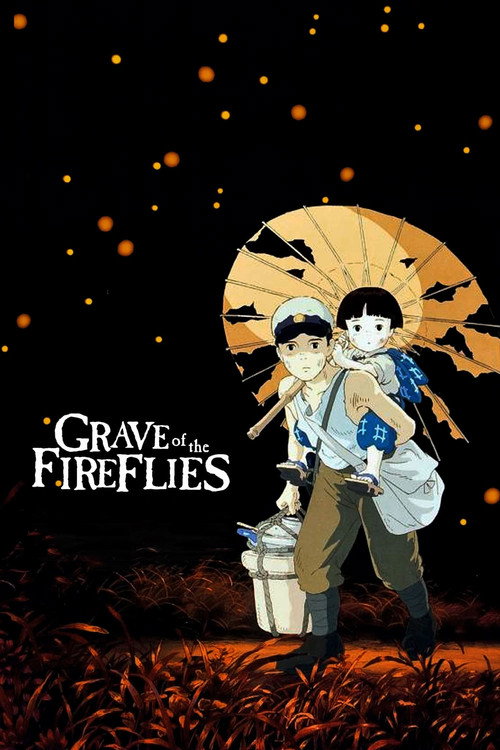
Grave of the Fireflies1988
Isao Takahata's anime about two orphans in wartime Japan. Heartbreaking and beautiful, it captures human vulnerability with devastating honesty.
But It's an animated film about child suffering. Preconceptions about animation and subject matter may prevent you from engaging with its power.
The Ballad of Little Jo1993
Maggie Greenwald's tale of a woman passing as a man in the Old West—unconventional, visually striking, and genuinely strange in its approach to gender and survival.
But Deliberately unglamorous and slow-paced. It refuses the Western's typical thrills and spectacle.

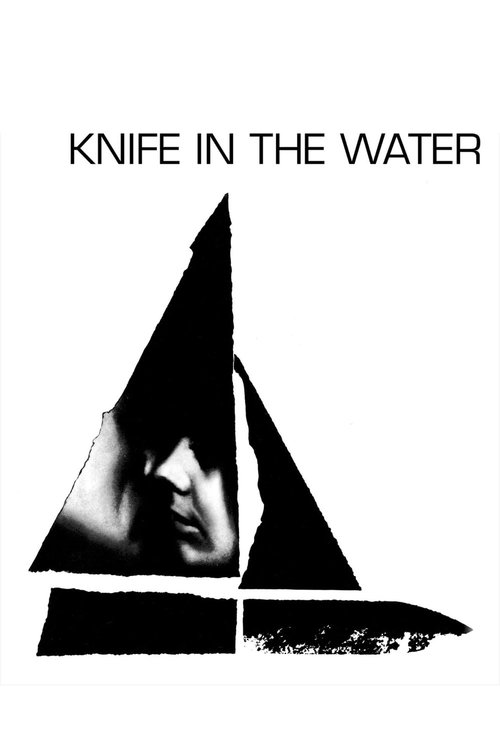
Knife in the Water1962
Roman Polanski's chamber piece of psychological tension on a sailboat. Economical, claustrophobic, and endlessly readable—master class in suspense from minimal materials.
But Dialogue-heavy and deliberately confined. Some will find it talky and limited rather than intimate.
A Prophet2009
Both trace the education of a young man into criminality and power, using visual style to make that corruption almost seductive.
Jacques Audiard's portrait of a young man's transformation in prison—visually sumptuous and narratively gripping. Like Cruel Story, it charts moral corruption with unflinching intelligence and genuine beauty.
But Prison violence and casual brutality throughout. Its glamour can feel like complicity.

Contempt1963
Both examine how performance and seduction become indistinguishable from reality; both use visual style as moral argument.
Godard's metacinematic meditation on art, commerce, and desire—a seemingly simple marriage drama that becomes a labyrinth of artifice. Completely different form, but shares Oshima's obsession with how image and performance corrode authenticity.
But Deliberately self-conscious and fragmented. If you want immersion, Godard's reflexivity will keep you at distance.

People
Cast
 Yūsuke KawazuKiyoshi
 Miyuki KuwanoMakoto
 Yoshiko KugaYuki
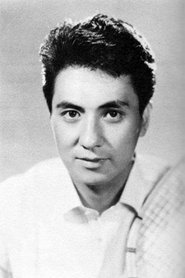 Fumio WatanabeAkimoto
- Shinji TanakaYoshimi Ito
 Toshiko KobayashiTeruko
 Jun HamamuraMasahiro
- Yuki TominagaToshiko Nishioka
 Kei SatōAkira Matsuko
 Asao SanoInspector
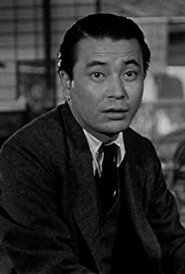 Hiroshi Nihon'yanagiKeizo Horio
Directing
- Toshirō IshidōAssistant Director
- Nagisa ŌshimaDirector
Writing
- Nagisa ŌshimaScreenplay
Production
- Tomio IkedaProducer
- Hitoshi NumaoProduction Supervisor
Recommended by
Rebel Without a Cause, Miss Julie, Querelle, 'Tis Pity She's a Whore, Motorpsycho!, Knife of Ice