
Film
Motorpsycho!
- Vigilante
- Very dark
Russ Meyer's gleefully transgressive debut is a 75-minute exploitation thriller that swaps narrative coherence for raw sensory assault. Three amoral bikers terrorize a small town; a widow and veterinarian seek revenge. It's cheap, nasty, technically audacious, and entirely of its moment—a film that treats violence as spectacle and women as objects, yet moves with such manic energy you can't quite look away.
If you liked this
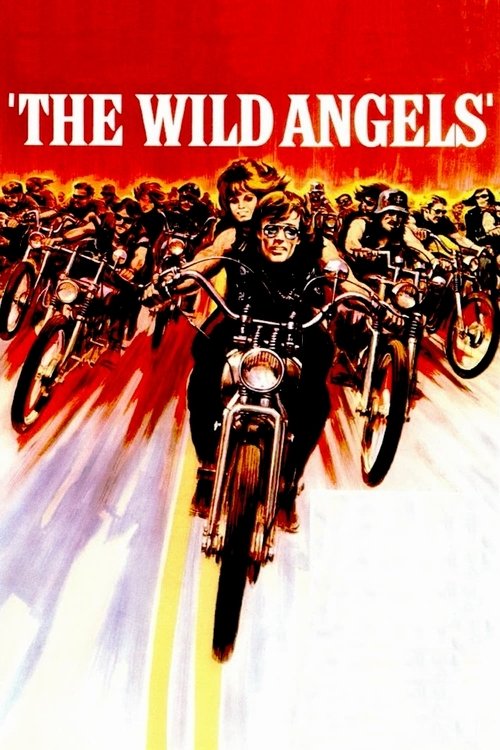
The Wild Angels1966
Roger Corman's biker film from the same year, made with studio backing. It's got bigger budget glamour, better-known leads, and a funeral sequence that scandalized America. The template Meyer was partly riffing on.
But Slower paced than Motorpsycho! and more interested in romance and brotherhood. The counterculture posturing feels dated in a way the exploitation doesn't.
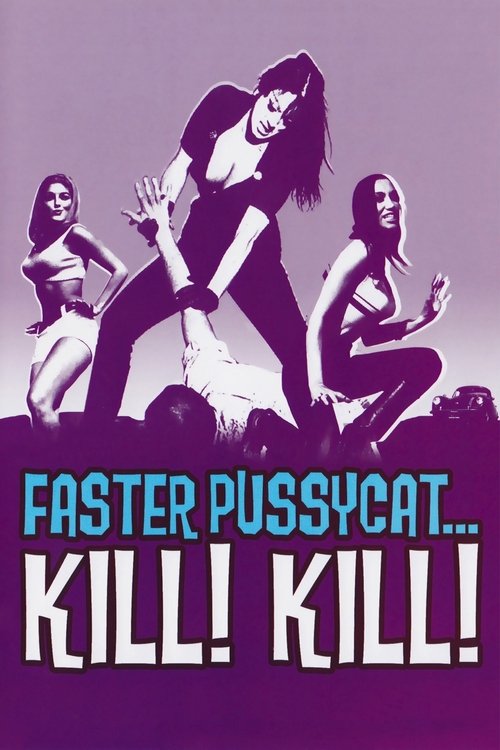
Faster, Pussycat! Kill! Kill!1965
Meyer's follow-up is where he perfected this formula: three dangerous women, desert landscapes, transgression played for laughs and thrills. It's nasty, funny, visually inventive, and moves like a 75-minute adrenaline spike.
But Even more cheerfully exploitative than Motorpsycho!. The casual misogyny will feel ugly to some viewers, and rightly so.
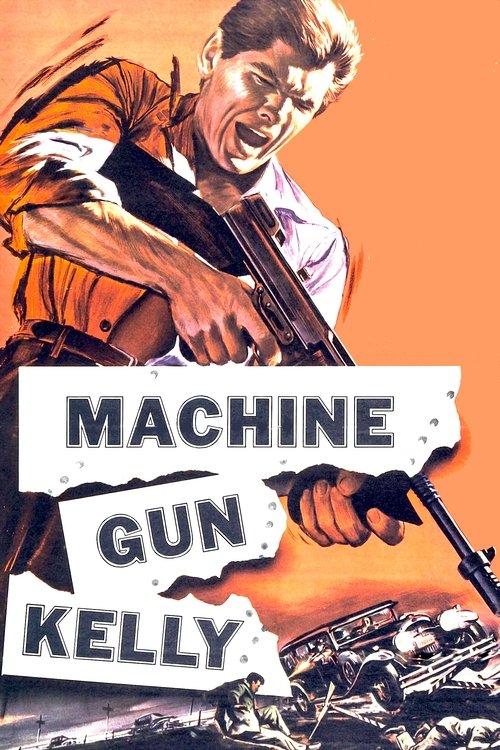
Machine-Gun Kelly1958
Roger Corman's crime thriller has the same low-budget hunger and B-movie swagger. Charles Bronson as a small-time hood; taut, brutal, no apologies. It's sleek pulp that makes every dollar visible on screen.
But Much more restrained than Motorpsycho!—it's interested in plot and character. If you want Meyer's anarchic energy, you'll find the pace plodding.
Not sure tonight? Get a pick in a minute, starting from Motorpsycho!
The wildcard
Something you would not have found on your own.
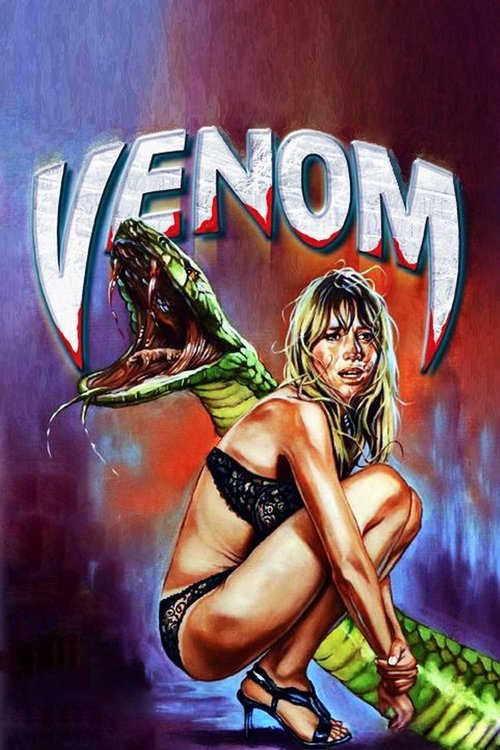
Venom1981
Both films find their power in prolonged violation—psychological and physical—inflicted on people trapped in spaces. Meyer uses chaos; Pialat uses geometry. Same violence, opposite methods.
Pulsing thriller about a hostage situation in a townhouse, featuring a Black Mamba loose in the building. Klaus Kinski, Sterling Hayden, a killer snake, and methodical dread. Tense, nasty, formally precise.
But More interested in suspense architecture than the transgressive thrills Meyer loves. Long stretches are slow, claustrophobic, and entirely humorless. It's an ordeal.
More like this (6)
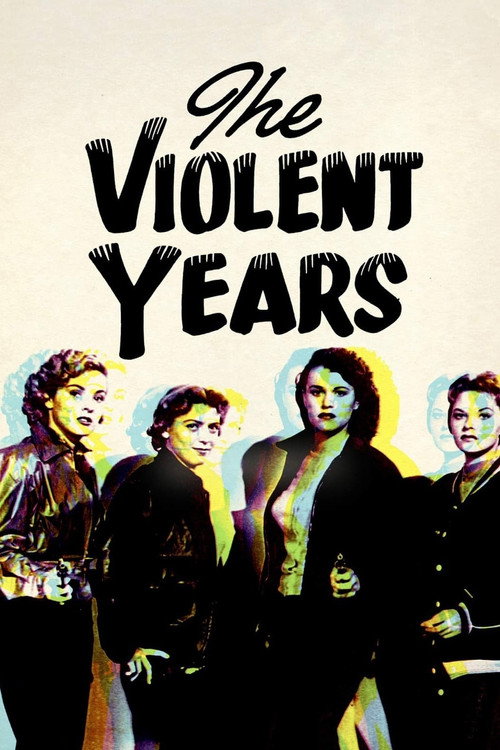
The Violent Years1956
Jean Teasdale's exploitation curiosity about a gang of violent teenage girls. Cheap, lurid, morally confused in fascinating ways. It's the ancestral template for both Motorpsycho! and Faster, Pussycat!.
But Poorly acted, sloppily constructed, and genuinely difficult to follow. The incompetence is part of its charm, which isn't for everyone.
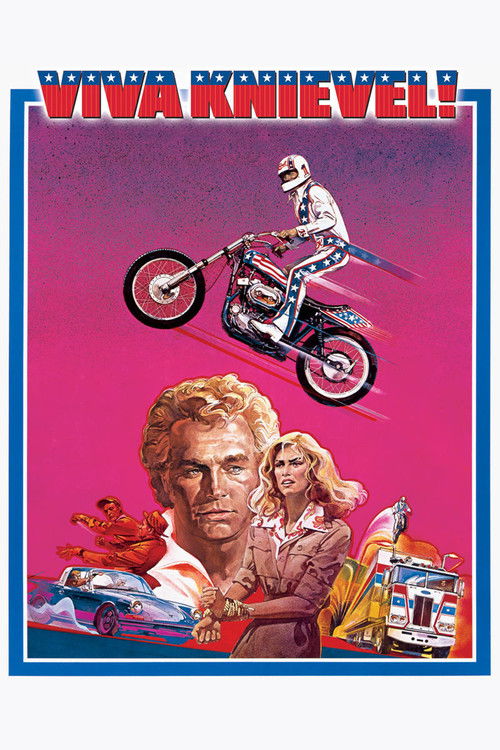
Viva Knievel!1977
Evel Knievel vehicle that leans hard into exploitation thrills and disregards for narrative logic. Stunt footage, motorcycle chaos, and a plot held together by spit and prayer. Pure spectacle.
But Even by 1977 standards, it's ridiculous. The drama sequences are painful. Watching it feels like work.
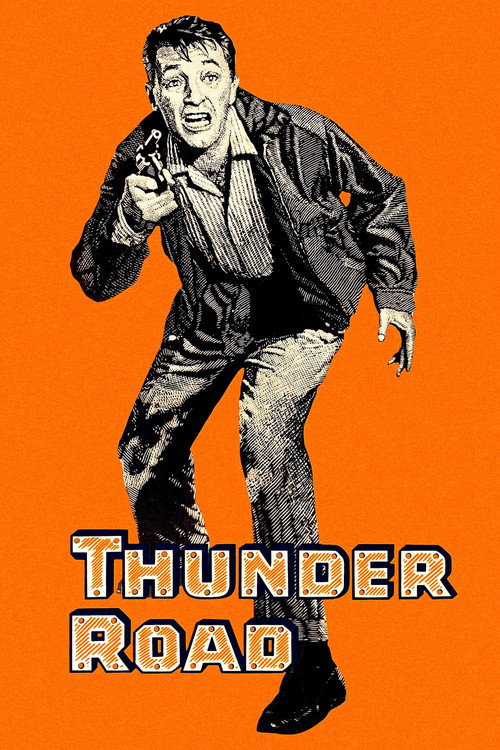
Thunder Road1958
Robert Mitchum as a moonshine runner in the Kentucky hills. Serious, moody, genuinely tense. It treats outlaws with the dignity that Motorpsycho! actively refuses, making it a useful counterpoint.
But Entirely earnest about its morality and mythology. If you want exploitation, this is literature.
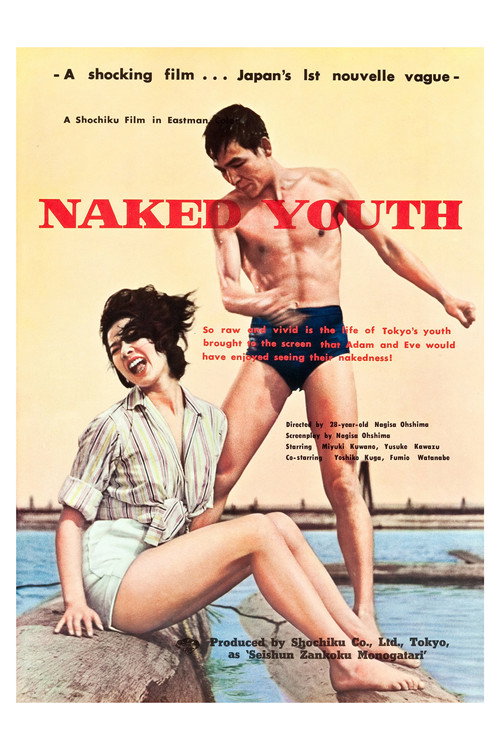
Cruel Story of Youth1960
Schlocky exploitation about teenage delinquents. Cheap, morally panicky, desperate for scandal. A period piece about period panic—it's got historical fascination if nothing else.
But Slower and more self-serious than its premise deserves. The exploitation feels dutiful rather than transgressive.
In a Lonely Place1950
Both feature men whose violence is presented as pathology—their essential nature laid bare. Meyer celebrates it as transgression; Ray treats it as tragedy. Same mirror, different angles.
Humphrey Bogart as a violent, paranoid screenwriter accused of murder. Dour, acidic, genuinely disturbing—it treats masculine rage as a psychological fact, not entertainment. Ray's direction is perfect.
But Slow burn, no spectacle, no exploitation value. It wants you to feel uncomfortable about enjoying a story with a violent man at the center, rather than reveling in the violence itself.

The Turin Horse2011
Both films are convinced the world is degrading. Meyer turns that into fever. Tarr turns it into funeral rites. Same philosophy of decline, different liturgies.
Béla Tarr's 88-minute final film: the philosopher Nietzsche's last days with his mother, shot in stark black-and-white, minimal dialogue, mounting dread. Hypnotic and apocalyptic. Cinema at its most austere and most powerful.
But Glacially slow, utterly bleak, demanding. It's the opposite of Motorpsycho!'s assault—it's negation. Most viewers will find it unwatchable.

People
Cast
 HajiRuby Bonner
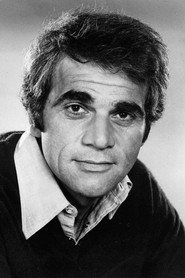 Alex RoccoCory Maddox
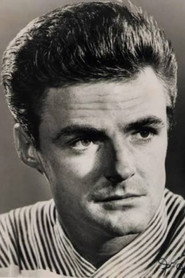 Steve OliverBrahmin
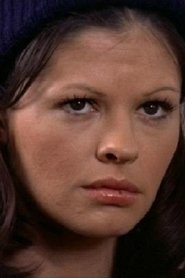 Lane CarrollGail Maddox
- Joseph CelliniDante
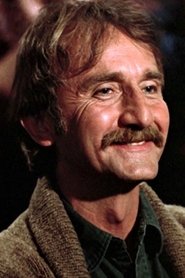 Timothy ScottSlick
 Coleman FrancisHarry Bonner
- Sharon LeeJessica Fannin
 Steve MastersFrank
- Arshalouis AivazianFrank's Wife
 Russ MeyerSheriff
- George CostelloAmbulance Doctor
Directing
- George CostelloAssistant Director
- Russ MeyerDirector
Writing
- Hal HopperOriginal Story
- James GriffithOriginal Story
- Russ MeyerOriginal Story
- Russ MeyerScreenplay
- W.E. SpragueScreenplay
- Ross MassbaumWriter
Production
- Eve MeyerAssociate Producer
- Ross MassbaumProducer
- Russ MeyerProducer
- Fred OwensProduction Manager