
Film
Up!
Other titles called Up!: the 2009 film.
Russ Meyer's 1976 sex comedy with a premise so audacious it barely matters: Hitler fakes his death in California, a mysterious woman arrives, and chaos ensues. It's cheerfully obscene, aggressively absurd, and made by someone who believes restraint is a personal failure. For fans of transgressive cinema and bad taste as an art form.
If you liked this
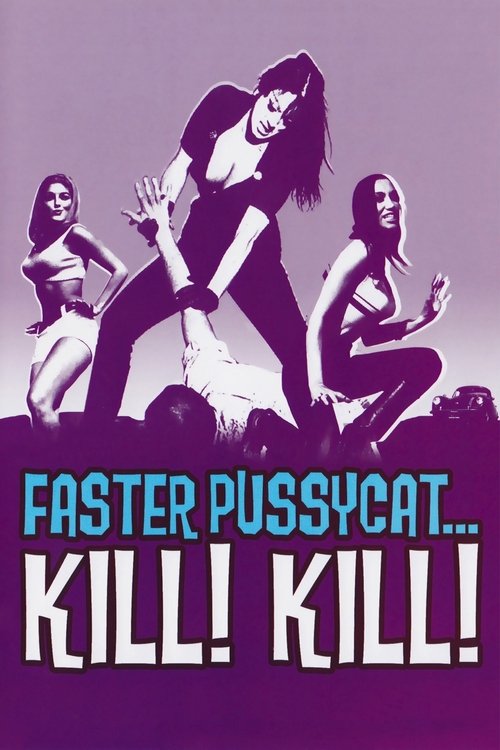
Faster, Pussycat! Kill! Kill!1965
Meyer's earlier masterpiece of mayhem: three go-go dancers, a muscle car, and a rampage across the desert. If you love audacious exploitation that swings for the fences, this is where his style crystallized.
But It's deeply sexist in ways the film doesn't examine. The pleasure it takes in objectification has aged poorly, and the runtime drags before the second act.
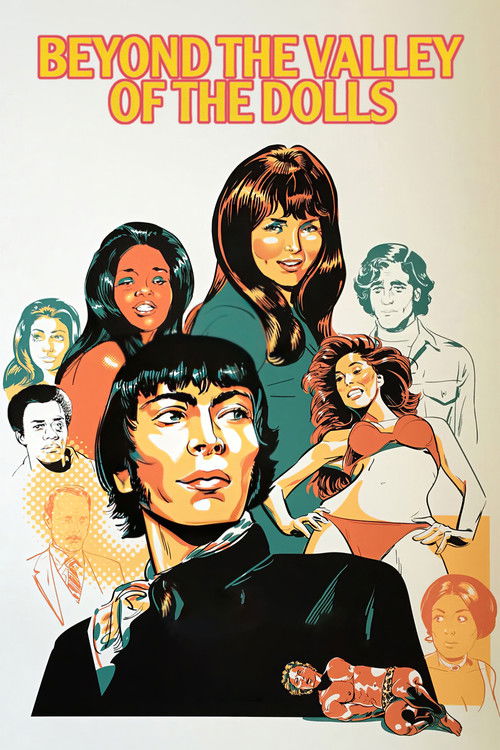
Beyond the Valley of the Dolls1970
Meyer collaborating with critic Roger Ebert on a deranged, gorgeous pop-art descent into Hollywood depravity. Visually inventive, genuinely shocking, and surprisingly coherent about fame and corruption.
But The tonal whiplash is violent—it wants to be a satire, a tragedy, and a skin flick simultaneously. Some viewers find that exciting; others find it incoherent.
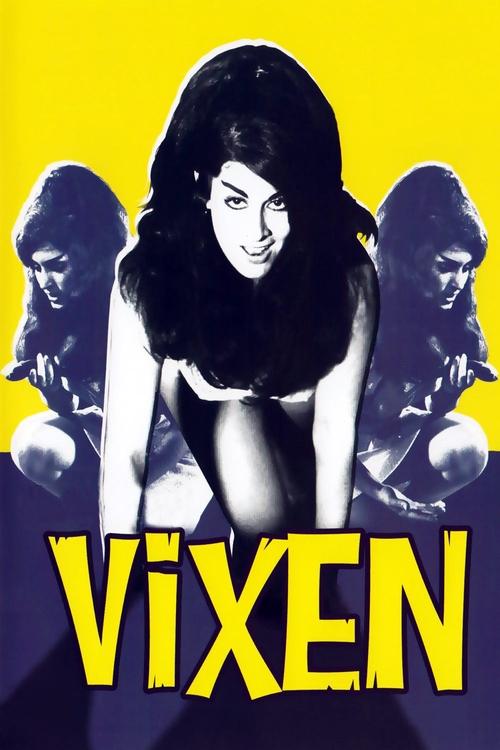
Vixen!1968
Meyer's most focused sex comedy: a bush pilot's promiscuous daughter seduces everyone, including Soviet spies, in the Canadian wilderness. Nasty, funny, and genuinely inventive with its staging and editing.
But The sexual content is relentless and unapologetic. There's no irony buffer—you're either in or out, and the film doesn't care which.
Not sure tonight? Get a pick in a minute, starting from Up!
The wildcard
Something you would not have found on your own.
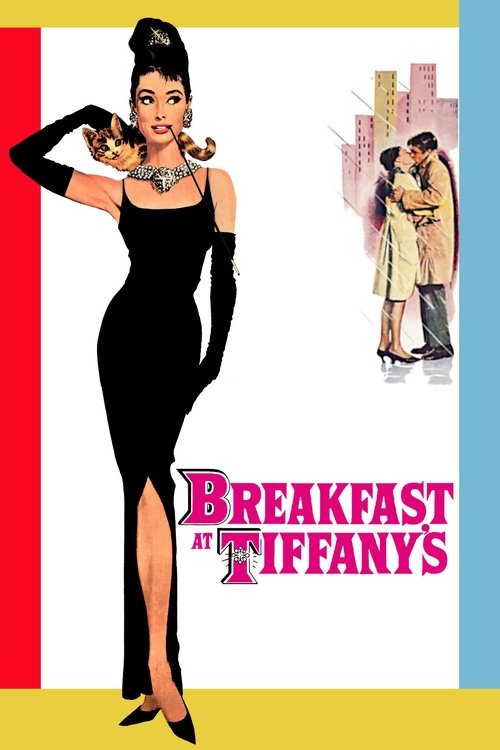
Breakfast at Tiffany's1961
Both films use shallow, beautiful surfaces to explore the void underneath. One does it knowingly; the other accidentally. Either way, neither is what it pretends to be.
A film built on the same paradox as Up!: surface charm and sophistication masking something unsettling and cruel. Both films are more interesting when you notice what they're not acknowledging about themselves and their characters.
But The pleasantness can feel suffocating if you're watching it for sincerity. It's a film about performance and emptiness, not the romantic fantasy most viewers expect.
More like this (8)
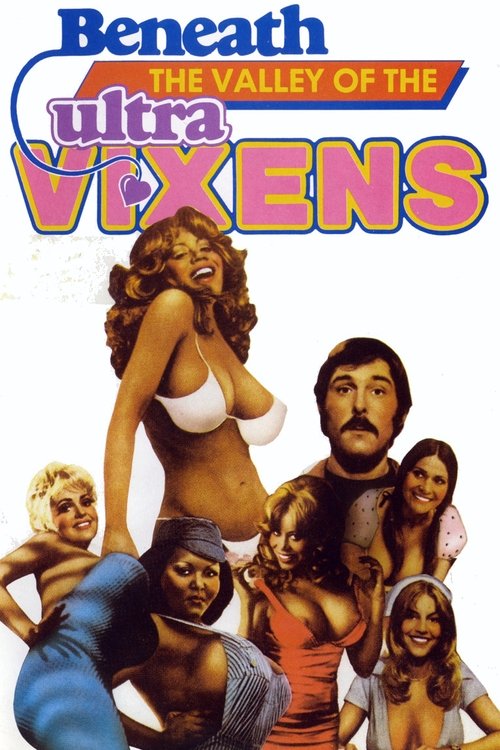
Beneath the Valley of the Ultra-Vixens1979
Meyer's last original feature, a late-period victory lap: a small-town woman decides to sexually educate her uptight husband while the community unravels around them. Surprisingly tender under the transgression.
But By 1979, the formula has calcified. The shock value depends on what shocked you in 1968, and tastes have shifted even if Meyer hasn't.
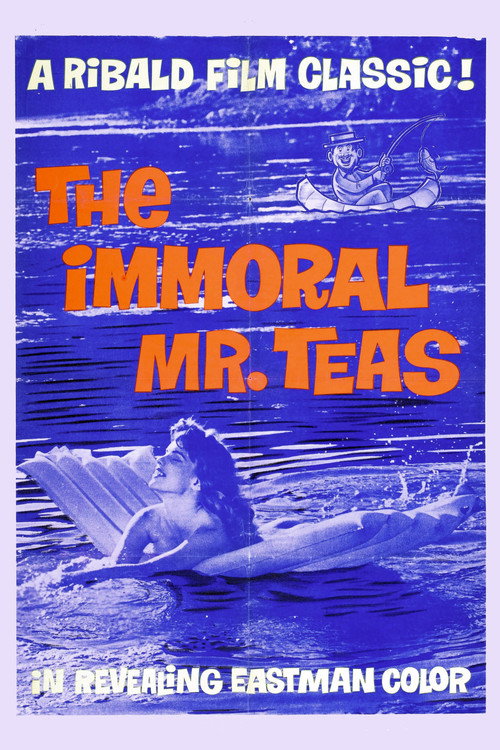
The Immoral Mr. Teas1959
The first nudist comedy and arguably the film that invented the nudie cutie genre. Innocent and playful by comparison to what came after, but historically essential and genuinely charming.
But The gimmick—a man can see women naked through magical glasses—is wafer-thin and wears out long before the 63 minutes end.
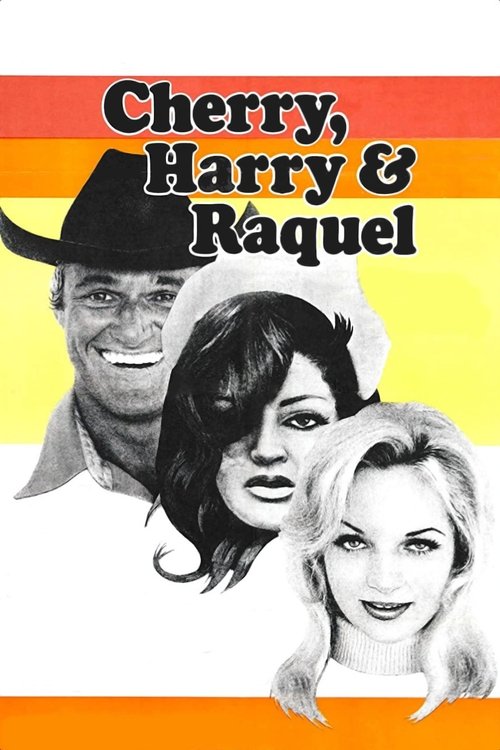
Cherry, Harry & Raquel!1969
A low-budget crime caper stuffed with Meyer's signature visual style: widescreen compositions, smash cuts, and a plot that's essentially an excuse for chaos. Surprisingly good-natured about how little sense it makes.
But The plot is genuinely difficult to follow, and the political incorrectness includes racism alongside the usual sexism. It's harder to enjoy when cringe-worthiness extends beyond the erotic content.
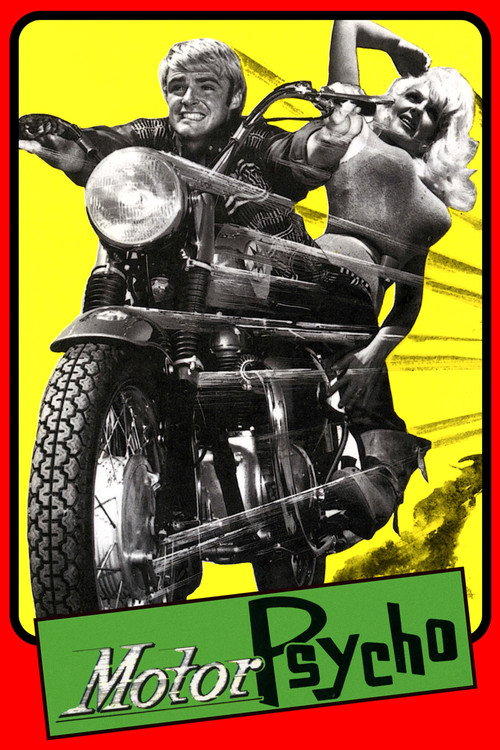
Motorpsycho!1965
Three motorcycle-riding sociopaths terrorize a small town in Meyer's first feature. It's violent, crude, and made on almost no budget, but the energy and formal invention suggest something genuinely dangerous.
But The violence is nasty and includes assault. The acting is rough, the plot barely coherent, and the whole thing feels like watching a fever dream through a damaged VHS.
Mudhoney!1965
Backwoods perversity: a cynical drifter arrives in a decaying rural community and seduces its residents. Visually striking and genuinely weird, with an edge of genuine unease beneath the sexploitation.
But It's grimy in every sense—morally and literally. The depiction of rural poverty as an excuse for debasement feels contemptuous, not satirical.

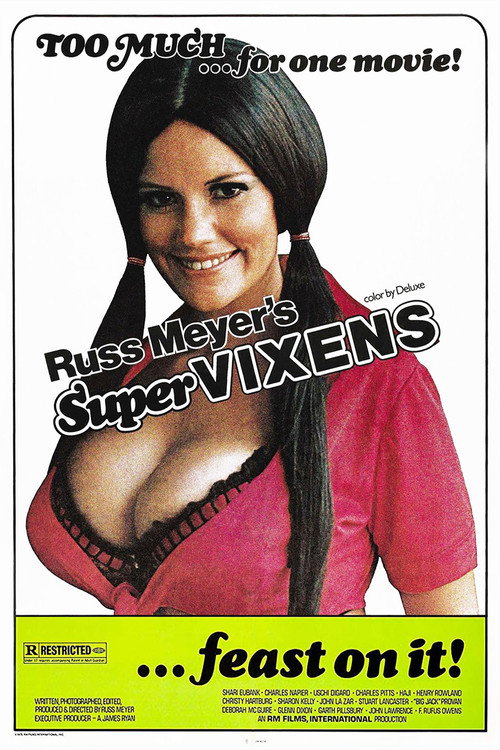
Supervixens1975
Meyer's most elaborate sex comedy: a highway-side odyssey through a cartoon America where every stranger is a sexual archetype. It's a visual jukebox of his obsessions at their most confident and ridiculous.
But It's nearly two hours of Meyer being Meyer with no narrative momentum. Repetition sets in hard, and the shock value was already dated when it was released.
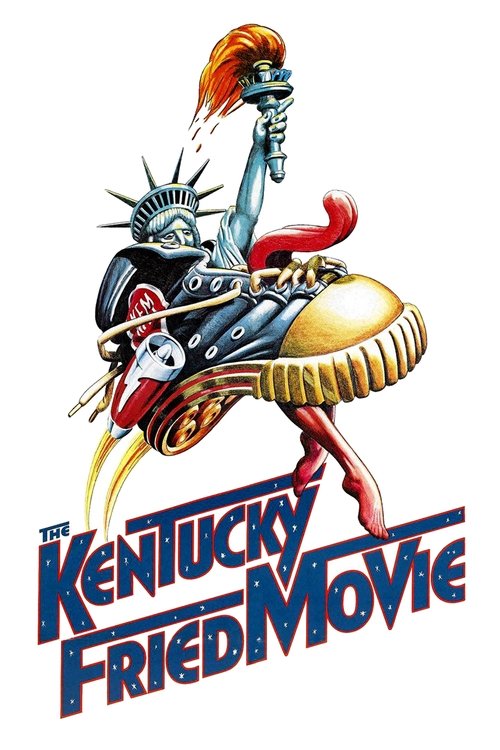
The Kentucky Fried Movie1977
Both are comedies that treat bad taste as a form of freedom. Both era-specific and both more interested in shocking the audience than earning sympathy.
A sketch comedy film from Zucker and Abraham that's as transgressive and absurdist as Meyer, but anarchic rather than erotic. Completely unhinged, cheerfully offensive, and formally inventive in ways that shouldn't work.
But Sketch comedy dates brutally. The hits are tremendous, but the misses are painful, and there's no through-line to carry you past the dead sketches.
Stalker1979
Both films are obsessed with desire and the gap between appearance and truth. Meyer shouts it; Tarkovsky whispers it. But they're asking the same questions about what drives us.
Tarkovsky's hypnotic 163-minute meditation on desire and meaning. Formally the opposite of Meyer—slow, philosophical, drained of color—but structured around the exact same question: what do we really want, and why do we want it?
But It moves at a deliberate crawl and demands the viewer meet it halfway. It's austere and asks for patience that nothing in Up! would suggest you have.

People
Cast
 Raven De La CroixMargo Winchester
- Robert McLanePaul, husband
 Janet WoodAlice, wife
 Candy SamplesThe Headsperson (as Mary Gavin)
- Su LingLimehouse
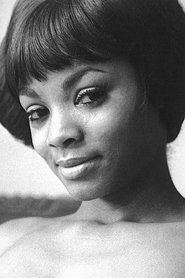 Elaine CollinsThe Ethiopian Chef
- Linda Sue RagsdaleGwendolyn
- HarryThe Nimrod / Carnivorous Fish
- Edward SchaafAdolph Schwartz
 Monty BaneHomer Johnson
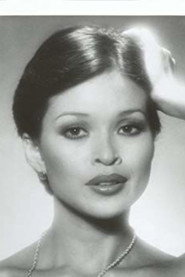 Marianne MarksChesty Young Thing
- Larry DeanLeonard Box
Directing
- Russ MeyerDirector
Writing
- Anthony-James RyanOriginal Story
- Roger EbertOriginal Story
- Russ MeyerOriginal Story
- Russ MeyerScreenplay
Production
- Fred OwensAssociate Producer
- George K. CarllAssociate Producer
- Uschi DigardAssociate Producer
- Eddie Foy IIICasting
- Samantha MansourCasting
- Wilfred KuesLocation Manager
- Russ MeyerProducer
- Ann BartonProduction Assistant
- Gary GraverProduction Assistant
- John EnglishProduction Assistant
- Ken KerrProduction Assistant
- Nick ScottProduction Assistant
- Wilburn KluckSupervising Producer
Recommended by
Beneath the Valley of the Ultra-Vixens, Supervixens, The Malibu Bikini Shop, H.O.T.S.