
Film
Cherry, Harry & Raquel!
A 1969 crime-action romp about desert smugglers and corrupt cops that plays like a fever dream of the late-sixties exploitation cinema. Stylish, trashy, and proudly unconcerned with plausibility or restraint. Made for viewers who love kinetic B-movies and the particular chaos of 70s action filmmaking before it calcified into formula.
Should you watch it?
Watch it if you enjoy scrappy, low-budget crime capers where the stakes are petty and the cynicism is played for laughs, the kind of grubby 1960s exploitation fun that doesn't take itself seriously.
Skip it if you need tight plotting or characters you care about; the jokes are broad, the story drifts, and the crude tone can grow wearisome even at seventy-two minutes.
What it asks of you: Its running time is short, so it moves briskly and rarely lingers; expect loose, scattershot scenes and a light, sardonic shape rather than sustained tension.
Not sure? Find tonight's pick in a minute.
If you liked this
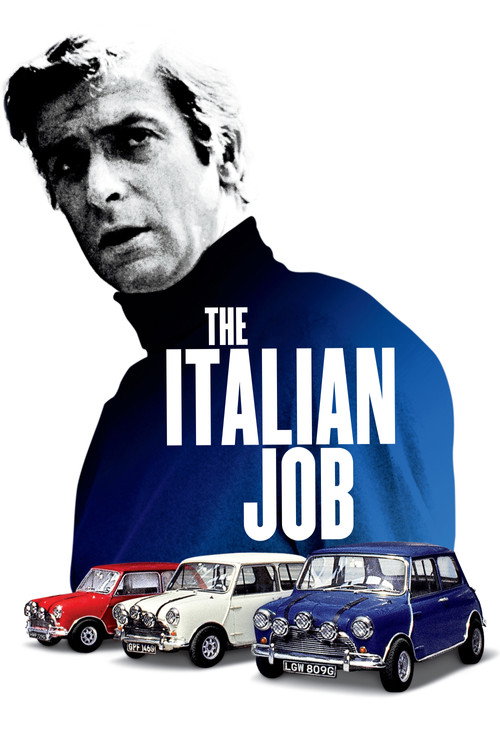
The Italian Job1969
Released the same year, shares that sweet spot of heist hijinks and ensemble charm. Clever, colorful, and endlessly rewatchable—the gold standard of caper fun with a famous ending.
But It's slicker and tighter than Cherry, Harry & Raquel!, and if you're looking for that rough-edged exploitation vibe, the polish might feel like a step down.
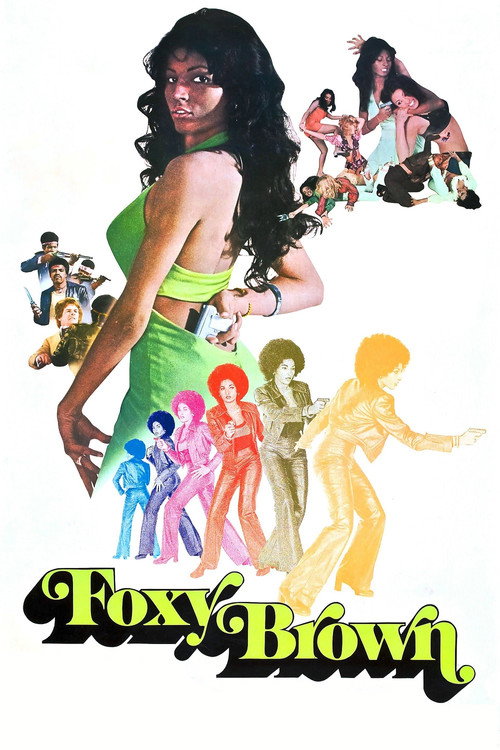
Foxy Brown1974
Pam Grier at full luminous power, waging one-woman war against exploitation. Faster, meaner, and more genuinely stylish than most action films of its era. Pure kinetic cinema.
But Distinctly grittier and more violent than Cherry, Harry & Raquel!; some plot threads feel threadbare even by 70s standards.
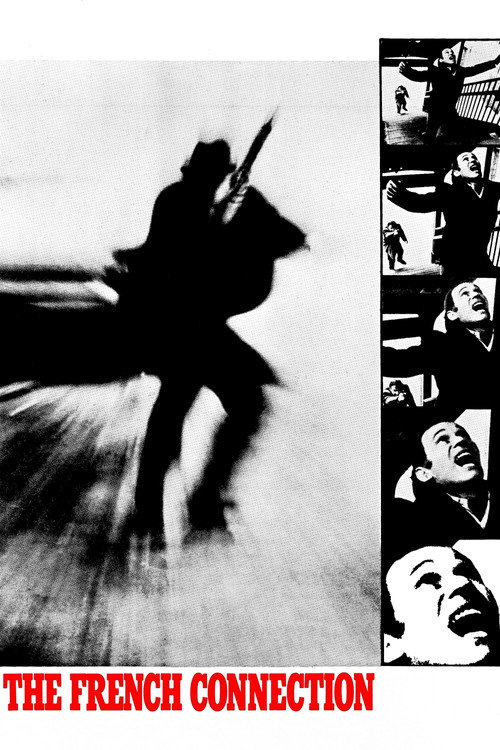
The French Connection1971
Drug smuggling, corrupt cops, and relentless moral compromise told with documentary grit. Gene Hackman's performance burns off the screen. The car chase alone justifies everything.
But It's serious—almost oppressively so. There's no winking at the camera, and the tone is about as far from trashy fun as it gets.
Not sure tonight? Get a pick in a minute, starting from Cherry, Harry & Raquel!
The wildcard
Something you would not have found on your own.
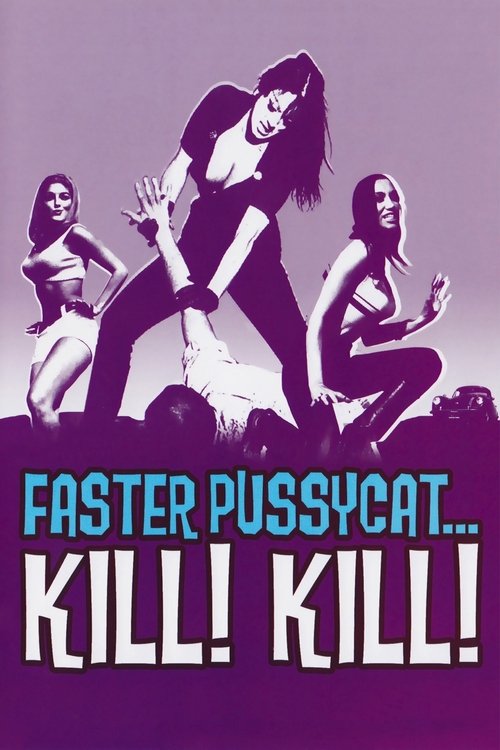
Faster, Pussycat! Kill! Kill!1965
Both films live proudly in exploitation cinema's sweet spot: cheap, fast, unashamed, and made by directors who loved cinema more than respectability. Both treat their trashy material with visual flair that elevates it beyond simple time-wasting.
Russ Meyer's supreme achievement: three go-go dancers (one played by Tura Satana) rob a couple and go on the run. Visually baroque, psychosexually transgressive, and genuinely funny. The most purely cinematic film about power and desire ever made by a man often called trashy.
But Meyer's visual style is maximalist to the point of aggression—every frame bulges with composition and meaning. The sexual politics are complicated and deliberately provocative. Not everyone wants to think this hard about exploitation.
More like this (8)
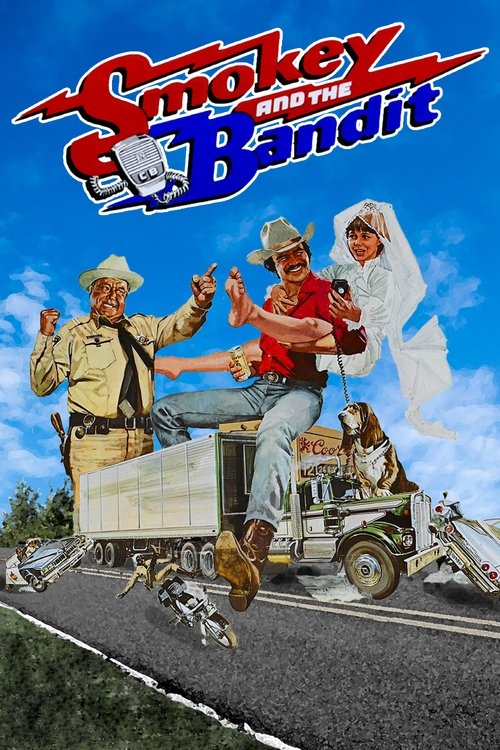
Smokey and the Bandit1977
Similar spirit of gleeful rule-breaking and momentum; Burt Reynolds doing what he does best. Propulsive, funny, and blessed with genuine warmth underneath the car stunts.
But Designed for broad appeal and genuinely mainstream success. It's charming in a way that might feel too safe after 70s exploitation roughness.
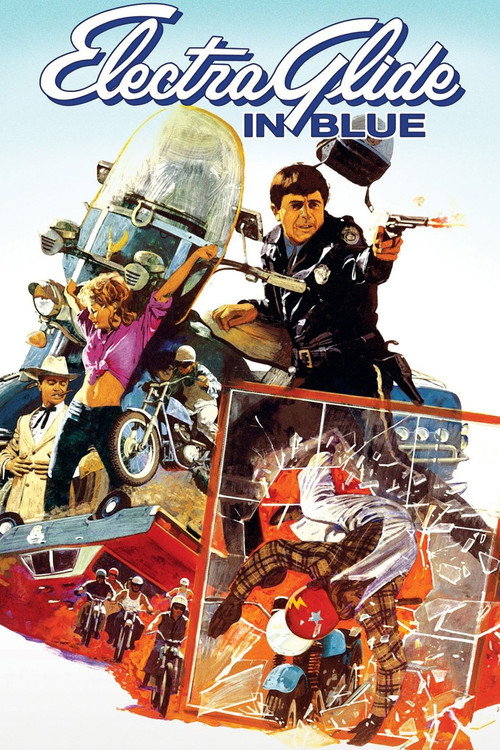
Electra Glide in Blue1973
Robert Blake as a motorcycle cop in the desert chasing something he doesn't understand. Weirdly meditative crime film with genuine mystery and atmosphere, all on a modest budget.
But Paced like a noir for thinkers, not a roller coaster. Some will find it slow; others will find it exactly what they needed.
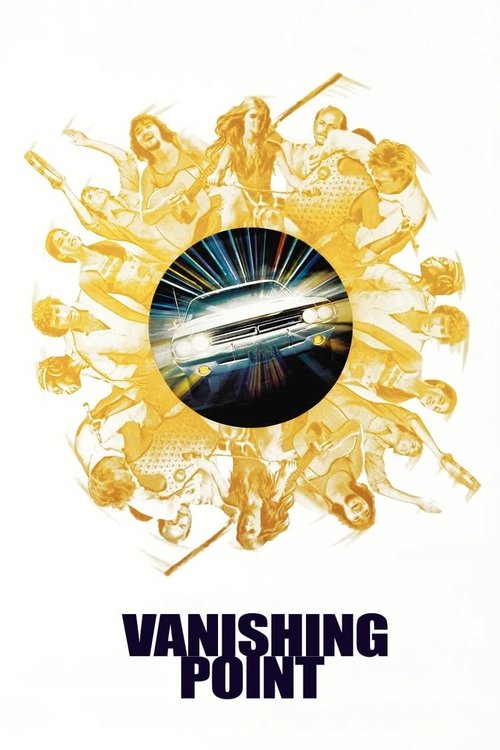
Vanishing Point1971
A Dodge Challenger, the Mojave Desert, and a man with nothing left to lose. Fever-dream car movie that runs on mood and speed instead of plot. Visual poetry of American roads.
But The narrative is thin to the point of transparency. If you need a story to hang on to, this will feel more like a music video than a film.
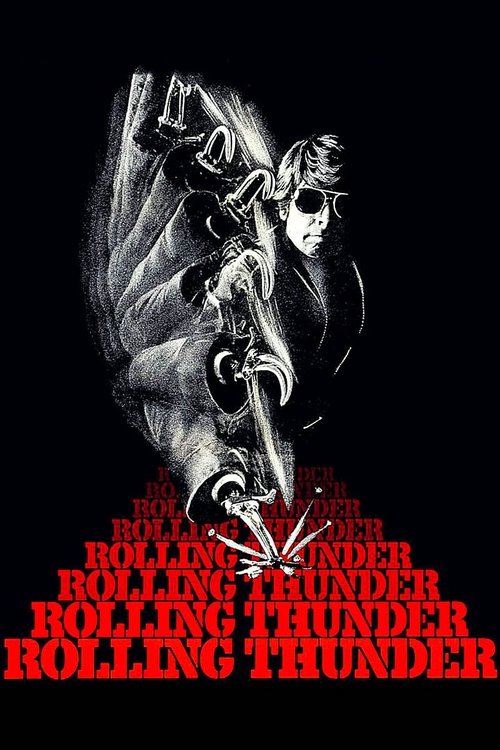
Rolling Thunder1977
William Devane as a POW come home to find the world has betrayed him. Revenge thriller with genuine weight and a moral seriousness that sneaks up on you. Paul Schrader wrote it.
But Becomes substantially darker and more violent in its final act. The lightness of the setup gives way to something genuinely troubling.
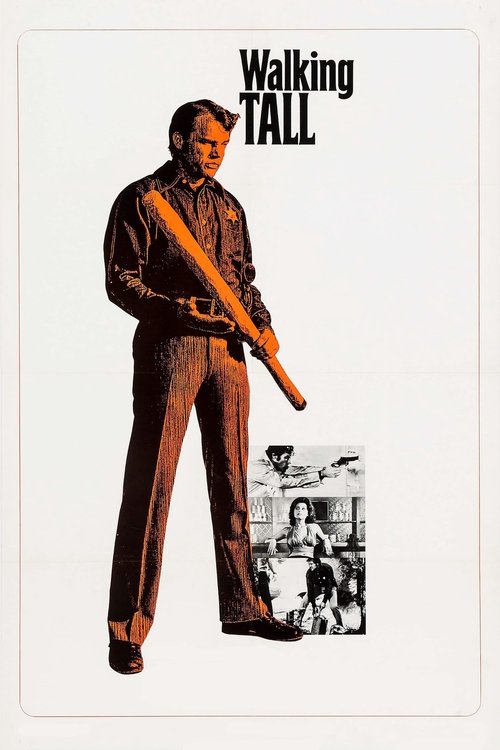
Walking Tall1973
Joe Don Baker as a man who decides to clean up his small town with a big stick. Pure wish-fulfillment action cinema, hugely entertaining, and tapping into something real about American frustration.
But The moral axis is questionable at best. It's also structured as a straightforward revenge fantasy, which lands differently now than it did then.
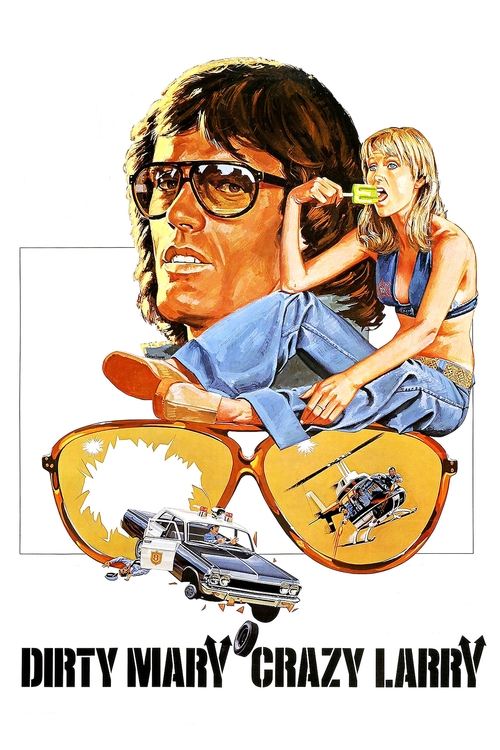
Dirty Mary Crazy Larry1974
Peter Fonda and Susan George as lovers on the lam after a bank heist. Chaotic, sexual, and surprisingly tender underneath the chaos. The driving sequences have genuine verve.
But Uneven in tone and the plotting feels improvised in ways that don't always work. The ending is particularly divisive.
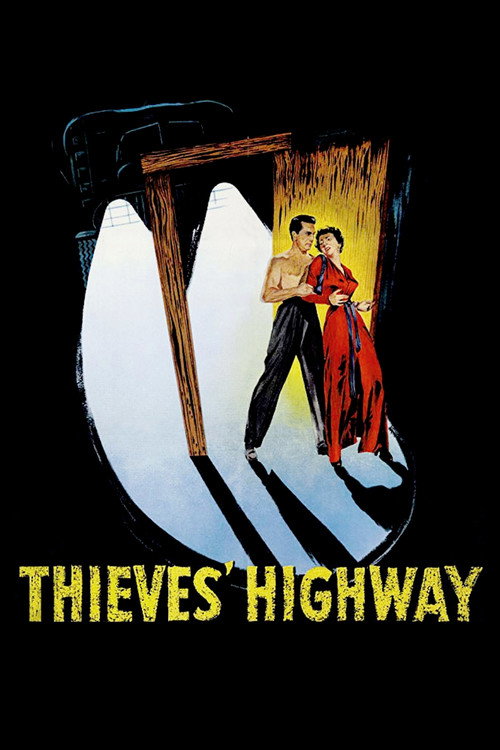
Thieves' Highway1949
Both films use the border region and smuggling life as backdrop for exploring how men survive on the margins. Both find dark humor in low-level crime and the corruption that enables it. One's a forgotten postwar masterpiece; the other's a B-movie romp. Same world, different aesthetics.
Jules Dassin film noir about produce hustlers and racketeers in California orchards. Coruscating dialogue, genuine danger, and the particular moral compromise of men trying to survive in systems rigged against them. You feel the dust.
But Black-and-white, shot in 1949, with a pace that assumes patience. The romantic subplot will feel dated. It's cinema from a completely different era.
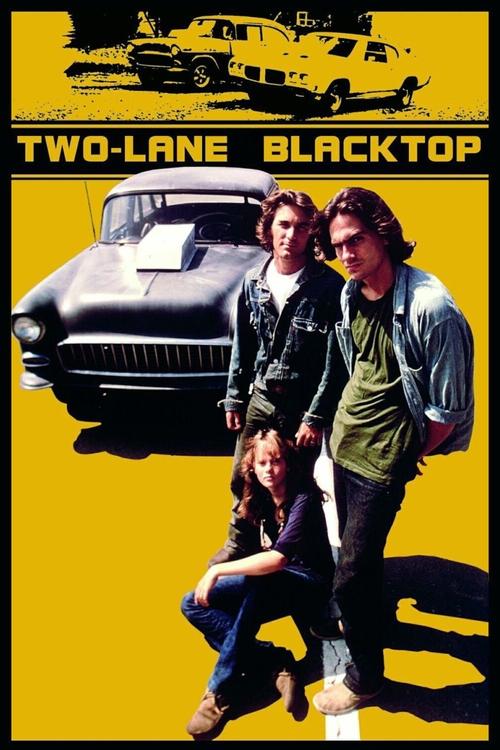
Two-Lane Blacktop1971
Both films are about men moving through the American landscape in defiance of law and sense, finding meaning in motion and risk. Both treat the road and desert as characters. Both have that particular 1969-71 moment before action cinema became formula—when it was still being invented.
Monte Hellman's masterpiece: two drivers with a Chevy 392 and a GTO race across America against a mysterious stranger in a Cadillac. Plotless, hypnotic, and genuinely about nothing but the hum of engines and the American desert. Watching it is like being under a spell.
But There is no plot, no character development, and no narrative resolution. It's purely experiential. If you need story structure, you will be profoundly bored.
People
Cast
- Larissa ElyRaquel
- Linda AshtonCherry
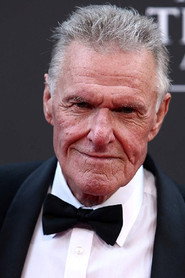 Charles NapierHarry
- Bert SantosEnrique
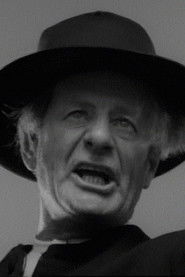 Frank BolgerMr. Franklin
 Uschi DigardSoul (as Astrid Lillimor)
- Michelle GrandMillie
- John KoesterTankwart
Recommended by
Faster, Pussycat! Kill! Kill!, Beneath the Valley of the Ultra-Vixens, Up!