
Film
Rolling Thunder
- Vigilante
- Revenge action
- Very dark
A Vietnam vet's homecoming turns to fury when a home invasion takes everything that matters. Raw, propulsive revenge thriller from the director of Taxi Driver, built on genuine rage rather than spectacle. For anyone who loves '70s crime cinema at its most unflinching.
Should you watch it?
Watch it if you like lean, grimy revenge pictures from the 1970s where a damaged man's quiet, stubborn grief matters more than the shootouts, and where the violence lands with real weight.
Skip it if you want brisk plotting and a tidy sense of release, because this one lingers in its cruelty, moves in long unhurried stretches and offers little relief along the way.
What it asks of you: Settle in for a lean hundred minutes, with long silences and sudden, ugly bursts of violence; it keeps its eye on the wound more than on the chase.
Not sure? Find tonight's pick in a minute.
If you liked this
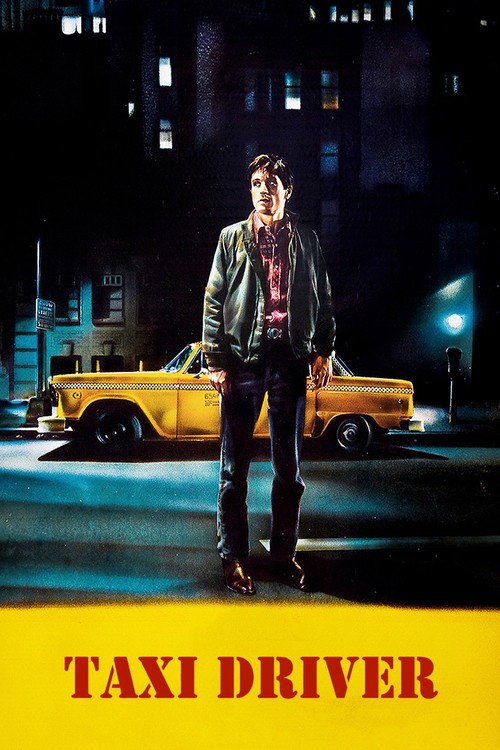
Taxi Driver1976
The same director, Martin Scorsese, channeling urban rage and trauma through a protagonist spiralling toward violence. DeNiro's performance is a masterclass in quiet menace and fractured psychology.
But Deliberately slow-burn and bleak, with a controversial ending that some find narratively unsatisfying or morally ambiguous in ways that stick with you uncomfortably.
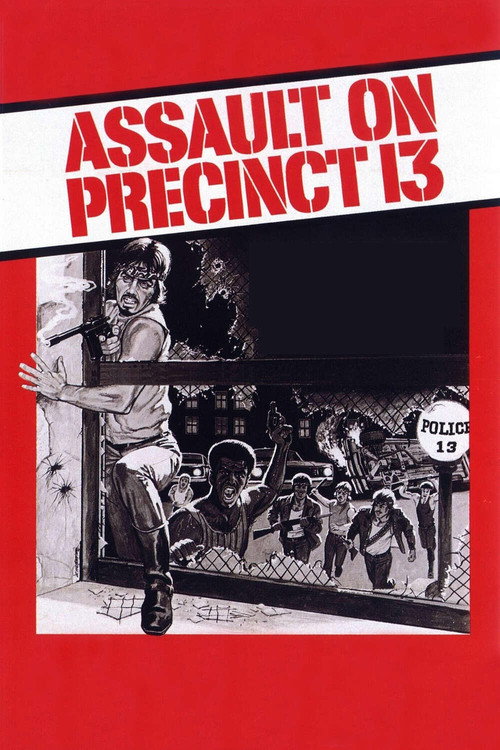
Assault on Precinct 131976
John Carpenter's siege thriller shares Rolling Thunder's lean, economical style and its faith in audience intelligence. Escalating tension, minimal exposition, maximum dread with a fraction of the budget.
But The pacing is glacial by modern standards, and the plot hinges on coincidences that require patience to accept without questioning.
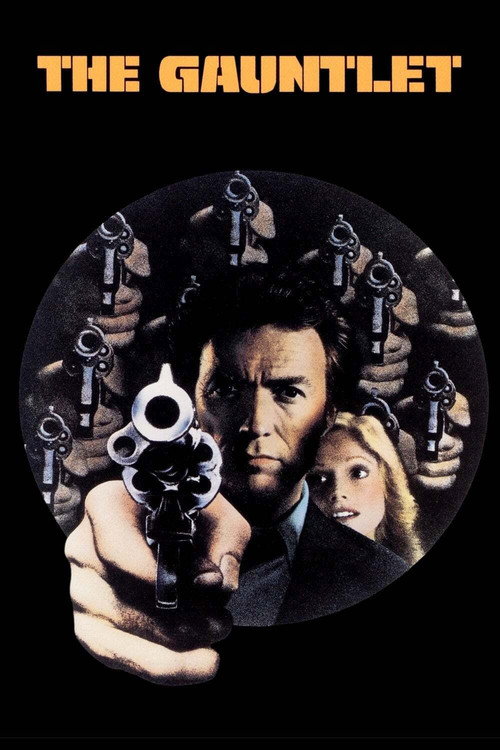
The Gauntlet1977
Clint Eastwood as a cop protecting a witness through waves of relentless pursuit. Same year, same fury, same obsession with a man stripped down to survival instinct and calculation.
But It's more action-movie than character study, and the vigilante fantasy is played entirely straight with no irony to soften its appeal.
Not sure tonight? Get a pick in a minute, starting from Rolling Thunder
The wildcard
Something you would not have found on your own.
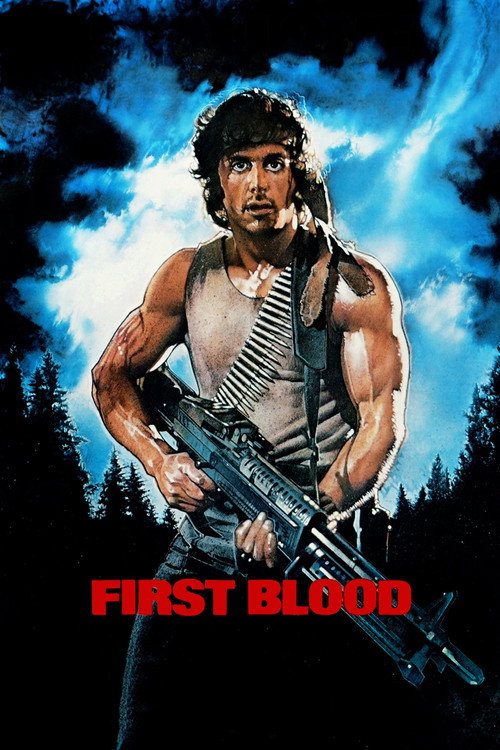
First Blood1982
Both pit a damaged vet against a system that made him what he is. Both understand that trauma doesn't resolve, it compounds. Both end with the wound still open.
A Vietnam vet hunted in his own country, pushed past breaking point. But Ted Kotcheff's film uses Rambo as a study of PTSD and state violence, not an action hero—the violence erupts from trauma, not triumph, and the ending acknowledges that cost.
But If you know the sequels, the original's introspection feels like a bait-and-switch. It's also less cathartic—the revenge is pyrrhic, the man is broken at the end.
More like this (8)
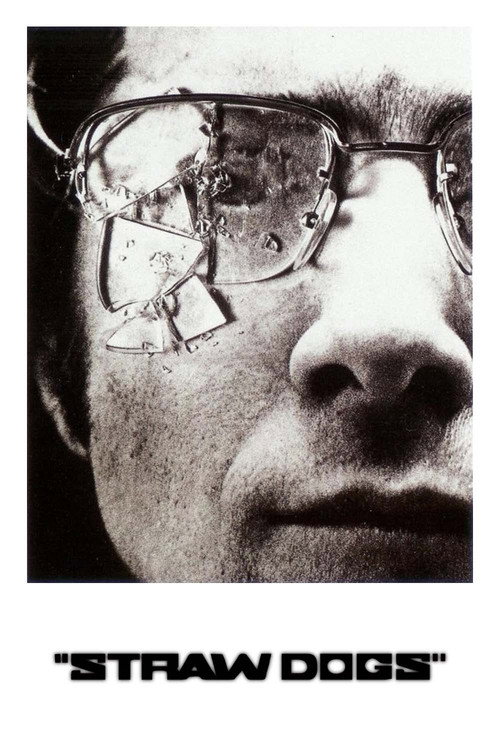
Straw Dogs1971
Peckinpah's masterpiece of a man's slow-burn transformation into violence. Methodical build, explosive climax, and unforgettable moral questions about masculinity and survival that linger after the credits.
But The sexual violence is graphic and disturbing in ways that overshadow everything else for many viewers. It hasn't aged well in how it frames those scenes.
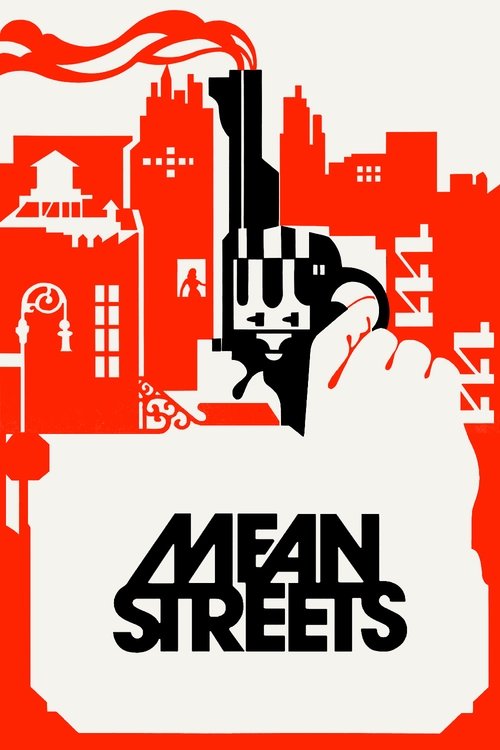
Mean Streets1973
Scorsese again, but here with Harvey Keitel trapped in a world where loyalty and pride collide with survival. The violence feels personal because the relationships are real—devastating.
But It's episodic and character-focused rather than plot-driven, and some find the ending frustratingly unresolved.
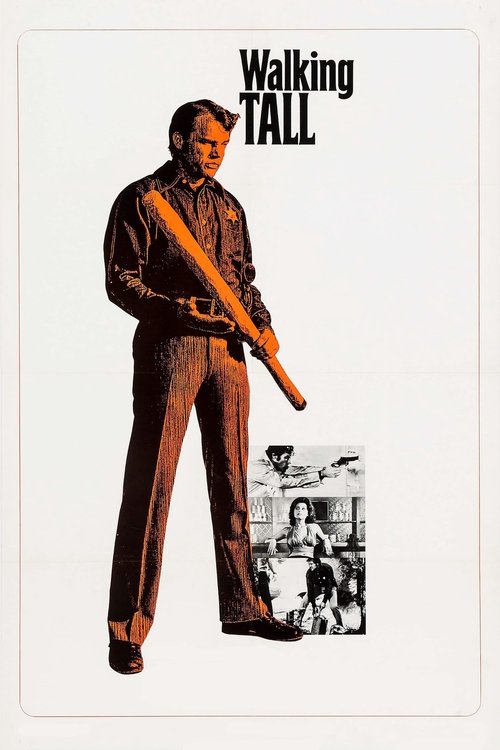
Walking Tall1973
Joe Don Baker as a former boxer who becomes sheriff and wages one-man war on corruption in a small town. Straightforward revenge fantasy executed with genuine conviction and a great rock-solid hero.
But It's earnest to the point of naïveté, and the one-dimensional bad guys and tidy moral universe feel quaint compared to Rolling Thunder's moral ambiguity.
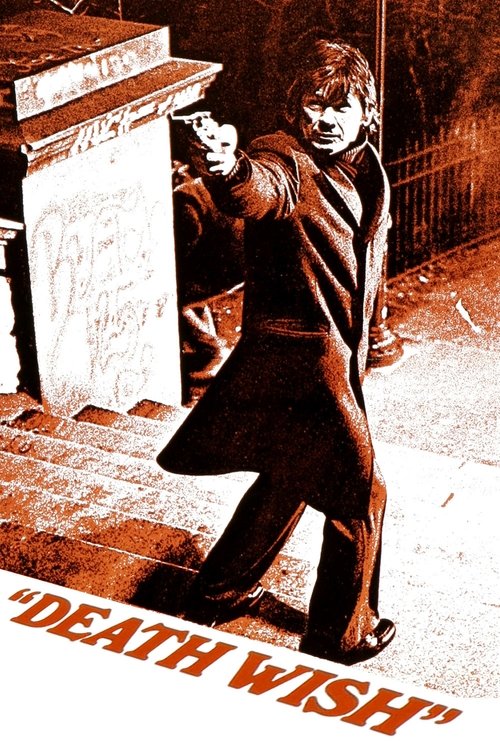
Death Wish1974
Charles Bronson's Charles Bronson's NYC vigilante after a home invasion echoes Rolling Thunder's core wound, but Michael Winner takes it in a more explicit, almost fascistic direction that's undeniably gripping.
But It's schlocky and flag-waving in ways that can feel like it's punching down, and the serial-killer-as-hero fantasy is less nuanced than it thinks.
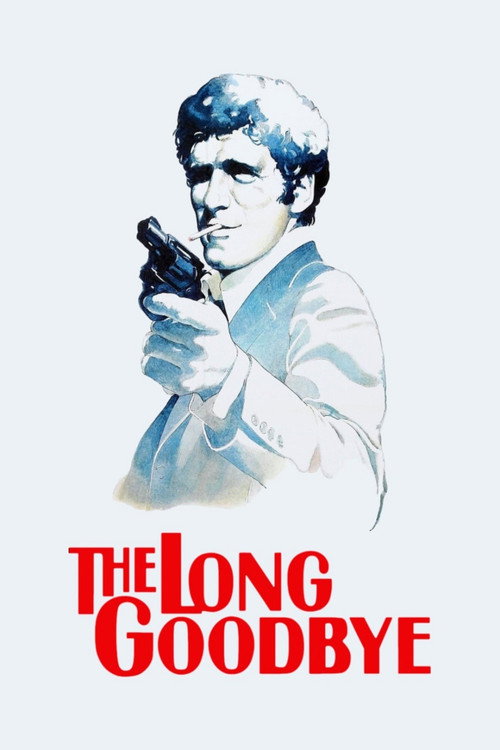
The Long Goodbye1973
Altman's slouchy, revisionist take on Chandler finds Elliott Gould as Marlowe in a world indifferent to his code. Deceptively laid-back until violence arrives—then the contrast is devastating.
But The pacing is glacial and the non-ending baffles people who want resolution. Altman's filmmaking can feel like he's not trying, when he's actually being precise.
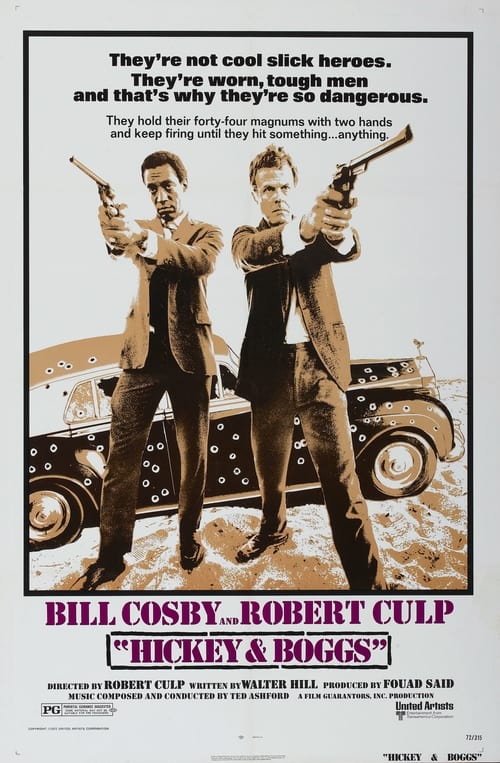
Hickey & Boggs1972
Bill Cosby and Robert Culp as burnt-out detectives in a neo-noir that predates much of the '70s crime wave. Gritty, lived-in, with a real sense of exhaustion beneath the procedural beats.
But It's obscure for a reason—the plot meanders and the pacing tests patience. The two leads don't quite have the chemistry the story needs.
The Ballad of Little Jo1993
Both are character studies of isolation and reinvention. Both trust the audience to read what's unsaid. Both feature protagonists who've learned that emotional vulnerability is a liability.
Maggie Greenwald's western about a woman passing as a man, surviving alone in a harsh landscape. Shot in cool, precise tones with long silences and an unflinching eye—formally restrained in a way that honors the protagonist's self-control.
But It's a slow, meditative film about survival and gender that has no action set pieces. Some find it too austere or too interested in historical accuracy over narrative momentum.

Possession1981
Both explore how rage and trauma warp perception until the protagonist can no longer distinguish between retribution and self-destruction. Both are merciless about the cost of violence.
Andrzej Żuławski's fever-dream chamber piece about a marriage collapsing into violence and madness. Isabelle Adjani gives one of cinema's most unhinged performances. It's expressionist and excessive where Rolling Thunder is spare, but shares an obsession with how trauma fractures the self.
But It's genuinely difficult to watch—operatic, grotesque, and bizarre in ways that feel self-indulgent. The horror-film elements are surreal rather than grounded, and the pacing is chaotic by design.

People
Cast
 William DevaneMajor Charles Rane
 Tommy Lee JonesJohnny Vohden
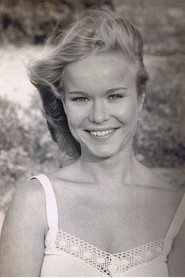 Linda HaynesLinda Forchet
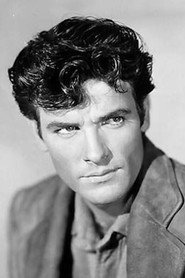 James BestTexan
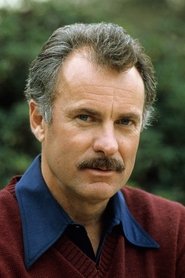 Dabney ColemanMaxwell
 Lisa Blake RichardsJanet
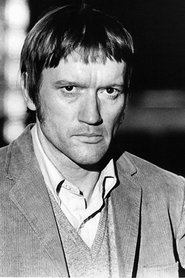 Luke AskewAutomatic Slim
- Lawrason DriscollCliff
- James VictorLopez
 Cassie YatesCandy
- Jordan GerlerMark
- Jane AbbottSister
Directing
- Joseph LenziAssistant Director
- John FlynnDirector
- Frank TudiscoScript Supervisor
- Richard A. WellsSecond Assistant Director
Writing
- Paul SchraderOriginal Story
- Heywood GouldScreenplay
- Paul SchraderScreenplay
Production
- Jane FeinbergCasting
- Mike FentonCasting
- Lawrence GordonExecutive Producer
- Samuel Z. ArkoffExecutive Producer
- Norman T. HermanProducer
- Elaine GyorkeProducer's Assistant
- David SheldonProduction Executive
- Tony WadeProduction Manager
Recommended by
The Exterminator, Runaway Train, Cherry, Harry & Raquel!, Blue Thunder, Grindhouse, Breaker! Breaker!, Badge 373, Vigilante, Prime Cut, Chrome and Hot Leather, The Born Losers, Rebel Rousers, The Take, Renegades, Jackson County Jail, Mr. Majestyk, The Warriors: The Way Home, Hell's Angels '69, Death Wish II, Streets of Justice, The Annihilators, Exterminator 2, White Line Fever, Eye of the Tiger