
Film
Grindhouse
- Car-chase action
- Relentless
A love letter to exploitation cinema wrapped in a deliberately pulpy double feature. Two directors—Rodriguez and Tarantino—crack the knuckles of grindhouse aesthetics: missing reels, scratched film stock, fake trailers, and the gleeful chaos of B-movies that don't apologize. It's messy, audacious, and absolutely not for everyone, but if you're drawn to cinema that wears its influences without shame, this is essential.
Should you watch it?
Watch it if you love grubby, scratched-up 1970s exploitation pictures and want two loving, lurid genre pastiches with the pleasure of a bad print and a fake trailer between them.
Skip it if you find violence against women hard to sit through, or gore played for laughs leaves you cold; the second half lingers on cruelty.
What it asks of you: Over three hours split into two films, with deliberately scratched, jumpy prints and slow stretches of talk before anything happens, so settle in and let it wander.
Not sure? Find tonight's pick in a minute.
If you liked this
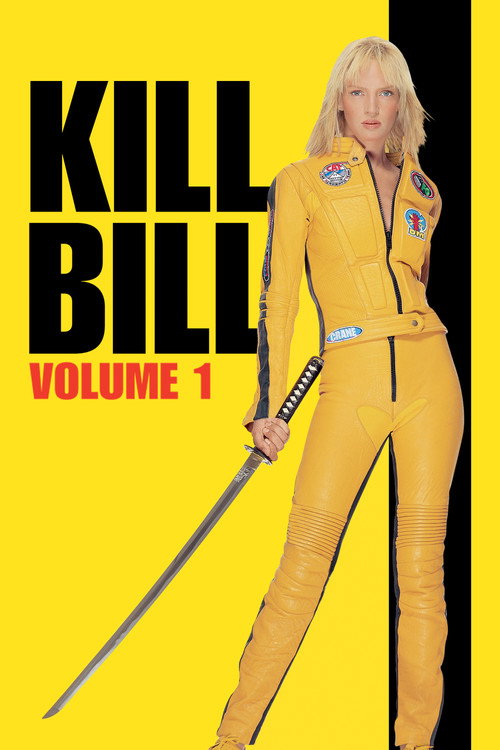
Kill Bill: Vol. 12003
Tarantino's celebration of genre cinema and revenge fantasy at maximum throttle. If you loved Death Proof's confident swagger and car-crash violence, this is where he first proved he could sustain that energy for two hours straight.
But It's deliberately artificial in a way that can feel cold. The story matters less than the texture, which some find frustrating rather than fun.
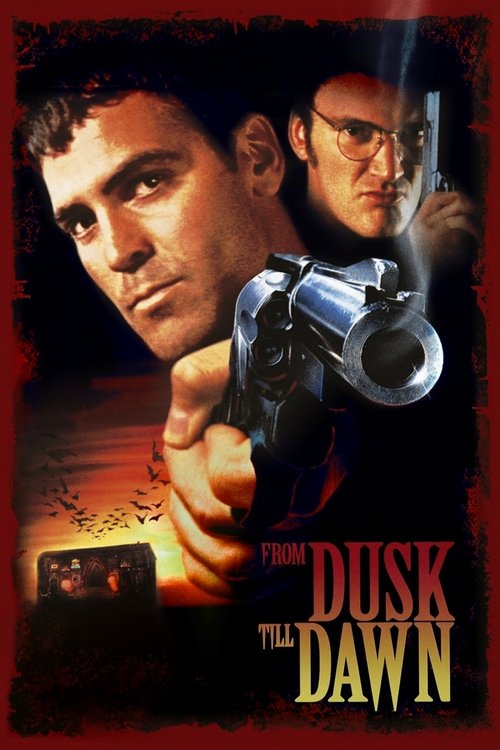
From Dusk Till Dawn1996
Rodriguez directs Tarantino's script about bank robbers and vampires. It has the same tone-deaf genre mashup energy and practical creature effects that made grindhouse cinema fun.
But The tonal whiplash between crime thriller and horror-comedy doesn't land equally for everyone. It's either exhilarating or exhausting.
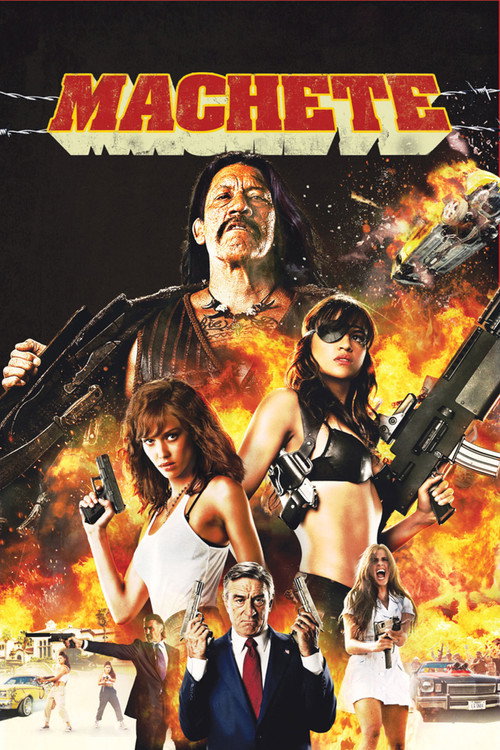
Machete2010
Rodriguez expanding one of Grindhouse's fake trailers into a feature. Deliberately low-rent action cinema with Danny Trejo as an unstoppable force of nature. It understands exactly what it is.
But The politics are loud and unsubtle. The action can feel repetitive if you're not charmed by the B-movie aesthetic doing the heavy lifting.
Not sure tonight? Get a pick in a minute, starting from Grindhouse
The wildcard
Something you would not have found on your own.
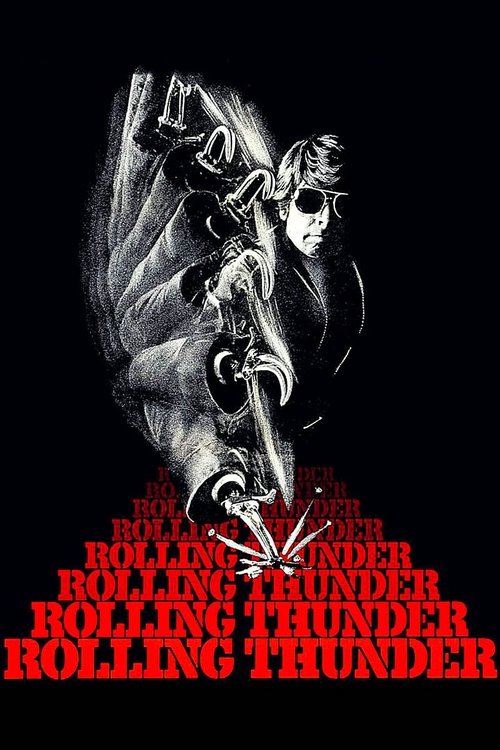
Rolling Thunder1977
Both are love letters to genre cinema, but Rolling Thunder is the actual artifact Tarantino learned from—it's the real thing, not the pastiche.
An obscure revenge film from the tail end of the grindhouse era that Tarantino clearly studied: a Vietnam vet with a hook for a hand, vigilante justice, and a camera that treats violence as something real and consequential. It's the ancestor that taught him the syntax.
But It moves slowly and without modern pacing. The 1970s aesthetic feels genuinely dated rather than stylized, which can read as slow rather than suspenseful.
More like this (6)
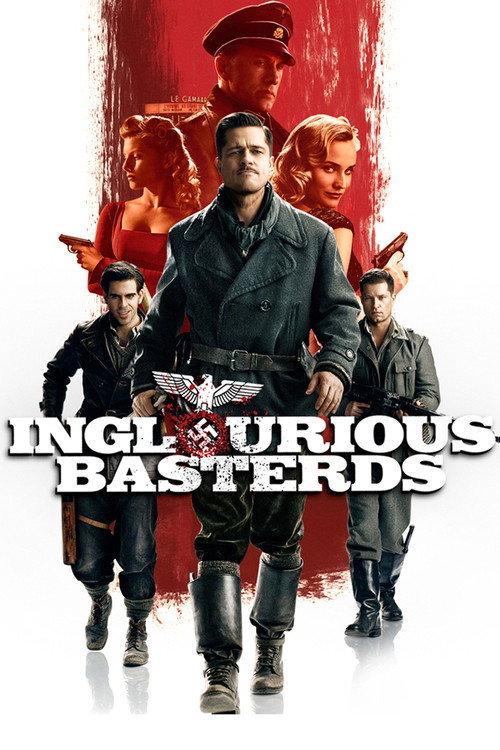
Inglourious Basterds2009
Tarantino proving he could take exploitation cinema—men on a mission, World War II pulp—and make something baroque and genuinely transgressive. Brad Pitt's performance alone justifies the runtime.
But It's three hours of mostly talk with a finale that rewrites history in a way that feels more interested in fantasy than consequence. That's the point, but it won't work for everyone.
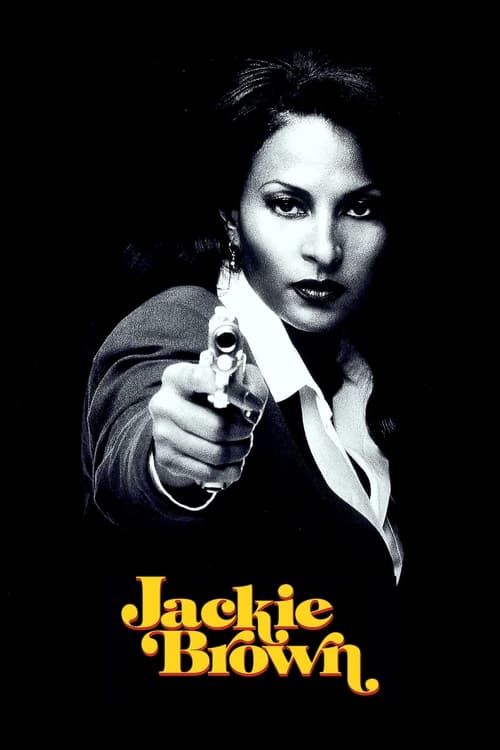
Jackie Brown1997
Tarantino in a generous mood, letting his camera sit with actors like Pam Grier and Robert Forster. It's a heist film that prioritizes character and situation over spectacle—proof he can make you care.
But The pacing is deliberate. If you're expecting the kinetic energy of his revenge films, you might find this contemplative.
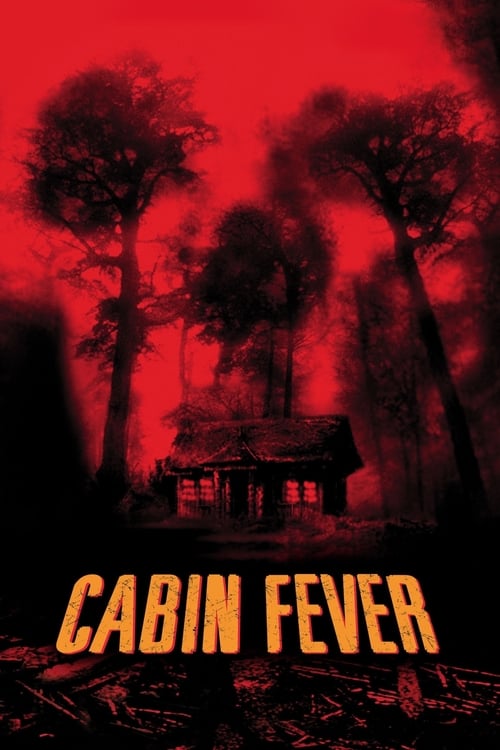
Cabin Fever2003
Rodriguez's feature about young people isolated with a flesh-eating virus. It's grimy, mean-spirited body horror with no safety net and genuine dread underneath the gross-out humor.
But The characters are often unsympathetic, and the film doesn't let you off the hook emotionally. It's unpleasant in ways that feel deliberate and sometimes exhausting.
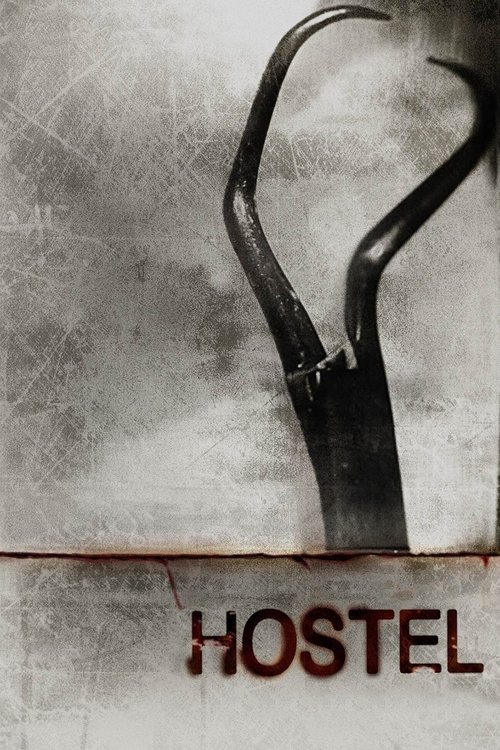
Hostel2006
Roth's torture-porn thriller has the same amoral energy and willingness to make you uncomfortable that Grindhouse wears proudly. It's genuinely intense and doesn't pretend the violence is okay.
But It's extremely graphic and misanthropic. The film offers no moral comfort and doesn't seem interested in one. That's either brave or alienating.
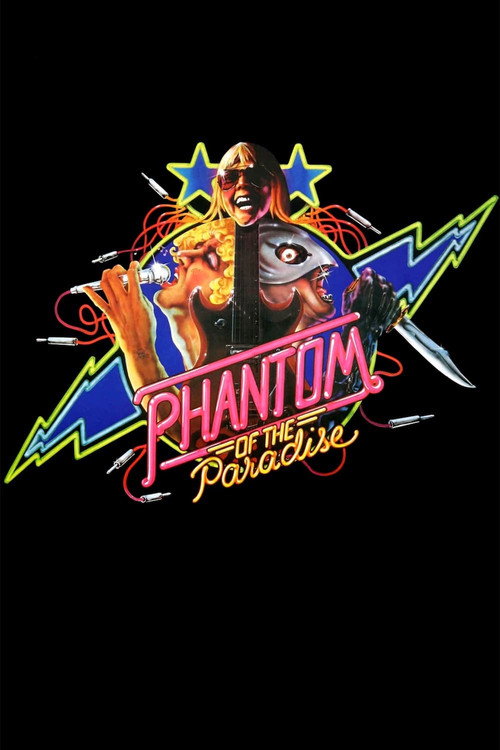
Phantom of the Paradise1974
Both make spectacle from genre clichés, but where Grindhouse is celebratory, Phantom is melancholic. It's what happens when you love B-movies but have genuine sadness to express.
De Palma's baroque horror-musical about a composer and a Faustian record deal. It has Grindhouse's DNA—genre mashup, practical effects, over-the-top violence—but it's arty and tragic rather than pulpy. A true one-of-a-kind.
But The tone is deliberately uneven in ways that feel experimental rather than fun. If you need consistency or emotional clarity, it will feel scattered and pretentious.
Possession1981
Both use exploitation imagery—gore, chaos, bodies in danger—but Possession uses it as the grammar of real emotional pain. It proves the vocabulary Grindhouse celebrates can carry genuine weight.
Andrzej Żuławski's Polish horror film about marital breakdown as literal body horror. It has violence and viscera like Grindhouse, but it's using them to express psychological devastation. Genuinely alien and deeply moving.
But The dialogue is stilted, the editing fractured, and the creature effects are confusing. It's deliberately difficult and won't let you relax into entertainment.

People
Cast
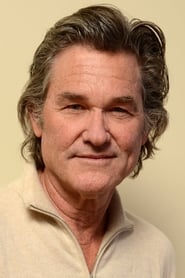 Kurt RussellStuntman Mike (segment "Death Proof")
 Rose McGowanPam (segment "Death Proof") / Cherry (segment "Planet Terror")
 Zoë BellHerself (segment "Death Proof")
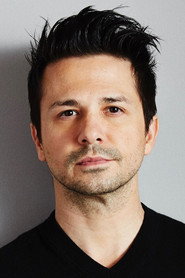 Freddy RodríguezWray (segment "Planet Terror")
 Rosario DawsonAbernathy (segment "Death Proof")
 Marley SheltonDr. Dakota Block (McGraw) (segment "Death Proof") / Dakota (segment "Planet Terror")
 Vanessa FerlitoButterfly (segment "Death Proof")
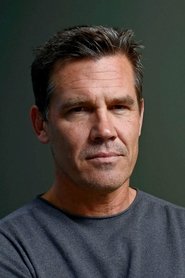 Josh BrolinBlock (segment "Planet Terror")
 Sydney Tamiia PoitierJungle Julia (segment "Death Proof")
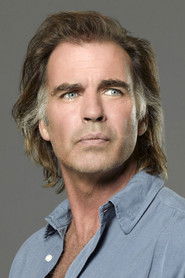 Jeff FaheyJT (segment "Planet Terror")
 Mary Elizabeth WinsteadLee Montgomery (segment "Death Proof")
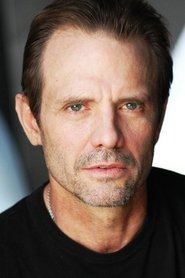 Michael BiehnSheriff Hague (segment "Planet Terror")
Directing
- Quentin TarantinoDirector
- Robert RodriguezDirector
- Edgar WrightOther
- Eli RothOther
- Jason EisenerOther
- Rob ZombieOther
Writing
- Edgar WrightOther
- Eli RothOther
- Jason EisenerOther
- Jeff RendellOther
- John DaviesOther
- Rob CotterillOther
- Rob ZombieOther
- Quentin TarantinoWriter
- Robert RodriguezWriter
Production
- Pilar SavoneAssociate Producer
- Tom ProperAssociate Producer
- Mary VernieuCasting
- Bob WeinsteinExecutive Producer
- Harvey WeinsteinExecutive Producer
- Sandra ConditoExecutive Producer
- Shannon McIntoshExecutive Producer
- James W. SkotchdopoleLine Producer
- Andrew G. La MarcaOther
- Andy GouldOther
- Daniel FrischOther
- Eli RothOther
- Gabriel RothOther
- Rob CotterillOther
- Elizabeth AvellanProducer
- Erica SteinbergProducer
- Quentin TarantinoProducer
- Robert RodriguezProducer