
Film
Inglourious Basterds
Tarantino rewrites World War II as pulpy wish-fulfillment, splicing spaghetti-western style dialogue duels with scalp-hunting GIs and a teenage cinema owner plotting her own revenge. It's talky, gorgeous, occasionally shockingly violent, and structured like a string of tense short stories that all detonate at once. Best for people who like their history rewritten with real style and don't need it to be respectful.
If you liked this
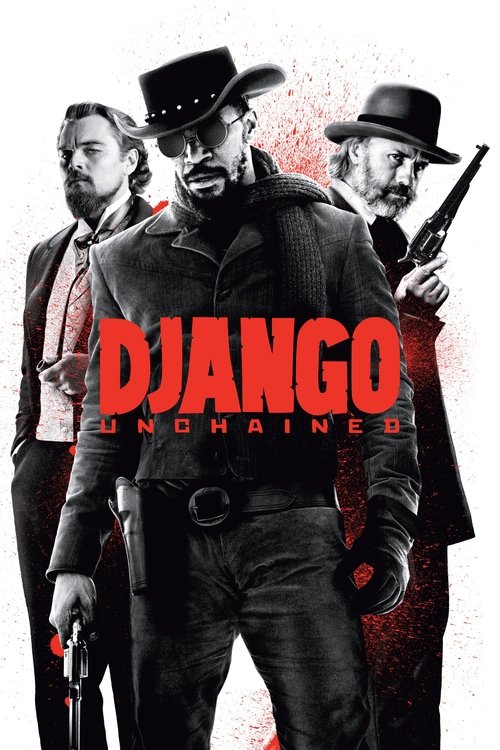
Django Unchained2012
Tarantino applies the same formula — historical atrocity, righteous violence, a villain you love to hate — to American slavery, with Christoph Waltz again stealing scenes as a very different kind of European.
But It's even longer and even bloodier; if Basterds' violence felt like a lot, this pushes further.','yearHint':2012
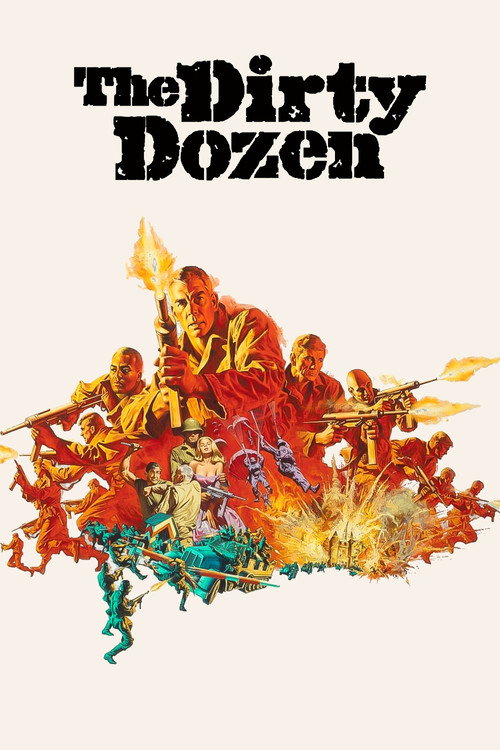
The Dirty Dozen1967
The original ragtag-squad-behind-enemy-lines classic — condemned men turned into a WWII sabotage unit, gritty and morally murky in ways that clearly seeded Tarantino's Basterds.
But Slower, more conventional filmmaking by 2009 standards, with none of the postmodern dialogue games or genre-bending.
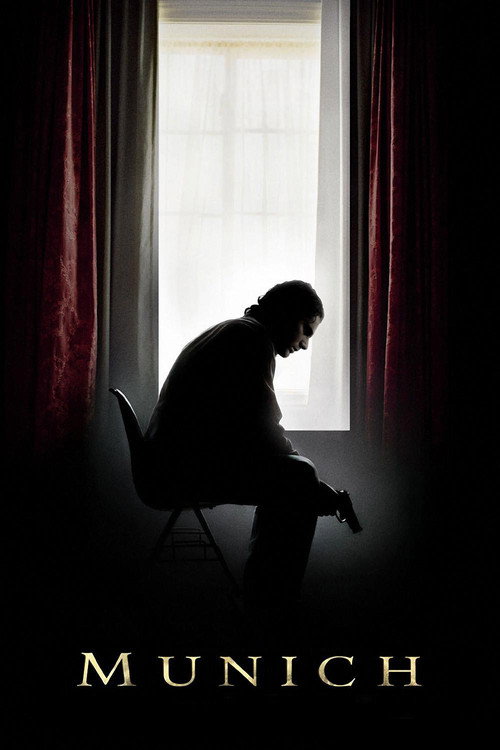
Munich2005
Spielberg's tense, morally exhausted thriller about Israeli agents hunting the perpetrators of the Munich massacre asks the harder question Basterds skips: what does revenge actually cost the people carrying it out?
But It's grim, deliberately joyless, and offers none of the cathartic pleasure of watching Nazis get their comeuppance.
The wildcard
Something you would not have found on your own.
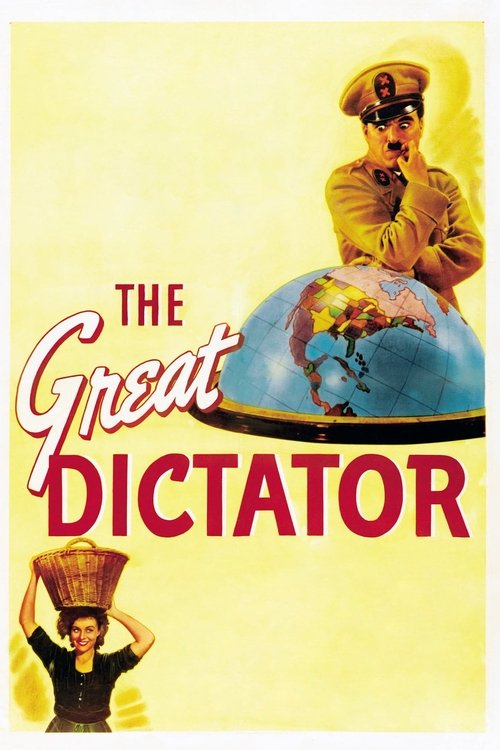
The Great Dictator1940
Basterds ends with cinema literally burning down Hitler as historical fantasy; Chaplin made a film attacking Hitler in real time, with real stakes, not the luxury of hindsight. Same weapon, wielded decades apart.
Chaplin's satire, made while Hitler was alive and the war was just beginning, ends with a barber mistaken for a dictator delivering a direct, unguarded plea against fascism — comedy as an actual act of wartime defiance.
But The tonal register is pure silent-era slapstick and stagey rhetoric; it will feel formally distant, even quaint, next to Tarantino's kinetic style.
People
Cast
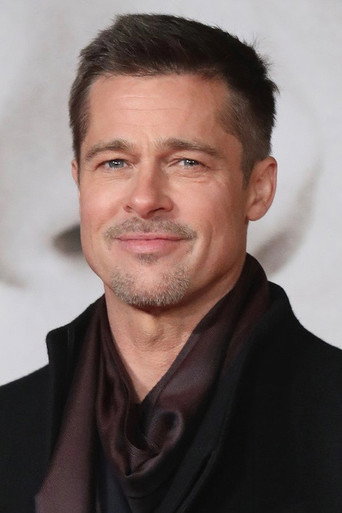 Brad PittLT. Aldo Raine
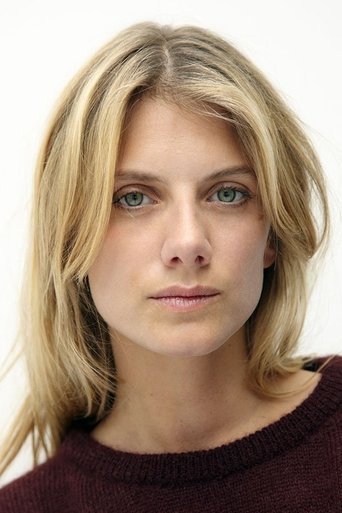 Mélanie LaurentShosanna
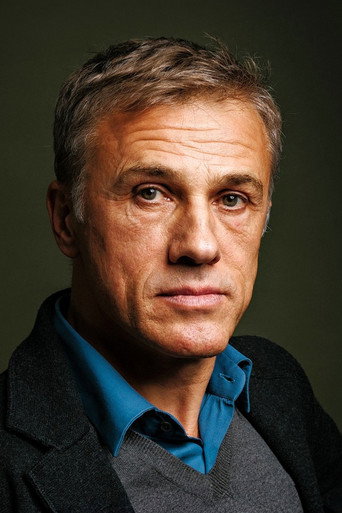 Christoph WaltzCOL. Hans Landa
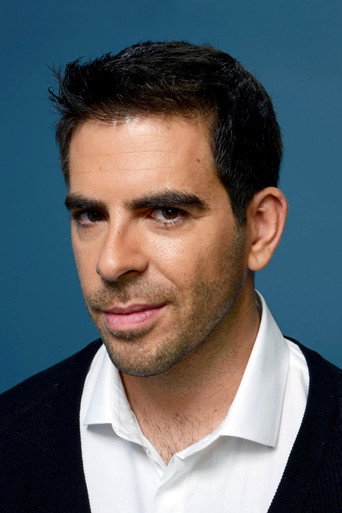 Eli RothSGT. Donny Donowitz
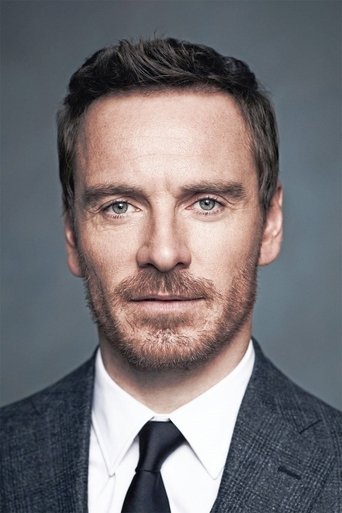 Michael FassbenderLT. Archie Hicox
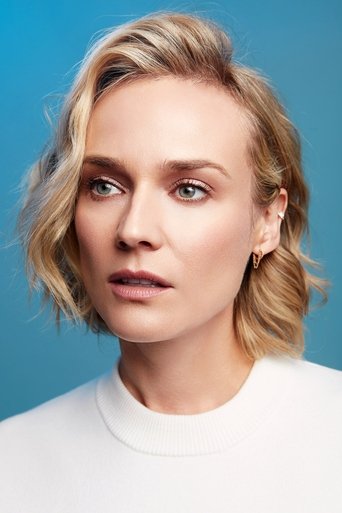 Diane KrugerBridget von Hammersmark
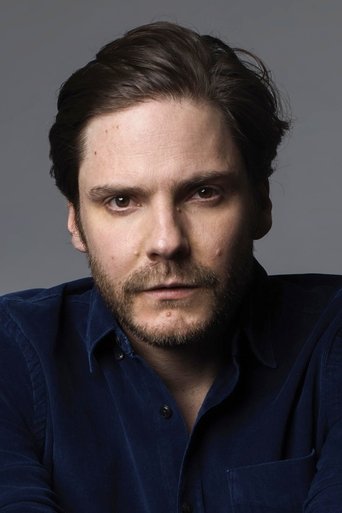 Daniel BrühlFredrick Zoller
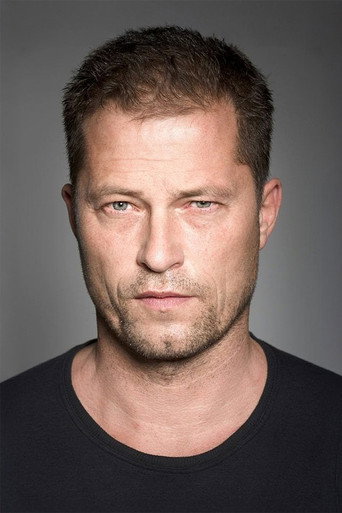 Til SchweigerSGT. Hugo Stiglitz
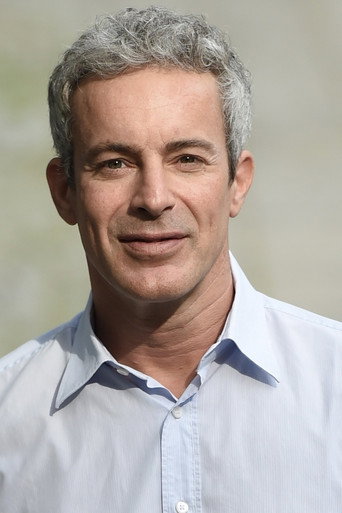 Gedeon BurkhardCPL. Wilhelm Wicki
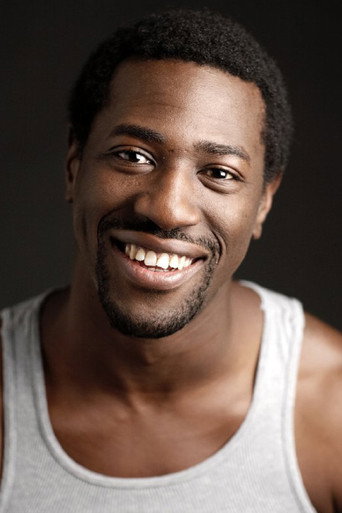 Jacky IdoMarcel
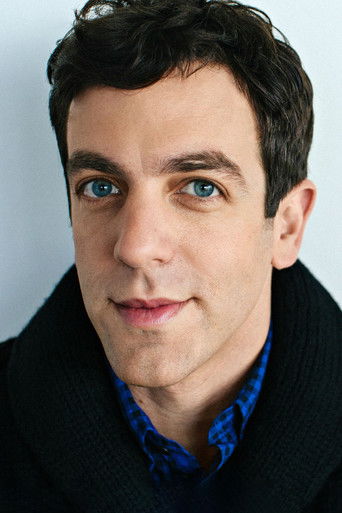 B.J. NovakPFC. Smithson Utivich
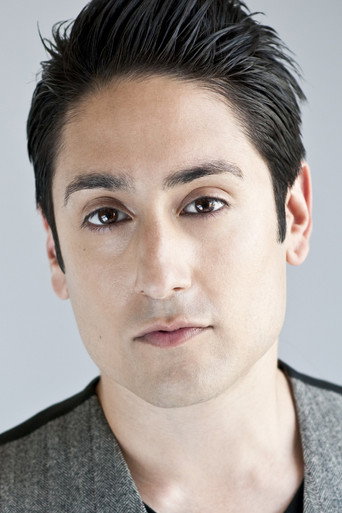 Omar DoomPFC. Omar Ulmer
Directing
- Carlos FidelAssistant Director
- Quentin TarantinoDirector
- Martin KitrosserScript Supervisor
Writing
- Quentin TarantinoWriter
Production
- Bruce MoriartyAssociate Producer
- Pilar SavoneAssociate Producer
- William Paul ClarkAssociate Producer
- Jenny JueCasting
- Johanna RayCasting
- Olivier CarboneCasting
- Simone BärCasting
- Carl WoebckenCo-Producer
- Christoph FisserCo-Producer
- Henning MolfenterCo-Producer
- Bob WeinsteinExecutive Producer
- Erica SteinbergExecutive Producer
- Harvey WeinsteinExecutive Producer
- Lloyd PhillipsExecutive Producer
- Klaus Große DarrelmannLocation Manager
- Sheryl BenkoPost Production Coordinator
- Lawrence BenderProducer
- Gregor WilsonUnit Production Manager
- Michael ScheelUnit Production Manager
Recommended by
Valkyrie, To Be or Not to Be, Rogue One: A Star Wars Story, The Dirty Dozen, Army of Shadows, Jojo Rabbit, Black Book, Operation Finale, Captain America: The First Avenger, Kelly's Heroes, Django Unchained, Once Upon a Time... in Hollywood, Kill Bill: Vol. 2, The Eagle Has Landed