
Film
Europa Europa
- Drama
- Very dark
A Jewish boy separated from his family early in WWII survives by assuming a German identity and infiltrating Nazi society itself—even the Hitler Youth. Director Agnieszka Holland crafts a tense, darkly intimate portrait of impossible survival, where the protagonist's greatest enemy becomes his own fractured conscience. It's unsettling and ingenious.
Should you watch it?
Watch it if you like true-life survival stories that stay restless and sly, where a young man's wits and nerve carry the film through absurd, frightening situations without tipping into easy sentiment.
Skip it if you want a grounded, sombre account of the war; this one is episodic, often farcical in its tone, and it can feel slippery when you want the story to settle.
What it asks of you: Just under two hours, with a brisk, picaresque rhythm that jumps across places and years, so you need to keep track of who he is pretending to be at each stop.
Not sure? Find tonight's pick in a minute.
If you liked this
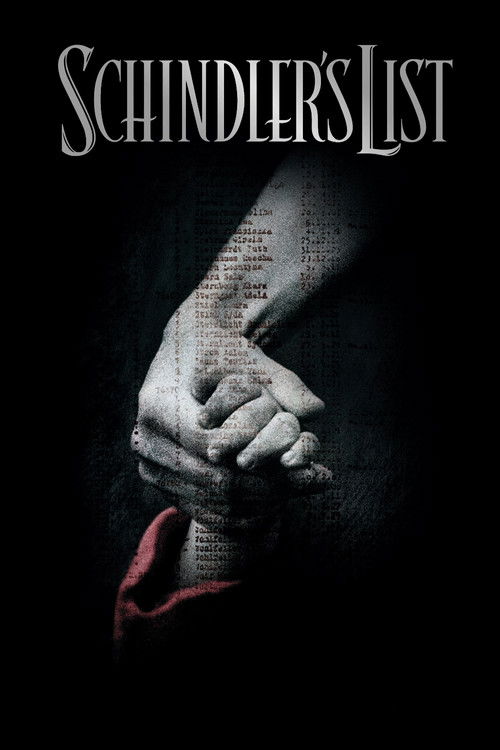
Schindler's List1993
Spielberg's masterwork about a man who saves over a thousand Jews by exploiting his position within the Nazi system. Like Europa Europa, it finds moral complexity in impossible circumstances and asks what survival demands of us.
But Nearly four hours of unflinching Holocaust documentation. Emotionally devastating rather than cathartic. Not a film you watch for enjoyment.
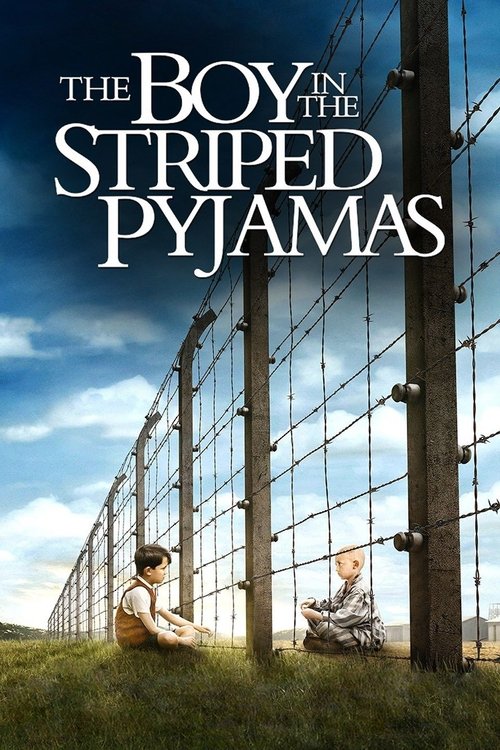
The Boy in the Striped Pyjamas2008
A boy's-eye view of the Holocaust told through innocence colliding with horror. It shares Europa Europa's approach: using a young protagonist's perspective to defamiliarise incomprehensible evil and expose the psychological cost of deception.
But The ending has infuriated historians and survivors for its narrative choices. Some find it manipulative rather than illuminating.
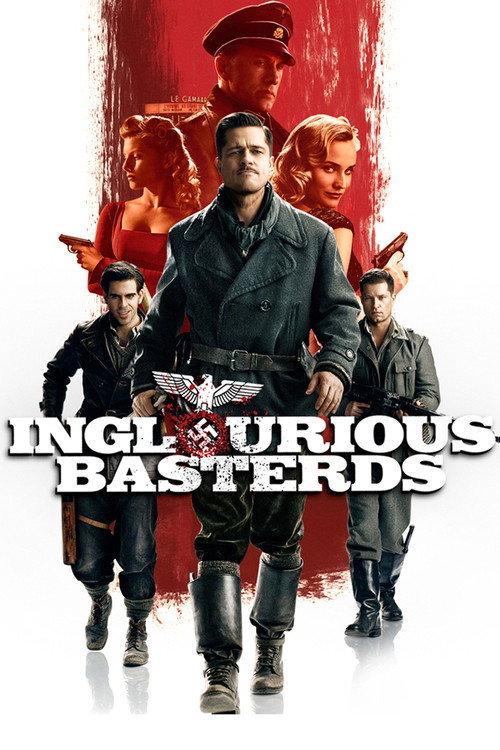
Inglourious Basterds2009
Tarantino's revenge fantasy where a Jewish soldier infiltrates Nazi society in disguise. It mirrors Europa Europa's central conceit—passing as German—but inverts the moral weight entirely, turning infiltration into triumphant subversion rather than desperate survival.
But Tarantino's maximalism and graphic violence may trivialise the subject matter for some. The tone is deliberately, provocatively unserious.
Not sure tonight? Get a pick in a minute, starting from Europa Europa
The wildcard
Something you would not have found on your own.
The Serpent2021
Both are true stories of men whose survival depends entirely on the fluidity of identity and the ability to convince others they are someone they're not. But where Europa Europa finds tragedy in that necessity, The Serpent finds seduction in the performance itself.
A high-wire psychological thriller miniseries about con artist Charles Sobhraj in the 1970s. Like Sally in Europa Europa, Sobhraj is a man who survives by becoming whoever he needs to be—charming, calculating, shapeshifting across identities and borders. But here the deception is predatory rather than desperate, and the show revels in it.
But The protagonist is deeply unlikeable and increasingly monstrous. If you want moral clarity, this offers none. The miniseries format means commitment.

More like this (8)
The Pianist2002
Another Polish-Jewish survival story during WWII, but told through a musician's hiding and the kindness of strangers. Polanski's restrained direction creates unbearable tension from silence and waiting, much like Holland's approach in Europa Europa.
But Relentlessly grim with little reprieve. The protagonist's passivity may feel frustrating rather than tragic to some viewers.

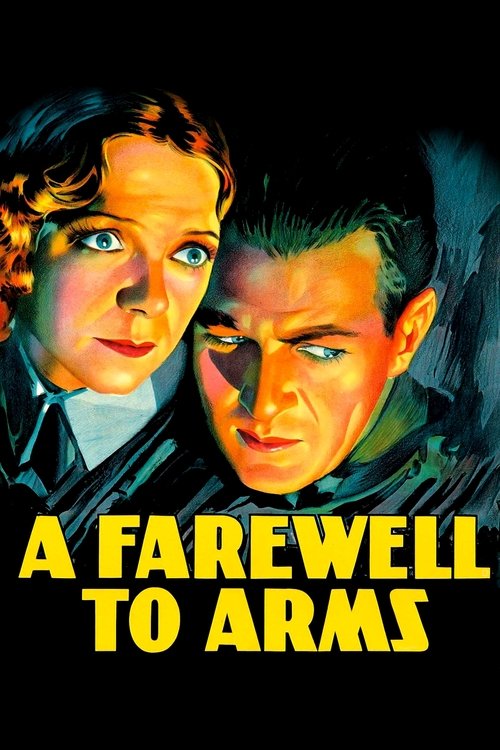
A Farewell to Arms1932
Borzage's film about an American ambulance driver and a British nurse amid WWI chaos explores survival through deception and assumed identities across enemy lines. The template for intimate war stories told through personal rather than historical scale.
But Made during the early sound era; the pacing and dialogue feel glacial by modern standards. Romance subplot may seem sentimental now.
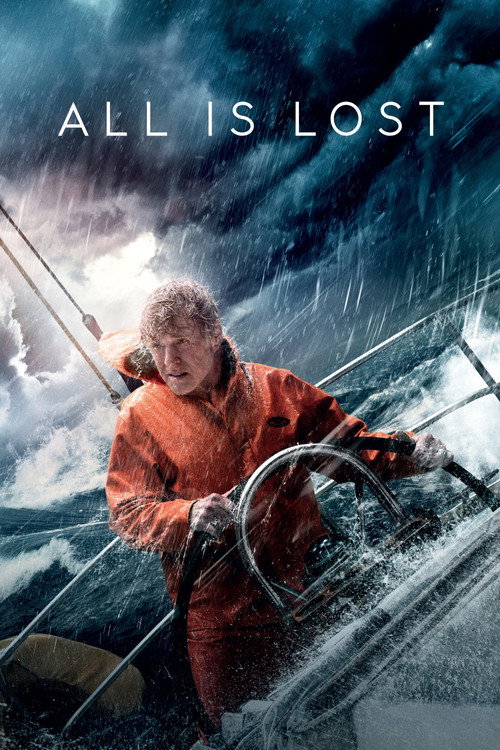
All Is Lost2013
A man alone against impossible odds, stripped of identity and language, fighting for survival through cunning and will. Though unrelated to war, it captures the same psychological intensity: resourcefulness as the only weapon left.
But Almost entirely without dialogue or human contact. If you need connection or conversation to stay engaged, this will feel punishing rather than gripping.
Come and See1985
A Soviet masterpiece about a teenage boy conscripted into WWII and the systematic obliteration of his humanity. Equally unflinching as Europa Europa but purely from the perspective of the destroyed rather than the survivor playing a role.
But Possibly the most harrowing war film ever made. Extended scenes of graphic brutality. Not therapeutic or cathartic—genuinely traumatic cinema.

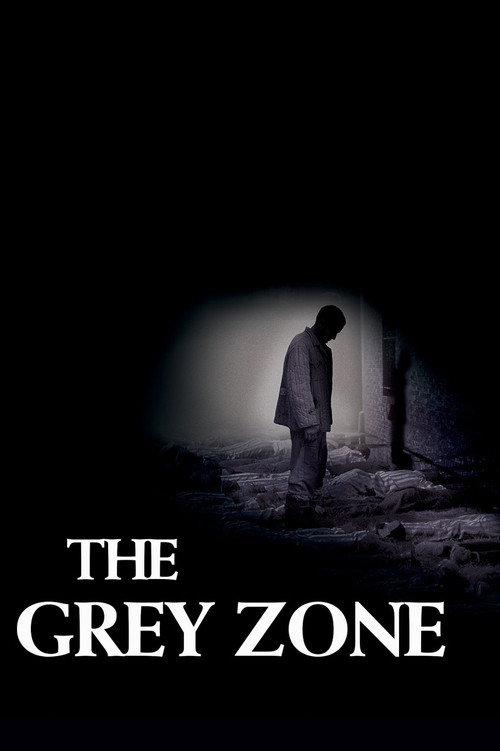
The Grey Zone2001
A film about the Sonderkommando—Jewish prisoners forced to work the gas chambers—exploring moral compromise at the absolute extremity. Like Europa Europa, it refuses to judge survival and examines the impossible choices asked of the powerless.
But Deeply obscure and genuinely difficult. The acting is uneven and the pacing demands patience. Many will find it punishingly bleak for diminishing returns.
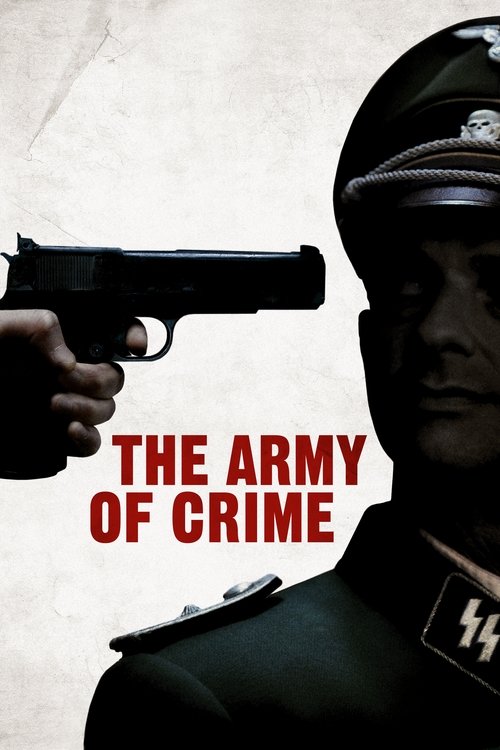
Army of Crime2009
A French film about Jewish resistance fighters in occupied Paris during WWII. Rather than survival through infiltration, it's survival through defiant action—a complement to Europa Europa's strategy of invisibility through impersonation.
But Less well-known and distributed; some plot threads feel underdeveloped. The balance between action film and historical drama occasionally tilts awkwardly.
Stalker1979
Both are European films about individuals moving through hostile ideological systems. Both use that movement—physical or psychological—as a metaphor for the impossibility of remaining unchanged by what surrounds you.
Tarkovsky's glacial masterpiece about a man guiding others through a mysterious zone toward a room that grants wishes. A Soviet film of almost unbearable slowness and philosophical weight, yet it shares Europa Europa's obsession: how do we navigate systems designed to destroy us? How do we preserve the self when the world demands its surrender?
But 163 minutes of philosophical science fiction with minimal plot. Long takes of empty rooms and conversations. Tests patience to breaking point; most viewers will find it impenetrable.

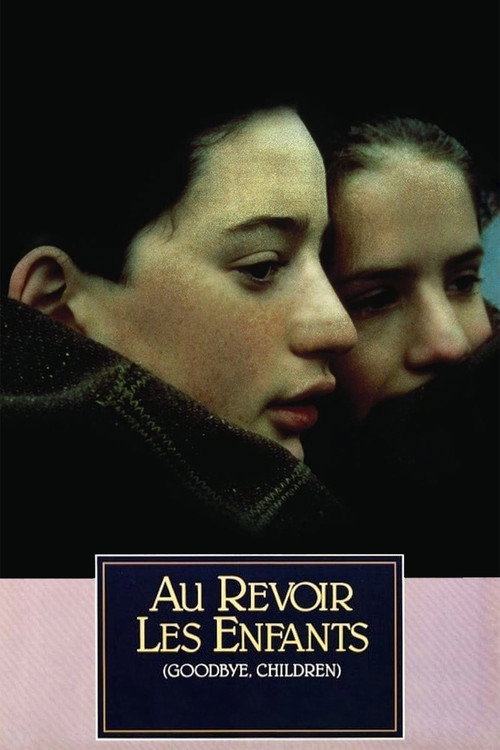
Au Revoir les Enfants1987
Both are about Jewish survival through false identity during WWII, but told from opposite vantage points. Where Europa Europa is interior—the strain of maintaining the lie—Malle's film is external, observing the lie from the outside. Together they form a complete picture of passing and being passed as.
Louis Malle's semi-autobiographical film about a Catholic boarding school in occupied France where a young boy gradually realises his best friend is a Jewish refugee hiding under an assumed name. The inverse of Europa Europa: told from the perspective of the one who doesn't know, watching identity unravel. Devastatingly precise about how easily secrets are kept and how catastrophically they are revealed.
But A quiet, subtle film that moves slowly. The drama is internal and conversational rather than plot-driven. Entirely dependent on your patience for understated storytelling.
People
Cast
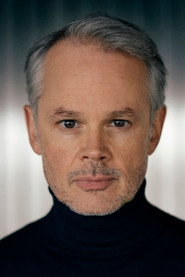 Marco HofschneiderSalomon 'Sally' Perel
 André WilmsRobert
 Ashley WanningerEric
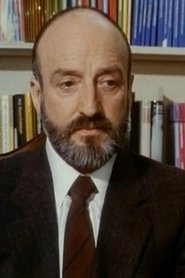 Klaus AbramowskySalomon's Father
 Michèle GleizerSalomon's Mother
 Delphine ForestInna
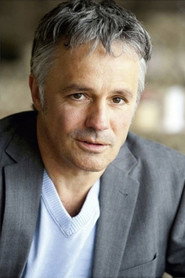 René HofschneiderIsaak Perel / Salomon's Brother
 Julie DelpyLeni
 Hanns ZischlerCaptain von Lerenau
 Martin Maria BlauUlmayer
- Bernhard HoweFeldwebel
- Klaus KowatschSchulz
Directing
- Agnieszka HollandDirector
Writing
- Solomon PerelBook
- Agnieszka HollandScreenplay
- Paul HenggeWriter
Production
- Janusz MorgensternExecutive Producer
- Lew RywinExecutive Producer
- Janusz MorgensternLine Producer
- Artur BraunerProducer
- Margaret MénégozProducer
- Christina UndritzSupervising Producer
Recommended by
The Pianist, Sunshine, The Counterfeiters, Soldier of Orange, Bent, It Happened Here