
Film
The Boy in the Striped Pyjamas
A German boy discovers a friend on the other side of a camp fence, unaware of what the fence actually separates. Told almost entirely through Bruno's incomprehension, it renders the Holocaust as something close to a fable — deliberately, uncomfortably so — before landing a gut-punch ending. A gentle-seeming introduction to unbearable subject matter; best watched with someone to talk to afterward.
If you liked this
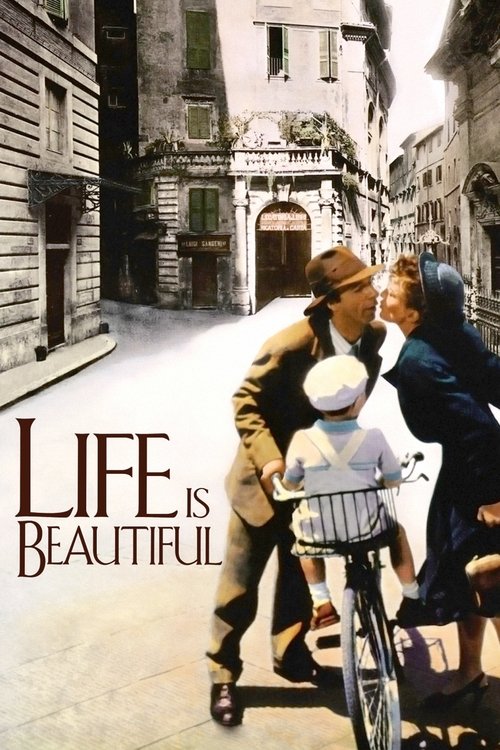
Life Is Beautiful1997
A father invents an elaborate game to shield his son from the truth of the camp they're trapped in — the same collision of childhood innocence and atrocity, played with far more warmth and invention.
But Its swings between comedy and horror can feel manipulative, and the ending lands just as hard as this one.
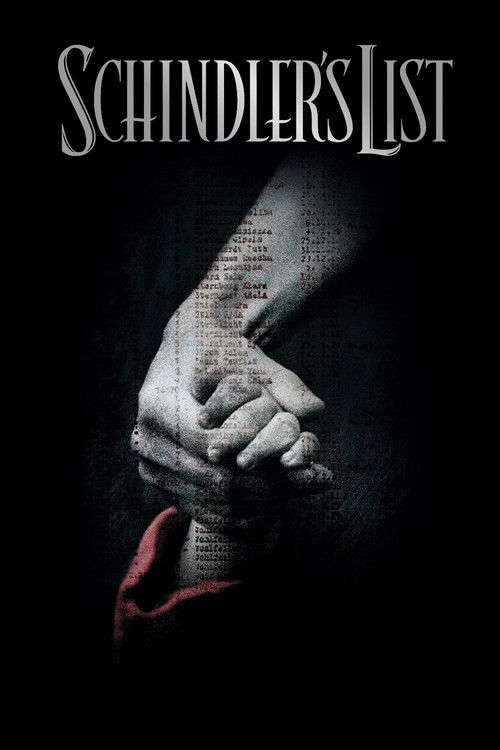
Schindler's List1993
The film every Holocaust story since has had to answer to — vast, precise, and unflinching about exactly what the fence in Bruno's story contains.
But Three hours, black and white, and utterly merciless. Not a casual watch, and it never tries to be one.
The Book Thief2013no page yet
Another child narrator, another German household hiding a terrible secret nearby — gentler in tone, with the same instinct to filter horror through a young, uncertain point of view.
But Softer and more polished than the subject strictly deserves; some will find it too pretty for what it's depicting.
The wildcard
Something you would not have found on your own.
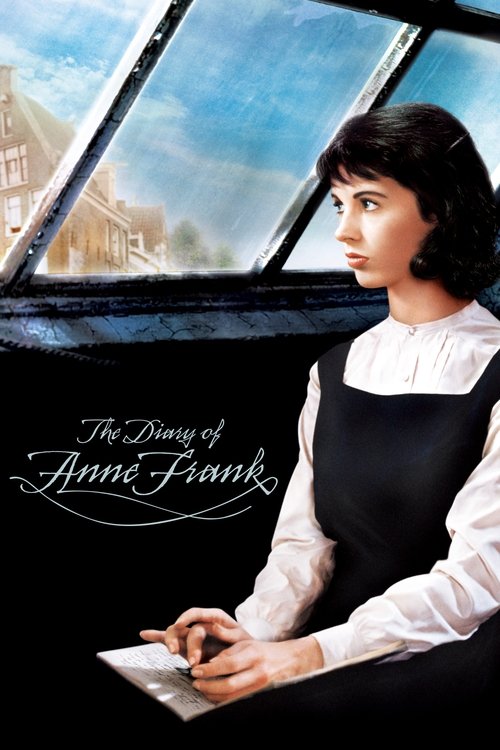
The Diary of Anne Frank1959
Both use a child's diary-like intimacy to filter genocide through domestic detail — Anne's attic and Bruno's fence are two versions of a wall a child can't see over, decades apart in how directly cinema was allowed to say what lay behind it.
The Hollywood template this genre still runs on, made when the war was recent memory rather than history — earnest, stagebound, and startlingly direct for its era.
But Its pacing and theatrical style feel dated beside modern prestige dramas; it was adapted from a play and looks it.
More like this (8)
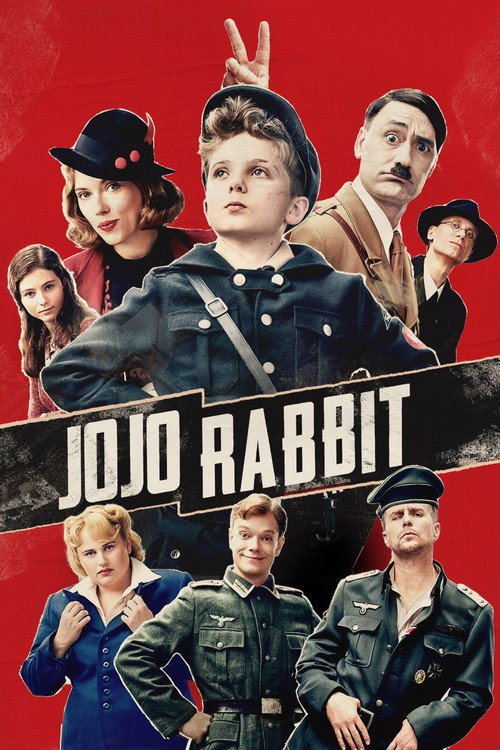
Jojo Rabbit2019
A boy raised on Nazi propaganda slowly realizes what he actually believes — satire instead of fable, but the same collision between a child's worldview and the adult horror surrounding it.
But The comic register is a big swing; if jokes anywhere near this subject make you uneasy, it will grate.
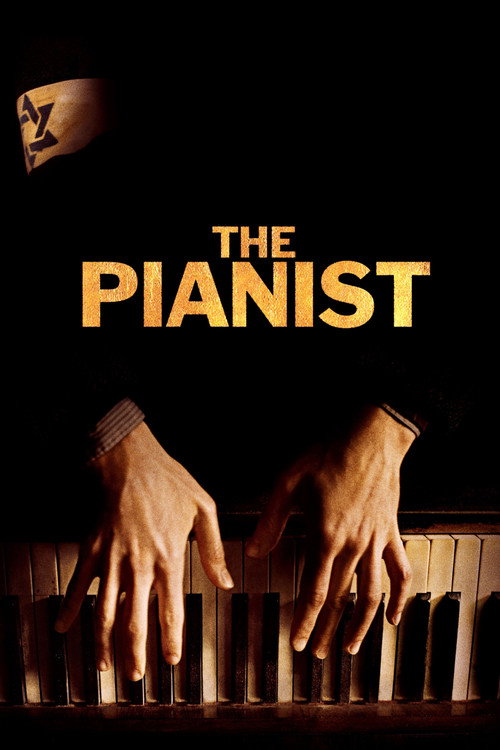
The Pianist2002
Adrien Brody's survival story trades allegory for testimony — a ground-level, largely wordless account of what the camp system actually did to a life.
But Long, bleak, and deliberately unsentimental — there's no innocent narrator here to soften anything.
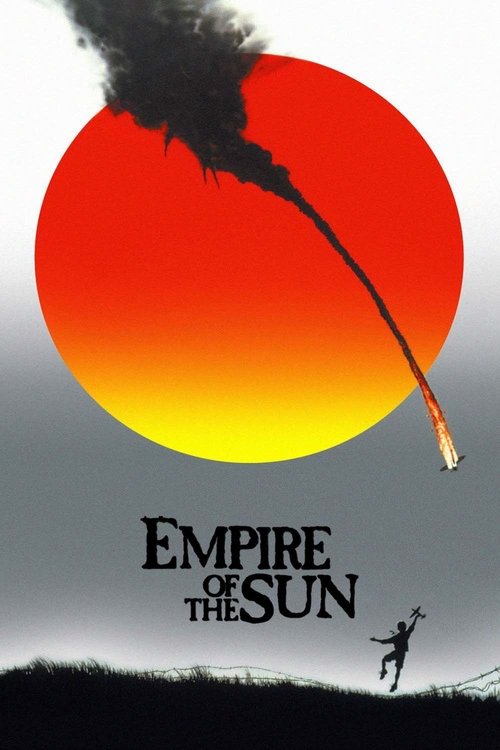
Empire of the Sun1987
Spielberg's own child's-eye war story follows a boy separated from his parents into a Japanese internment camp — the same fascination with how children metabolize catastrophe as adventure.
But It's a different war and a different atrocity entirely, so the parallel is structural rather than historical.
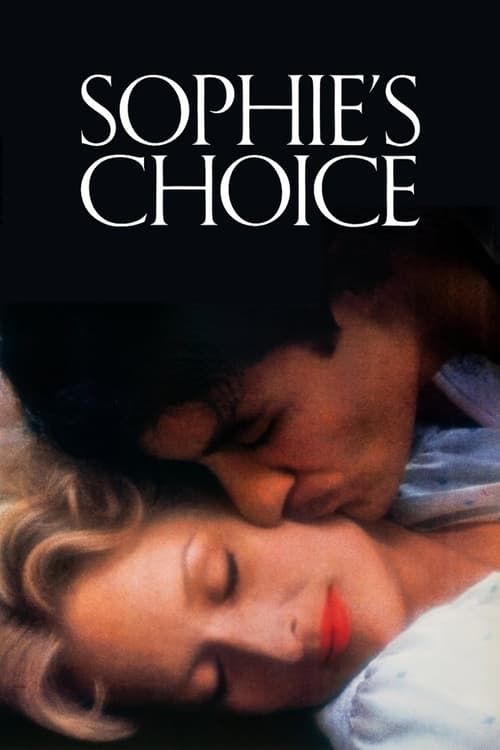
Sophie's Choice1982
A slow-burn revelation of what a parent did to survive the camps — a mirror to Bruno's story told decades later, from the other side of the fence, in the voice of someone who lived it.
But Its central revelation is one of the most harrowing in American cinema; not something to watch lightly.
The Reader2008no page yet
Asks what it means to love someone who did something monstrous, and not to have understood at the time — the adult version of Bruno's innocence, far less forgiving of it.
But Its framing of complicity has been argued over for years; some feel it lets its main character off too easy.
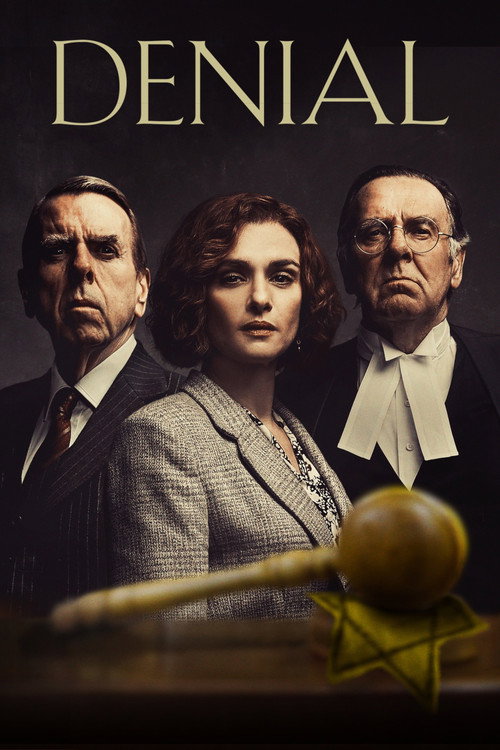
Denial2016
A courtroom drama about proving the Holocaust happened at all — a bracing companion piece after a story built around evasion and not-knowing.
But Talkier and less emotionally immersive than a drama built around a child's viewpoint; it argues rather than aches.
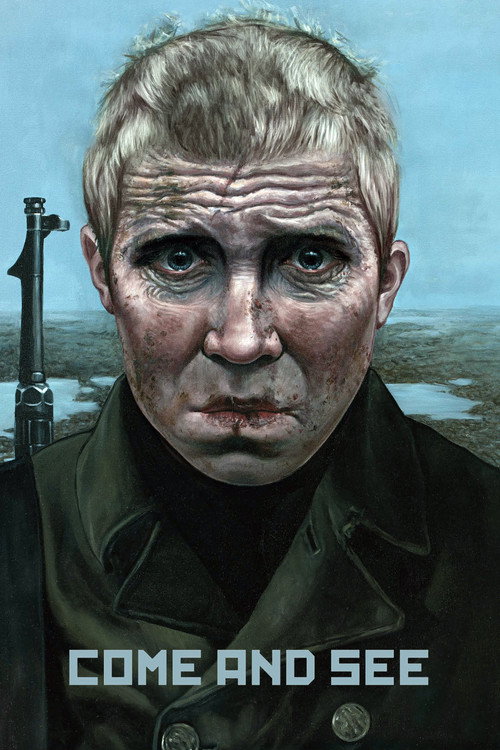
Come and See1985
Where Bruno's innocence is a device that keeps the horror at arm's length, this film uses a child's eyes to strip every buffer away — the same engine, run without mercy.
A Belarusian boy wanders into the machinery of the Eastern Front and the film refuses every comfort — surreal, sometimes wordless, and among the most punishing war films ever made.
But It offers none of the gentleness or narrative cushioning of a fable; some viewers find it genuinely traumatic to sit through.
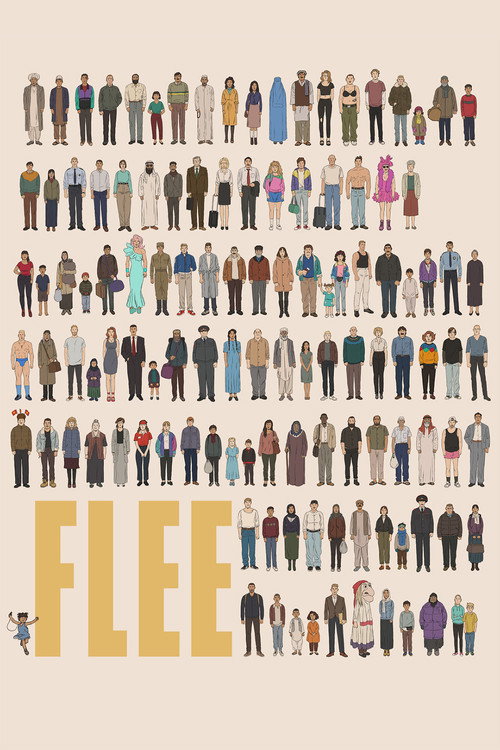
Flee2021
Both use a child's-eye lens and a stylised medium — fable here, hand-drawn memory there — to approach an atrocity too vast to film head-on; one is invented, the other is someone's actual life.
An animated documentary built from the real, long-buried testimony of a man who fled Afghanistan as a boy — animation used not to soften trauma but to make it speakable at all.
But Different war, different century, and a talking-head structure rather than a drama — the connection is thematic, not historical.
People
Cast
 Asa ButterfieldBruno
 Vera FarmigaMother
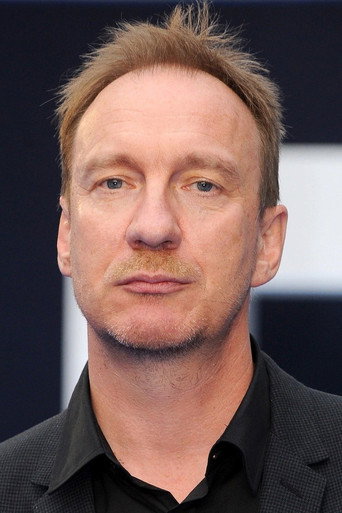 David ThewlisFather
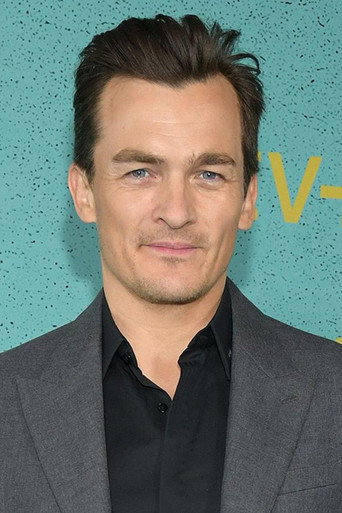 Rupert FriendLieutenant Kotler
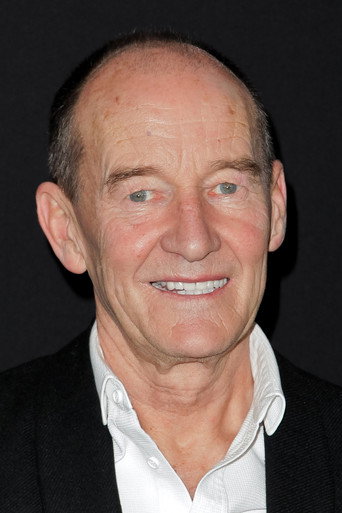 David HaymanPavel
 Jack ScanlonShmuel
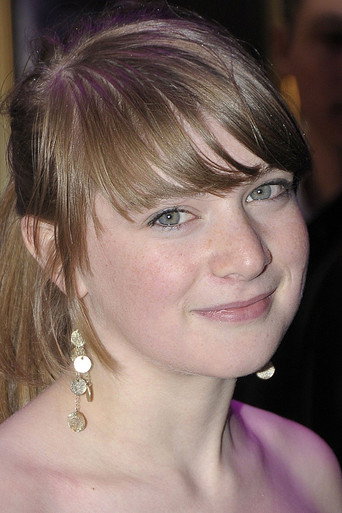 Amber BeattieGretel
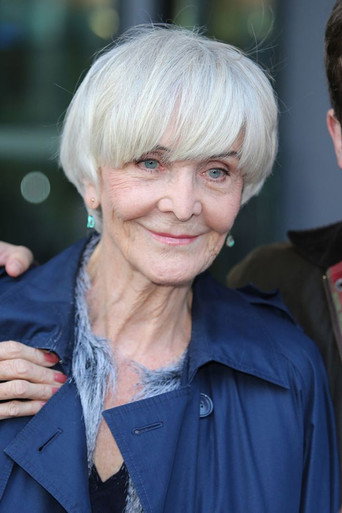 Sheila HancockGrandma
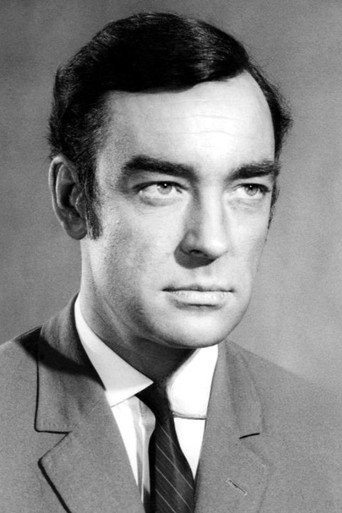 Richard JohnsonGrandpa
- Domonkos NémethMartin
- Henry KingsmillKarl
Directing
- Mark HermanDirector
- Libbie BarrScript Supervisor
Writing
- John BoyneNovel
- Mark HermanScreenplay
Production
- Leo DavisCasting
- Pippa HallCasting
- Veronika VarjasiCasting
- Rosie AlisonCo-Producer
- Christine LanganExecutive Producer
- Mark HermanExecutive Producer
- Mary RichardsLine Producer
- András TóthLocation Manager
- David HeymanProducer
- Samantha BlackProduction Coordinator
- Zsuzsa VaradiProduction Coordinator
- Gyorgy KuntnerProduction Manager
- István KirályUnit Manager
Recommended by
Life Is Beautiful, Grave of the Fireflies, Au Revoir les Enfants