
Television series
The Dovekeepers
- Period drama
- Very dark
A CBS miniseries about the Siege of Masada told through four women—a slave, a rebel, a priestess, a widow—who tend doves in a fortress under Roman assault. Lush, intimate, and historically grounded, it braids romance and survival with genuine weight. For anyone drawn to character-driven historical drama where women's interior lives matter as much as the siege itself.
Should you watch it?
Watch it if you love intimate, character-led stories where women's hidden secrets and quiet loyalties matter more than the sweep of ancient warfare.
Skip it if you want the Roman siege played as relentless action, since its tension sits mostly in whispered conversations and private worry rather than battle.
What it asks of you: Two hours spread over two parts, moving at a measured pace across several threads, with dread that rarely lets up for long.
Not sure? Find tonight's pick in a minute.
If you liked this
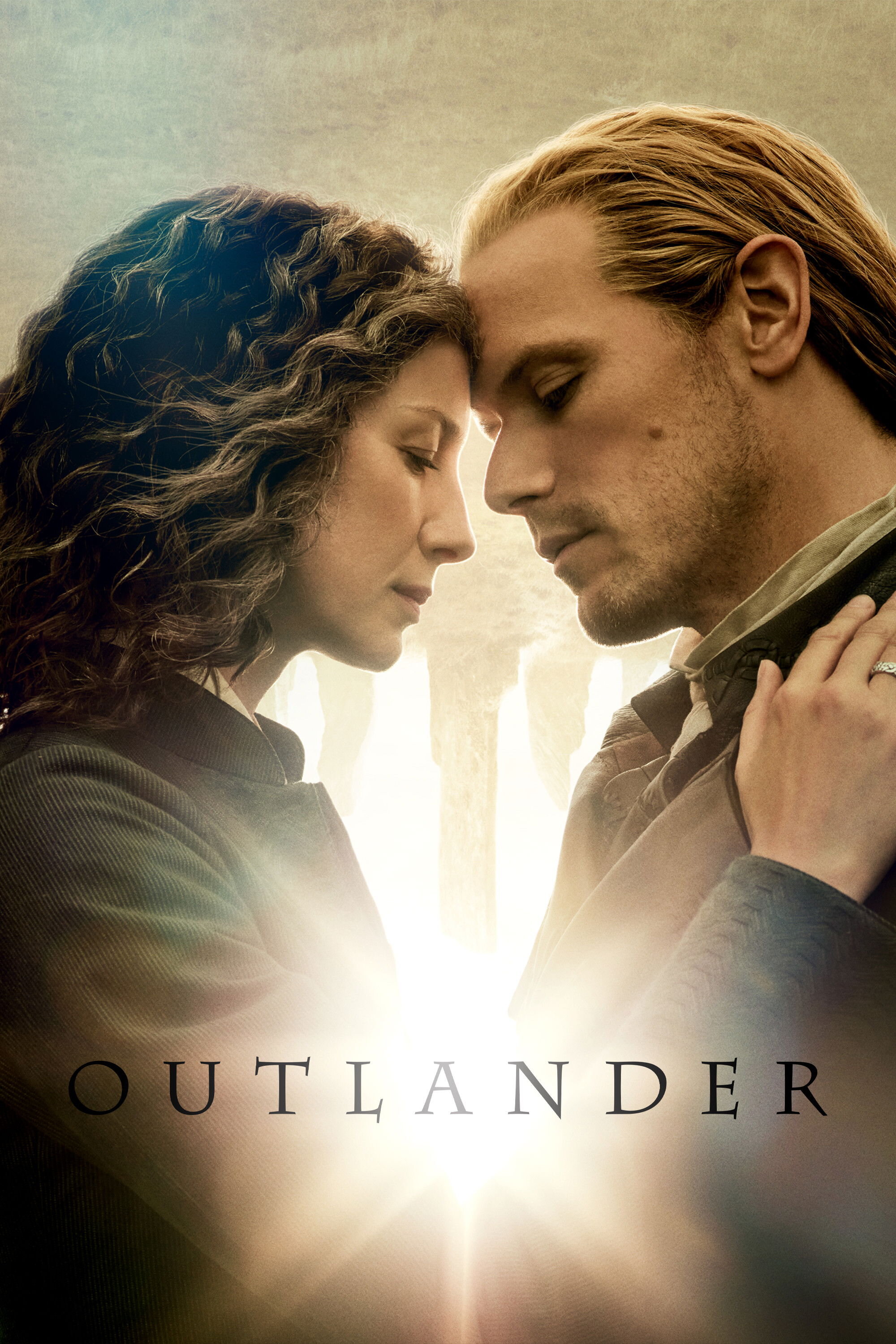
Outlander2014
Ambitious historical romance that balances intimate character work with epic scope. Strong female perspective, layered relationships, and a willingness to sit with emotional consequence. Season one especially nails what The Dovekeepers attempts.
But Significantly longer commitment—eight seasons and counting. The time-travel premise takes adjustment, and later seasons lose some narrative discipline.
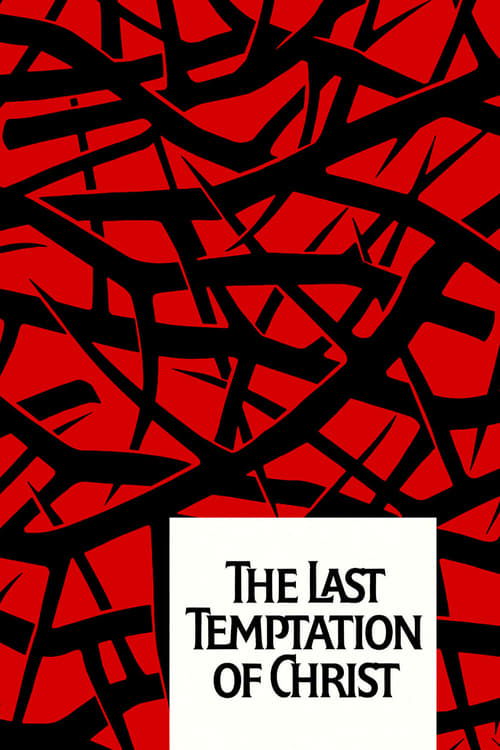
The Last Temptation of Christ1988
Scorsese's portrait of faith, doubt, and humanity in an occupied land. Treats spiritual crisis as genuine drama, not decoration. Visually stunning and theologically serious in ways that honor source material without servility.
But Deliberately provocative and lengthy at 165 minutes. Some will find the sexual content and theological reframing genuinely offensive rather than thoughtful.
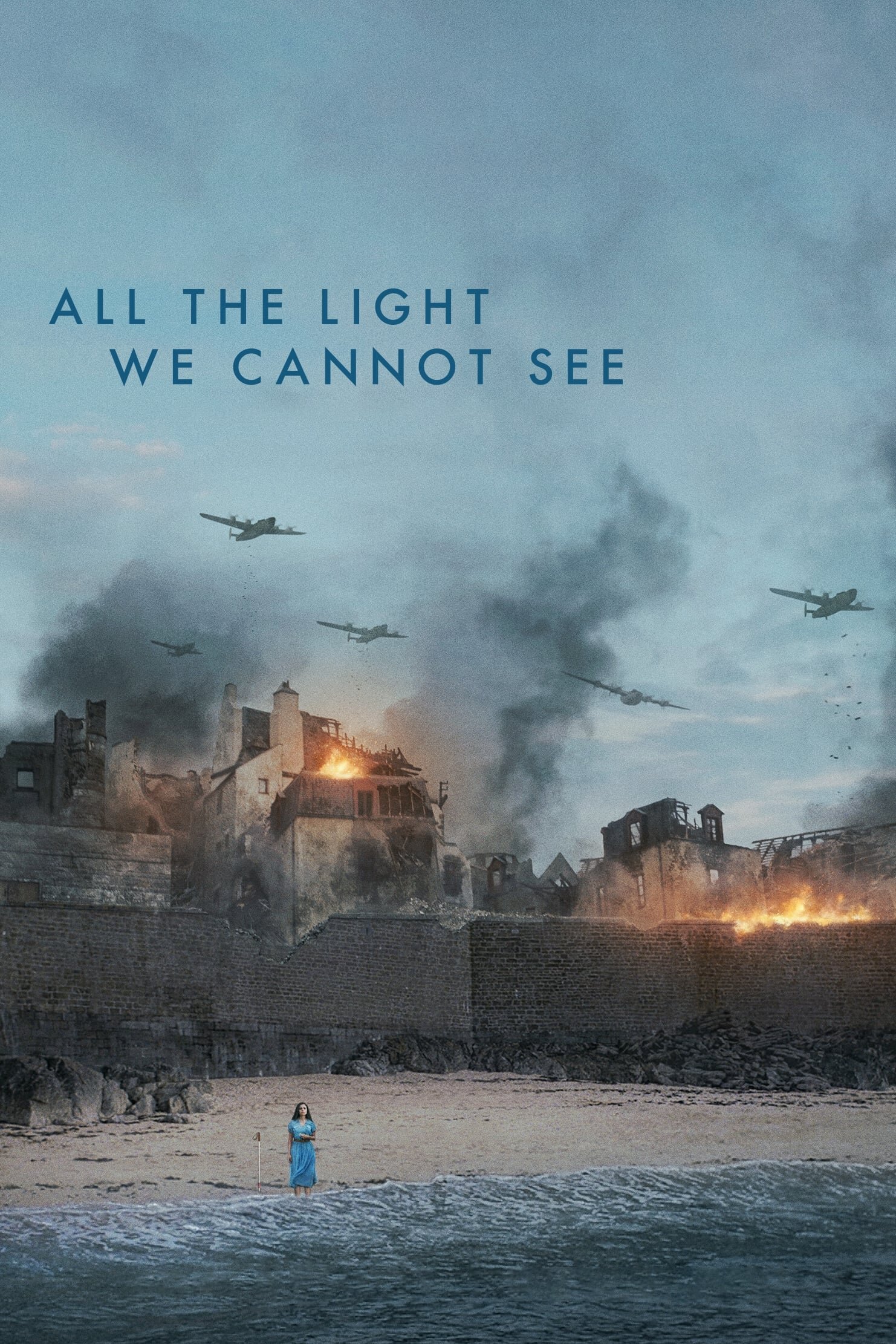
All the Light We Cannot See2023
Netflix miniseries about two young people—a blind French girl, a German soldier—whose lives intersect during occupation. Gorgeous cinematography, tender character focus, and real moral complexity about complicity and survival under fascism.
But Occasional sentimentality in the romance subplot. The source novel's interiority doesn't always translate to screen, making some scenes feel slightly hollow.
Not sure tonight? Get a pick in a minute, starting from The Dovekeepers
The wildcard
Something you would not have found on your own.
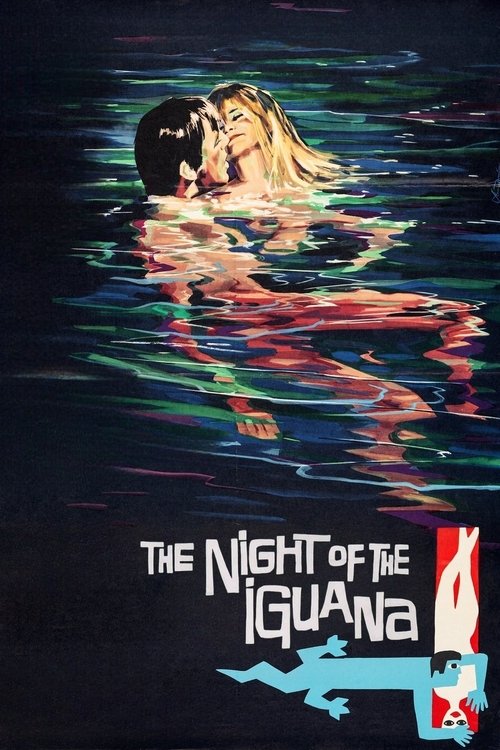
The Night of the Iguana1964
Both locate spiritual crisis and forbidden desire in confined spaces where survival means emotional honesty. The dovekeepers tend birds in a besieged fortress; here, characters are trapped by geography and circumstance with nowhere to hide.
Tennessee Williams' play about a defrocked priest and a widow in a Mexican hotel becomes chamber drama about desire, faith, and the wreckage of conviction. Richard Burton and Ava Gardner in roles of genuine spiritual anguish. Sexually charged and theologically serious.
But Virtually nothing happens. It's talk and atmosphere—if you need plot momentum, you'll find it suffocating. Black-and-white and stagy.
More like this (7)
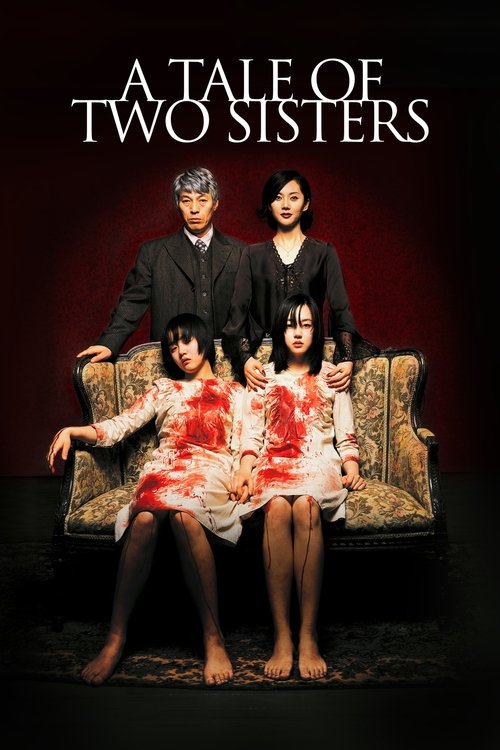
A Tale of Two Sisters2003
Korean gothic about trauma, memory, and what sisters will endure for each other. Visually extraordinary and psychologically unsettling in ways that reward close attention. Proves historical drama doesn't need period costumes.
But Deliberately ambiguous and withholding. If you prefer narrative clarity and exposition, you'll find it maddening rather than mysterious.
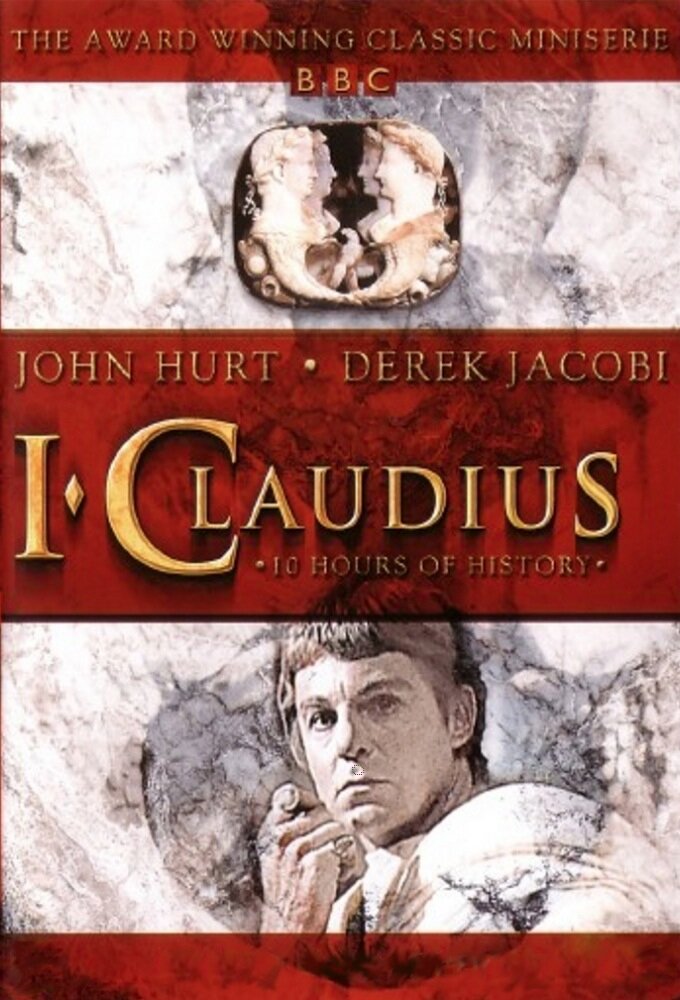
I, Claudius1976
BBC masterpiece that treats Roman politics as intimate family drama. Every performance is extraordinary; the writing balances history with human vulnerability. The template for how to do historical prestige television.
But Deliberately theatrical 1976 production design. If you need modern cinematography and pacing, the slower rhythm and BBC studio sets will feel dated.
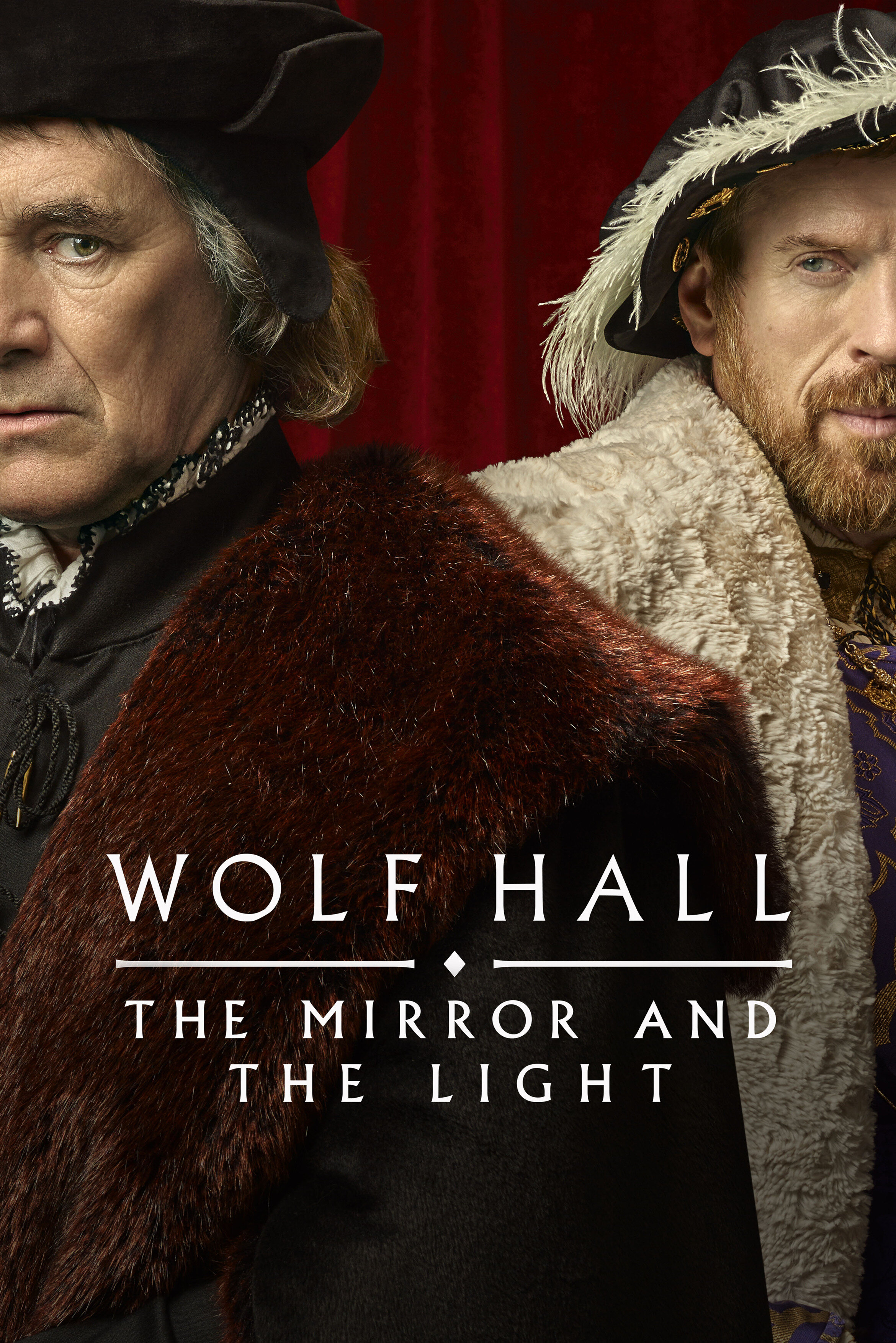
Wolf Hall2015
BBC adaptation of Hilary Mantel's trilogy following Thomas Cromwell through Tudor England. Densely intelligent, visually austere, and focused on how power moves through relationships and whispered conversations rather than spectacle.
But Deliberately oblique and assumes reader familiarity with source material. The pacing is glacial; dialogue is often cryptic. You'll rewind constantly.
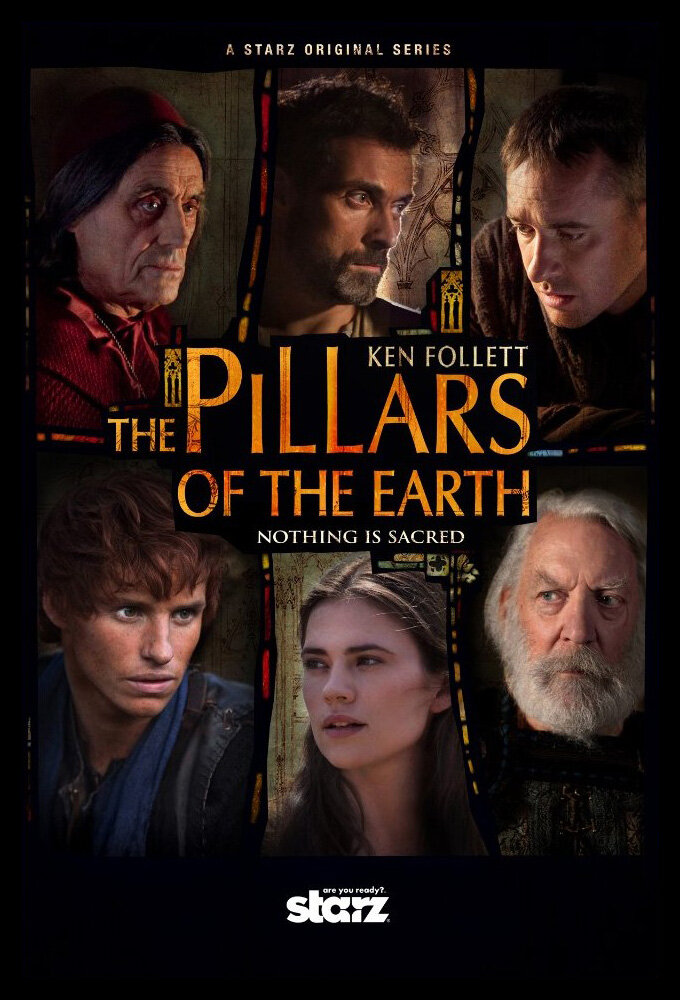
The Pillars of the Earth2010
Sprawling historical epic about cathedral building, faith, and survival in medieval England. Genuine stakes, strong ensemble cast, and a willingness to show how ordinary people navigate extraordinary circumstances. Melodramatic but earned.
But Eight hours is a commitment and it shows—uneven pacing, some overwrought subplots. The soap-opera elements don't always balance the historical weight.
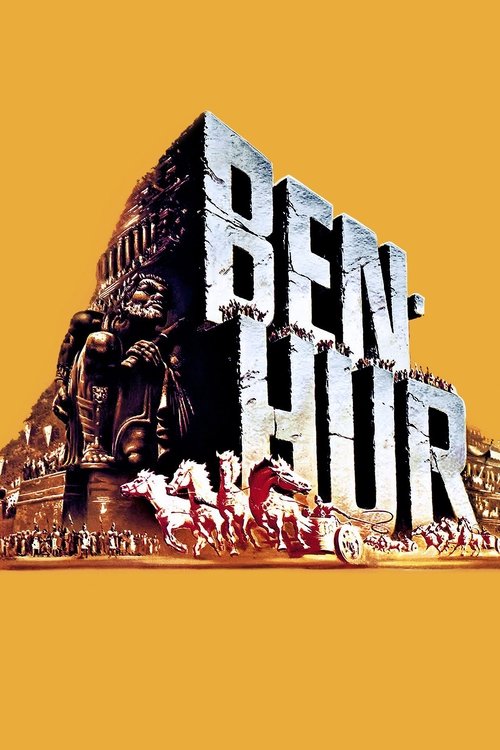
Ben-Hur1959
Legendary epic about a Jewish man under Roman occupation, faith tested by slavery and revenge. The chariot race is cinema at its most thrilling, but the film's real power is in quiet scenes of moral reckoning and spiritual transformation.
But Nearly four hours long and genuinely slow in its middle passages. The religious messaging is unsubtle; the romance subplot feels obligatory. Demands patience.
Holy Spider2022
Both examine how patriarchal power systems—Rome's, fundamentalism's—use faith to justify the sacrifice of women. The Dovekeepers asks what women retain of agency under siege; Holy Spider asks what's left when they're already invisible.
Iranian drama about a serial killer and a journalist pursuing him through Mashhad's red-light district. Unflinching look at how women are disposable in systems that claim piety. Angry, visually gorgeous, morally precise.
But Genuinely disturbing content involving violence against sex workers. The film doesn't exploit it, but neither does it look away. Some will find this necessary; others, unbearable.

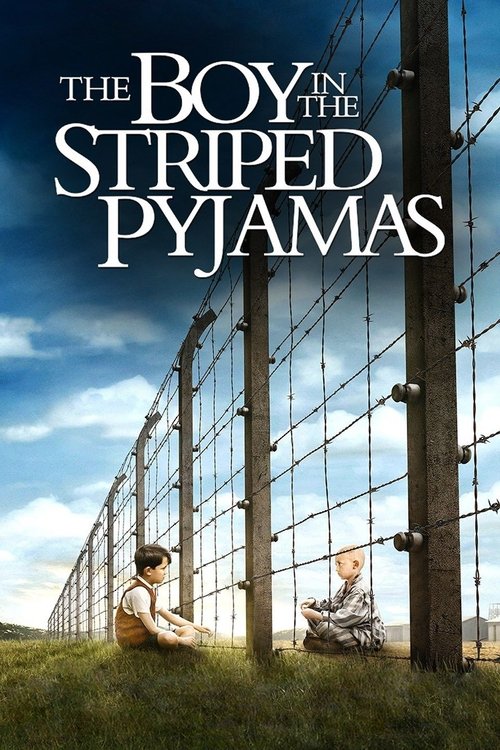
The Boy in the Striped Pyjamas2008
Both use intimate, character-focused storytelling to explore how ordinary people survive (or don't) under occupation and genocide. Neither makes victimhood noble or redemptive—they just witness it with unusual tenderness.
A Holocaust film told through a child's perspective that refuses easy sentiment. The performances are achingly naturalistic; it builds toward a conclusion that lands like a punch precisely because the film earned it without manipulating you.
But The premise—innocence at the gates of atrocity—invites accusations of obscenity. Some view the child's-eye perspective as evasion rather than clarity. The ending is devastating in ways some find exploitative.
People
Cast




Production
- Frank SiracusaExecutive Producer
- John WeberExecutive Producer
- Mark BurnettExecutive Producer
- Roma DowneyExecutive Producer