
Film
Ben-Hur
Other titles called Ben-Hur: the 2016 film.
Ben-Hur is Hollywood spectacle used as moral argument: three and a half hours tracing one man's fall from Judean prince to galley slave to charioteer, chasing revenge that slowly curdles into something closer to grace. Every frame is enormous — the sea battle, the chariot race, the crucifixion at its edges — and it asks you to sit with all of it, unhurried. Best watched big, patient, and a little reverent.
Should you watch it?
Watch it if you love old-fashioned epics where the spectacle is built on patience, with long set-pieces, a slow-burning rivalry between two men, and a story that trusts you to sit with it for over three hours.
Skip it if you need a brisk pace or modern editing, since at 212 minutes it lingers on quiet stretches and the grand, stagey acting style can feel hefty to anyone raised on faster films.
What it asks of you: Settle in for a long, unhurried evening: the first act moves at a stately clip, then the middle builds to a gargantuan chariot race that rewards your full attention.
Not sure? Find tonight's pick in a minute.
If you liked this
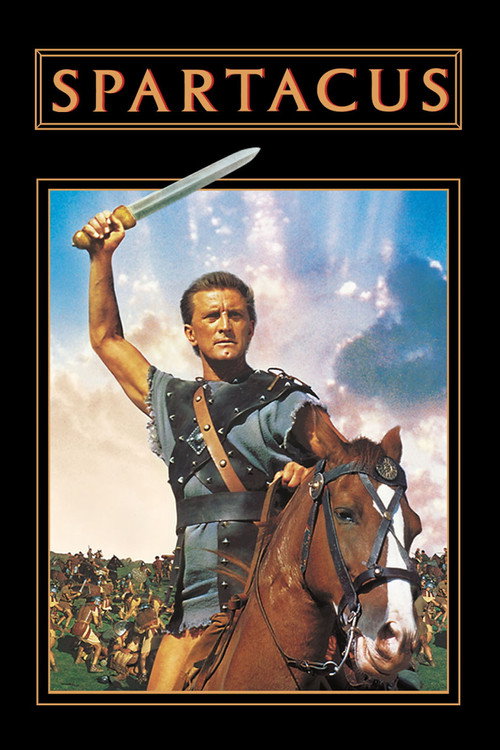
Spartacus1960
Kubrick's own Roman epic, another uprising against empire told with real scale and moral fury, anchored by Kirk Douglas at his most defiant. If Ben-Hur's grandeur worked on you, this is the natural next stop.
But More political speechifying and just as long a sit, minus the religious dimension that gives Ben-Hur its final gear-shift.
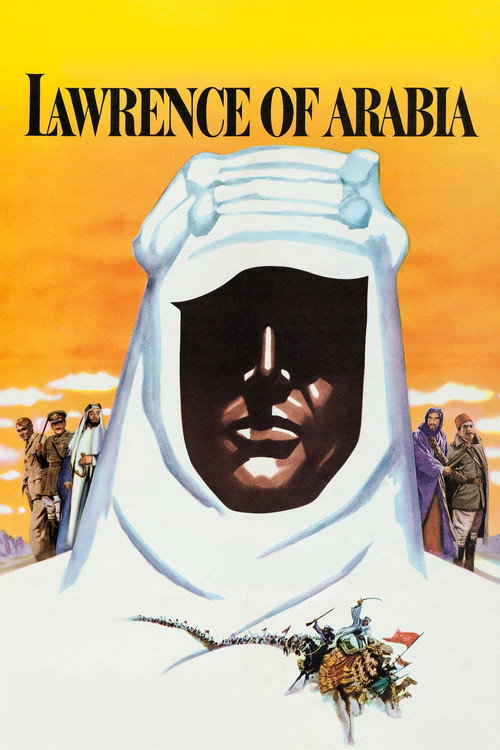
Lawrence of Arabia1962
David Lean's desert epic is the widescreen high-water mark of this whole genre — a solitary man remade by war and landscape, shot with the same patient, monumental eye.
But Even more interior and meditative; the 'adventure' is mostly psychological, which can test viewers wanting more incident.
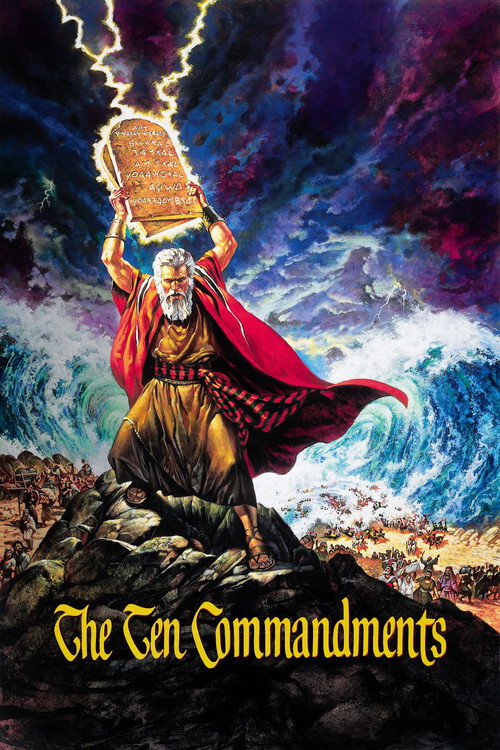
The Ten Commandments1956
Same studio-era grandeur, same Charlton Heston playing a man torn between two worlds — Moses instead of Judah, plagues instead of chariots, DeMille showmanship at full volume.
But Broader and campier, and somehow even longer; the spectacle is glorious but the subtlety is thin.
Not sure tonight? Get a pick in a minute, starting from Ben-Hur
The wildcard
Something you would not have found on your own.
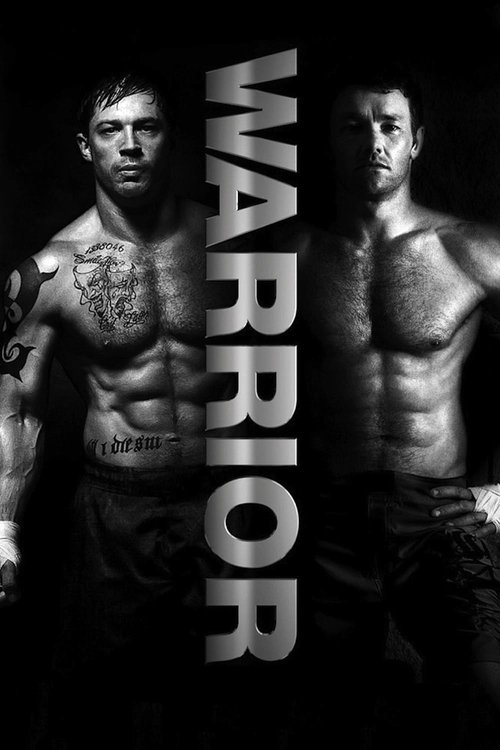
Warrior2011
Same emotional engine as Ben-Hur — a childhood bond curdled into rivalry, resolved through a public contest of bodies — recast as American mixed martial arts instead of Roman spectacle.
Two estranged brothers collide in an MMA tournament that plays like a chariot race staged with fists — one man chasing redemption, the other revenge, both circling the same cage.
But Contemporary, gritty, and completely without togas or empires — if it's ancient-world scale you want, this won't give it to you.
More like this (8)
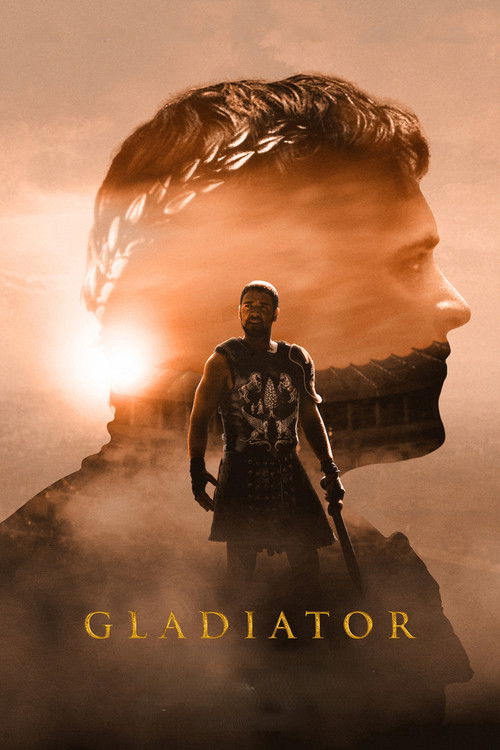
Gladiator2000
The modern descendant of Ben-Hur's arena spectacle: betrayal, exile, and a public contest that doubles as reckoning, built for pace rather than patience.
But Faster, bloodier, and largely uninterested in theology — it wants your pulse up, not your soul examined.
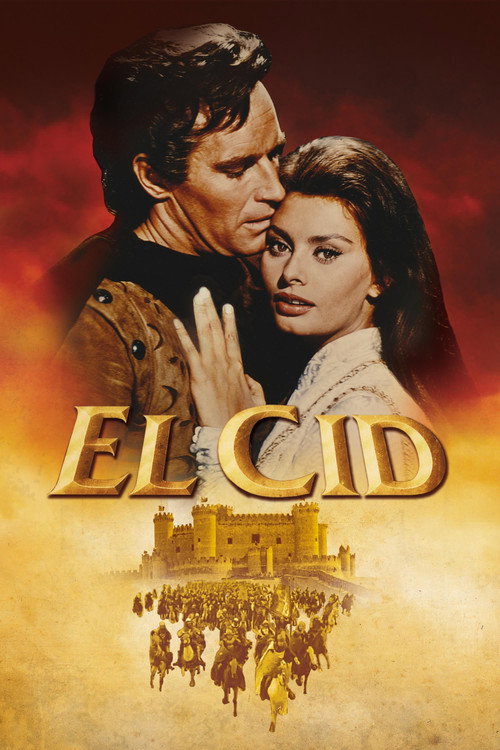
El Cid1961
Heston again, this time a medieval Spanish hero caught between loyalty and honor, with the same widescreen battles and doomed nobility that made Ben-Hur a spectacle.
But Less personal drama, more pageantry — the politics can feel remote and the emotional stakes cooler.
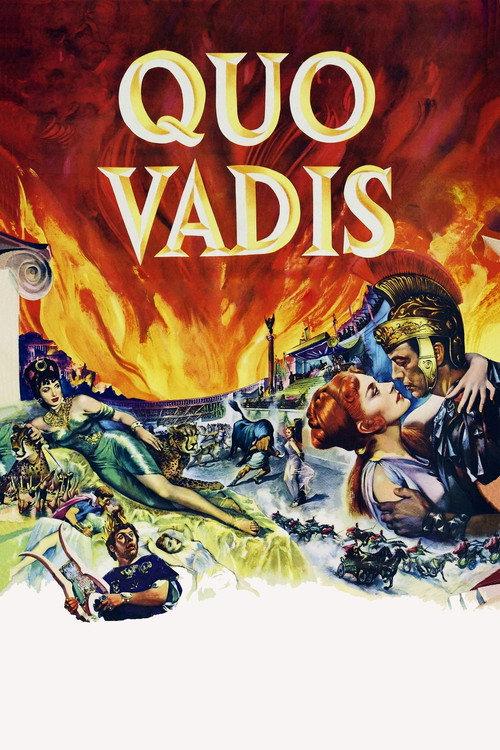
Quo Vadis1951
An earlier MGM Rome-and-Christianity epic that Ben-Hur's own producers studied closely — persecution, spectacle, and a Roman soldier's crisis of conscience.
But Creakier effects and slacker pacing; it shows its age far more visibly than Ben-Hur does.
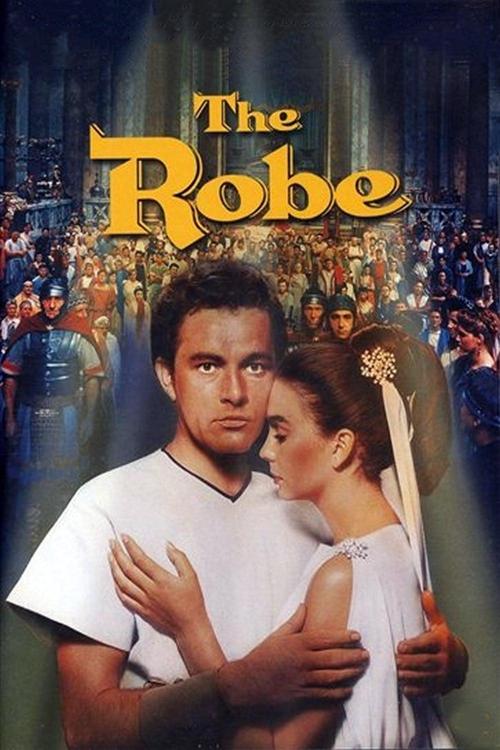
The Robe1953
The first CinemaScope biblical epic, following a Roman's obsession with Christ's garment after the crucifixion — a direct ancestor in mood and subject matter.
But Smaller-scaled and more sermon than spectacle; next to Ben-Hur it can feel like a warm-up act.
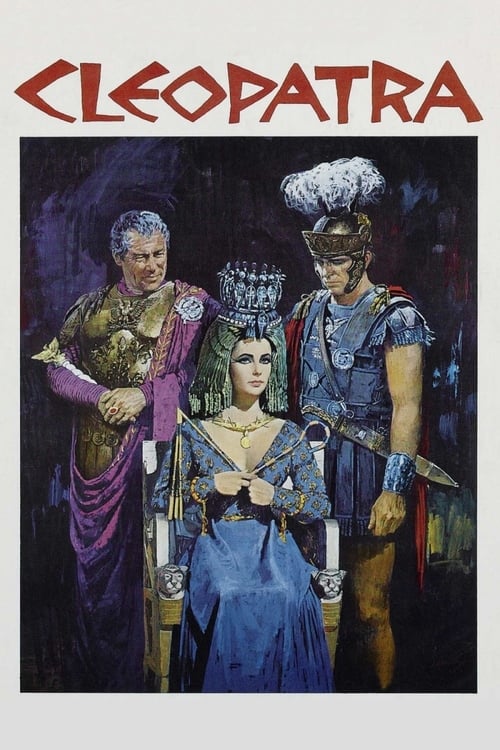
Cleopatra1963
The most notoriously lavish epic ever made — ancient-world excess and doomed romance, useful proof of where this genre's budgets eventually went.
But Famously bloated and troubled behind the scenes; the story sags visibly under its own opulence.
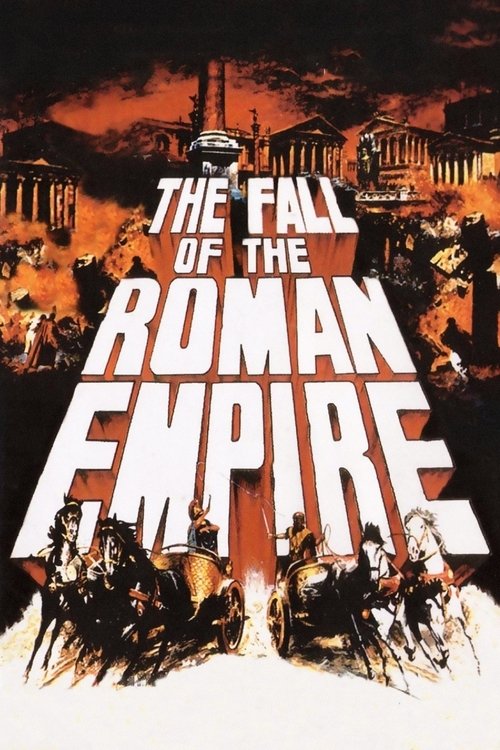
The Fall of the Roman Empire1964
A later, more melancholy entry in the same genre — empire, honor, one man's stand against corruption — with the elegiac tone of a form already running out of road.
But It flopped for a reason: heavier pacing and cooler emotion than Ben-Hur ever allows itself.
The Passion of Joan of Arc1928
Both films ask what faith costs and what it survives, but where Ben-Hur answers with spectacle and scale, Dreyer answers with a single, relentless human face.
A silent film built almost entirely from faces in extreme close-up, about faith surviving persecution — the spiritual core Ben-Hur circles from a wide angle, here seen at point-blank range.
But Silent, stark, and unsparing — no chariots, no battles, just one woman's suffering rendered in unbearable close-up.

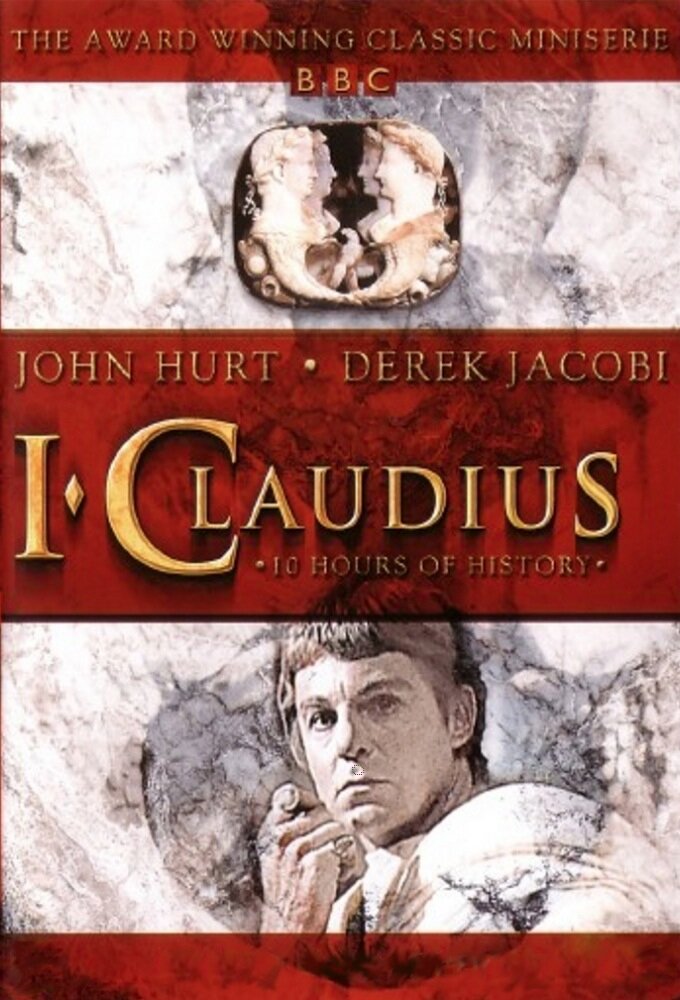
I, Claudius1976
It's the view from inside the Rome that Ben-Hur's story is glimpsed from outside — same world, same century, but intimate and verbal where Ben-Hur is vast and visual.
The BBC's studio-bound, wickedly talky account of the same empire Ben-Hur only glimpses from its margins — poison, ambition, and family betrayal viewed from inside the palace instead of below it.
But No spectacle whatsoever — wobbly sets, static cameras, and a script that trusts dialogue over scale entirely.
People
Cast
 Charlton HestonJudah Ben-Hur
 Stephen BoydMessala
 Hugh GriffithScheich Ildirim
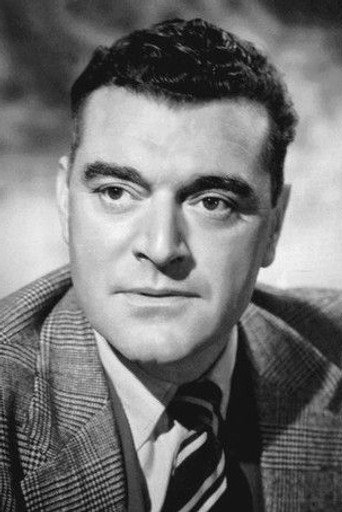 Jack HawkinsQuintus Arrius
 Haya HarareetEsther
 Martha ScottMiriam
 Cathy O'DonnellTirzah
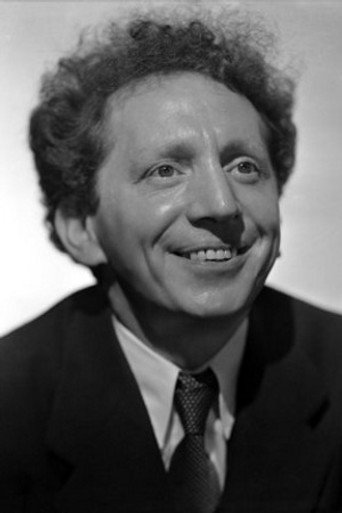 Sam JaffeSimonides
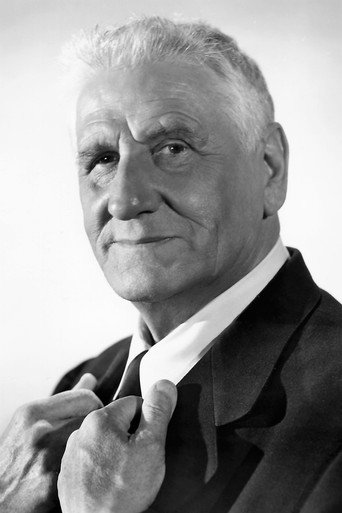 Finlay CurrieBalthasar
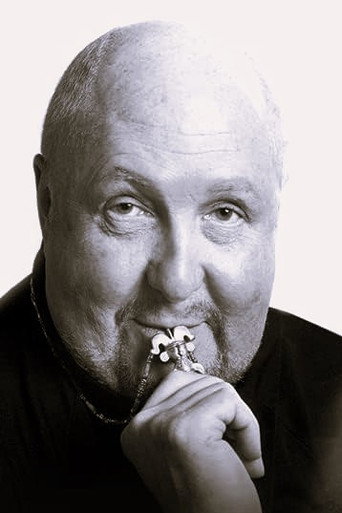 Frank ThringPontius Pilatus
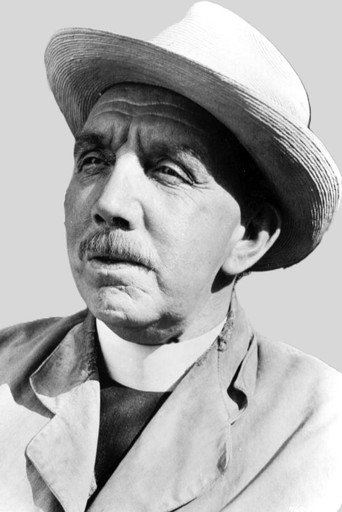 George RelphTiberius Caesar
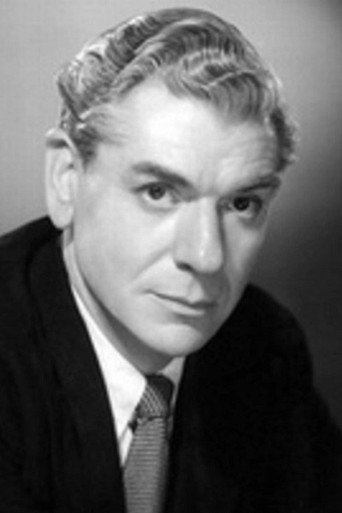 André MorellSextus
Directing
- Alberto CardoneAssistant Director
- William WylerDirector
- Sergio LeoneSecond Unit Director
Writing
- Lew WallaceNovel
- Karl TunbergScreenplay
Production
- Sam ZimbalistProducer
- Edward WoehlerUnit Production Manager
Recommended by
The Count of Monte Cristo, Gladiator, Spartacus, Spartacus, The Greatest Show on Earth, The Odyssey, The Vikings, The Ten Commandments, El Cid, Quo Vadis, The Robe, Cleopatra, The Fall of the Roman Empire, The 300 Spartans, Gladiator II, Jesus Christ Superstar, The Prince of Egypt, The Bible: In the Beginning..., The Passion of the Christ, Exodus: Gods and Kings, Alexander, Helen of Troy, The Crusades, Gladiators, Joseph: King of Dreams, The Egyptian, Samson and Delilah, King of Kings, Alexander the Great, The Sign of the Cross, Masada, A Man Called Peter, Risen, The Greatest Story Ever Told, The Message, A.D. The Bible Continues, Pontius Pilate, Barabbas, The Silver Chalice, The Last Days of Pompeii, Jesus of Nazareth, Esther and the King, Sodom and Gomorrah, Golgotha, The Bible, The Dovekeepers, King David, The Story of Ruth, Solomon and Sheba, Paul, Apostle of Christ, Exodus, Romulus and Remus, The Last Days of Pompeii, The Trojan Horse, David and Bathsheba, King Richard and the Crusaders, The Gospel of John, Demetrius and the Gladiators, Land of the Pharaohs, Sign of the Gladiator, Christmas with The Chosen: The Messengers, The Sword and the Cross, Ancient Rome: The Rise and Fall of an Empire, Prayer Never Fails