
Television series
Ancient Rome: The Rise and Fall of an Empire
A BBC dramatisation that uses CGI, battle reconstructions and scripted scenes to chart Rome's transformation from republic to empire across six pivotal centuries. It's history told as narrative thriller rather than lecture—visceral and gripping, with real historians' research behind the spectacle. For anyone who wants their ancient world both accurate and thrilling.
If you liked this
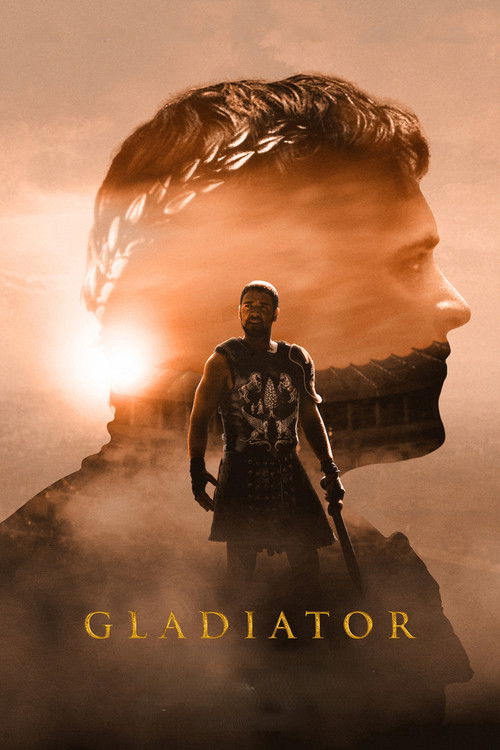
Gladiator2000
Ridley Scott's operatic vision of Rome at its most decadent. The same world of political intrigue, military ambition and moral compromise, but filtered through a personal story of vengeance that gives the empire-scale drama an emotional core.
But The historical accuracy is... flexible. It's more concerned with mythmaking than footnotes, and some find the grandiosity exhausting rather than moving.
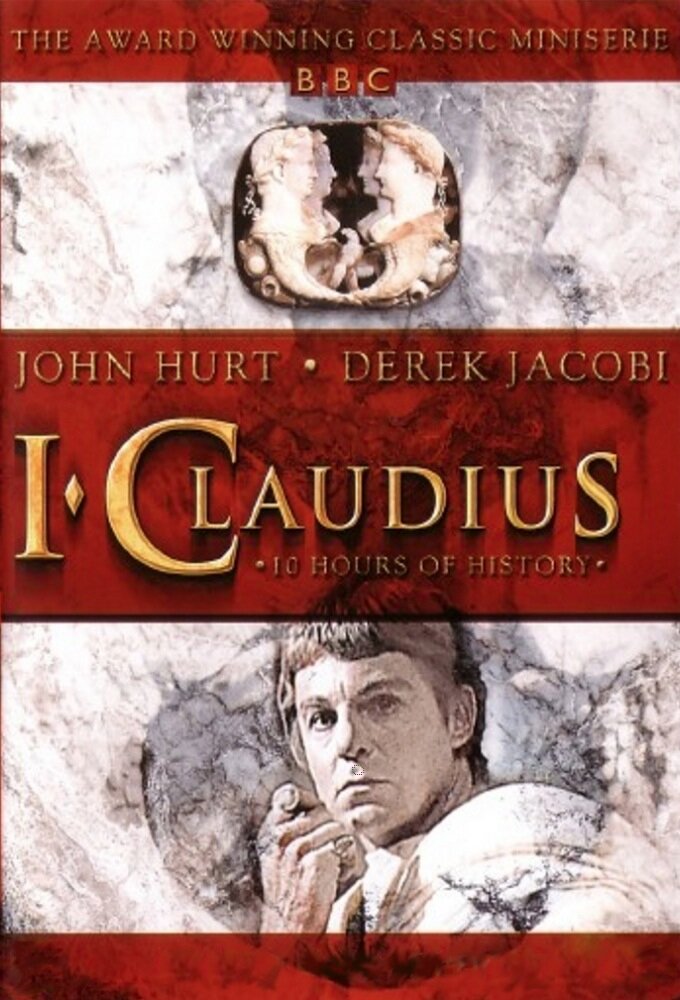
I, Claudius1976
A masterwork of dramatic storytelling that maps the same early empire period with penetrating intelligence. The performances are astonishing, the writing lacerating, and it understands palace politics as visceral human drama in ways even modern TV struggled to match for decades.
But Shot on video in a studio with theatrical staging. Visually it looks like 1976 television, not a cinematic experience. Some patience required for the pacing.
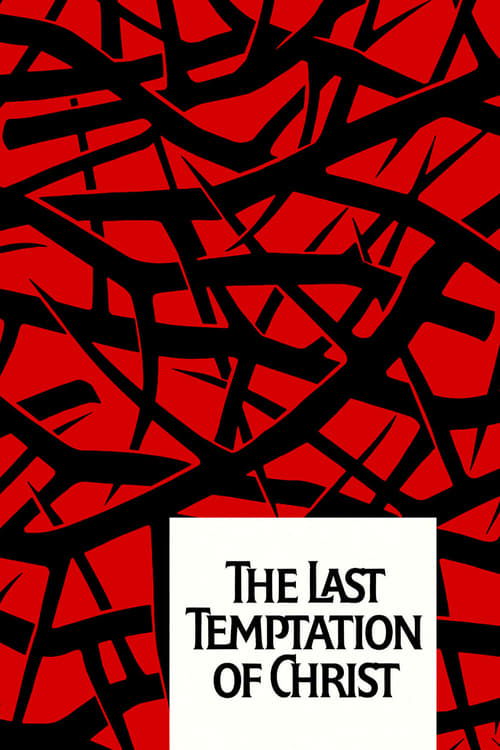
The Last Temptation of Christ1988
Scorsese's controversial meditation on faith, power and empire centers on the same era Rome covers—the collision between Roman occupation and religious transformation that reshapes the world. Entirely different focus, but the same seismic historical moment.
But Genuinely divisive and deliberately provocative about its subject. Slow, philosophical, and not remotely a crowd-pleaser. Some will find it reverent, others blasphemous.
Not sure tonight? Get a pick in a minute, starting from Ancient Rome: The Rise and Fall of an Empire
The wildcard
Something you would not have found on your own.
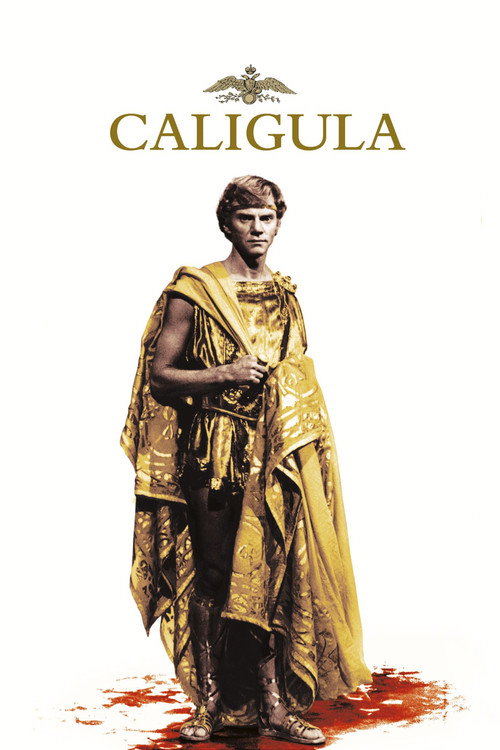
Caligula1979
Both center on Rome's inner rot: the way absolute power corrodes individuals and systems. Ancient Rome traces it structurally; Caligula screams it from every frame.
Tinto Brass's infamous film is obscene, excessive, visually baroque—basically the complete opposite register of the BBC's measured historicism. But it captures something true about power's corruption that gets lost in more respectable treatments. Empire as madness rather than tragedy.
But Notorious for graphic sexual content and violence. Released in a cut version, re-cut since. Some will see provocation, others just exploitation. It's deliberately ugly.
More like this (8)
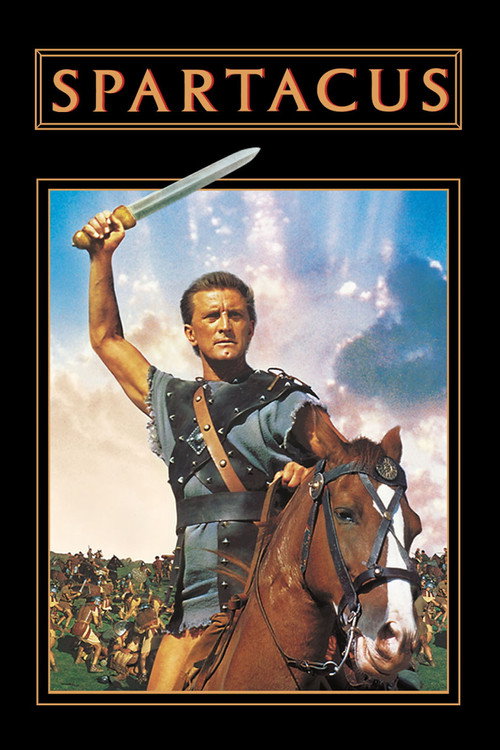
Spartacus1960
Kirk Douglas in a sweeping epic about the slave revolt that terrified Rome. The scale and the spectacle match Ancient Rome's ambitions, but it's interested in the humanity of those crushed beneath the empire's boot—a vital counterpoint.
But Dated in some ways. The film's politics are earnest rather than subtle, and the dramatic beats can feel overwrought to modern eyes.
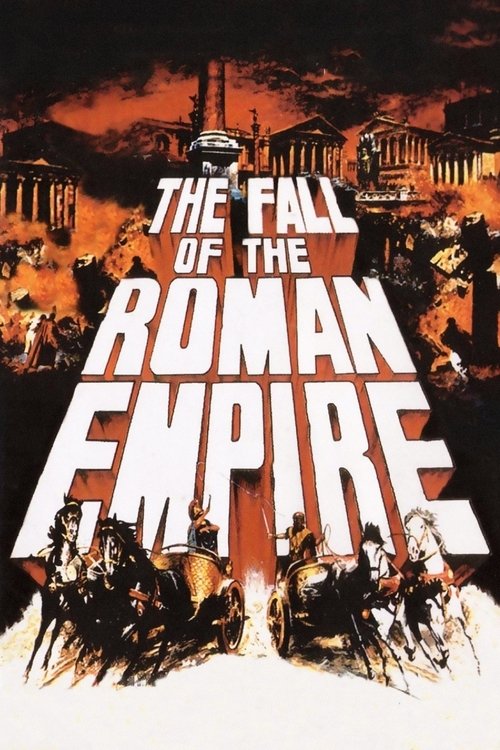
The Fall of the Roman Empire1964
Sophia Loren and Alec Guinness in Mann's sweeping attempt to dramatise the very collapse that Ancient Rome traces. The scale is extraordinary, the ambition immense, the battle sequences still stunning.
But Pacing is glacial by modern standards, and it's not nearly as tight or propulsive as you'd want. The middle sags, and it runs three and a half hours.
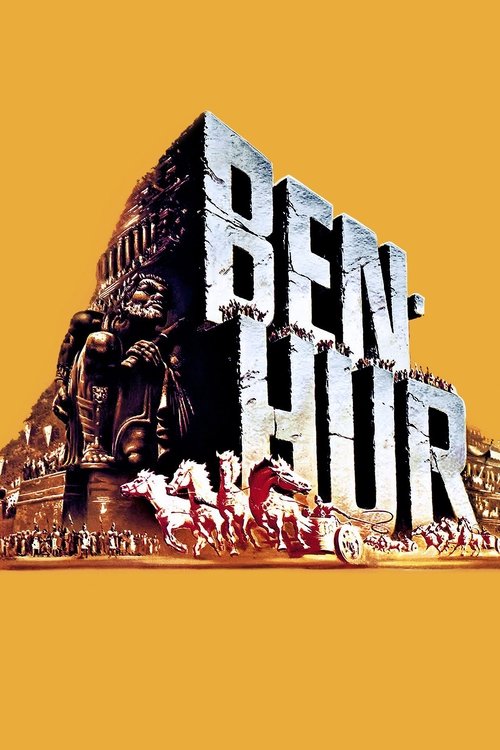
Ben-Hur1959
The other side of the Roman coin: what the empire looked like to those living under its heel. The chariot race is cinema, but the film's real power lies in how it captures Rome as an occupying force, oppressive and absolute.
But A biblical epic with all the earnestness that implies. If religious sincerity doesn't move you, the plot can feel heavy-handed.
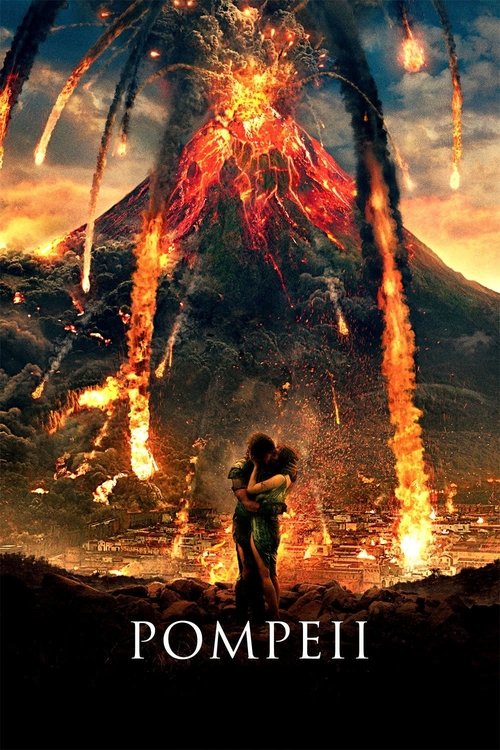
Pompeii2014
A romance built on the backdrop of Vesuvius's eruption, it captures the moment when Rome's power—seemingly absolute—is erased in hours. It's pulp, but it understands spectacle and the fragility of empires.
But The writing is serviceable at best, the romance predictable, and the dialogue often groans-inducing. It knows what it is and leans into it, which some find charming and others just find silly.
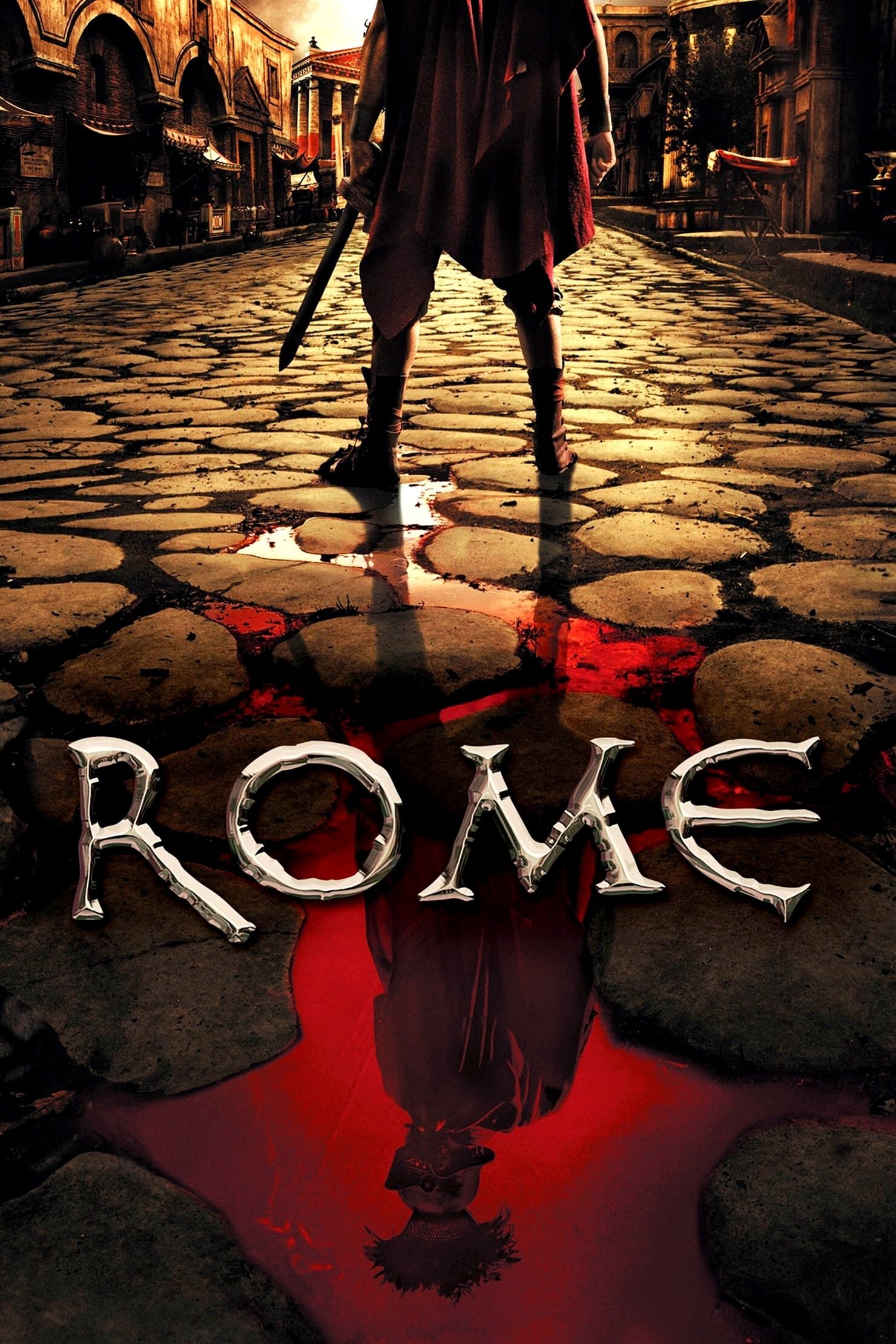
Rome2005
HBO's prequel series (aired just before Ancient Rome) follows two soldiers through the civil wars that ended the Republic and birthed the Empire. It's rawer, grittier, and more willing to sit in moral ambiguity than either the BBC or the big historical epics.
But Cancelled after two seasons. HBO lost faith, and it can feel unresolved. Also darker and more sexually explicit than some want from their history.
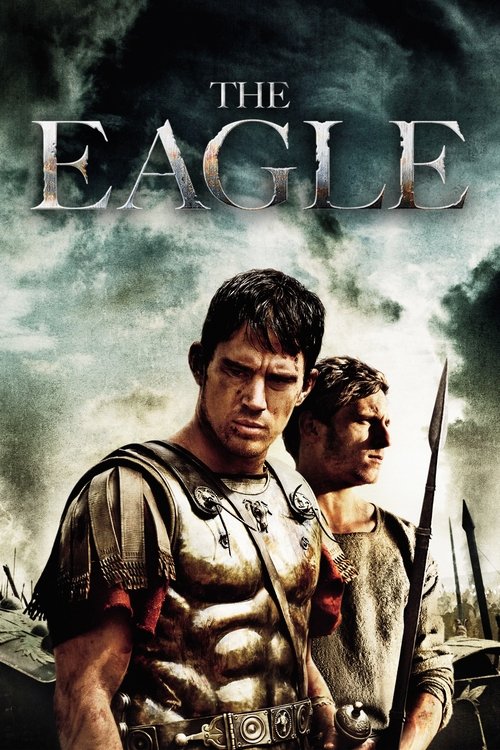
The Eagle2011
A smaller, more intimate story about a Roman officer seeking to recover his legion's standard in occupied Scotland. It trades epic for adventure, but it's beautifully shot and genuinely moving—Rome seen from the edges of its world.
But Quiet and understated where the series leans into spectacle. Some will find it contemplative; others will find it slow.
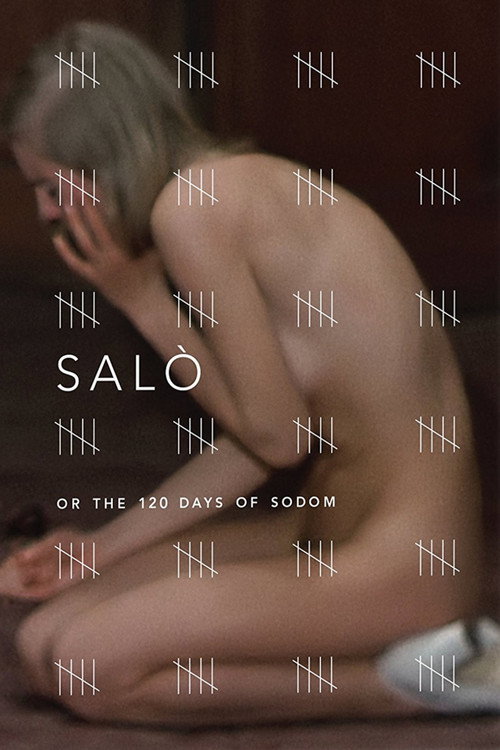
Salò, or the 120 Days of Sodom1976
Both examine how empires sustain themselves. Ancient Rome shows it historically; Salo shows it as perverse theatre. Same engine, completely opposite intentions.
Pasolini's fascist allegory uses Rome as its conceptual foundation—transposing imperial decadence into a contemporary Italian villa where power holders treat the powerless as objects. Shocking, yes, but intellectually rigorous about how empires function through domination.
But Extremely graphic and disturbing. It's a provocation designed to repel as well as illuminate. Not entertainment in any conventional sense.
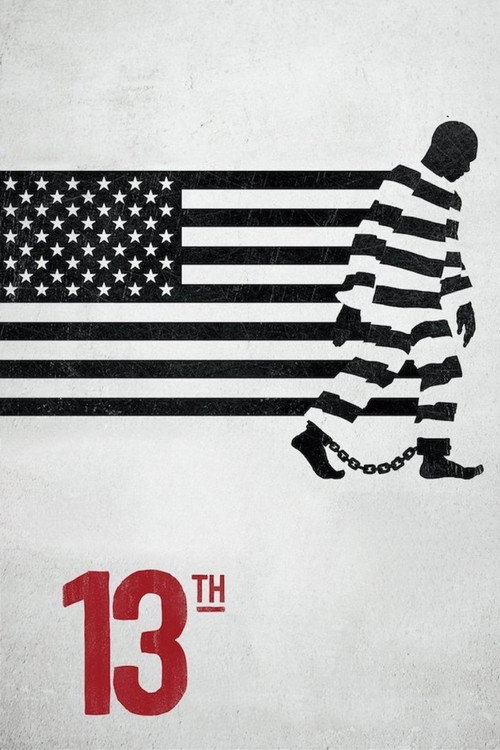
13th2016
Both are about how power structures sustain themselves across centuries through law, violence, and the dehumanisation of conquered peoples. One's ancient history; one's current events.
Ava DuVernay's documentary traces American racial capitalism back through slavery and Jim Crow. It's structured like Ancient Rome in reverse: not how an empire rose, but how its logic metastasized into a modern state. The institutional thinking is the through-line.
But Dense, unapologetic, and resists easy conclusions. Some find it polemical rather than balanced, though the evidence is meticulous. Not lightweight viewing.
Recommended by
Engineering an Empire, Pompeii: Life and Death in a Roman Town, Pyramid