
Film
The Fall of the Roman Empire
A lavish 1964 epic about Marcus Aurelius choosing between his ambitious son Commodus and a loyal general as the empire crumbles. Sweeping in scale with genuine philosophical weight, it's a grown-up drama dressed in togas and sword-clashing spectacle—for anyone who wants their historical cinema smart and architecturally ambitious.
Should you watch it?
Watch it if you love sprawling, talky court intrigue played out on a huge canvas, where the real battles are quiet bargains between senators, generals and a dying emperor.
Skip it if the pace is deliberate, the romance and speeches can feel stagey beside the spectacle, and the sheer length tests patience.
What it asks of you: Over three hours of slow-building political maneuvering, where long dialogue scenes carry as much weight as the armies and the pace never hurries.
Not sure? Find tonight's pick in a minute.
If you liked this
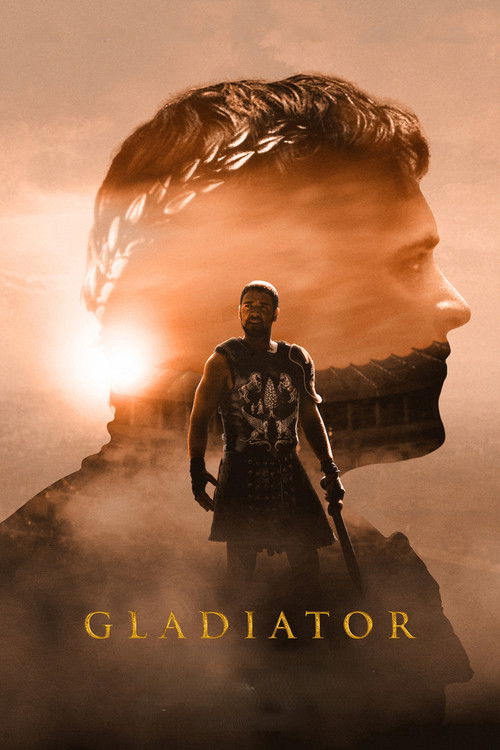
Gladiator2000
Ridley Scott's visceral update of Rome-in-crisis shares the same engine: a good man forced to fight an empire rotting from within. Commodus as villain, the Colosseum as stage, and that particular brand of ancient-world grandeur.
But It's streamlined where the original is sprawling, prioritizing action spectacle over the philosophical deliberation that made the '64 version distinctive.
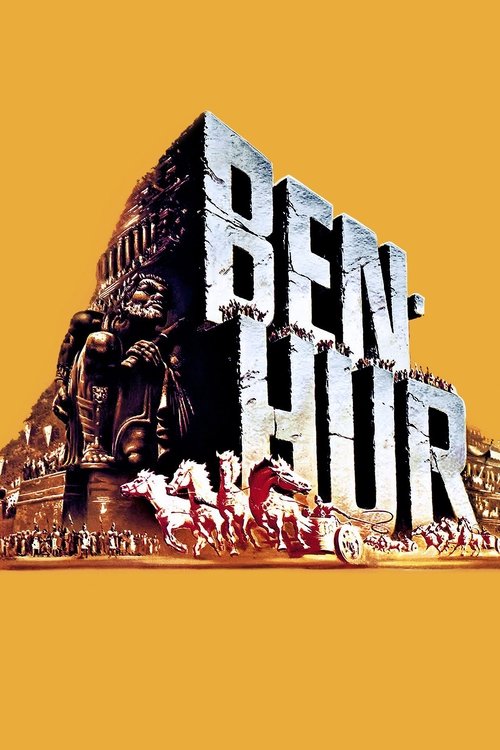
Ben-Hur1959
Another William Wyler-scaled historical epic with Charlton Heston, built on personal revenge and political upheaval in the ancient world. Chariot races and moral redemption in equal measure, with that same sense of civilisational stakes.
But Nearly four hours long, and its pacing reflects 1950s taste—it moves with the speed of a marble column, which some will love and others will find exhausting.
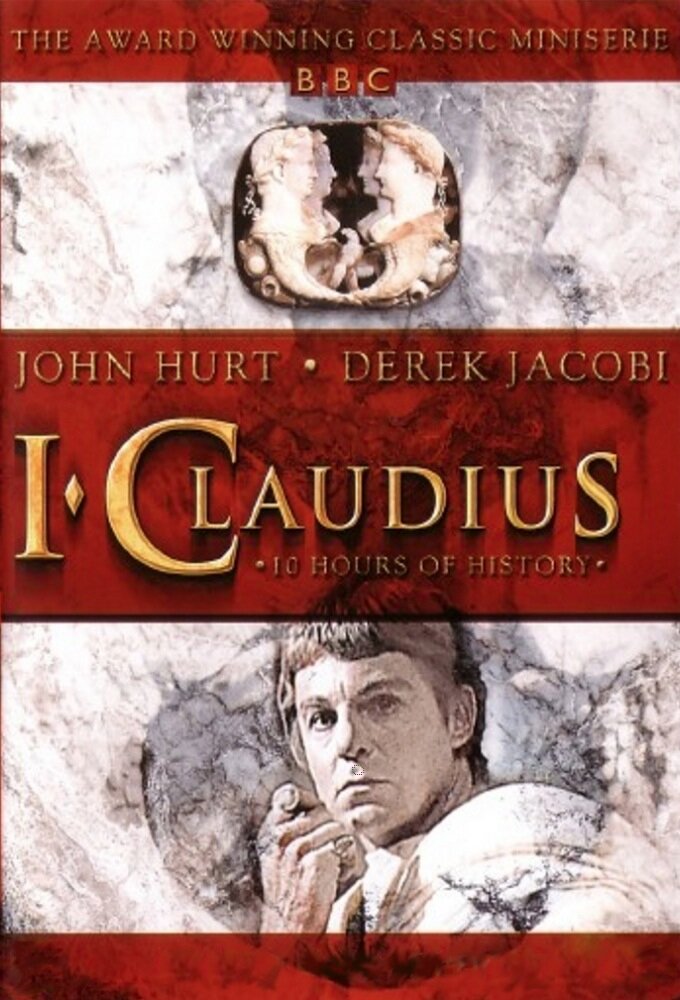
I, Claudius1976
This BBC miniseries covers similar Roman court intrigue with remarkable intelligence, packed with Shakespearean scheming and a stellar cast (Derek Jacobi, John Hurt, Ian Richardson). Political manoeuvring as dramatic engine rather than backdrop.
But Shot in studio with deliberately theatrical staging that can feel airless compared to the grand landscapes Wyler deployed. Also, genuinely bleak about power—there's no redemption arc to latch onto.
Not sure tonight? Get a pick in a minute, starting from The Fall of the Roman Empire
The wildcard
Something you would not have found on your own.
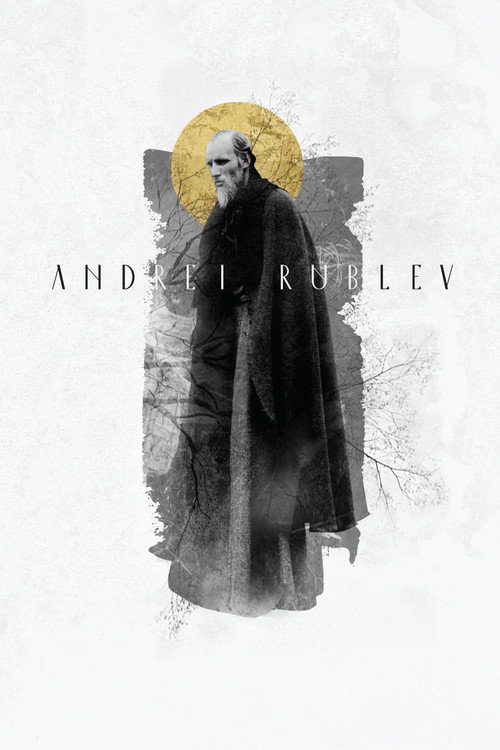
Andrei Rublev1966
Both are philosophical epics about great men watching their worlds change, using history as framework for questions about duty, legacy, and what survives.
Tarkovsky's meditation on an icon painter in medieval Russia is built around the same question as The Fall of the Roman Empire: what does beauty and meaning matter when your civilization is collapsing around you? A masterwork about art, faith, and historical helplessness.
But It's 205 minutes of deliberate, glacial cinema in Russian with minimal plot. If you want narrative propulsion or entertainment value, this will exhaust your patience.
More like this (6)
The Last Temptation of Christ1988
Scorsese's Pasolini-influenced meditation on faith, choice, and historical collapse shares the '64 film's interest in philosophical anguish over action. A man aware of his role in history's machinery, paralysed by the weight of it.
But It's a passion play, not a political drama. If you want external conflict and swordplay, this is interior and often static—some viewers will find it glacial.
The Leopard1963
Visconti's masterpiece about power changing hands in 19th-century Sicily shares the same tragic grandeur: watching civilization transform through the eyes of someone caught between worlds. Burt Lancaster at his finest.
But Deliberately unhurried and built on mood rather than plot momentum. The colour cinematography is sumptuous but the narrative can feel slight if you're craving clear dramatic drive.

Masada1981
This underrated miniseries explores the last stand of Jewish rebels against Rome with genuine narrative tension. Peter O'Toole and Peter Strauss, high stakes, and the same historical weight of empire meeting idealism.
But Made for 1980s television, so the production design has aged—it lacks the visual luxury of a Wyler or Visconti epic, which can flatten the grandeur of the subject.
The Eagle2011
Channing Tatum as a Roman officer on a mission beyond the frontier is far lighter than The Fall of the Roman Empire, but it captures something of the same exploration of duty, honour, and what Rome actually means to the men defending it.
But It's a straightforward adventure film, not a meditation. If you want political intrigue and philosophical texture, this trades it all for sword fights and scenery.
A Dangerous Man: Lawrence After Arabia1992
This HBO film examines a famous figure wrestling with the aftermath of his own historical moment—fame, power, and the gap between the man and the myth. Ralph Fiennes in thoughtful, introspective mode.
But Quiet and introspective to the point of being claustrophobic. No battles, no spectacle—just a man in a room thinking about power.
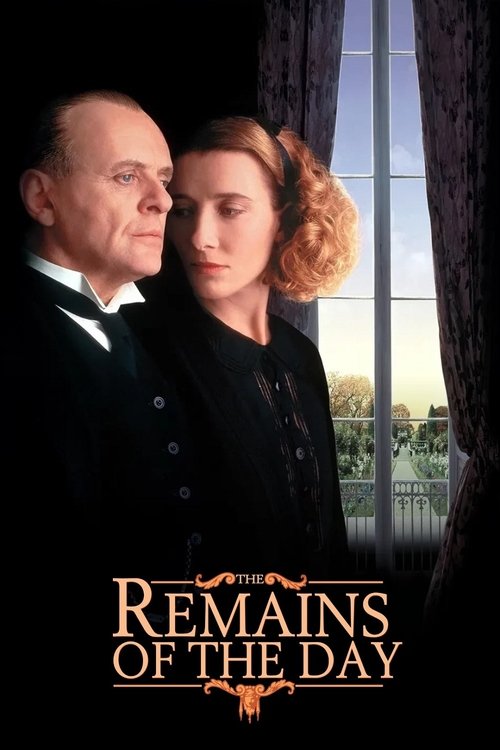
The Remains of the Day1993
Both ask what loyalty means when the system itself is corrupt, and both suggest that even wise people can be trapped by circumstance and their own nature.
James Ivory's film about a butler serving a fascist sympathizer explores complicity, duty, and power from the perspective of someone on the margins of history. Anthony Hopkins wrestling with the weight of his own inaction—philosophical, restrained, and deeply moving.
But It's intimate and buttoned-up rather than grand. No armies, no spectacle—just a man reflecting on his life. If you want historical cinema to feel epic, this will feel deliberately miniaturised.
People
Cast
 Sophia LorenLucilla
 Stephen BoydLivius
 Alec GuinnessMarcus Aurelius
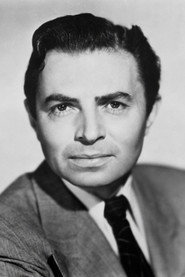 James MasonTimonides
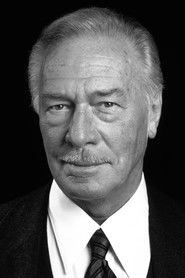 Christopher PlummerCommodus
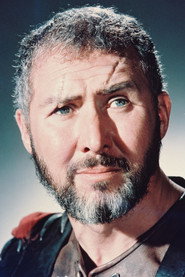 Anthony QuayleVerulus
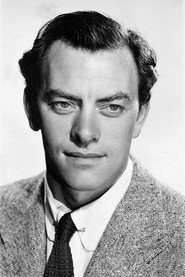 John IrelandBallomar
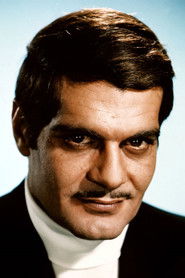 Omar SharifSohamus
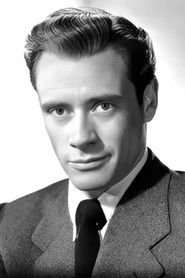 Mel FerrerCleander
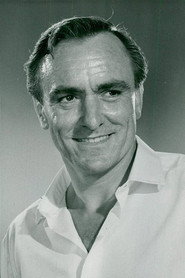 Eric PorterJulianus
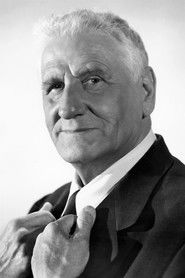 Finlay CurrieSenator
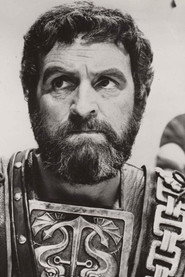 Andrew KeirPolybius
Directing
- José López RoderoAssistant Director
- José María OchoaAssistant Director
- Elaine SchreyeckContinuity
- Anthony MannDirector
- Mauro SacripantiSecond Assistant Director
- Julio SempereSecond Second Assistant Director
- Andrew MartonSecond Unit Director
- Yakima CanuttSecond Unit Director
Writing
- Edward GibbonAuthor
- Basilio FranchinaScreenplay
- Ben BarzmanScreenplay
- Philip YordanScreenplay
Production
- Jaime PradesAssociate Producer
- Michał WaszyńskiAssociate Producer
- Maude SpectorCasting
- Samuel BronstonProducer
- C.O. EricksonProduction Manager
Recommended by
Ben-Hur, El Cid, Cleopatra, The Last King of Scotland, The 300 Spartans, Alexander the Great, Wavelength, Caligula, Blow Job, Chelsea Girls, Sleep, The Flicker, Dune: Part Three, Romulus and Remus, Sign of the Gladiator, Zorns Lemma, La Région Centrale, Ancient Rome: The Rise and Fall of an Empire