
Film
Sign of the Gladiator
A 1959 Italian sword-and-sandal epic where ambition and romance collide across the Roman frontier. Anita Ekberg commands the screen as a queen who nearly topples an empire, then stumbles into genuine feeling for the man sent to stop her. Gorgeously mounted, gloriously melodramatic, and utterly earnest about its own stakes. Pure escapism with a beating heart.
Should you watch it?
Watch it if you enjoy old-fashioned sword-and-sandal spectacle with lush Technicolor scenery, big battle set pieces and a swoony romance between rival commanders who cannot quite trust each other.
Skip it if you want gritty realism or a tight modern pace, since this 1959 Italian epic runs leisurely, leans on melodrama, and plays its political intrigue broadly rather than subtly.
What it asks of you: Settle in for a little under an hour and forty minutes of unhurried, operatic storytelling, where the grand staging and sincere emotion matter more than sharp wit or ironic distance.
Not sure? Find tonight's pick in a minute.
If you liked this
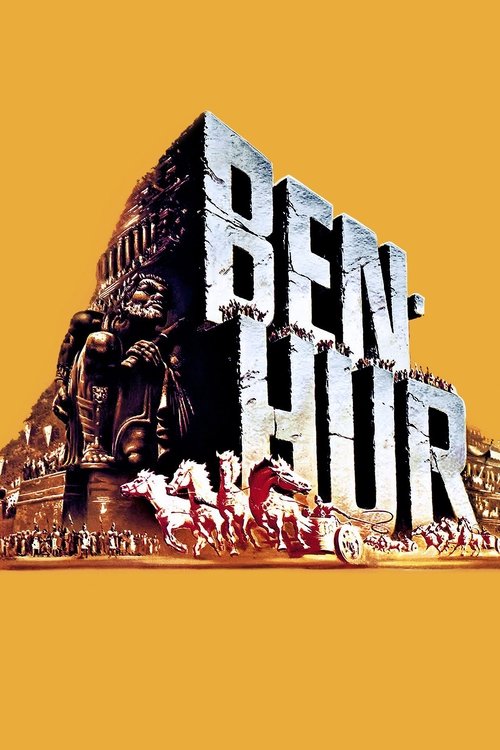
Ben-Hur1959
Released the same year, this is the gold standard of epic spectacle: chariots, crowds, moral weight, and a central love caught between duty and desire. If you loved Zenobia's defiance, Ben-Hur's scope will astonish you.
But Four hours long and deliberately paced. The romance is secondary to the revenge arc, so if you came for the passion, you'll spend time watching men in togas scheme.
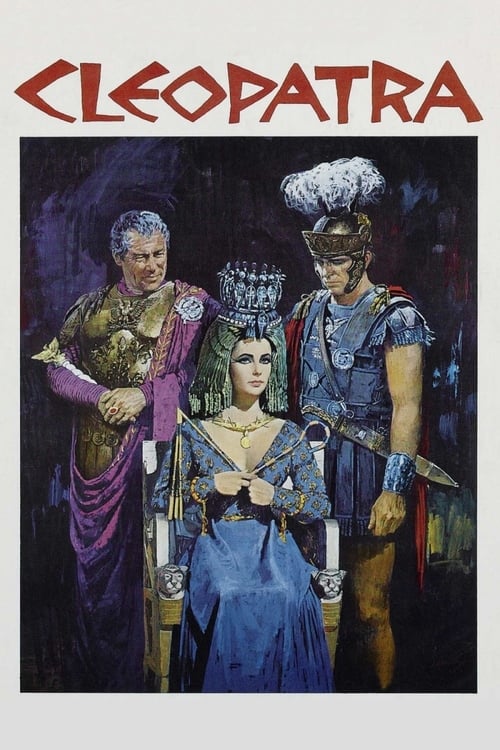
Cleopatra1963
Elizabeth Taylor as another ancient queen who commands nations and falls for a powerful man. Lavishly designed, unapologetically romantic, and stuffed with the kind of operatic drama that makes these films sing.
But Nearly four hours of deliberately slow cinema. The political intrigue can feel like watching paint dry if you're not invested in Roman bureaucracy and personal rivalries.
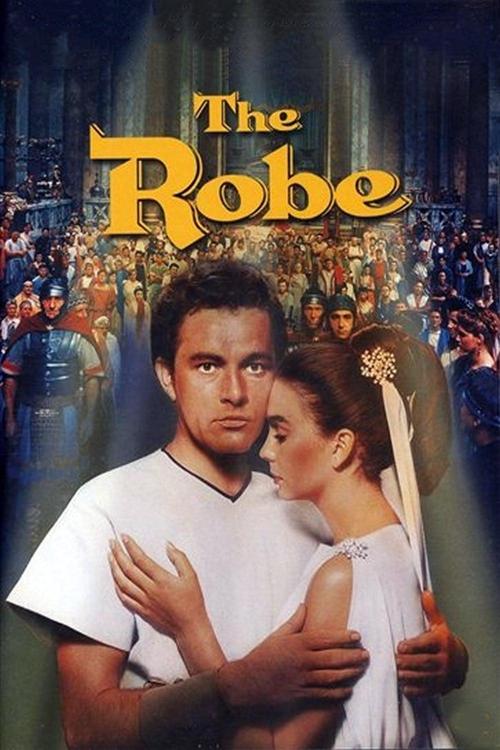
The Robe1953
Early Technicolor spectacle with genuine stakes: a Roman officer grapples with faith while caught between loyalty and conscience. The action sequences are thrilling and the emotional core is surprisingly solid.
But Deeply Christian in its message. If religious themes make you uneasy, this film wears them on its sleeve without apology.
Not sure tonight? Get a pick in a minute, starting from Sign of the Gladiator
The wildcard
Something you would not have found on your own.
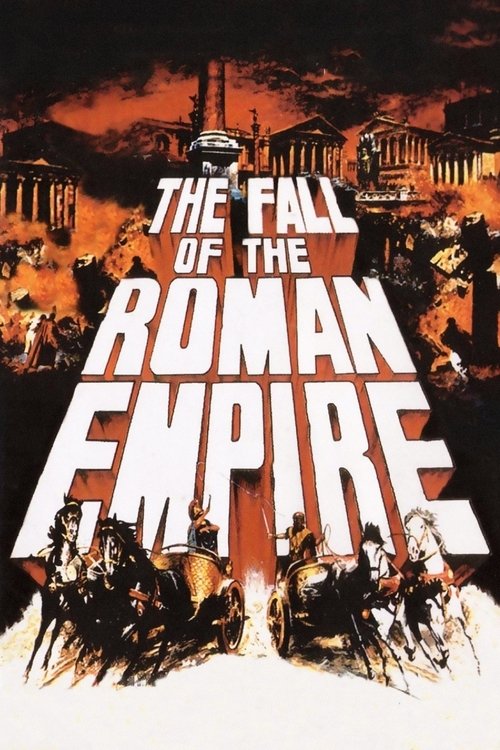
The Fall of the Roman Empire1964
Both films center on a powerful woman whose emotional choice has geopolitical consequences; both ask whether love can survive when empires collide.
Sophia Loren, Alec Guinness, and Christopher Plummer navigate the actual collapse of an empire through politics, philosophy, and personal betrayal. Epic in scope but intimate in its focus on how power corrupts those who wield it.
But Deliberately intellectual for a sword-and-sandals film. Long scenes of debate and moral quandary instead of action. If you want spectacle over substance, you'll be bored.
More like this (7)
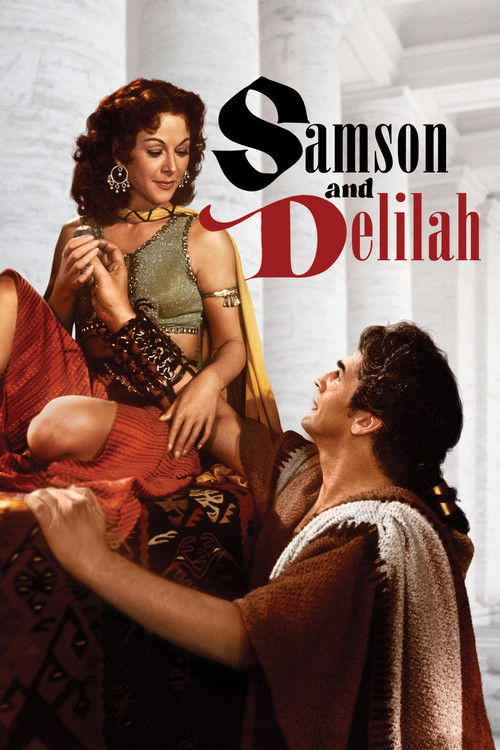
Samson and Delilah1949
Hedy Lamarr radiates danger and seduction as a woman who brings down a man through love and betrayal. Gorgeous Technicolor, impressive action, and that perfect collision of intimacy and epic stakes.
But The pacing feels theatrical rather than cinematic. Long scenes of dialogue and scheming between the spectacle sequences may test your patience.
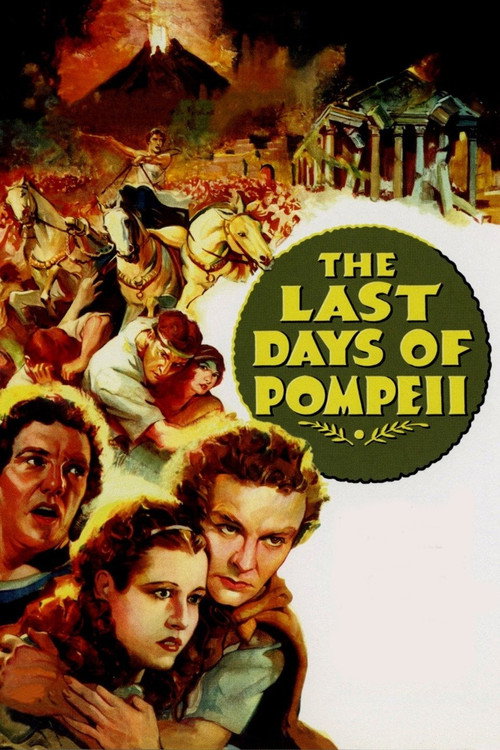
The Last Days of Pompeii1935
A man of action caught in personal conflict while a city burns around him. Real disaster filmmaking from the era, with genuine thrills and a lead who evolves from gladiator to something deeper.
But The print quality varies wildly depending on where you find it. Some scenes look like they're being transmitted from another dimension.
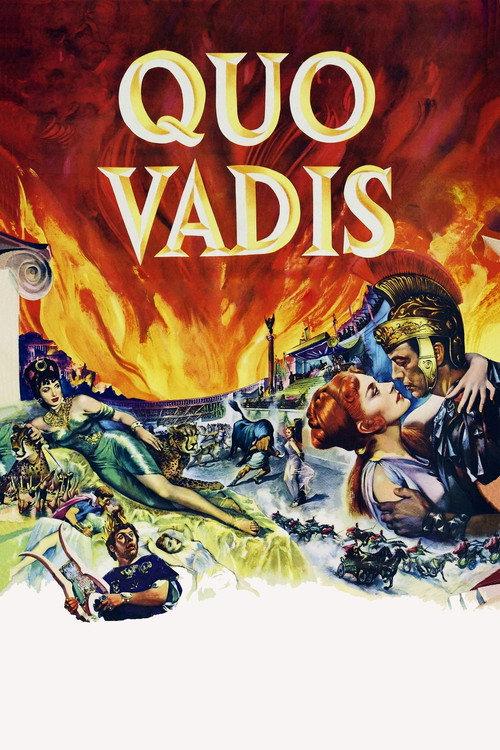
Quo Vadis1951
A Roman general falls for a Christian slave, and the conflict between power and faith tears everything apart. Lavishly produced, morally complex, and genuinely moving in its violence and tenderness.
But Runs nearly three hours. The religious messaging is earnest and unavoidable, and the political intrigue can feel like filler between set pieces.
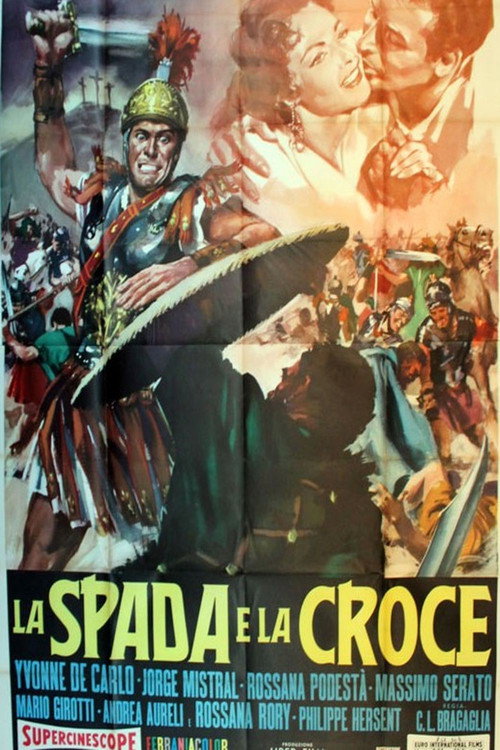
The Sword and the Cross1958
A slave in ancient Rome navigates love, slavery, and freedom across gorgeous sets and crowded scenes. Similar era, similar production values, with an unflinching look at what power actually costs.
But Dubbed from Italian, and the dubbing is stiff. The acting can feel theatrical if you're used to naturalistic performances.
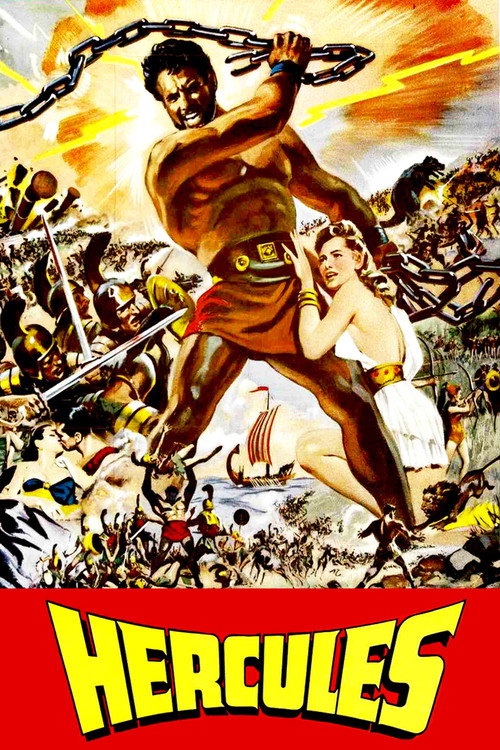
Hercules1958
Steve Reeves as a demigod caught between heroic duty and personal desire. Colour-saturated sets, absurd ambition, and a sincerity that makes it irresistible fun. The action is genuinely inventive.
But The logic of the plot is held together with rope. If you need things to make sense, this will frustrate you.
A Distant Trumpet1964
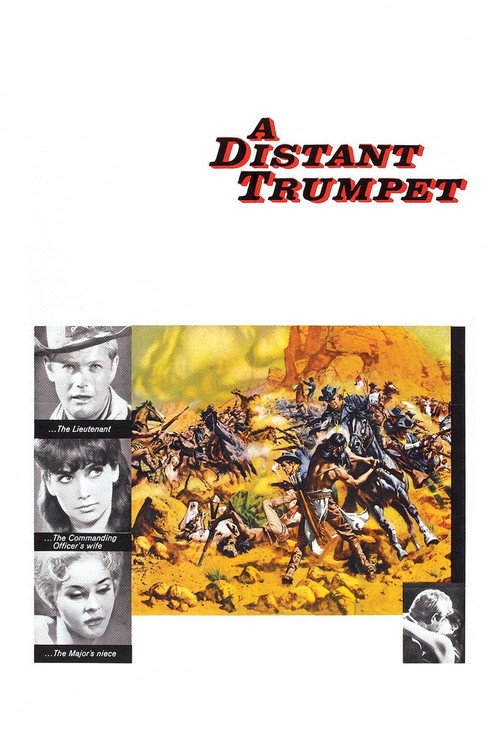
The exact same engine: a skilled officer in uniform falls for a woman from an enemy culture, and must choose between honor and the heart.
A frontier epic about loyalty torn between nations and ideologies. Troy Donahue as a cavalry officer caught between duty to his regiment and love for a woman on the other side. Widescreen, gorgeously shot, underrated.
But It's a Western, not ancient history—a completely different setting. The pacing is glacial, and the politics are earnest in a way that can feel heavy-handed.
The Possession of Joel Delaney1972
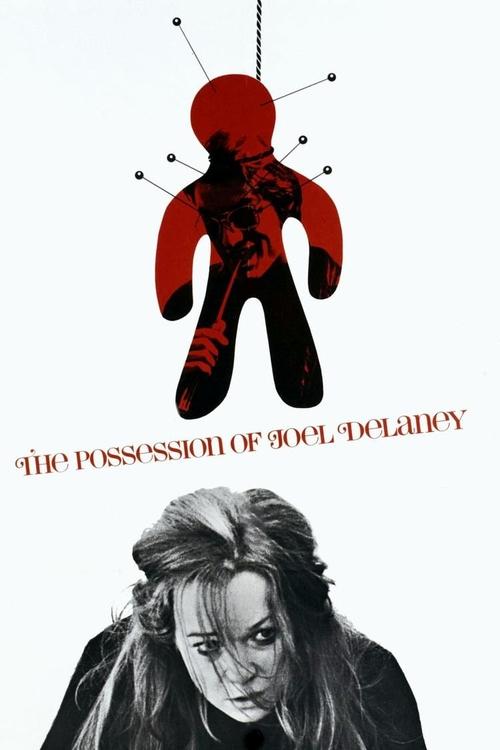
Both films feature Ekberg commanding the screen as a woman confronting forces larger than herself; both ask what happens when power—whether political or supernatural—destroys everything you love.
Anita Ekberg herself, pivoting entirely away from costume epics into a New York horror film about possession and family trauma. She's mesmerizing as a woman desperate to save her brother from something she can't understand or control.
But It's a 70s occult horror film: grainy, disorienting, and genuinely unpleasant in places. If you're expecting the glamour of her earlier work, this will feel like an entirely different actress.
People
Cast
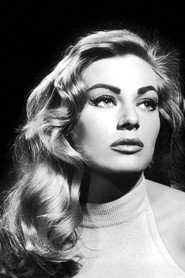 Anita EkbergZenobia, Queen of Palmira
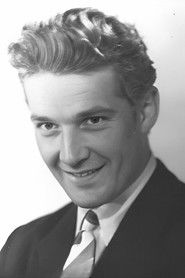 Georges MarchalMarcus Valerius, Roman Consul
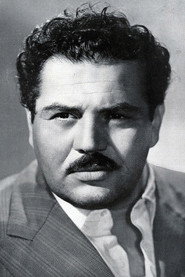 Folco LulliZemanzius, Zenobia's Prime Minister
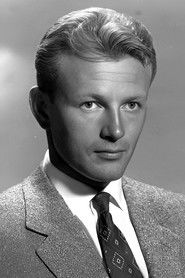 Jacques SernasJulianus, Roman Centurian
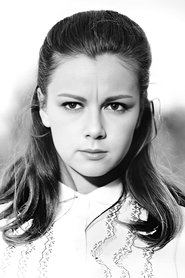 Lorella De LucaBathsheba, the Vestal
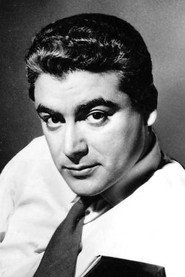 Alberto FarneseMarcello
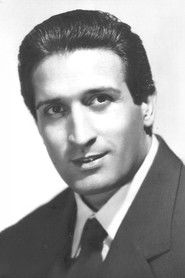 Mimmo PalmaraLator
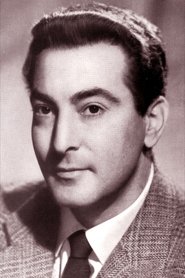 Alfredo VarelliVithos
- Sergio SauroFlavio
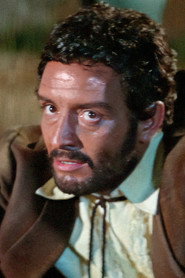 Remo De AngelisJulianus' Friend
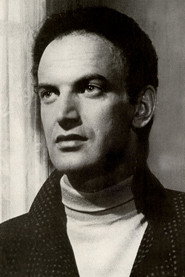 Paul MüllerHigh Priest
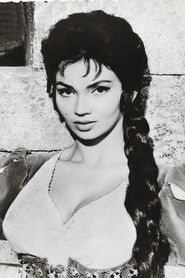 Chelo AlonsoErica, Zemanzius' Favourite and Dancer
Directing
- Guido BrignoneDirector
- Michele LupoFirst Assistant Director
- Gigliola RosminoScript Supervisor
- Michelangelo AntonioniSecond Unit Director
- Riccardo FredaSecond Unit Director
Writing
- Francesco De FeoScreenplay
- Francesco ThellungScreenplay
- Giuseppe MangioneScreenplay
- Guido BrignoneScreenplay
- Sergio LeoneScreenplay
- Francesco De FeoStory
- Francesco ThellungStory
- Giuseppe MangioneStory
- Guido BrignoneStory
- Sergio LeoneStory
Production
- Enzo MerolleProducer
- Sante ChimirriProduction Assistant
- Tonino GarzarelliProduction Assistant
- Vittorio Musy GloriProduction Coordinator
- Rino MerolleProduction Manager
- Fernando CinquiniProduction Supervisor
- Sergio MerolleProduction Supervisor