
Film
The Last Days of Pompeii
Other titles called The Last Days of Pompeii: the 1926 film, the 1959 film.
A 1935 spectacle of ancient Rome colliding with catastrophe. A blacksmith claws toward power as a gladiator, only to face his son's faith and Mount Vesuvius's wrath. Basil Rathbone commands as Pontius Pilate. It's operatic, earnest, and built on sets that dwarf the actors—exactly what Hollywood thought epics should be.
Should you watch it?
Watch it if you love old-Hollywood spectacle, with grand sets, gladiator sand and a sweeping, earnest faith in big emotional gestures, the kind of story where a crowd roar matters as much as a line of dialogue.
Skip it if you need modern pacing or subtle performances, since the acting is broad, the dialogue is stagey and the picture moves at the unhurried clip of its era.
What it asks of you: Roughly an hour and a half of patience with 1935 filmmaking: rhetorical speeches, theatrical gestures and long stretches of set-up before the arena and the mountain finally take over.
Not sure? Find tonight's pick in a minute.
If you liked this
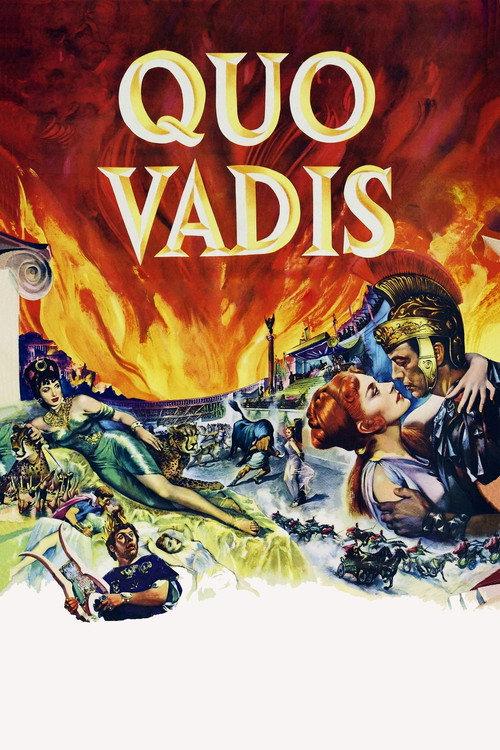
Quo Vadis1951
A sprawling Roman epic with similar theological tension: early Christians navigating imperial power. Robert Taylor and Ava Gardner anchor a production even larger in scale, with genuine spectacle and moral weight.
But Three and a half hours of 1950s Technicolor earnestness. The pacing assumes you'll sit still for long passages of dialogue about faith versus ambition.
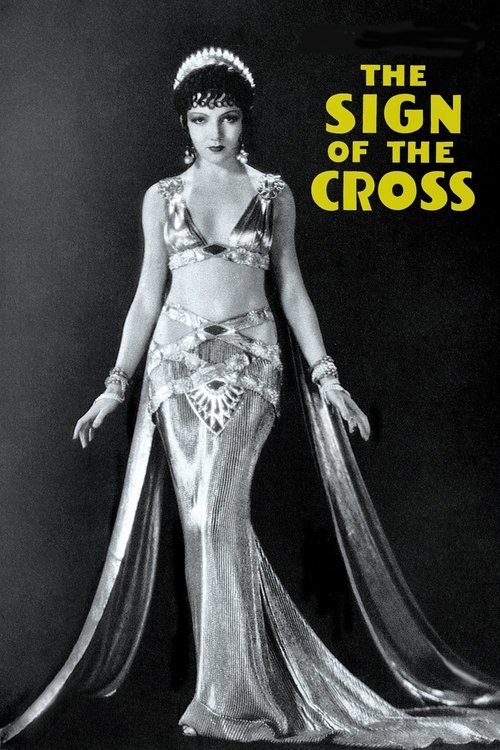
The Sign of the Cross1932
Made three years before Pompeii, also directed by DeMille, it shares the same DNA: Christians versus Rome, sexual temptation, collapsing empires. Claudette Colbert is mesmerizing. It's the blueprint this film follows.
But Pre-Code morality plays feel quaint now, and some spectacle hasn't aged gracefully. The pacing meanders between philosophy and action.
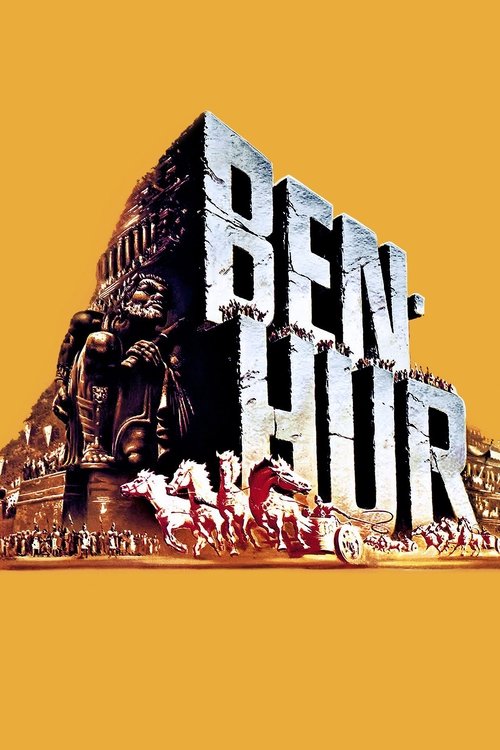
Ben-Hur1959
The definitive sword-and-sandals epic. A wronged man rises through slavery and chariot racing while Christianity spreads. It has the scale, the action, the moral architecture Pompeii reaches for—and actually lands it.
But It's nearly four hours. The opening acts are slow. Some will find it too reverent, others too Hollywood about faith.
Not sure tonight? Get a pick in a minute, starting from The Last Days of Pompeii
The wildcard
Something you would not have found on your own.
The Last Temptation of Christ1988
Both pit religious conviction against human appetite and ask whether salvation is worth the cost. One uses spectacle to explore the question; the other uses silence.
Scorsese inverts the register entirely: intimate, psychological, visually austere where Pompeii is grand. It wrestles with the same collision—faith versus flesh, duty versus desire—but inside a man's mind rather than across sets. Profound and disturbing.
But It's deliberately provocative about Christ's humanity. Many found it blasphemous on release. The pacing is meditative, almost slow, and the violence is spiritual rather than physical.
More like this (7)
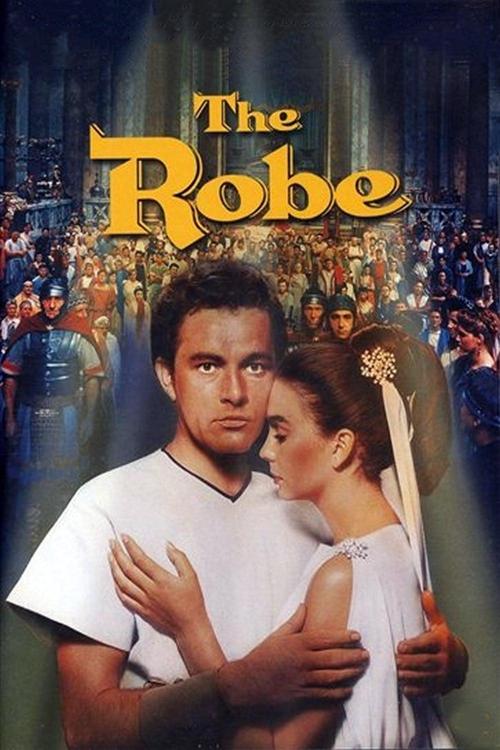
The Robe1953
Another collision of empire and Christianity, filtered through a Roman soldier's crisis of conscience. Richard Burton and Jean Simmons, Cinemascope grandeur, and a story about what we're willing to betray ourselves for.
But The early '50s religious epic tone doesn't work for everyone. It's earnest in a way that can feel dated if you're impatient with sentiment.
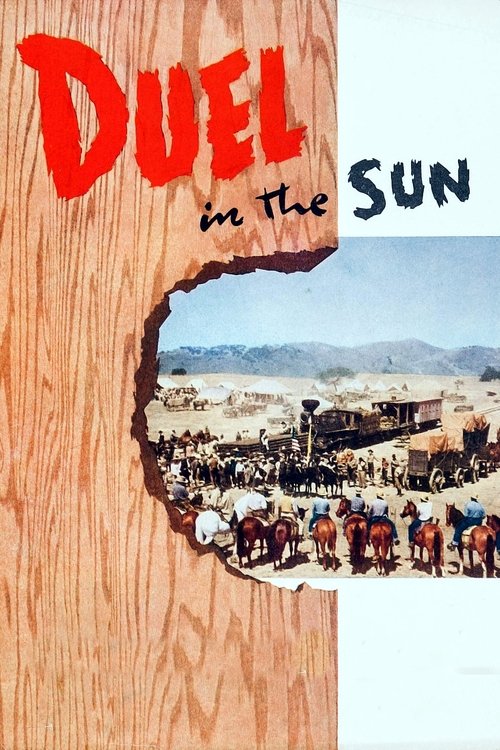
Duel in the Sun1946
Not Rome, but same era of Technicolor melodrama with physical stakes. A woman caught between two men and two worlds, all passion and landscape and moral reckoning. David O. Selznick's baroque sensibility on full display.
But Overwrought by design. If you don't buy into the operatic register, it's exhausting rather than gripping.
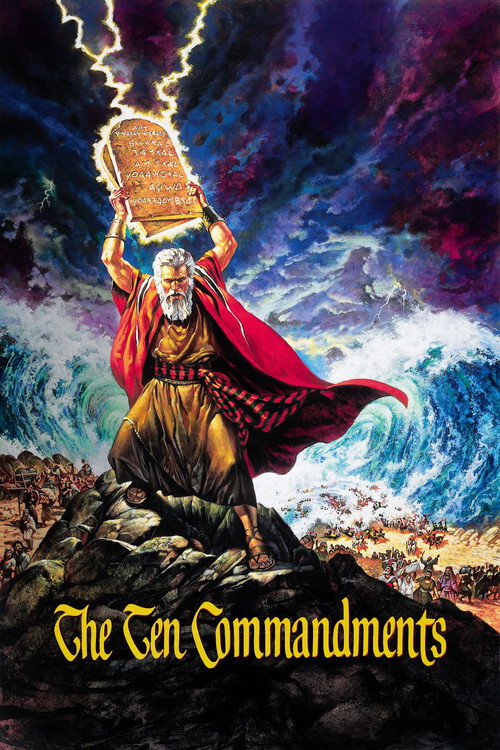
The Ten Commandments1956
DeMille's maximal vision: God, Egypt, spectacle, and Charlton Heston. If you want to understand what moved audiences in this era, this is the apotheosis. Genuinely thrilling action sequences.
But Nearly four hours of DeMille's particular brand of piety. Heston's performance is monumental in ways that can read as unintentionally comic.
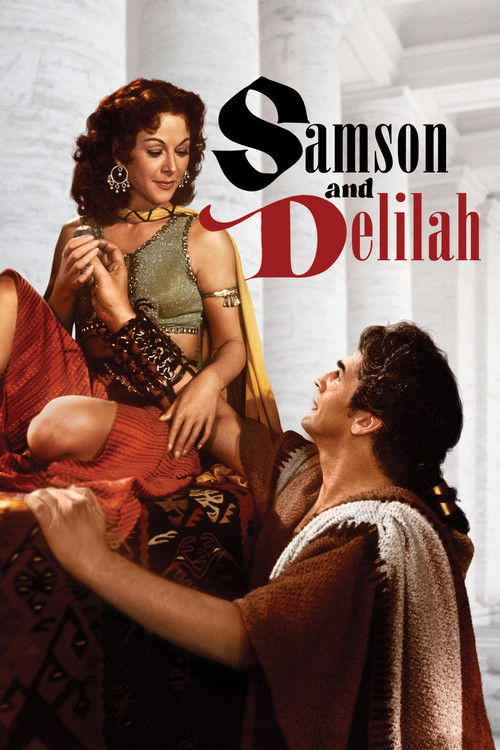
Samson and Delilah1949
Biblical muscle-and-romance spectacle with Victor Mature and Hedy Lamarr. It has the Pompeii mix: a man's rise, a woman's ruin, divine judgment. Colorful, energetic, unapologetic about its melodrama.
But The acting is broad. If you need subtlety or psychological realism, this delivers neither and doesn't care.
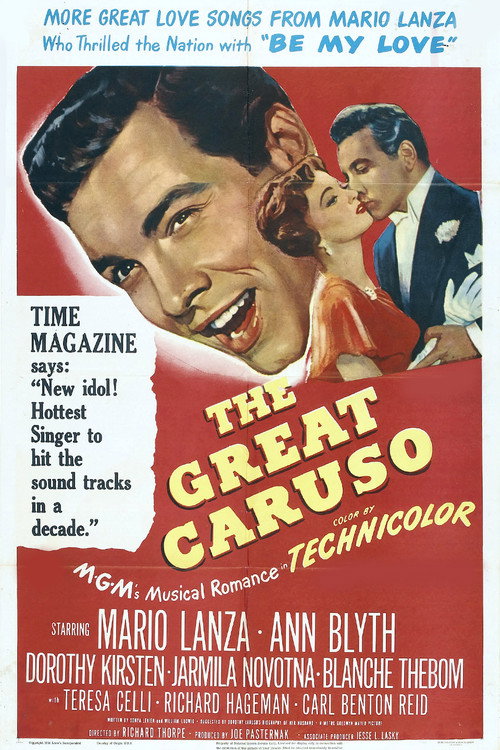
The Great Caruso1951
Mario Lanza's voice carries a film about an artist's ambition and sacrifice. Less spectacle than Pompeii, but the same architecture: a man's gift becomes his prison. The music is transcendent.
But It's a biopic held together by voice, not plot. Long stretches are operatic recital. Lanza's personal life dramas seep into the screen.
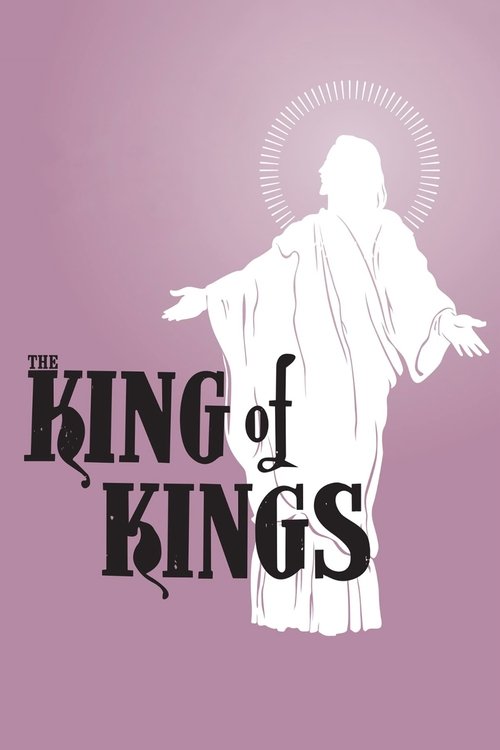
The King of Kings1927
Silent era religious epic with genuinely innovative filmmaking. Cecil B. DeMille at his formal most ambitious. The Passion story told with restraint and visual poetry that the talkies often abandoned for dialogue.
But It's silent. If you need modern pacing and editing, the rhythm will feel glacial. Some sequences are dated in their theology.
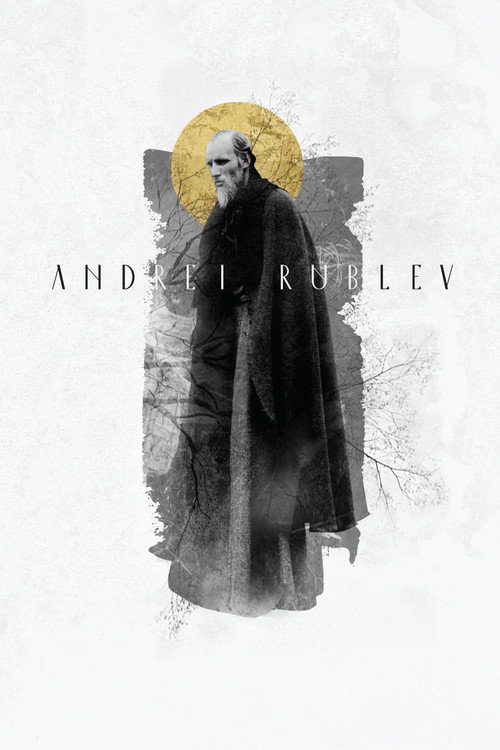
Andrei Rublev1966
Both are about an artist's hands and conscience colliding with historical catastrophe. One is spectacle asking why God allows suffering; the other is silence accepting that we may never know.
Tarkovsky's meditation on faith, creation, and violence. A Russian icon-painter under the Mongol invasions. It has Pompeii's moral weight—a man trying to create beauty while civilization collapses around him—but rendered in black-and-white austerity and philosophical patience.
But Slow. Difficult. Nearly three hours of a director asking what faith means when the world is burning. Not a story; an interrogation.
People
Cast
 Preston FosterMarcus
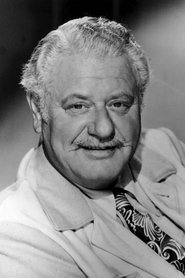 Alan HaleBurbix
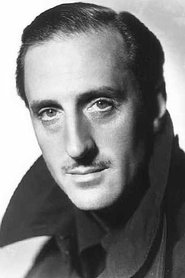 Basil RathbonePontius Pilate
- John WoodAdult Flavius
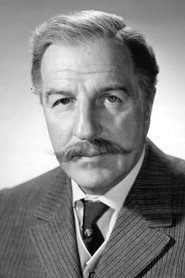 Louis CalhernPrefect Allus Martius
 David HoltFlavius as a Boy
 Dorothy WilsonClodia
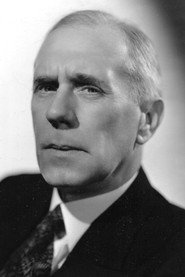 Wyrley BirchLeaster
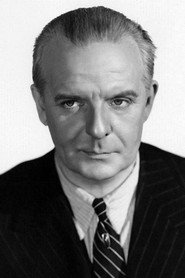 Frank ConroyGaius Tanno (uncredited)
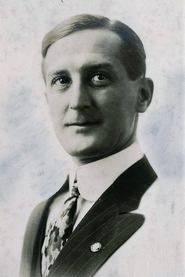 William V. MongCleon the Slave Dealer (uncredited)
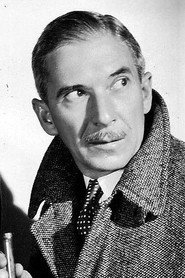 Murray KinnellSimon (uncredited)
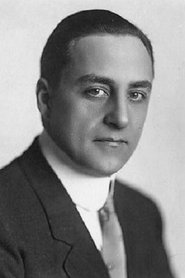 Henry KolkerWarder (uncredited)
Recommended by
Quo Vadis, 10,000 BC, The Sign of the Cross, Deluge, The Rains Came, Solomon and Sheba, Flood, Pompeii: The Last Day, Sign of the Gladiator, The Ten Commandments