
Film
The Ten Commandments
Other titles called The Ten Commandments: the 1956 film.
Cecil B. DeMille's 1923 epic splits into two halves: a sweeping biblical retelling of Moses and the exodus, then a modern morality play set in San Francisco about two brothers whose rivalry tests the Ten Commandments in everyday life. It's visually sumptuous silent cinema—the parting of the Red Sea alone justified the studio's investment. For anyone curious about how cinema used to tell stories, or how spectacle and faith once spoke the same language.
Should you watch it?
Watch it if you love silent-era spectacle, where crowds, sets and sweeping staging do the talking and the grandeur is the point, and you don't mind a story told in big gestures.
Skip it if silent acting and title cards may feel stagey and dated to you, and if you need quick pacing or modern naturalism, the 136 minutes will test your patience.
What it asks of you: A long, deliberate build where scenes linger and the story jumps between two eras, so you'll need to settle in and let the pageantry unfold at its unhurried speed.
Not sure? Find tonight's pick in a minute.
If you liked this
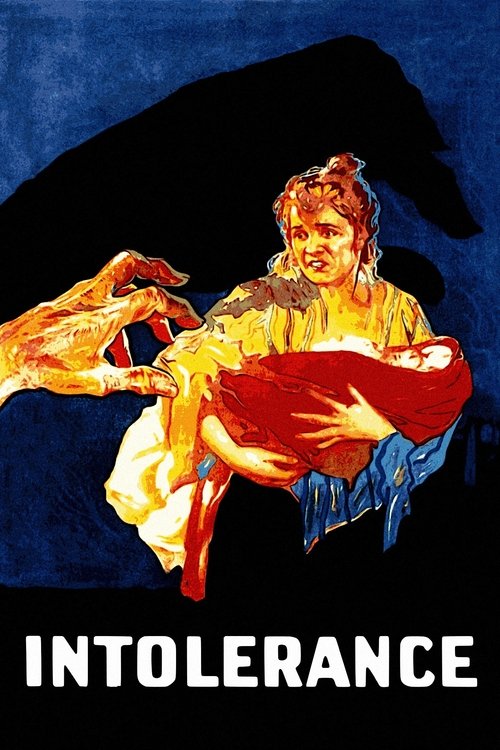
Intolerance: Love's Struggle Throughout the Ages1916
Griffith's response to censorship is a four-part epic spanning centuries, each era illustrating the same theme. The Babylon sequence alone is a masterclass in scale and ambition. If you loved DeMille's reach, this is where he learned it.
But It runs 187 minutes and the narrative structure can feel bewildering on first viewing. The film also carries the moral baggage of its era, which requires honesty from viewers.
Ben-Hur: A Tale of the Christ1925
Released just two years after Ten Commandments, this epic matches it in scale and adds the visceral drama of the chariot race. It's a duel between two men set against early Christianity, giving the spectacle genuine emotional stakes.
But Nearly four hours long. The pacing is unhurried; modern audiences sometimes find silent epics test their patience.

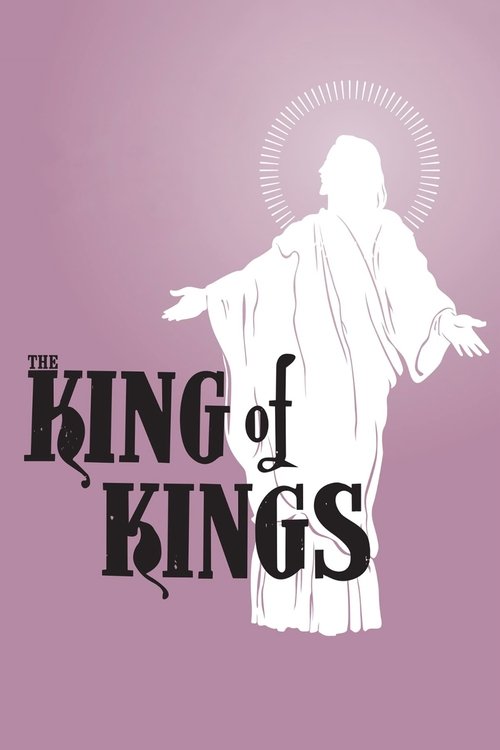
The King of Kings1927
DeMille's own follow-up, this life of Christ is even more lavish and technically audacious. The transition from black-and-white to colour during the resurrection is stunning. It shows DeMille refining what he learned making Ten Commandments.
But The religious material is presented reverently and unambiguously. If you watch faith-based film with skepticism, this won't hide that.
Not sure tonight? Get a pick in a minute, starting from The Ten Commandments
The wildcard
Something you would not have found on your own.
Häxan1922
Both are ambitious silent epics using vast tableaus and technical innovation to visualize the invisible—faith and superstition. Both care more about the texture and scale of their subjects than plot coherence.
A Swedish film about witchcraft across history, structured as a pseudo-documentary with staged sequences. Released the year before Ten Commandments, it's equally bold and visually inventive but concerns itself with darkness and the irrational. Both films use scale to make invisible ideas visible, but Häxan doesn't flinch from cruelty and absurdity.
But It's genuinely disturbing in places—torture, possession, graphic imagery treated without sentiment. Purely as information, the witchcraft 'science' is antique and sometimes laughable, which may undercut the horror.

More like this (8)
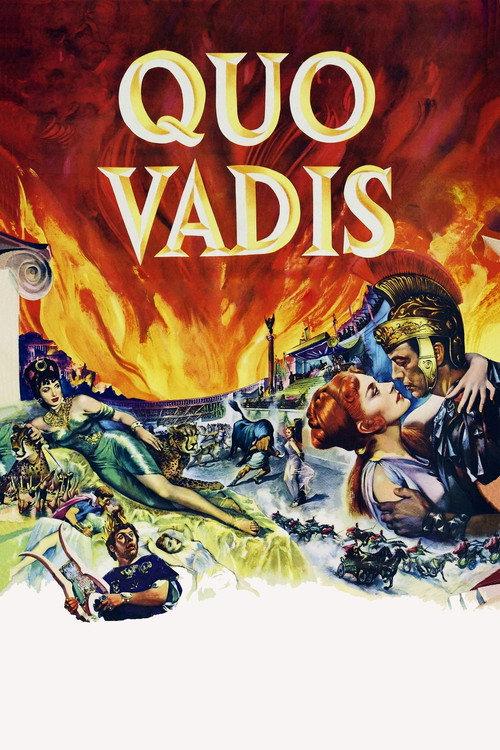
Quo Vadis1951
An Italian epic made in Cinecittà with massive sets and thousands of extras. It recounts Nero's Rome and early Christian persecution with genuine spectacle and surprisingly intimate character moments. A bridge between silent epics and the Technicolor age.
But Dubbing from Italian to English can feel theatrical. The pacing is deliberate and the runtime stretches past two hours.
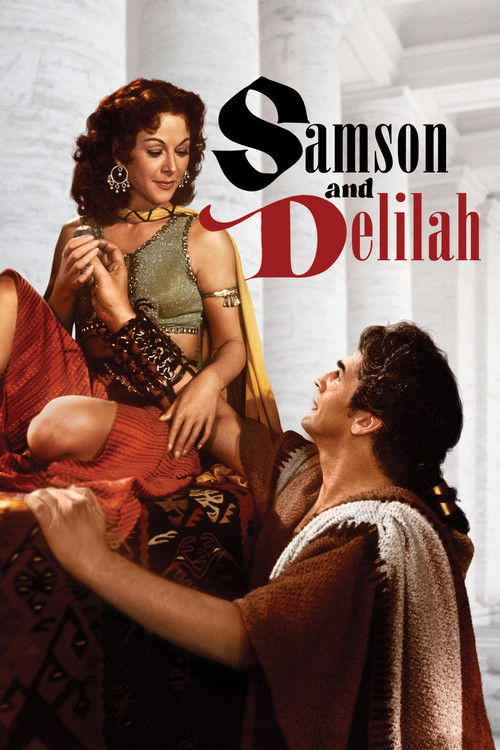
Samson and Delilah1949
DeMille himself directed this later biblical epic in full colour. Hedy Lamarr and Victor Mature crackle with chemistry. It has the excess and moral clarity of Ten Commandments but with the technical polish of post-war Hollywood.
But It's campy by design and sometimes unintentionally so. If you want subtle, you're looking at the wrong film.
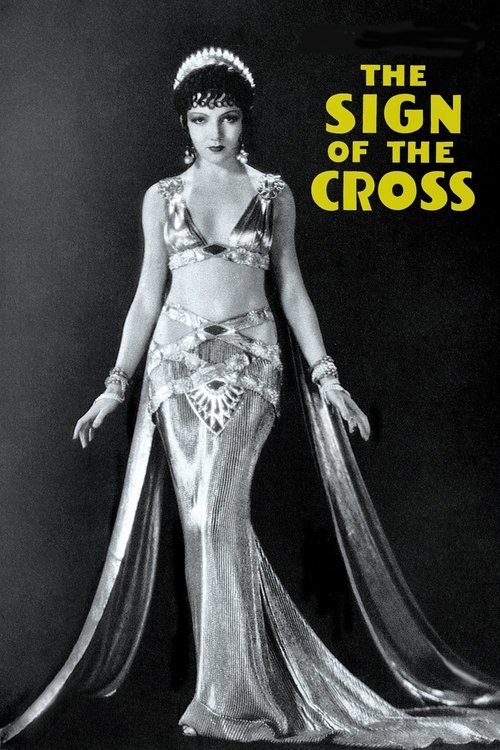
The Sign of the Cross1932
Early sound-era DeMille set in Nero's Rome. The opening hour is a masterwork of tension—a Roman general and a Christian woman amid imperial debauchery. Once it hits the arena, you understand why audiences kept returning to this material.
But Sound design is crude by modern standards. The moral didacticism accelerates in the final act; some find it heavy-handed.
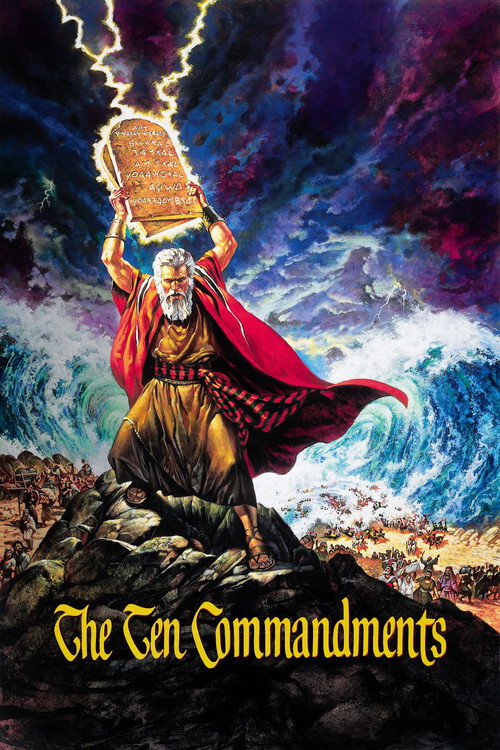
The Ten Commandments1956
DeMille's own colour remake. Charlton Heston towers over the production. It's a different animal from the original—more confident in its bombast, with special effects that still astonish. A fascinating dialogue between the two versions.
But At 220 minutes it's exhausting. The 1956 version erases the modern-day second half, losing an unexpected element that made the original more strange and morally complex.
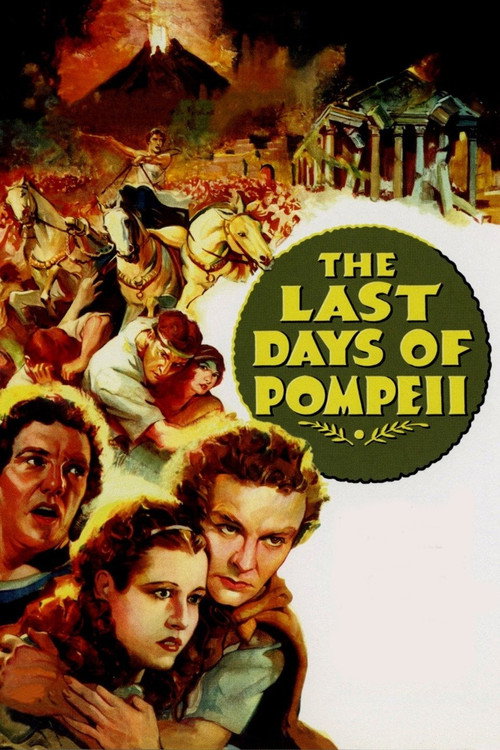
The Last Days of Pompeii1935
A spectacle focused on the eruption of Vesuvius, mixing biblical-era grandeur with technical ambition. It's a smaller film than Ten Commandments but achieves genuine awe through the destruction sequence. Shows how other filmmakers tried to harness DeMille's formula.
But The human story is thin. Once the volcano erupts, character arcs become secondary to spectacle.
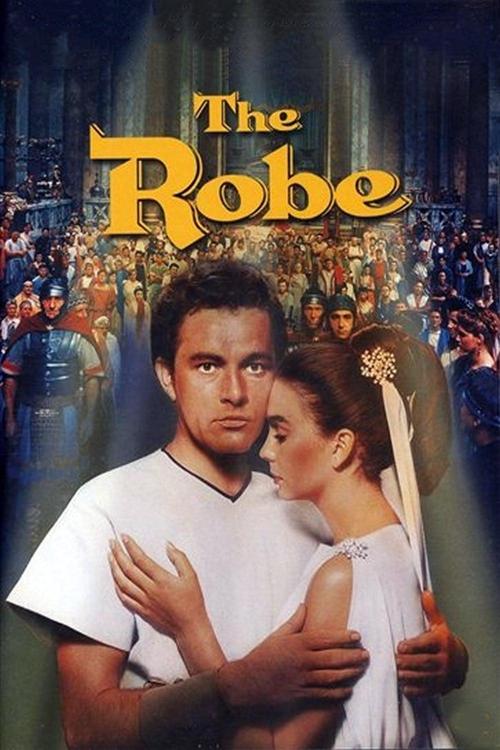
The Robe1953
The first CinemaScope epic, a technical marvel that uses the wide frame to recreate the grandeur of biblical Rome. Richard Burton and Jean Simmons anchor it emotionally. A demonstration of how post-war technology tried to recapture the wonder of silent epics.
But CinemaScope can look distorted on smaller screens. The framing choices sometimes feel awkward by modern standards.
Sunrise: A Song of Two Humans1927
Both examine sin and moral law, but through opposite lenses. DeMille shows the law written in stone; Murnau shows it written in a man's conscience. Both use every technical resource available to them, but to opposite emotional ends.
F.W. Murnau's masterpiece plays like an anti-epic: intimate moral drama scaled to human gesture rather than crowd spectacle. A man tempted to drown his wife finds redemption through crisis. It's a Ten Commandments story—sin, judgment, redemption—but filmed as chamber drama with the technical brilliance DeMille poured into crowds.
But It's profoundly slow by modern standards, asking you to live in silences and glances. The emotional register is melancholic rather than triumphant.

A Page of Madness1926
Both are 1920s masterworks of silent cinema using every technical innovation available. But where DeMille builds outward to contain moral law in spectacle, Kinugasa builds inward to shatter coherence and show how perception fractures. They represent two poles of what silent cinema could attempt.
Japanese avant-garde from Teinosuke Kinugasa, a silent film about mental illness and institutional confinement told through disorienting montage and distorted camera work. It's contemporary with Ten Commandments and just as ambitious technically, but working from the inside out—subjectivity and fragmentation rather than grand narrative.
But The narrative is fractured intentionally; it resists summary. The camera work is jarring and some find it migraine-inducing. It's a demanding watch without the compensating grandeur of an epic.

People
Cast
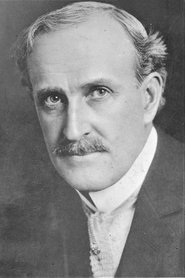 Theodore RobertsMoses - The Lawgiver
 Charles De RochefortRameses - the Magnificent: Prologue
 Estelle TaylorMiriam - the Sister of Moses: Prologue
 Julia FayeThe Wife of Pharaoh
 Pat MooreThe Son of Pharaoh - Prologue
 James NeillAaron - Brother of Moses: Prologue
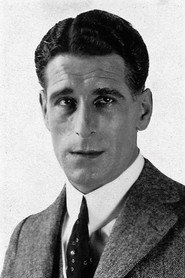 Lawson ButtDathan - The Discontented
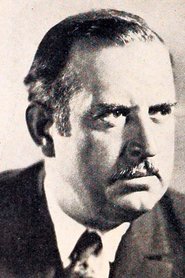 Clarence BurtonThe Taskmaster - Prologue
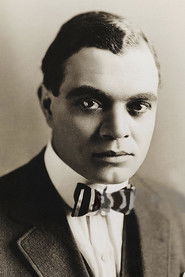 Noble JohnsonThe Bronze Man - Prologue
 Edythe ChapmanMrs. Martha McTavish
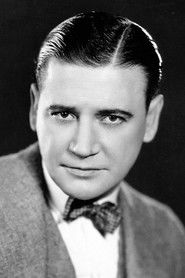 Richard DixJohn McTavish
 Rod La RocqueDan McTavish