
Film
The King of Kings
Cecil B. DeMille's 1927 silent epic transforms the life of Christ into a spectacular blockbuster, balancing reverence with showmanship. Shot on an enormous budget with thousands of extras and hand-tinted sequences, it's a portrait of faith rendered as cinema event. For anyone curious about early Hollywood's ambitions or how the silent era handled grand spiritual drama.
Should you watch it?
Watch it if you love silent-era spectacle built on sweeping crowd scenes and old-fashioned showmanship, and are curious how a studio epic handled the Gospel story with pageant-sized ambition.
Skip it if you want a lean, intimate retelling; this is a 155-minute reverent pageant, built on scripture and crowd spectacle rather than close, character-driven drama.
What it asks of you: Settle in for over two and a half hours of patient, silent storytelling, where you read title cards, take in the pageantry, and let the reverence set the pace.
Not sure? Find tonight's pick in a minute.
If you liked this
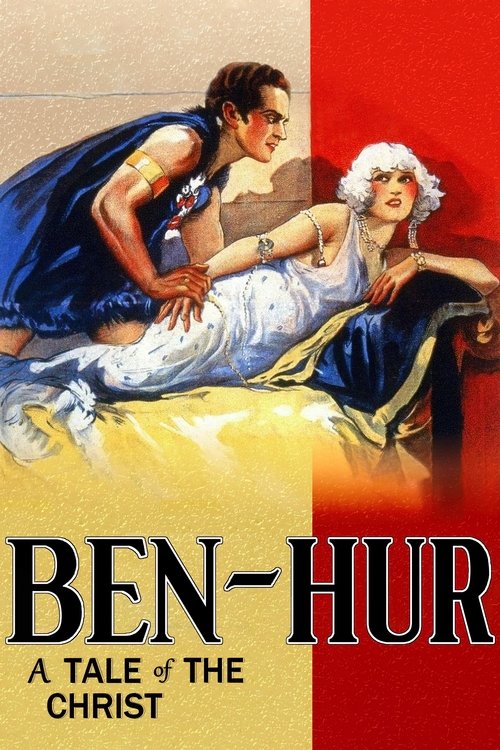
Ben-Hur: A Tale of the Christ1925
Fred Niblo's epic chariot race and crucifixion backdrop set the template for biblical spectacle. It's thrilling as pure cinema and deeply felt as faith—proof that silent film could handle both scale and soul.
But Nearly four hours long, and the pacing reflects 1920s editing rhythms. Some scenes lag where a modern cut would tighten.
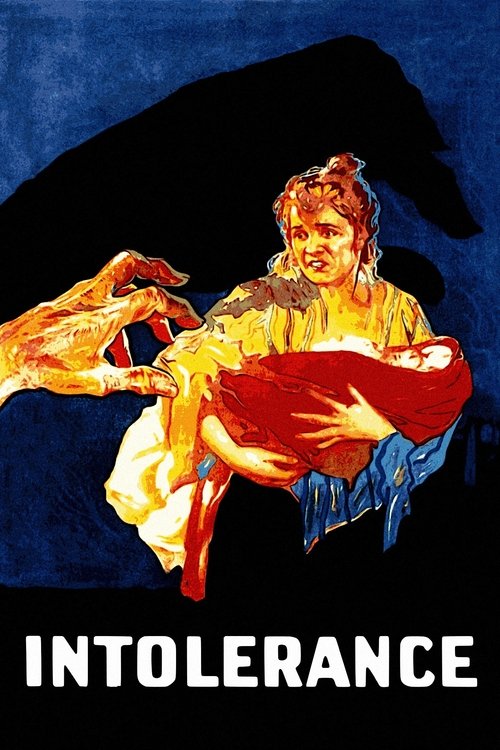
Intolerance: Love's Struggle Throughout the Ages1916
D.W. Griffith's audacious four-story structure parallels Christ's crucifixion across centuries. It's visually stunning and narratively daring—the closest thing to DeMille's ambition in the silent era, but far stranger and more experimental.
But The narrative jumps between timelines can disorient. Some intertitles are heavy-handed, and the pacing tests patience even for silent-film devotees.
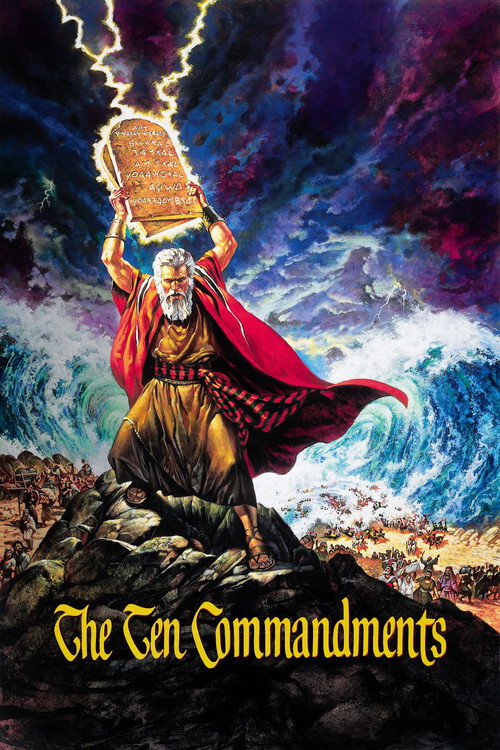
The Ten Commandments1956
DeMille remade his own biblical epic in colour and VistaVision, with the Red Sea parting and Charlton Heston commanding the screen. If you want to see how the director revisited Scripture with new tools, this is the other masterwork.
But Three-and-a-half hours, and the camp factor is real. Heston's delivery of some lines feels overwrought by modern standards.
Not sure tonight? Get a pick in a minute, starting from The King of Kings
The wildcard
Something you would not have found on your own.
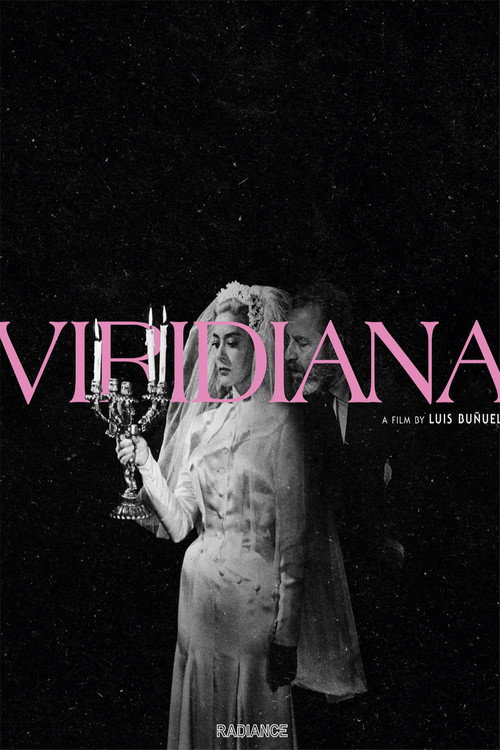
Viridiana1962
Both are spiritually obsessed films structured around the problem of faith, but where DeMille builds temples, Buñuel burns them. One affirms; one interrogates. They occupy opposite poles of how cinema handles the sacred.
Luis Buñuel's savage critique of Christian charity and piety, narrated by a nun's crisis of faith. It's spiritual cinema that inverts everything The King of Kings treats as sacred—a mirror held up to faith that asks questions rather than providing answers. Visually baroque and morally unsettling.
But It's surreal, sometimes grotesque, and attacks institutional Christianity with real venom. If you come looking for reverence, you'll find provocation instead.
More like this (6)
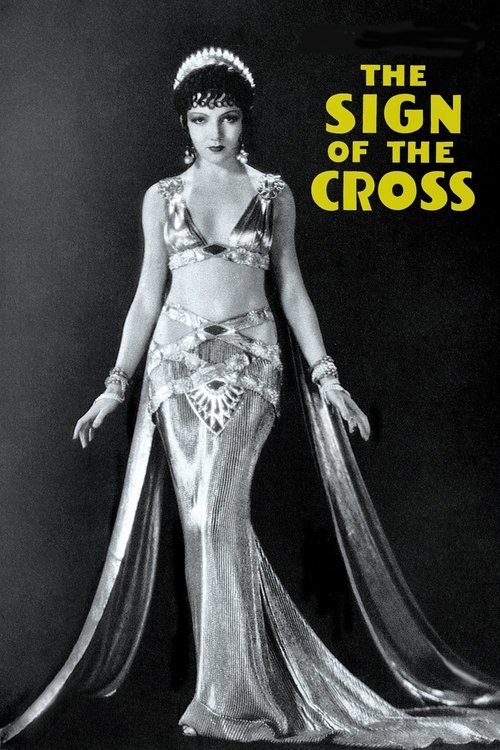
The Sign of the Cross1932
Cecil B. DeMille's first talking picture about Christians under Nero. It has the grandeur of The King of Kings but with dialogue, and it's more dramatically alive than you'd expect from early sound cinema.
But The conversion arc of the lead feels didactic. The ending is sentimental in ways that jar against the brutality that precedes it.
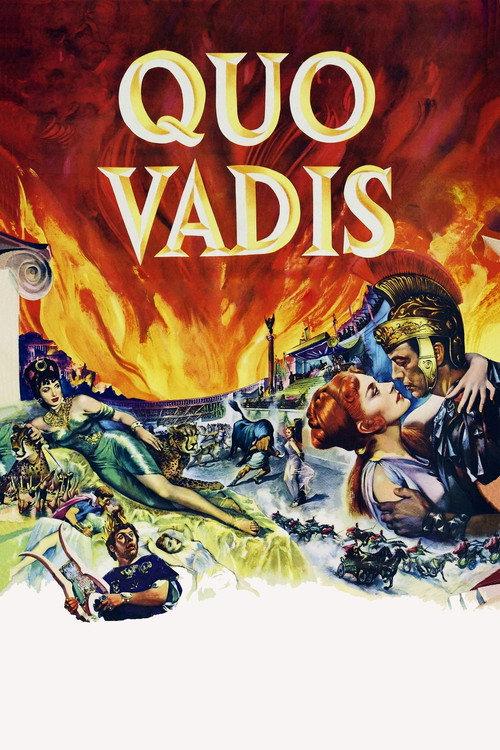
Quo Vadis1951
Mervyn LeRoy's epic of Rome and Christian persecution in Technicolor and English, drawing from Sienkiewicz's novel. It has the scale and spectacle of 1920s ambition but benefits from sound, colour, and a stronger dramatic frame.
But Nearly three hours, and the romance subplot competes with the faith narrative for attention. Robert Taylor's performance feels stiff at times.
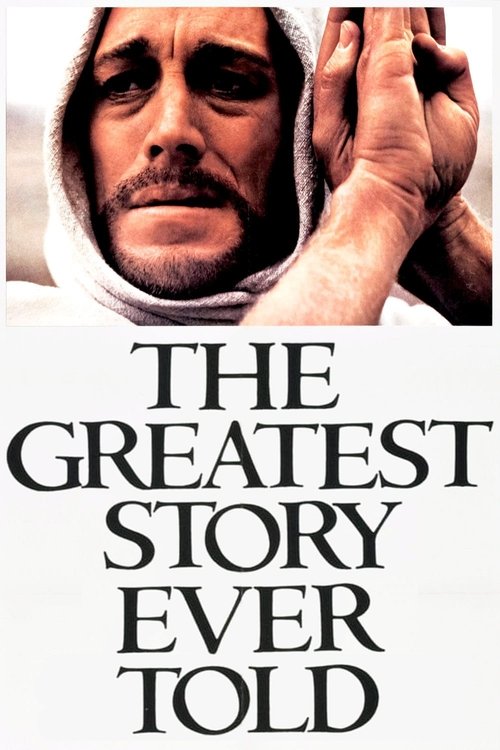
The Greatest Story Ever Told1965
George Stevens' Panavision retelling of Christ's life, shot in the American Southwest. It's visually majestic and approaches the material with genuine solemnity, avoiding camp while maintaining spectacle.
But Four hours and deliberately paced—closer to meditation than thriller. Some viewers find it glacial; the Max von Sydow performance is austere, not warm.
The Last Temptation of Christ1988
Martin Scorsese's controversial but theologically engaged portrayal of Christ's doubt and humanity. It's a rebuke to sanitized reverence, and Scorsese brings real passion to the spiritual struggle beneath the story.
But It's genuinely blasphemous by many religious standards, with a climactic fantasy sequence designed to provoke. The pacing is meditative; don't expect narrative momentum.
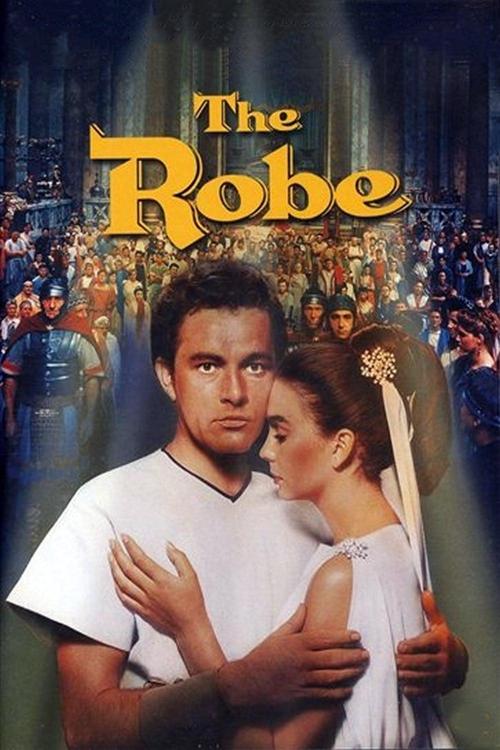
The Robe1953
Henry Koster's CinemaScope drama about a Roman centurion at the crucifixion who becomes a Christian. It's genuinely engrossing as both spectacle and spiritual drama, with Richard Burton doing some of his best work.
But The conversion feels narratively inevitable; there's little surprise in where it goes. Some of the supporting performances are weak.
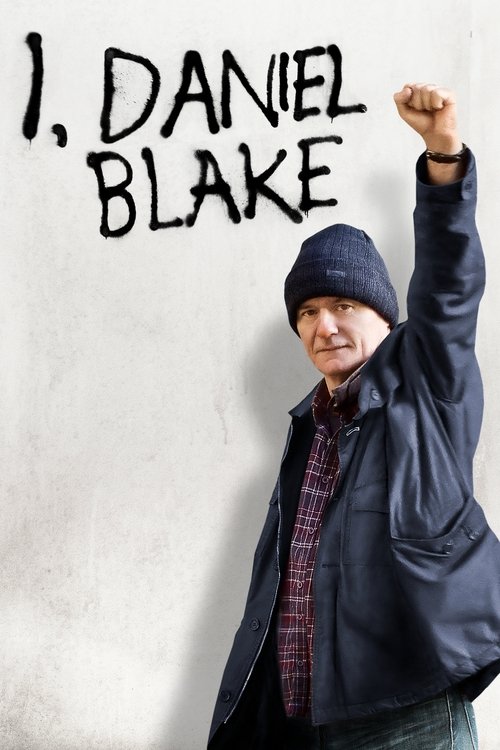
I, Daniel Blake2016
The King of Kings is faith expressed through spectacle and visual grandeur; I, Daniel Blake is faith expressed through witness to suffering without the comfort of cinema's beauty. Both are about whether we have obligations to each other. One frames it mythically; one frames it as a trip to the food bank.
Ken Loach's fierce, modern drama about dignity and charity in crisis. It's not biblical, but it's suffused with Christian ethics—the question of who cares for the suffering when systems fail. Shot documentary-style, it finds the sacred in everyday ordinary people facing ordinary hardship.
But It's bleak and angry, with no redemptive fantasy. The tone is realist, sometimes flat. If you want uplift or narrative satisfaction, you'll leave disappointed and unsettled.
People
Cast
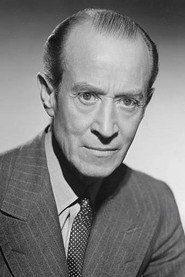 H.B. WarnerJesus, The Christ
- Dorothy CummingMary, the Mother
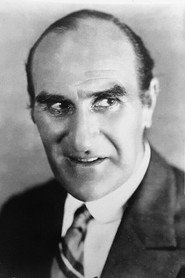 Ernest TorrencePeter
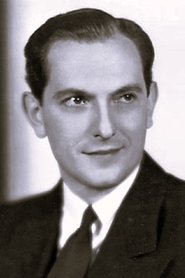 Joseph SchildkrautJudas Iscariot
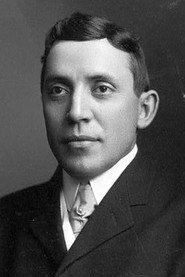 James NeillJames - Brother of John
- Joseph StrikerJohn - the Beloved
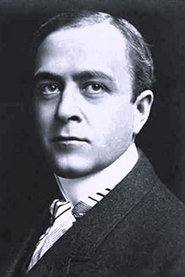 Robert EdesonMatthew - the Publican
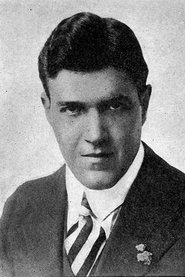 Sidney D'AlbrookThomas, the Doubter
 Jacqueline LoganMary Magdalene
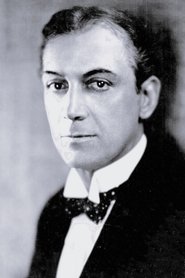 Charles BelcherPhilip
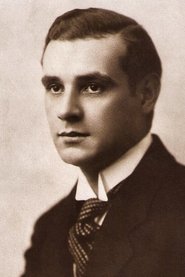 Victor VarconiPontius Pilate - Governor of Judea
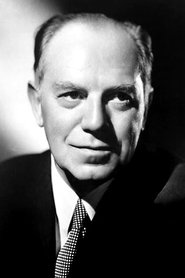 Montagu LoveRoman Centurion
Directing
- D.W. GriffithAssistant Director
- Cecil B. DeMilleDirector
Writing
- Jeanie MacphersonStory
- Jeanie MacphersonWriter
Production
- Cecil B. DeMilleProducer
Recommended by
The Greatest Story Ever Told, Barabbas, The Last Days of Pompeii, Golgotha, The Ten Commandments