
Film
The Robe
Epic biblical drama where a cynical Roman officer who wins Christ's robe at dice becomes haunted by visions and guilt, forcing him toward faith. Lavish 1950s spectacle with genuine philosophical weight beneath the Technicolor grandeur. For anyone drawn to historical epics, moral transformation stories, or the particular electricity of that era's religious cinema.
Should you watch it?
Watch it if you enjoy stately, earnest studio epics where a cynic's reluctant search matters more than the scale, and Burton's sour, watchful lead does most of the work.
Skip it if you're after brisk pacing or modern sensibility, since the piety is sincere and sometimes stiff, and the dialogue often sounds declaimed from a pulpit.
What it asks of you: At 135 minutes, it moves at a stately pace, with long quiet stretches between its grand set pieces, and rewards patience more than quick reactions.
Not sure? Find tonight's pick in a minute.
If you liked this
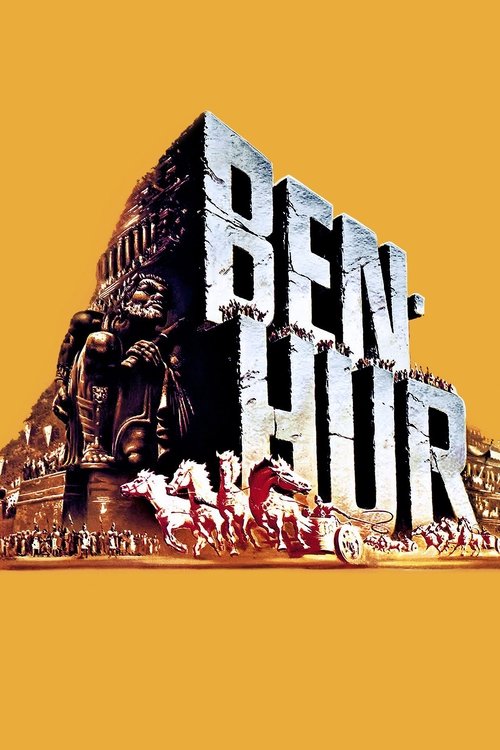
Ben-Hur1959
Another chariot-racing Roman redemption epic, but bigger and more confident. Charlton Heston's transformation mirrors Marcellus's, and the production design is staggering. Won eleven Oscars including Best Picture.
But Nearly four hours long, and the pacing can feel glacial by modern standards. The dialogue occasionally tips into stilted.
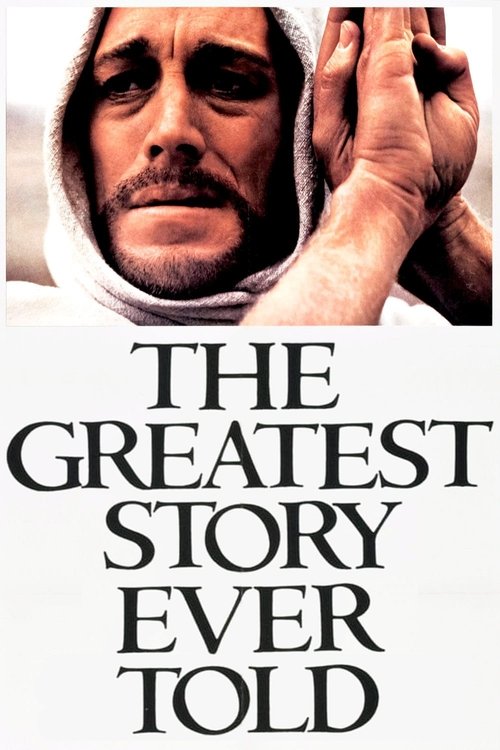
The Greatest Story Ever Told1965
George Stevens' vast, reverent retelling of Christ's life. Uses landscape and silence as powerfully as dialogue. A genuine artistic statement about faith, not just spectacle wrapped around theology.
But Deliberately slow and meditative—some find it tedious rather than contemplative. Max von Sydow's Christ is deliberately understated, which won't satisfy everyone.
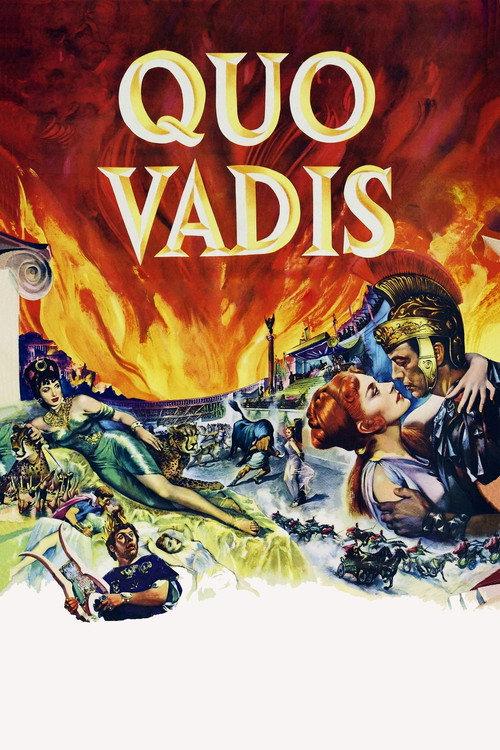
Quo Vadis1951
Very similar DNA: another Roman officer converted through proximity to early Christians, epic scale, Richard Burton in his younger days. The Rome sequences are genuinely sweeping.
But Even more melodramatic than The Robe, and the pacing sags in the middle. Some supporting performances feel overwrought.
Not sure tonight? Get a pick in a minute, starting from The Robe
The wildcard
Something you would not have found on your own.
Synecdoche, New York2008
Both are conversion narratives built on guilt. Marcellus is haunted by a robe; Kaufman's protagonist is haunted by his own inadequacy. Both suggest we cannot escape what we've set in motion, and grace—if it exists—comes through surrender to that fact rather than escape from it.
Charlie Kaufman's fractured masterpiece about a theater director haunted by his own mortality, creating an impossible mirror-world. Like The Robe, it's about a man undone by guilt who can't escape what he's created—but it's internal, recursive, and philosophically destabilizing rather than externally epic.
But Deliberately obscure, formally experimental, and genuinely difficult. You won't leave feeling uplifted; you'll leave feeling unmoored. Not a comfort film in any sense.

More like this (8)
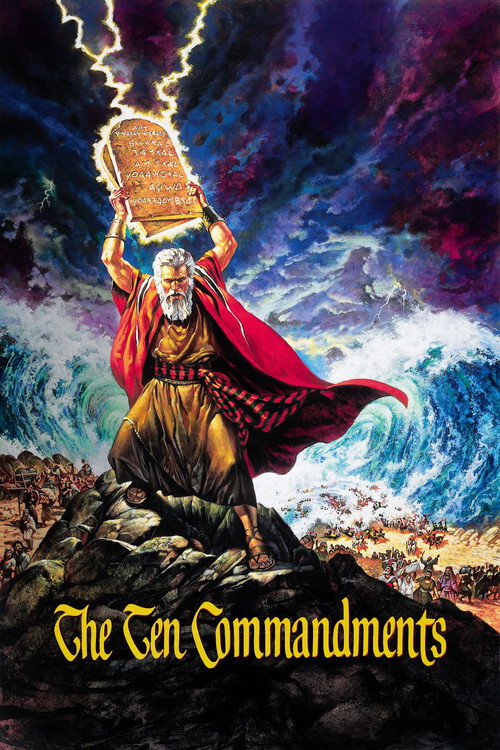
The Ten Commandments1956
DeMille at full throttle. If you loved The Robe's commitment to scale and moral clarity, this scratches the same itch with plagues, parting seas, and Charlton Heston looking magnificent in a tunic.
But Three and a half hours of unapologetic kitsch. Charlton Heston's delivery is... a lot. The dialogue can make you wince.
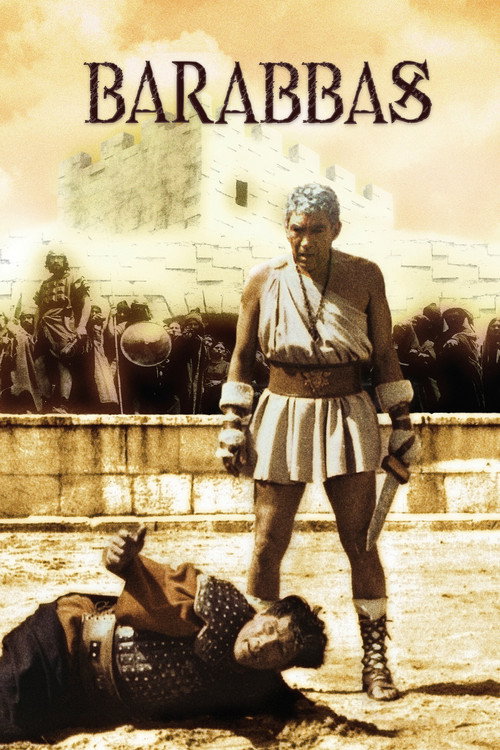
Barabbas1961
Anthony Quinn as the criminal released instead of Christ—a man trapped between faith and worldliness, haunted by his encounter with the divine. Darker and grittier than The Robe, with real psychological bite.
But Uneven filmmaking and some truly terrible supporting performances. Quinn carries it through sheer force of personality, but he can't save every scene.
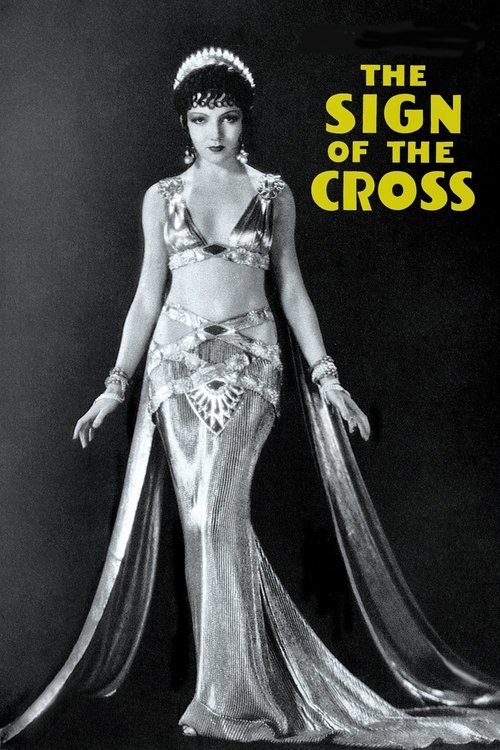
The Sign of the Cross1932
Pre-Code Cecil DeMille. A Roman officer falls for a Christian slave and finds his faith through her. Fascinating to see how differently this era handled the material—more sensual, less reverent, genuinely scandalous for 1932.
But Image quality is poor and the pacing is genuinely sluggish. Early sound film acting can feel stiff to modern viewers.
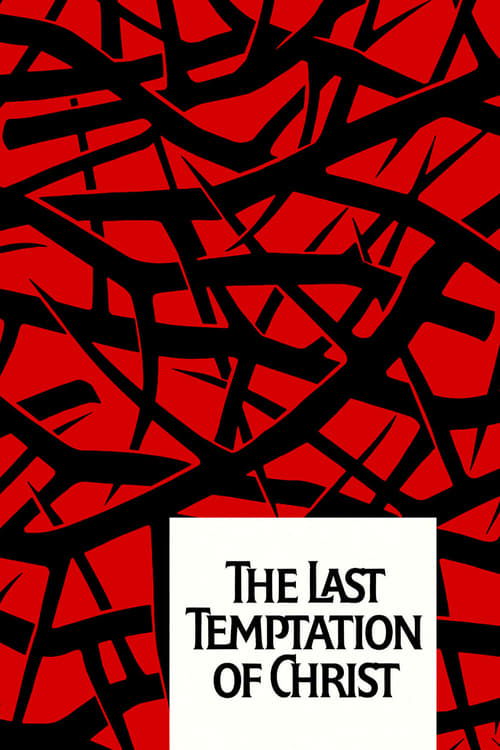
The Last Temptation of Christ1988
Martin Scorsese's controversial, deeply introspective Christ film. If you want a serious, psychologically complex exploration of faith—its temptations, doubts, and costs—this delivers what religious epics usually avoid.
But Genuinely blasphemous by the standards of 1950s Christianity. Slow, abstract, and theologically challenging rather than comforting. Many will find it actively offensive.
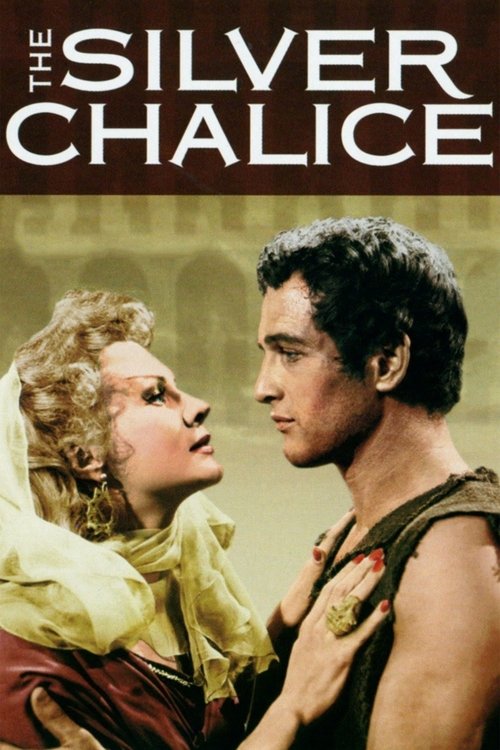
The Silver Chalice1954
A craftsman commissioned to create a chalice becomes entangled with early Christians and witnesses to Christ's ministry. Similar spiritual journey to Marcellus, but filtered through art and creation rather than violence and guilt.
But Widely considered one of the worst epics ever made. Awkward performances, choppy editing, and a tone-deaf Jesus. Even fans of the era find it difficult.
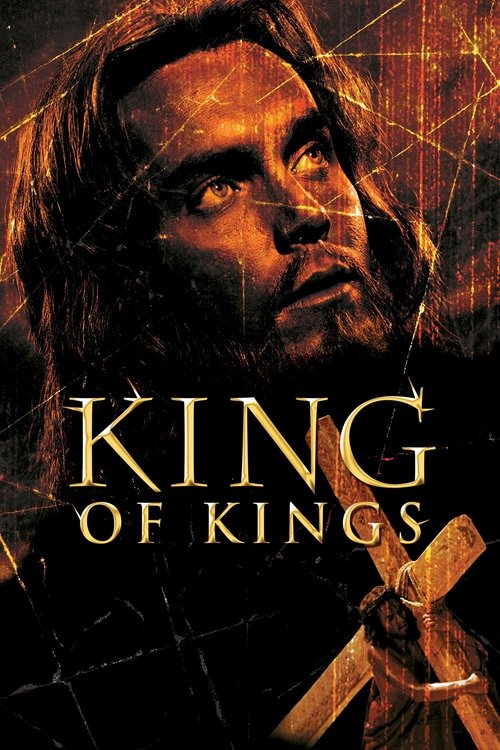
King of Kings1961
Jeffrey Hunter's surprisingly sympathetic, almost humanized Christ. If you want another epic-scale biblical film that treats its material seriously without kitsch, this is competent and occasionally genuinely moving.
But Competent is the best thing you can say about it. It's flat where The Robe has passion. The script reduces Christ to a fairly generic action-hero figure.
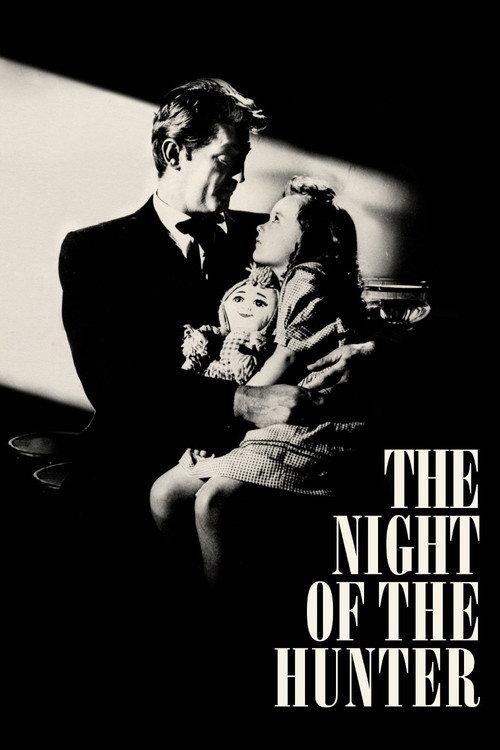
The Night of the Hunter1955
Both use religious iconography as a moral battleground. Where The Robe suggests faith can redeem, Hunter suggests faith can be a mask for depravity. They're inverse arguments about the same thing—the power of belief to transform or destroy.
Charles Laughton's only directorial effort: a fever-dream Southern Gothic where a predatory preacher hunts two children for hidden money. German Expressionist lighting, Mitchum's terrifying performance, and genuine dread—pure cinema in ways The Robe isn't attempting.
But Brutal, disturbing, and actively hostile to comfort. The atmosphere is suffocating. It's a horror film masquerading as a thriller, and it will sit with you unpleasantly.
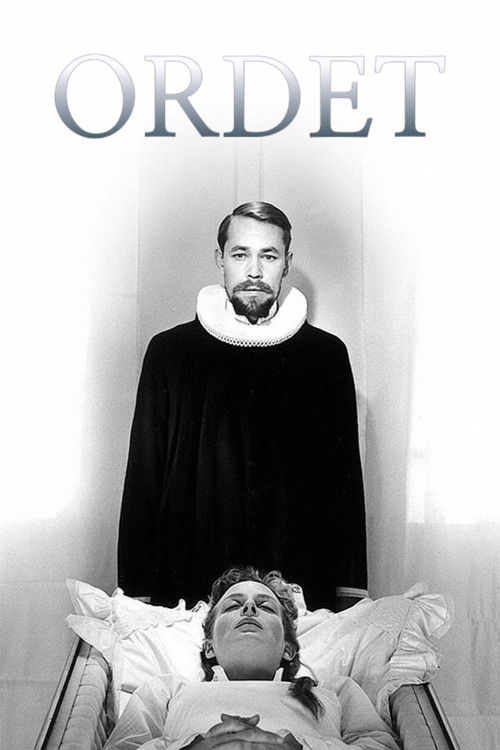
Ordet1955
Both films stake everything on a single question: does faith work? The Robe answers yes through conversion and redemption. Ordet asks the same question in the starkest possible terms—can belief literally undo death—and refuses easy comfort.
Carl Theodor Dreyer's Danish masterpiece about faith, family, and resurrection. A young man believes he's Jesus; his sister dies; the family must reckon with whether faith can literally raise the dead. Austere, intimate, and theologically devastating in ways epic cinema can't touch.
But Shot in stark black and white with minimal score. Glacially paced, dialogue-heavy, and entirely uninterested in spectacle. Requires patience and attention. Deeply strange.
People
Cast
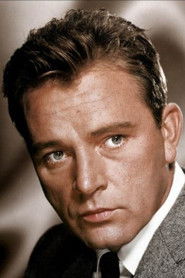 Richard BurtonMarcellus Gallio
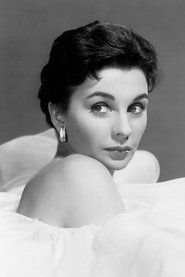 Jean SimmonsDiana
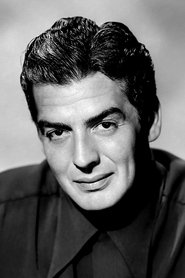 Victor MatureDemetrius
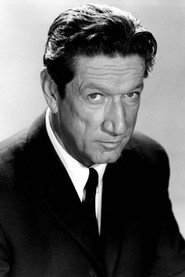 Richard BoonePontius Pilate
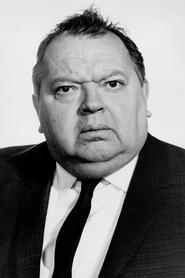 Leon AskinAbidor
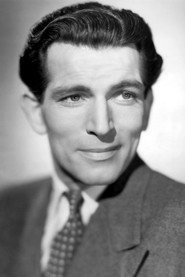 Michael RenniePeter
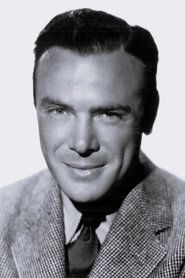 Dean JaggerJustus
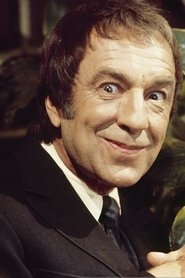 Jay RobinsonCaligula
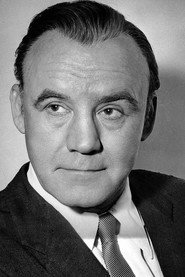 Torin ThatcherSen. Gallio
 Betta St. JohnMiriam
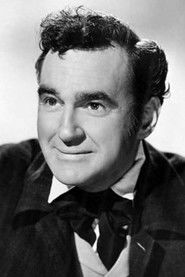 Jeff MorrowPaulus
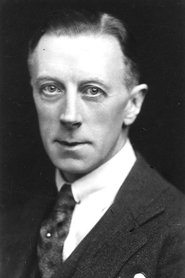 Ernest ThesigerEmperor Tiberius
Directing
- Tom ConnorsAssistant Director
- Henry KosterDirector
Writing
- Gina KausAdaptation
- Lloyd C. DouglasNovel
- Albert MaltzScreenplay
- Philip DunneScreenplay
Production
- Frank RossProducer
Recommended by
Ben-Hur, The Ten Commandments, Quo Vadis, The Crusades, The Egyptian, Samson and Delilah, King of Kings, Alexander the Great, The Sign of the Cross, Risen, Pontius Pilate, Barabbas, The Silver Chalice, The Last Days of Pompeii, The King of Kings, Ben-Hur: A Tale of the Christ, Esther and the King, Sodom and Gomorrah, The Story of Ruth, David and Bathsheba, Ben-Hur, Demetrius and the Gladiators, Land of the Pharaohs, Sign of the Gladiator, The Ten Commandments, Salome