
Film
Pontius Pilate
A 1962 Italian biblical drama that reframes the Passion through Pilate's conflicted conscience. Jean Marais brings weary humanity to a man caught between political duty and moral clarity, while sumptuous Cinemascope photography transforms Jerusalem into something operatic. It's serious, devotional cinema for those interested in how different eras imagined religious history.
Should you watch it?
Watch it if you like historical dramas that view a familiar story from the sidelines, where a weary official's politics and private doubts matter more than the spectacle itself.
Skip it if the dialogue leans on talky palace debate and interior hand-wringing, so if you want sword-and-sandal spectacle this will feel slow and wordy.
What it asks of you: At ninety-seven minutes it is compact and talk-driven, so you need to listen closely rather than be swept along.
Not sure? Find tonight's pick in a minute.
If you liked this
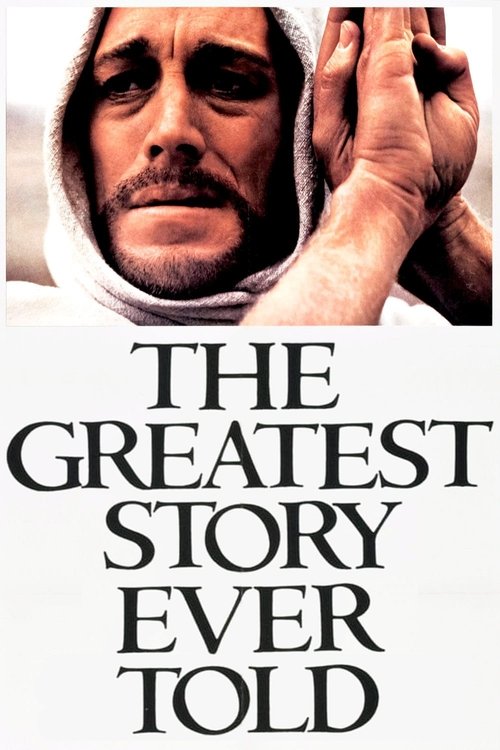
The Greatest Story Ever Told1965
George Stevens' monumental retelling of Christ's life, with an equally star-studded cast and even grander visual ambition. Shot on location in Utah's deserts, it shares Pontius Pilate's reverent, widescreen approach to scripture.
But Bloated at 225 minutes, and Stevens' pacing sometimes mistakes slowness for profundity. Some performances veer into stiffness.
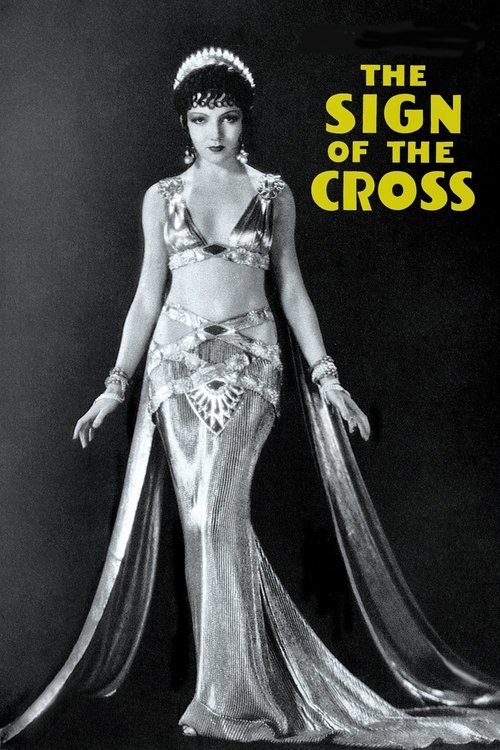
The Sign of the Cross1932
Cecil B. DeMille's Pre-Code epic about Rome and early Christians, with Fredric March caught in similar moral crossfire. Lurid, spectacularly staged, and far more fun than you'd expect from 1930s biblical drama.
But The sexual content that made it notorious now reads as quaintly tame. The pacing is glacial by modern standards.
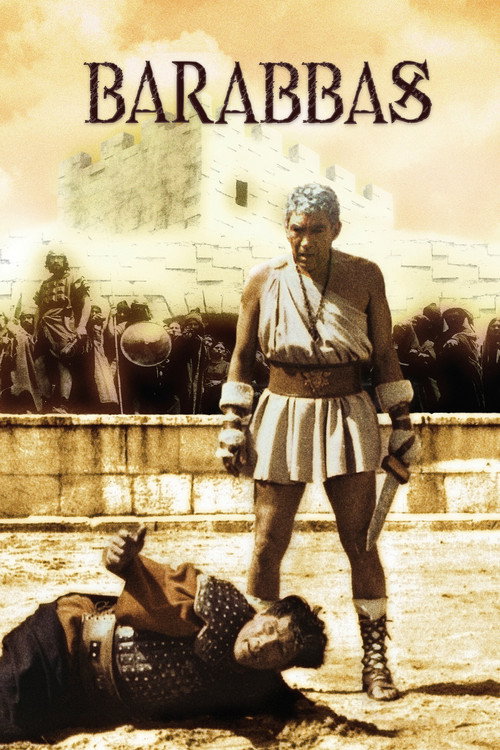
Barabbas1961
Richard Fleischer's savage, humanistic take on the prisoner spared instead of Christ, starring Anthony Quinn. Dark where Pilate is measured, but equally interested in conscience and redemption amid Roman brutality.
But Considerably grittier and more violent than Pontius Pilate; the tone is bleaker, which won't suit everyone.
Not sure tonight? Get a pick in a minute, starting from Pontius Pilate
The wildcard
Something you would not have found on your own.
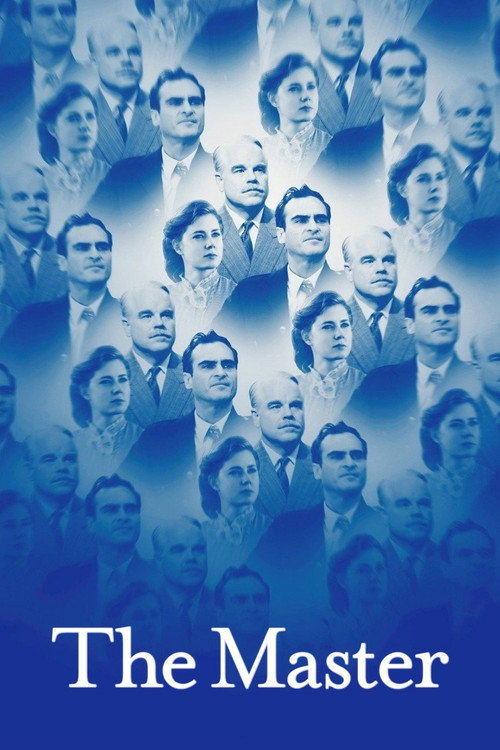
The Master2012
Both films are fascinated by the gap between understanding and action—what it means to recognize truth while remaining trapped by your position. Pilate sees clearly and condemns anyway; Anderson's film explores why that paralysis happens.
Paul Thomas Anderson's three-hour examination of charisma, power and the powerless, built around a figure with cult-like followers. It mirrors Pilate's study of a man caught between institutional authority and irrational belief—but through 21st-century eyes, and with devastating psychological precision.
But Abstract, elliptical, and deliberately difficult. It refuses to explain itself, and the 70mm format will only be available in certain theaters.
More like this (8)
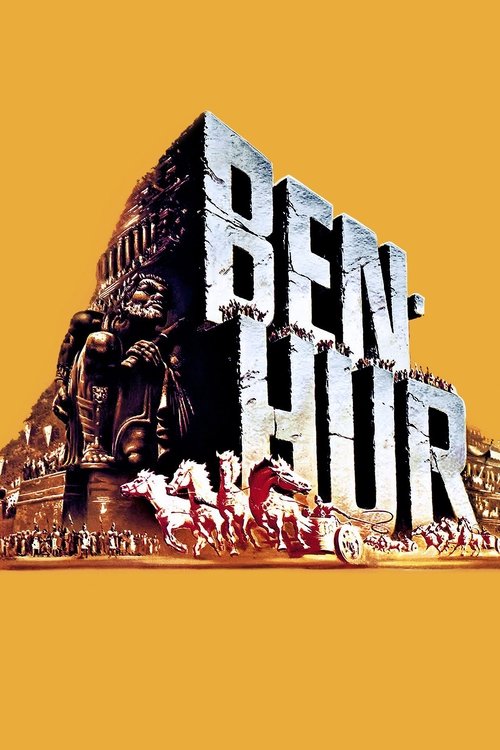
Ben-Hur1959
William Wyler's three-hour epic of a man's transformation amid Rome's cruelty, with Charlton Heston and the most famous chariot race ever filmed. Pilate appears here too, and the production values are overwhelming.
But The religious messaging is heavy-handed. At 212 minutes, it demands real commitment from viewers.
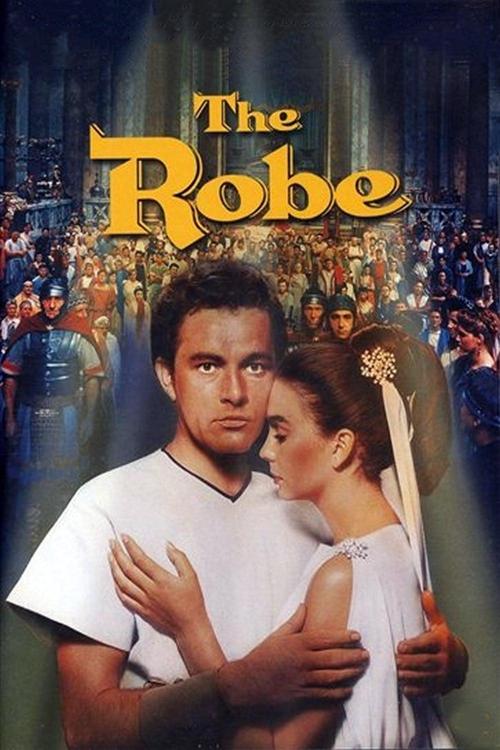
The Robe1953
Henry Koster's CinemaScope pioneer about a Roman officer confronting Christ's execution through a piece of cloth. It shares Pilate's interest in how Rome's elite process what they've witnessed.
But The film is earnest to the point of sentimentality, and the special effects look dated. Pacing sags in the middle act.
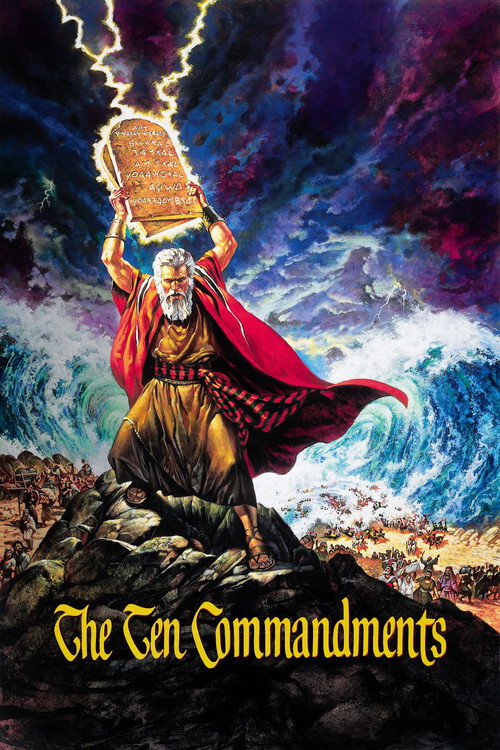
The Ten Commandments1956
DeMille's other biblical colossus, with Charlton Heston and enough Egyptian spectacle to dwarf everything else on screen. If you love the sheer audacity of 1960s religious cinema, this is essential.
But Nearly four hours of deliberate solemnity. The dialogue is stilted, and modern viewers often find it unintentionally funny.
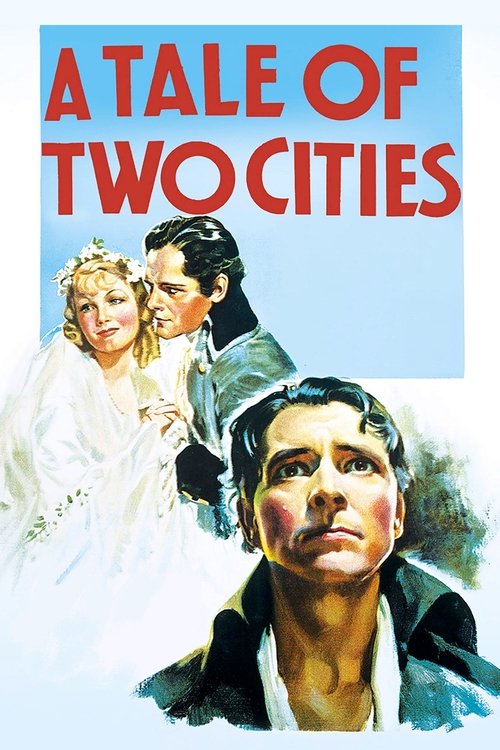
A Tale of Two Cities1935
Jack Conway's adaptation of Dickens, with Ronald Colman as a man wrestling with sacrifice during the Terror. Different historical moment, same preoccupation with conscience amid mass violence.
But It's a 1930s costume drama with theatrical acting styles. The romance subplot dominates the back half.
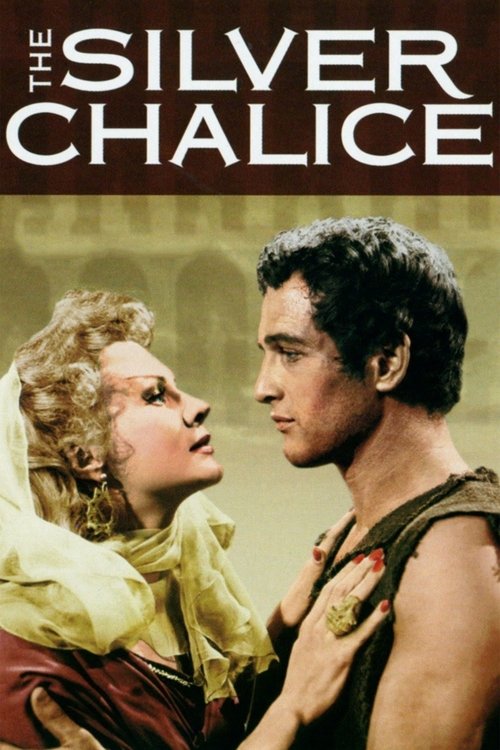
The Silver Chalice1954
William A. Seiter's rare film about a man commissioned to craft a cup for Christ's blood, with a mostly forgotten cast and genuine atmosphere. Meditative and strange in ways even Pontius Pilate isn't.
But Obscure for a reason—the plotting is muddled and the pacing glacial. Not even completists are wild about this one.
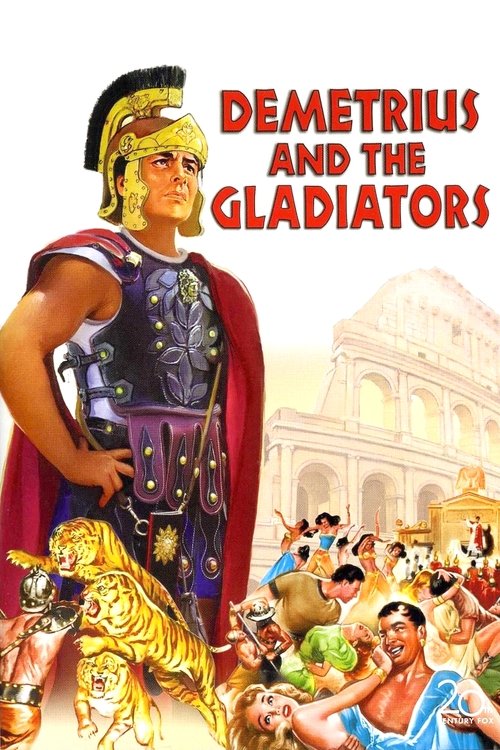
Demetrius and the Gladiators1954
Delmer Daves' sequel to The Robe, following a Christian slave in the arena. Splashy, surprisingly violent, and more interested in action than theology.
But The religious drama takes a backseat to sword-and-sandal thrills. It can feel like a exploitation picture in a toga.
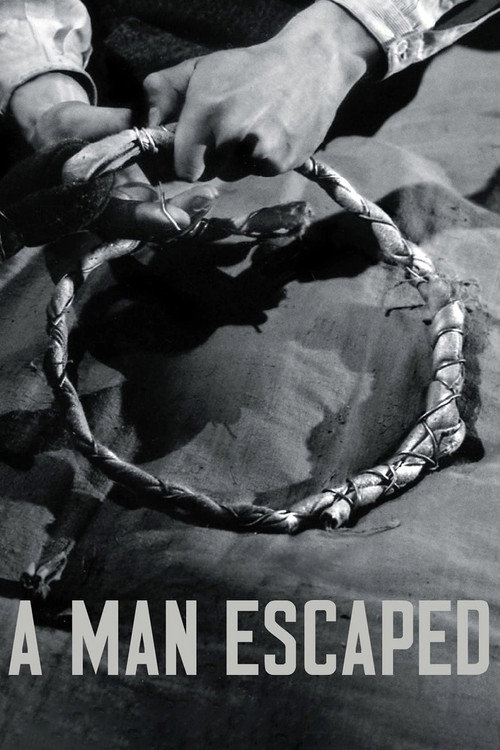
A Man Escaped1956
Both films use the machinery of empire (Rome then, the Nazis now) to explore moral choice under duress, but Bresson strips away the pageantry Pilate embraces. Same fundamental crisis, opposite aesthetic language.
Robert Bresson's austere, almost silent masterpiece about a French Resistance fighter planning escape from a Nazi prison. Bresson uses minimal dialogue, documentary-like restraint, and profound spiritual intensity to examine agency and faith under totalitarian power.
But Glacially slow, nearly wordless, and structured like a procedural. It makes the ordinary transcendent, which bores people who want narrative momentum.
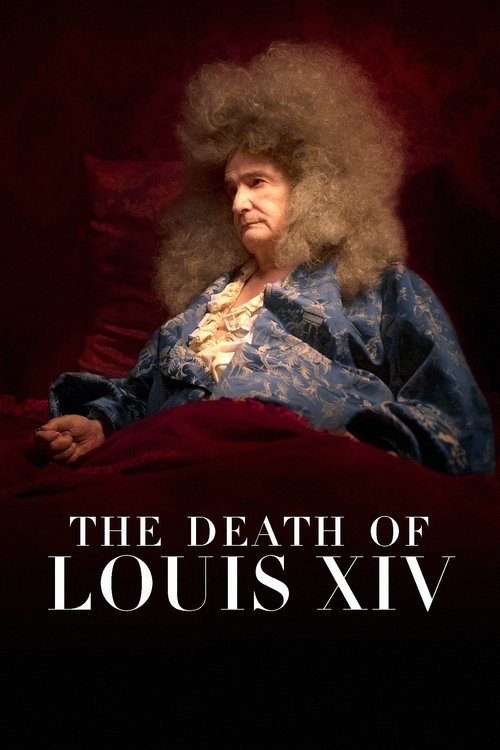
The Death of Louis XIV2016
Where Pontius Pilate is about a moment of decision, Serra's film is about what remains after power empties out. Both are deeply interested in how institutions (Rome, the monarchy) reduce individual conscience to ceremony and ritual.
Albert Serra's 2016 film of a dying king confined to bed, shot like a painting come alive—just two hours of Baroque music, candlelight, and a man confronting the end of his power. It's about authority crumbling, legacy dissolving, and the smallness of even the mighty when death arrives.
But Painterly, static, and genuinely boring if you're impatient. Essentially a series of tableaux with minimal plot. Experimental to a degree many will find precious.
People
Cast
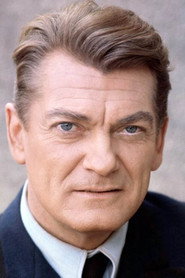 Jean MaraisPonzio Pilato
 Jeanne CrainClaudia Procula
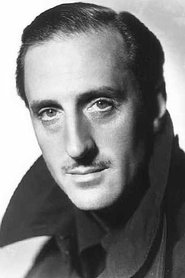 Basil RathboneCaiaphas
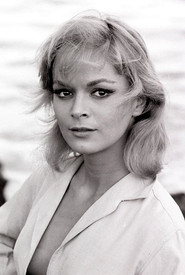 Letícia RománSarah
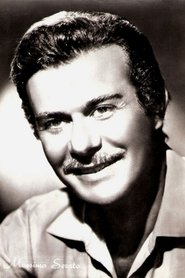 Massimo SeratoNicodemus
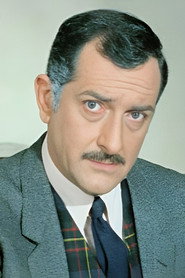 Riccardo GarroneGalba
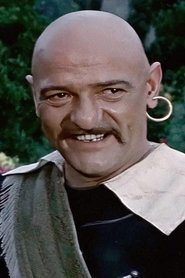 Livio LorenzonBarabbas
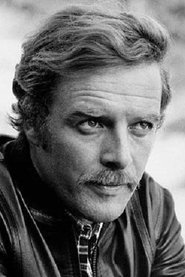 Gianni GarkoJonathan
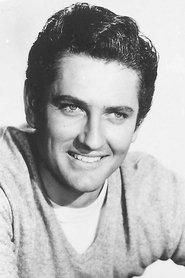 John Drew BarrymoreJudas / Jesus
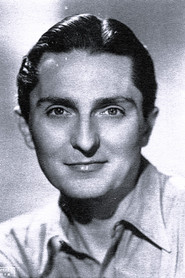 Roger TrévilleAaron El Mesin
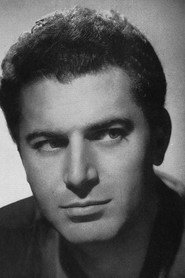 Carlo GiustiniDecio
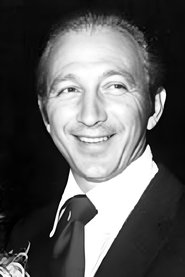 Dante DiPaoloSimone
Directing
- Luciano RicciCo-Director
- Gian Paolo CallegariDirector
- Irving RapperDirector
- Giancarlo RomaniFirst Assistant Director
- Paola SalvadoriScript Supervisor
- Lina D'AmicoSecond Assistant Director
Writing
- Gian Paolo CallegariScreenplay
- Gino De SantisScreenplay
- Guglielmo SantangeloScreenplay
- Guy ElmesScreenplay
- Ivo PerilliScreenplay
- Josette FranceScreenplay
- Oreste BiancoliScreenplay
- Gino De SantisStory
Production
- Sergio MerolleLine Producer
- Enzo MerolleProducer
- Carmine De BenedittisProduction Assistant
- Armando GrottiniProduction Manager
- Arduino MercuriProduction Secretary