
Film
The Sign of the Cross
DeMille's 1932 epic pits spectacle against faith as a Roman prefect falls for a Christian slave girl under Nero's reign. It's grand, theatrical, and unabashedly sincere about its spiritual stakes—less interested in historical accuracy than in the collision between pagan Rome and early Christianity. A film that wears its convictions on its sleeve.
Should you watch it?
Watch it if you like lavish, gleefully overripe historical spectacle where the decadent court is more fun than the virtuous characters, and you don't mind old-studio theatrical acting.
Skip it if you want a tight, modern pace or a sober take on faith; this is a 1930s studio piece with stagy performances and a pious, sometimes ludicrous tone.
What it asks of you: Two hours and six minutes of unhurried scenes, with the big set-pieces arriving in bursts; it rewards patience and a tolerance for moralizing dialogue and sudden shifts in mood.
Not sure? Find tonight's pick in a minute.
If you liked this
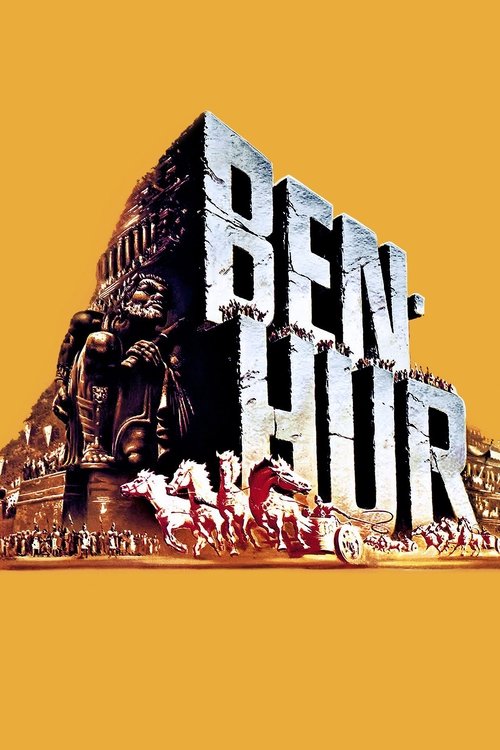
Ben-Hur1959
Another monumental tale of a man caught between Rome and faith, with chariot races and moral reckoning that match The Sign of the Cross in scale and sincerity. Equally committed to making belief feel urgent.
But The pacing is stately—over three hours of deliberate storytelling that demands patience and doesn't apologize for it.
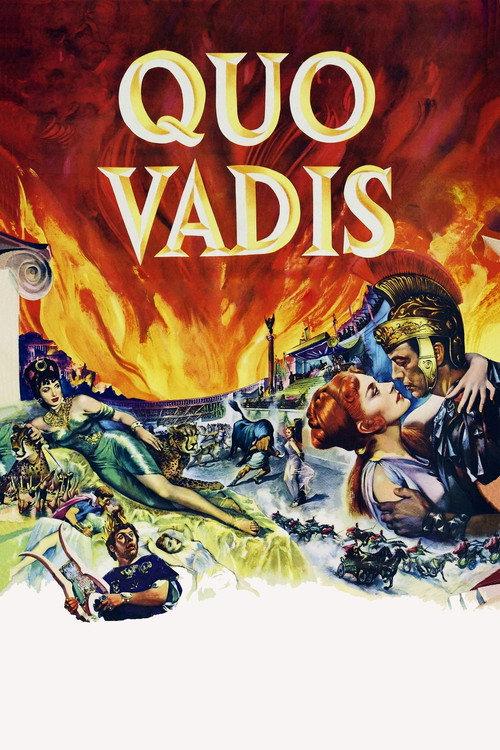
Quo Vadis1951
Another Rome-versus-Christianity epic with similar DNA: grand sets, star power, and a romance threatened by ideology. It has the same earnest grandeur without quite the showmanship of DeMille.
But It can feel like a more ponderous retread of the same themes, without the visual invention that makes Sign of the Cross sing.
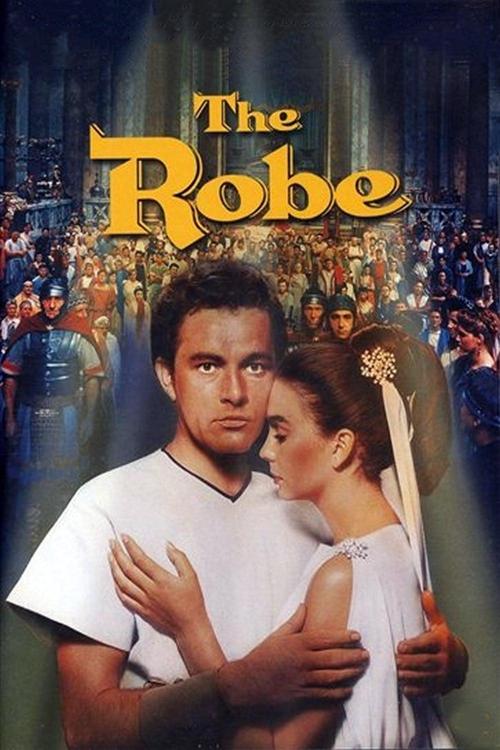
The Robe1953
A Roman soldier encounters Christ's garment and transforms spiritually—it's the same collision of empire and faith, told with Technicolor splendor and genuine emotional stakes. Marlon Brando's opposite number done with sincerity.
But The religious conversion plot moves at a measured pace that modern viewers might find slow or heavy-handed.
Not sure tonight? Get a pick in a minute, starting from The Sign of the Cross
The wildcard
Something you would not have found on your own.
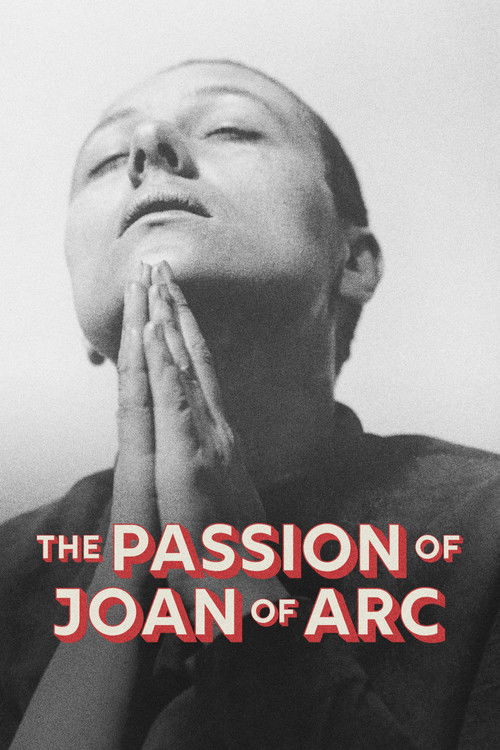
The Passion of Joan of Arc1928
Both center on an individual's unshakeable faith as the sole weapon against an indifferent state; both ask what conviction costs when the world is arrayed against it.
Dreyer's silent masterpiece about a woman of faith facing an empire's judgment. Like Sign of the Cross, it's about conviction meeting power, but told through faces and light rather than crowds and sets. Spiritually devastating in ways DeMille never attempted.
But It's silent, austere, and almost unbearably intense—no spectacle, only suffering and belief. The registers are completely different.
More like this (8)
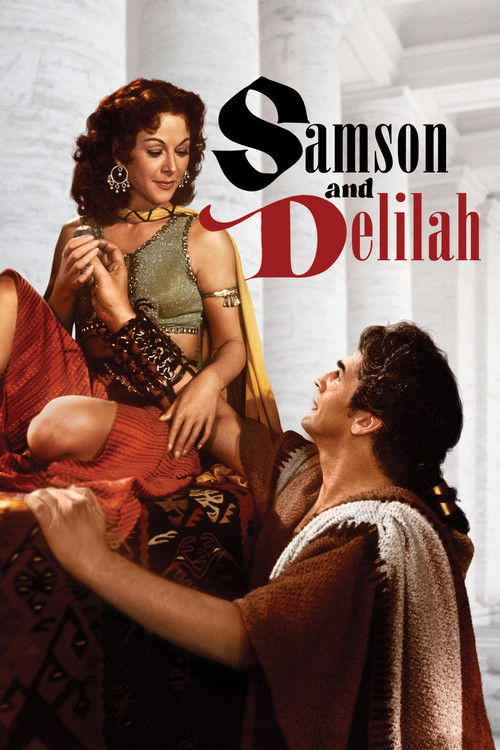
Samson and Delilah1949
Another DeMille spectacle with physical passion, moral conflict, and armies clashing. If you loved Sign of the Cross, this is the director doing what he does best—conflicting desires against Biblical grandeur.
But The gender politics are dated even by 1949 standards; Delilah exists primarily as temptation and consequence.
Intolerance: Love's Struggle Throughout the Ages1916
Griffith's silent epic weaves multiple historical periods, including Rome, into one enormous statement about persecution across ages. Formally innovative and visually staggering in ways that predate DeMille's approach.
But At nearly four hours silent and uncompromisingly experimental, it's harder to sit with than a straightforward narrative.

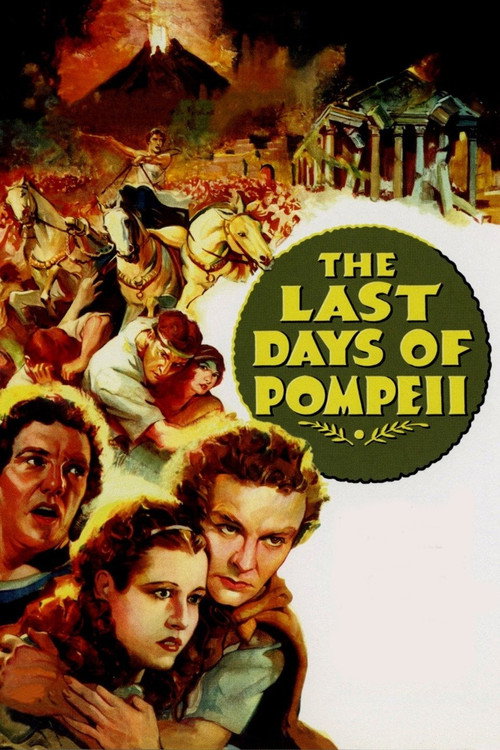
The Last Days of Pompeii1935
Another Roman disaster film with Christian overtones and a similar blend of spectacle, romance, and moral reckoning. Eruption and faith make for compelling stakes.
But The script is thinner and the performances less commanding than Sign of the Cross; it feels like a more conventional adventure film.
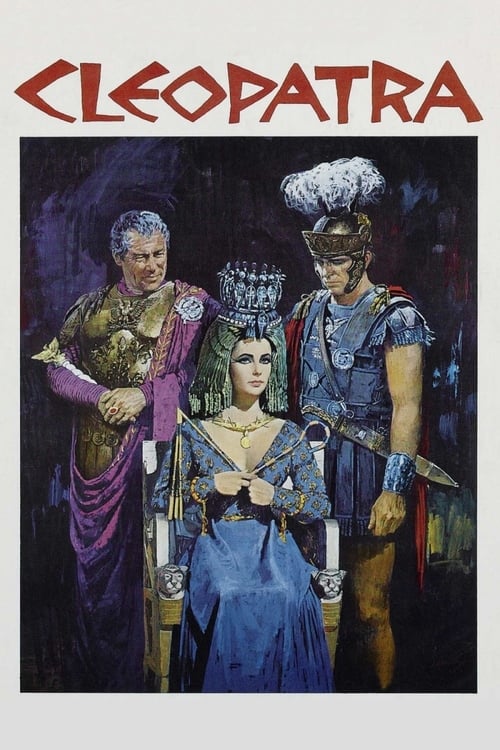
Cleopatra1963
Elizabeth Taylor in the ultimate Roman epic—four hours of costumes, politics, and doomed romance. Different in tone (more sensual, less pious) but equally committed to making ancient Rome feel like a world you can enter.
But It's been satirized so often that it's hard to meet it fresh; modern audiences may find its earnestness unintentionally comic.
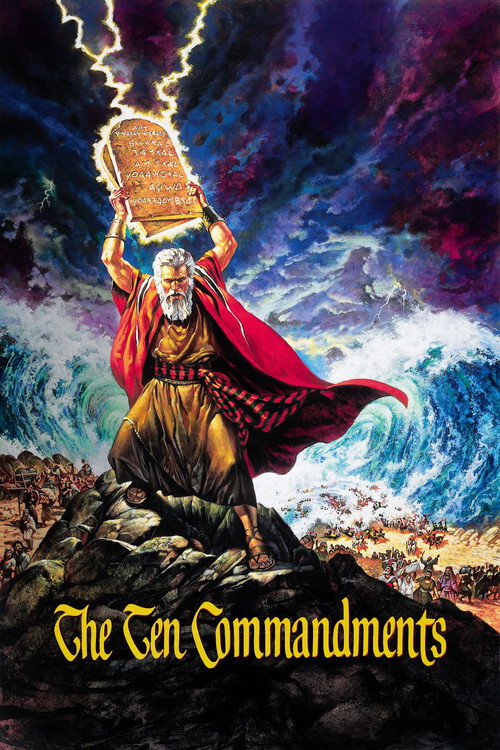
The Ten Commandments1956
DeMille's other biblical colossus, with similar themes of faith versus state power and spectacle that still astonishes. If you respond to Sign of the Cross, this is the director's most famous statement.
But It's even longer and more didactic; the religious messaging is heavyhanded in ways that can feel oppressive rather than moving.
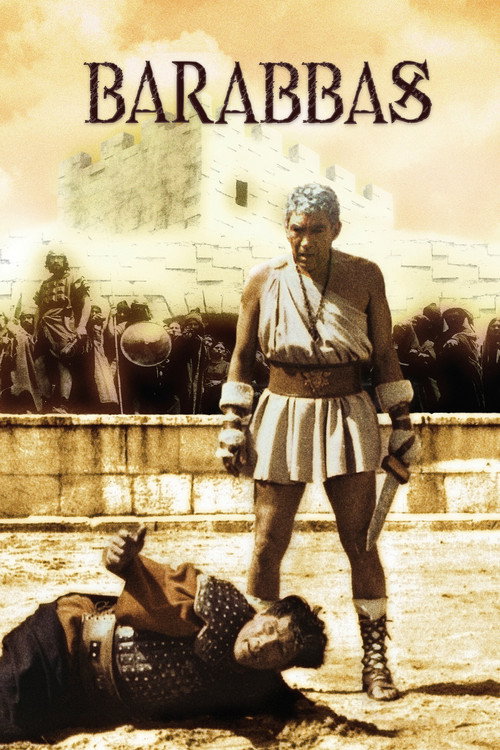
Barabbas1961
Anthony Quinn as a man caught between Christ and Rome—smaller in scale than Sign of the Cross but with a tougher, grittier take on faith and redemption in the Roman world.
But The budget and spectacle are noticeably lower, and the film doesn't have the visual grandeur that makes DeMille's version compelling.
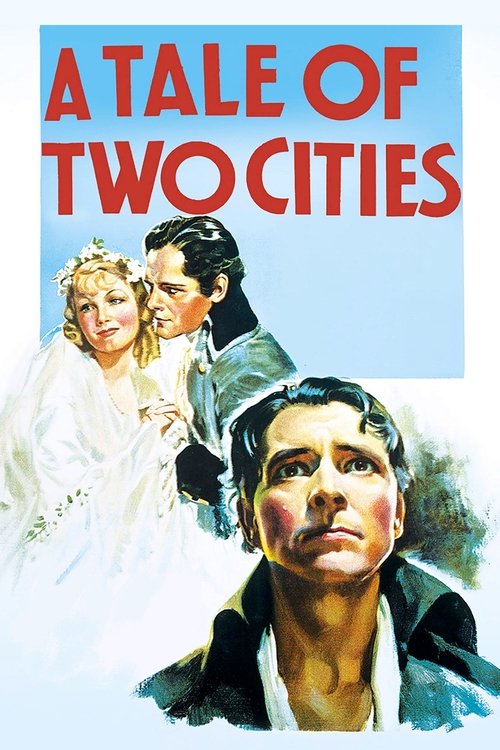
A Tale of Two Cities1935
Both use historical catastrophe (Rome's persecution, the Terror) as the setting for one man's choice between self-preservation and moral commitment.
Ronald Colman in a French Revolution epic built on the same architecture: a man divided between love and duty, between his world and a condemned one. The spectacle is there, but so is genuine tragedy about sacrifice.
But It's a period piece about political upheaval rather than religious conviction—the stakes feel personal rather than cosmic.
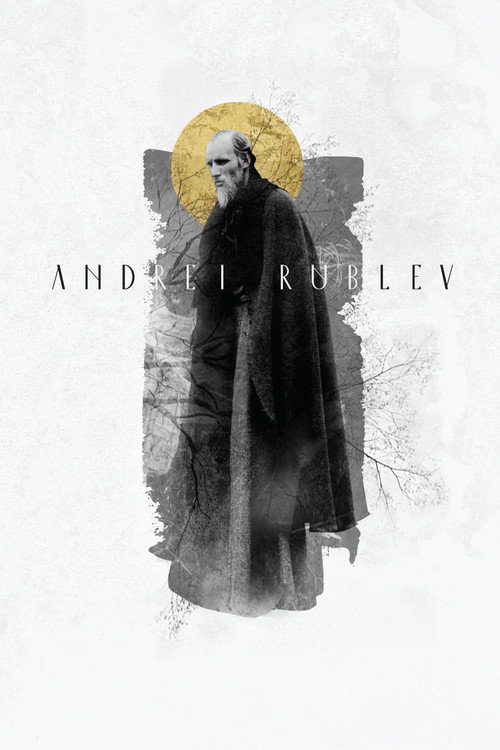
Andrei Rublev1966
Both explore how faith survives in societies built on cruelty; both ask whether beauty and conviction matter in a world of power. Sign of the Cross answers yes with pageantry; Rublev answers yes with silence.
Tarkovsky's Russian epic about an iconographer under Mongol rule—faith tested by violence and history. Visually hypnotic, morally complex, and utterly uninterested in spectacle. It's about art and belief in a collapsing world.
But It's three hours of languorous, meditative cinema in Russian. No action, no romance, no conventional narrative drive. Patience required.
People
Cast
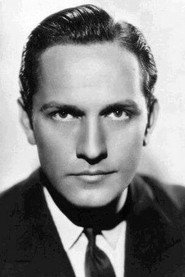 Fredric MarchMarcus Superbus - Prefect of Rome
 Elissa LandiMercia
 Claudette ColbertEmpress Poppaea
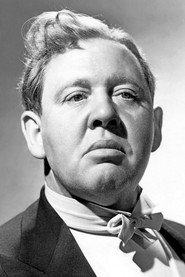 Charles LaughtonEmperor Nero Claudius Caesar
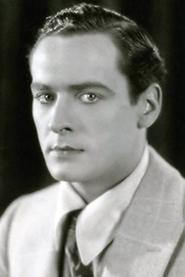 Ian KeithTigellinus
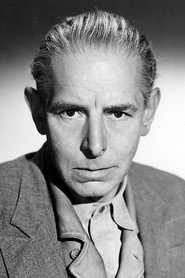 Arthur HohlTitus
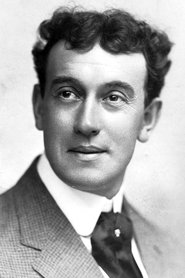 Harry BeresfordFavius Fontelas
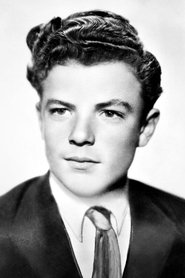 Tommy ConlonStephan
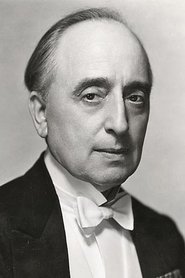 Ferdinand GottschalkGlabrio
 Vivian TobinDacia
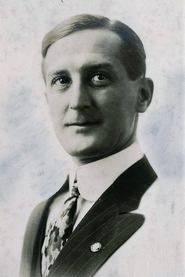 William V. MongLicinius
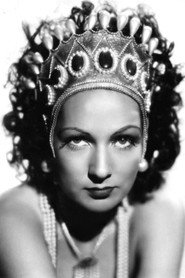 Joyzelle JoynerAncaria
Directing
- Edward SalvenAssistant Director
- Mitchell LeisenAssistant Director
- Cecil B. DeMilleDirector
Writing
- Sidney BuchmanScreenplay
- Waldemar YoungScreenplay
- Wilson BarrettTheatre Play
Production
- Cecil B. DeMilleProducer
- Roy BurnsProduction Manager
Recommended by
Quo Vadis, The Robe, Cleopatra, The Crusades, Pontius Pilate, Barabbas, The Last Days of Pompeii, The King of Kings, Ben-Hur: A Tale of the Christ, Demetrius and the Gladiators, The Ten Commandments, Quo Vadis?, Salome