
Film
Ben-Hur: A Tale of the Christ
The 1925 silent epic that invented the blockbuster: a sprawling revenge tale of childhood friends divided by empire, punctuated by the legendary chariot race. Lavish, operatic, genuinely thrilling even today. For anyone curious about how cinema learned to dream big, or who simply wants to see what spectacle looked like before sound.
If you liked this
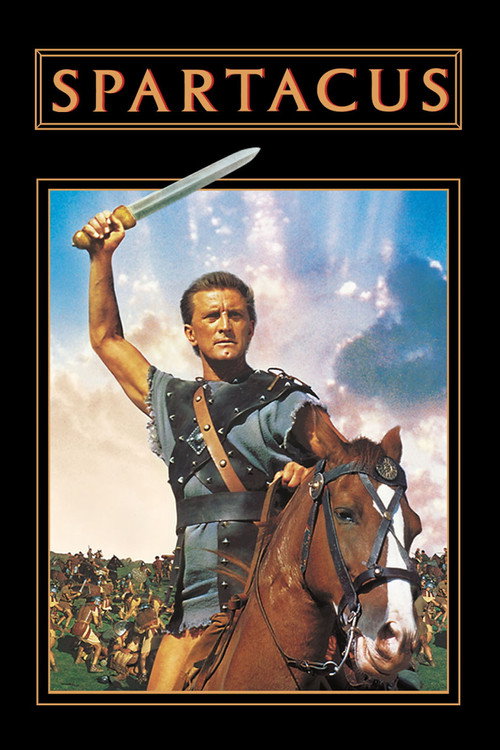
Spartacus1960
Kubrick's muscular historical epic with similar bones: oppression, uprising, a hero learning to fight back. The scale and moral weight will feel familiar, the political sophistication less so.
But Nearly four hours, and the pacing can feel glacial by modern standards. The dated sexual politics are harder to overlook than Ben-Hur's.
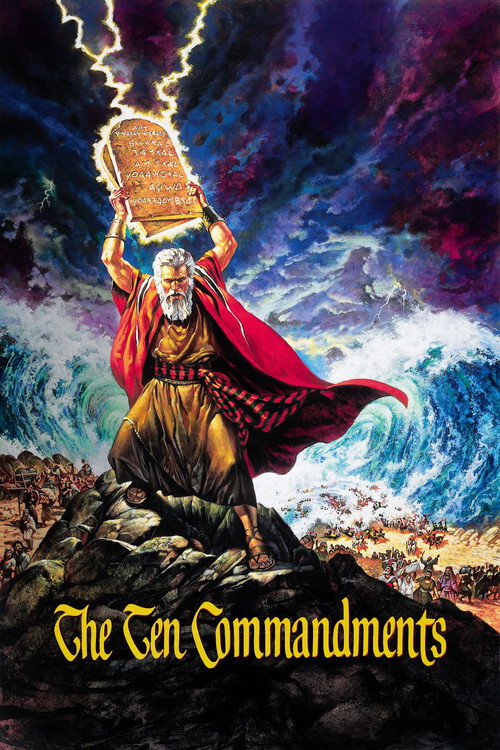
The Ten Commandments1956
DeMille's other biblical colossus, with the same grandeur and religious conviction. If you loved the ambition and spectacle of Ben-Hur, this shows what DeMille did with even bigger toys.
But It's fundamentally a sermon. The characters exist to illustrate doctrine rather than wrestle with it. Much less dramatically satisfying.
Intolerance: Love's Struggle Throughout the Ages1916
Griffith's earlier answer to epic scope: four interwoven stories across centuries. Visually astonishing and formally inventive in ways Ben-Hur never attempts. A masterpiece hiding inside a problematic film.
But Nearly three hours of silent cinema with no plot thread you can easily hold. It's demanding and sometimes feels like four films arguing with each other.

Not sure tonight? Get a pick in a minute, starting from Ben-Hur: A Tale of the Christ
The wildcard
Something you would not have found on your own.
Nosferatu1922
Both are 1920s silent films that understood cinema could be more than theatre recorded. Both use the medium's unique properties—massive sets, crowds, visual storytelling without dialogue—to create something only film could achieve. Nosferatu is the artistic proof of concept; Ben-Hur is the commercial one.
Three years before Ben-Hur, Murnau made cinema's first true masterpiece with a fraction of the budget. It proves spectacle isn't about money—it's about visual imagination. Silent filmmaking at its most expressive and disturbing.
But It's a vampire film, and an unsettling one. If you expect historical epic, the genre shift will jar. Genuinely frightening in a way Ben-Hur never is.

More like this (8)
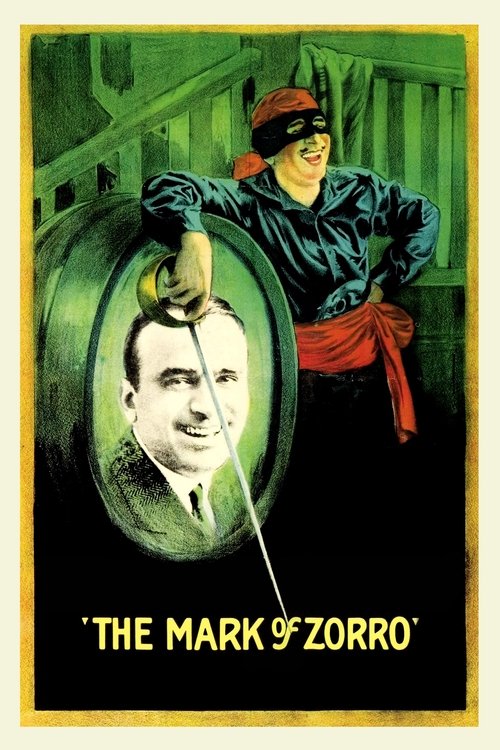
The Mark of Zorro1920
Fairbanks' acrobatic revenge fantasy predates Ben-Hur by five years and does something similar with agility instead of spectacle. The sword work and swashbuckling energy is infectious.
But The scope is intimate compared to Ben-Hur. If you're hungry for epic scale, this will feel like a chamber piece.
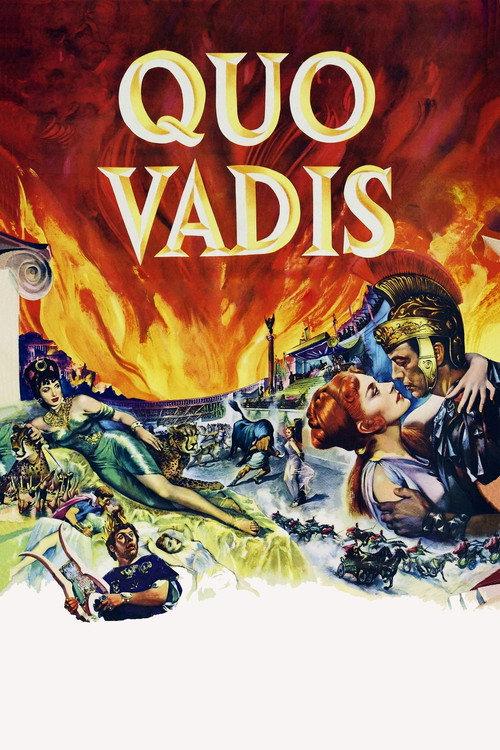
Quo Vadis1951
Another Roman epic with religious undercurrents and a hero caught between two worlds. Less technically ambitious than Ben-Hur but more psychologically complex about its characters' choices.
But It drags in places and leans harder into piety than drama. The romance subplot feels obligatory and takes up too much time.
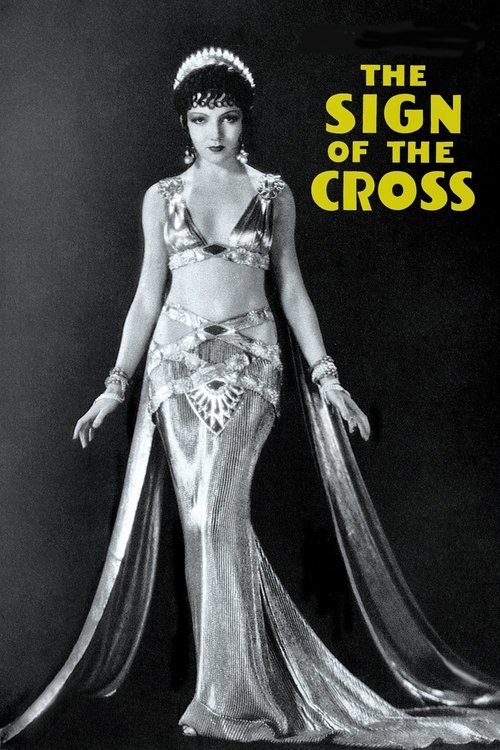
The Sign of the Cross1932
DeMille's other Roman Christian drama, leaner and faster than his later work. The moral conflict between duty and conscience has real teeth, and the spectacle never overwhelms the character work.
But Pre-Code Hollywood softness obscures the more transgressive elements. Some of the early sound filmmaking feels technically awkward.
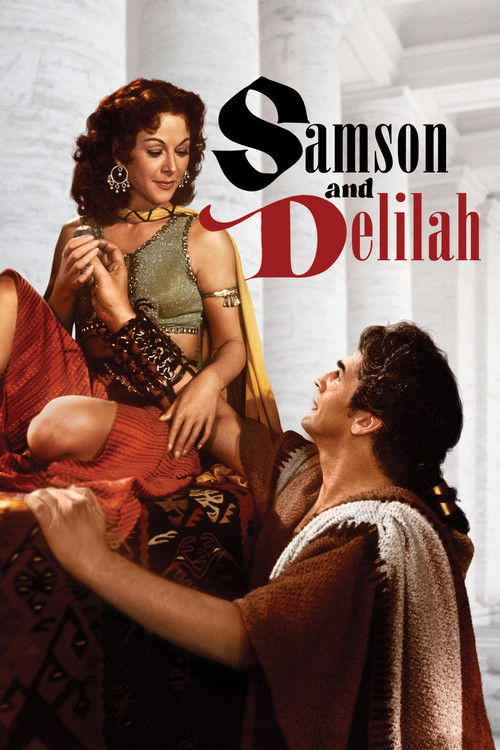
Samson and Delilah1949
Cecil B. DeMille again, but in colour and with a different kind of biblical hero. The intimacy of the central relationship contrasts with the same appetite for scale and destruction.
But It's considerably lighter in tone, almost campy. The romance is earnest in a way that modern viewers often find unintentionally funny.
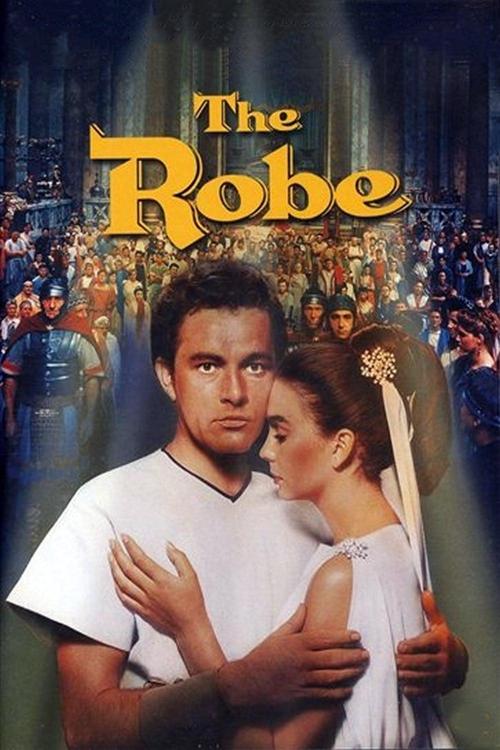
The Robe1953
A Roman officer grapples with faith after witnessing the Crucifixion. It has the same religious framework as Ben-Hur but inverts the hero's journey—this is about surrender, not conquest.
But The theological weight can feel heavy-handed. It's more interested in conversion than character development, which limits its emotional range.
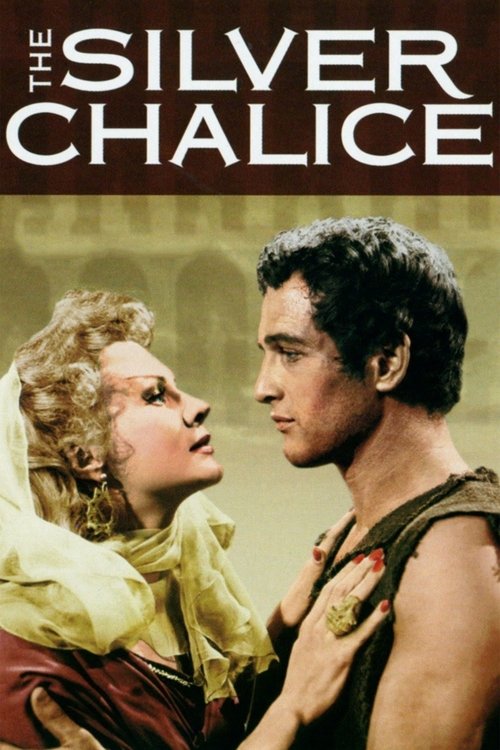
The Silver Chalice1954
An artist tasked with crafting the cup of Christ. It's a quiet, contemplative take on biblical epic, focused on faith as internal struggle rather than external conflict.
But Slow and deliberately undramatic. If you want Ben-Hur's energy and movement, this will feel like watching paint dry. Also: it's genuinely not very good.
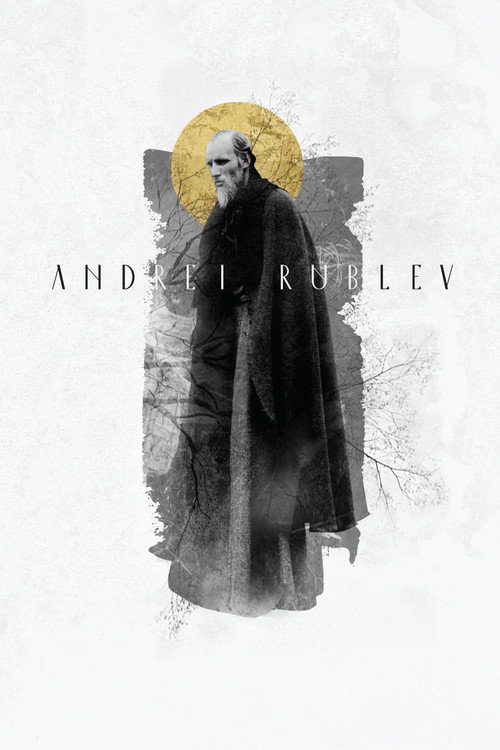
Andrei Rublev1966
Both ask what faith costs and what it's worth. Ben-Hur answers with spectacle and triumph; Rublev answers with silence and doubt. They're inverses of each other, wrestling with the same question from opposite ends of cinema.
Tarkovsky's meditation on faith, art, and suffering across centuries. Visually overwhelming in a completely different register from Ben-Hur: intimate, philosophical, morally complex. A spiritual epic rather than a historical one.
But It's glacially slow and makes no concessions to plot. The religious symbolism is Byzantine. You won't enjoy it if you want story momentum or clear narrative resolution.
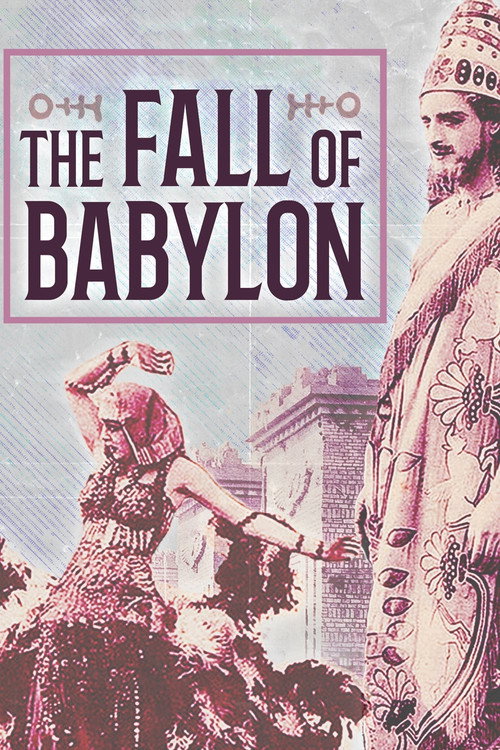
The Fall of Babylon1919
Both are silent historical epics that use scale and architecture to express emotional and spiritual states. But Babylon is dreamlike and erotic where Ben-Hur is narrative and heroic. Griffith asks 'what is power?' with decadence and decay; DeMille asks it with triumph and vindication. See Babylon to understand what Ben-Hur chose not to be.
Griffith's ravishing historical fantasy—not a documentary but a poet's invention. The production design is staggering, the sexuality frank and strange. Visually richer than Ben-Hur and far weirder. A film that feels like a fever dream.
But It's genuinely difficult to parse plot-wise. The structure is associative, not linear. The eroticism will surprise you, and not always pleasantly by modern standards. Also difficult to find in good condition.
People
Cast
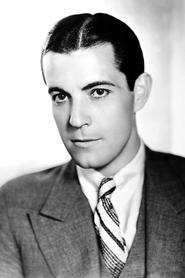 Ramon NovarroJudah Ben-Hur
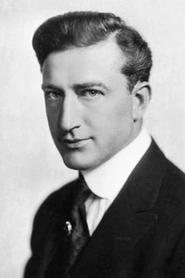 Francis X. BushmanMessala
 May McAvoyEsther
 Betty BronsonMary
 Claire McDowellPrincess of Hur
 Kathleen KeyTirzah
 Carmel MyersIras
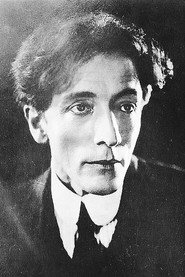 Nigel De BrulierSimonides
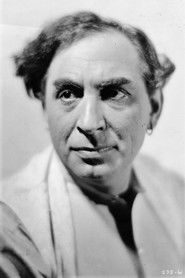 Mitchell LewisSheik Ilderim
 Leo WhiteSanballat
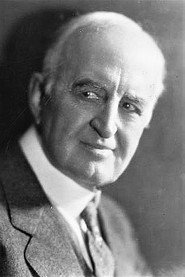 Frank CurrierQuintus Arrius
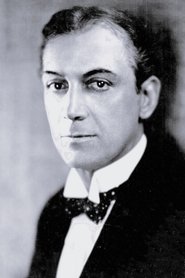 Charles BelcherBalthazar
Directing
- Bess MeredythContinuity
- Carey WilsonContinuity
- Fred NibloDirector
- B. Reeves EasonSecond Unit Director
- Christy CabanneSecond Unit Director
Writing
- June MathisAdaptation
- Lew WallaceNovel
- Carey WilsonScenario Writer
Production
- Irving ThalbergProducer
- J.J. CohnProducer
- Louis B. MayerProducer
- Samuel GoldwynProducer
Recommended by
The Thief of Bagdad, The King of Kings, Joan the Woman, Salammbô, The Ten Commandments, Hands Up!