
Film
Salammbô
A 1926 silent epic based on Flaubert's baroque historical novel, depicting the Mercenary War between Carthage and its unpaid barbarian army. Visually lavish and deliberately stagy, it moves at a stately pace through intrigue, seduction and ancient combat. For silent film enthusiasts and those curious how cinema once dramatized classical literature.
If you liked this
Intolerance: Love's Struggle Throughout the Ages1916
D.W. Griffith's ambitious four-act structure follows parallel stories across centuries, building to riots and execution. Like Salammbô, it swings between intimate drama and overwhelming masses, driven by sincere historical conviction.
But The film runs over three hours and stops dead for philosophical lectures. Some of Griffith's intentions haven't aged well, and the pacing can feel interminable.

Metropolis1927
Another European silent epic from the same era—elaborate sets, philosophical gravitas, a willingness to subordinate character to spectacle and moral argument. Visually stunning and earnest in ways contemporary cinema rarely attempts.
But The restored version is still nearly two and a half hours of melodrama with a simplistic ideology. Some scenes drag, and the restoration itself can feel patchwork.

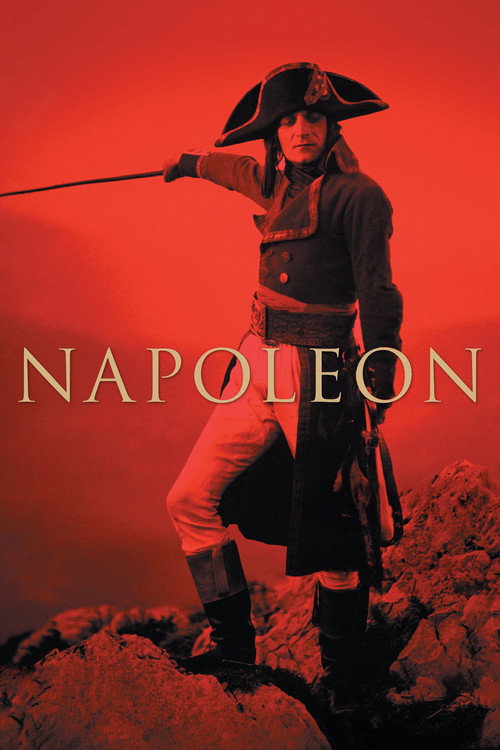
Napoleon1927
Abel Gance's biographical epic uses innovative widescreen techniques and massive crowd scenes to capture an historical figure. Shares Salammbô's grandeur and its faith that cinema could immortalise the past on a colossal scale.
But At five and a half hours even in shortened prints, it demands patience. The narrative sprawls and the Romantic nationalism now reads as dated.
Not sure tonight? Get a pick in a minute, starting from Salammbô
The wildcard
Something you would not have found on your own.
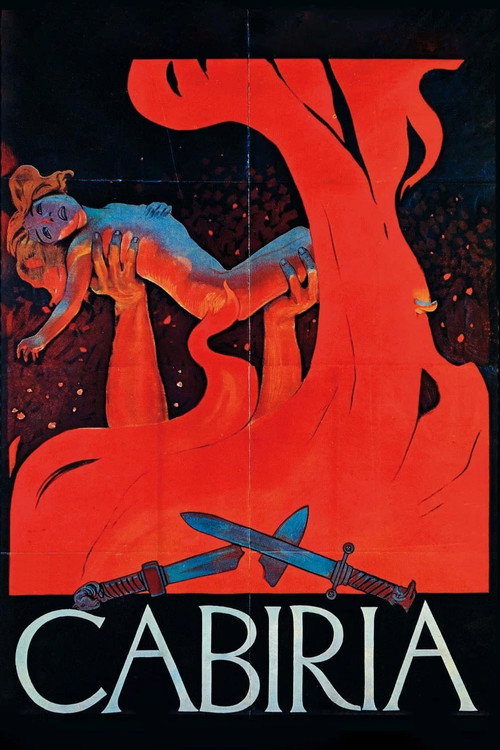
Cabiria1914
Direct precursor in the same historical moment and genre—both are European epics of ancient warfare, built on similar production philosophy and released within a decade of each other.
This Italian silent epic about the Punic Wars predates Salammbô by twelve years and likely influenced it—armies, spectacle, ancient history, and the same willingness to spend enormous resources on historical authenticity through pageantry and design.
But It runs over three hours, the acting is floridly theatrical even by silent standards, and the intertitles are sometimes hard to parse. The narrative is episodic and doesn't always cohere.
More like this (8)
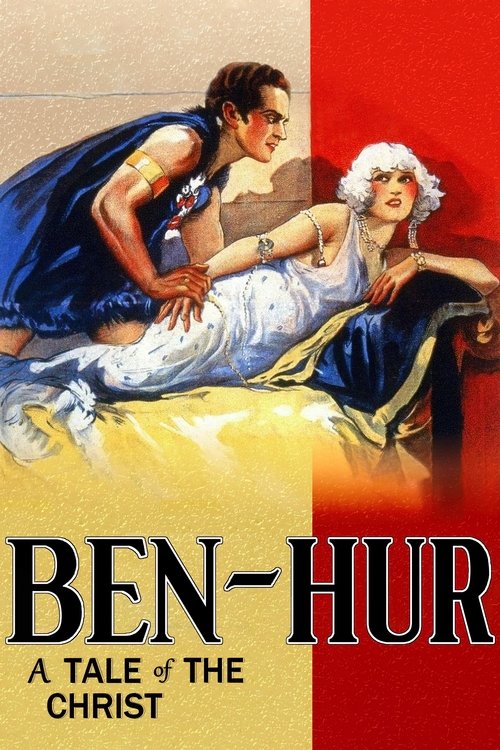
Ben-Hur: A Tale of the Christ1925
A silent biblical epic with sweeping production design, chariot races that still thrill, and the same commitment to historical authenticity through pageantry. Proof that silent cinema could handle grand historical subjects with confidence.
But It's a religious melodrama at heart, and the piety can feel heavy-handed. The film moves between intimate scenes and spectacle in ways that don't always cohere.
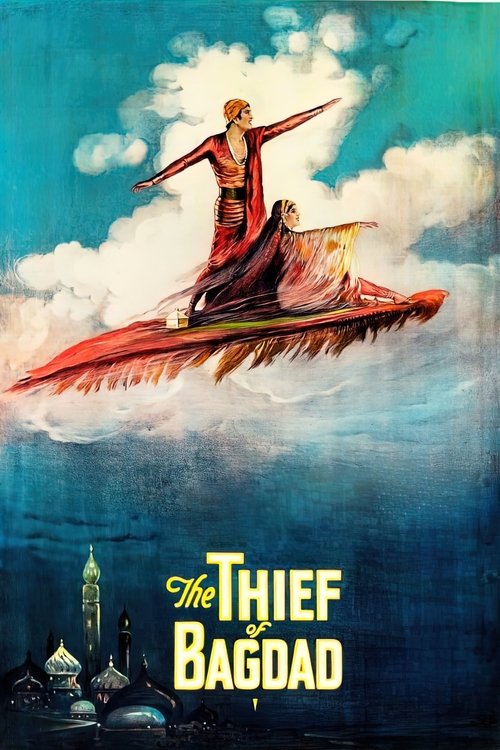
The Thief of Bagdad1924
Douglas Fairbanks in an Arabian fantasy with production design that rivals Salammbô's—everything is theatrical, ornate, almost operatic. Silent spectacle working at full tilt with charm and visual imagination.
But The plot is gossamer-thin and it relies entirely on your patience with Fairbanks' charm and the production's visuals. If you want narrative momentum, look elsewhere.
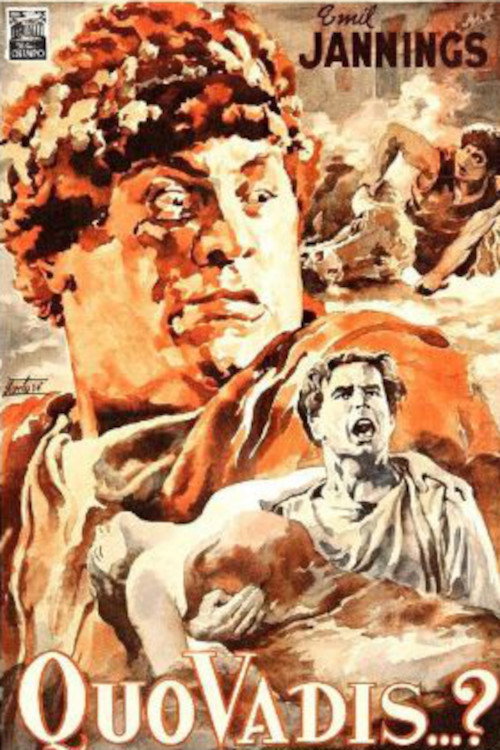
Quo Vadis?1924
An Italian historical epic set in Nero's Rome with crowds, intrigue, and a willingness to be absolutely serious about ancient history. Similar in scale and tone to Salammbô, with comparable production ambition.
But It's a Christian allegory dressed in historical costume, and that message overwhelms the drama. The subtitles are dense and the pacing ponderous.
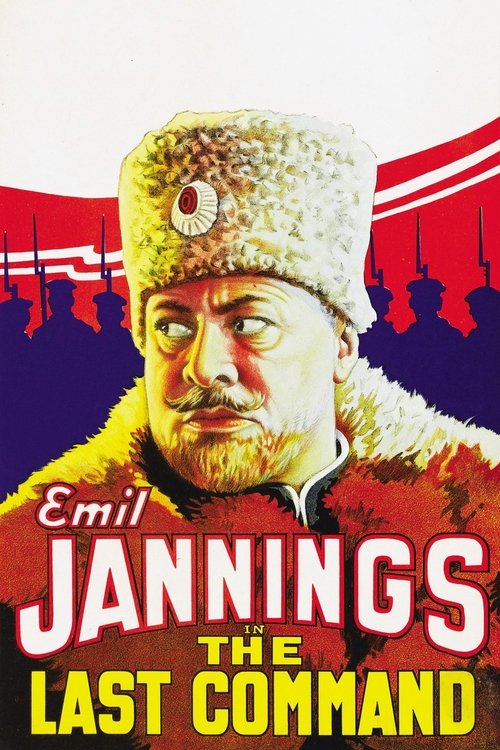
The Last Command1928
Emil Jannings as a Russian general brought low—a character study in the body and face of an aging actor. More intimate than Salammbô, but shaped by the same conviction that cinema could explore historical tragedy through performance.
But It's primarily a showcase for Jannings and his rather theatrical acting style. Without interest in that performance, the film has little else to offer.
The Phantom Carriage1921
Victor Sjöström's Swedish masterpiece shows how silent cinema could move between the supernatural, the historical and the intimate. A reminder that European silent film was artful and conceptually complex.
But It's a ghost story about drunkenness and redemption, and the didacticism can feel heavy. The pacing is very slow and the tragedy is unrelenting.

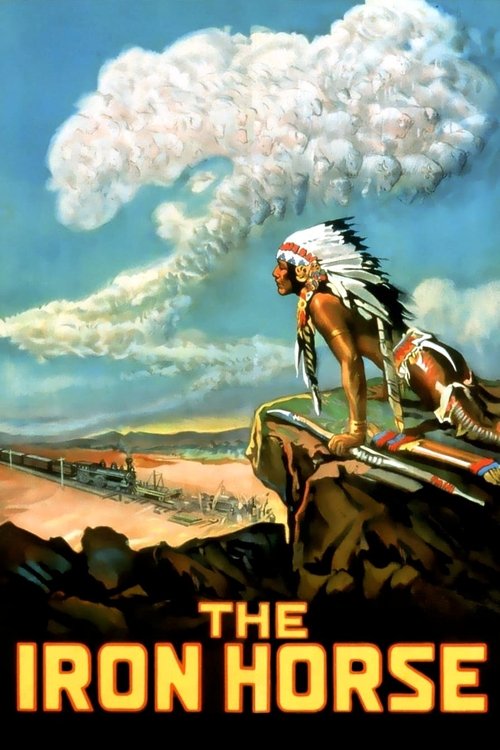
The Iron Horse1925
John Ford's epic about the building of the transcontinental railroad—historical, ambitious, and rooted in real events. Shows how silent cinema tackled American history with the same grandeur Salammbô brings to Carthage.
But The film is over two hours and much of it is devoted to landscape photography that, while beautiful, doesn't advance plot. The romantic subplot is thin.
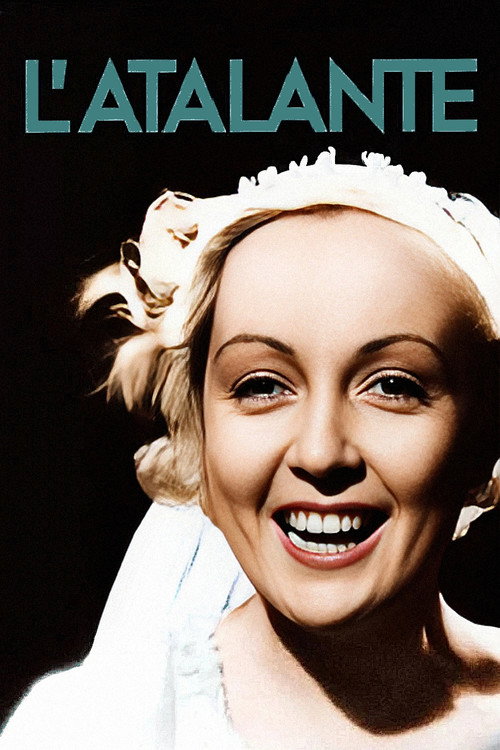
L'Atalante1934
Both are French films obsessed with the physical beauty of their compositions and with desire as a kind of spell—Salammbô through costume and crowd, L'Atalante through camera placement and silence. One is epic, one intimate, but both are fundamentally about seduction.
Jean Vigo's poetic film about a barge captain and his new wife is shot through with sensuality, ritual, and an almost operatic melancholy. It shows how cinema could be serious, dreamlike, and erotic without abandoning grace—the emotional opposite of spectacle, but with equal artistic commitment.
But There is almost no plot and the film is only 89 minutes, but it feels long because so little happens. If you want narrative or excitement, you will be frustrated. The melancholy can feel self-indulgent.
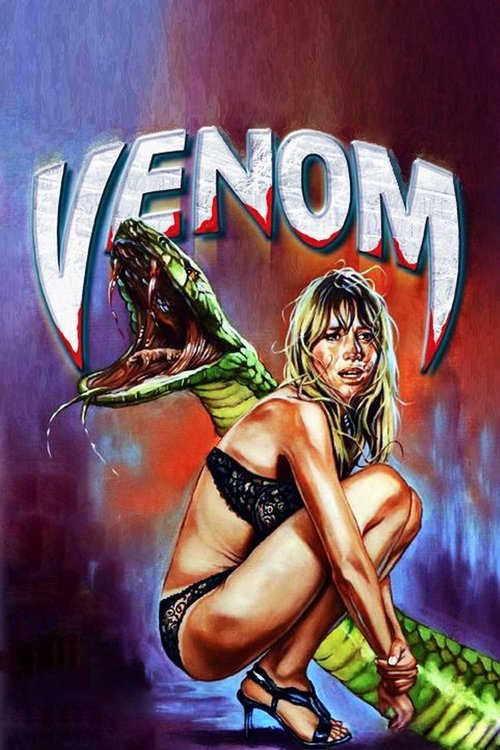
Venom1981
Like Salammbô, Venom uses seduction and animal power as weapons; both pit desire and survival against civilised codes. Salammbô is grave and Venom is pulpy, but both understand that bodies and ritual matter more than reason.
A hostage thriller set in a London townhouse where a snake is loose—trashy, tense, and completely committed to its premise. Features Klaus Kinski and Sterling Hayden at their most intense, and the B-movie energy carries you through.
But It's exploitative and silly; the snake gets top billing and the premise is ridiculous. It wants to be Jaws but is frankly much dumber and more brutal.
People
Cast
- Jeanne de BalzacSalammbô
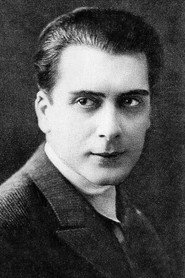 Rolla NormanMatho
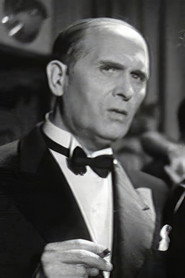 Victor VinaHamilcar Barca
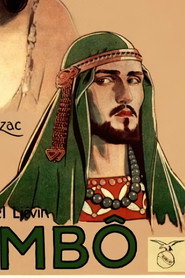 Raphaël LievinHavas
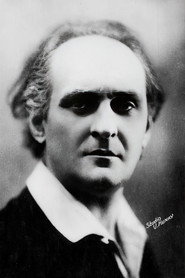 Henri BaudinSpendius
- Adolf WeisseScharabahim
- Albert de KerstenGiscon
Directing
- Pierre MarodonDirector
Writing
- Gustave FlaubertNovel
Production
- Louis AubertCo-Producer
- Arnold PressburgerProducer