
Film
Kismet
Other titles called Kismet: the 1943 film, the 1955 film.
A 1930 fantasy-adventure where a scheming beggar in Baghdad plots his daughter's royal marriage and his own ascent into the palace. Lavish sets and theatrical performances create an ornate, farcical world. It's a relic of silent-era swagger: swashbuckling, romantic, and utterly unconcerned with plausibility. For anyone curious about early Hollywood spectacle or the roots of adventure cinema.
Should you watch it?
Watch it if you love early talkie spectacle with a scheming rogue at its center, a fairy-tale romance played with a straight face and a knowing wink.
Skip it if you need crisp pacing and modern sound, since this early talkie can feel stagey and creaky, and it is believed lost, so it may be impossible to see.
What it asks of you: Expect a brisk ninety minutes of stage-bound theatrics, long static takes, and broad acting, with little interest in quiet moments.
Not sure? Find tonight's pick in a minute.
If you liked this
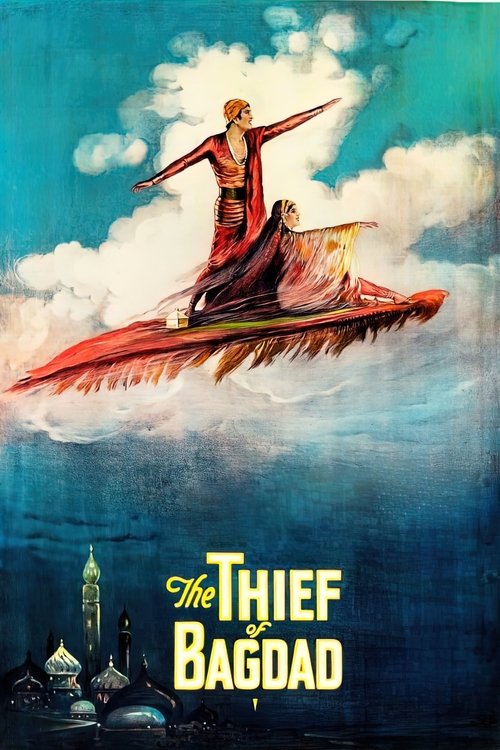
The Thief of Bagdad1924
Douglas Fairbanks in a dazzling, effects-heavy fantasy-adventure with the same Arabian Nights setting and the same appetite for elaborate set-pieces and impossible stunts. Pure visual imagination.
But It's a silent film, which demands patience; the pacing feels glacial to modern eyes, and some sequences drag.
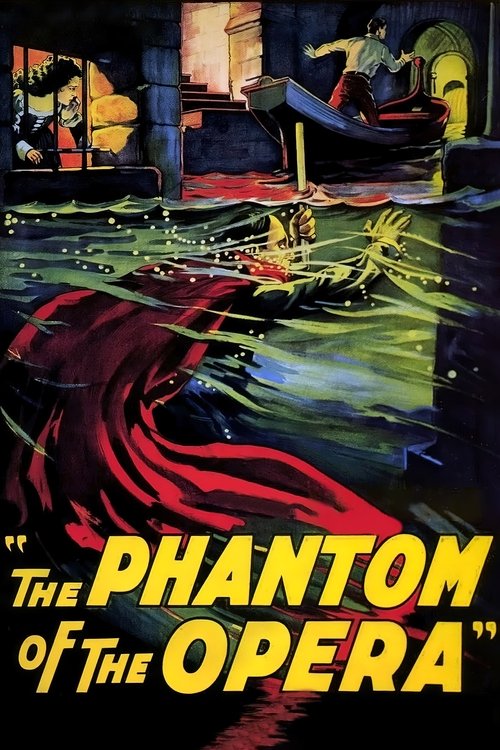
The Phantom of the Opera1925
Another Lon Chaney silent spectacular with similar theatrical grandeur, sumptuous costumes, and a scheming outsider trying to control those above his station. The production design is genuinely breathtaking.
But The plot is melodrama bordering on soap opera. If you need emotional realism, this will feel overwrought.
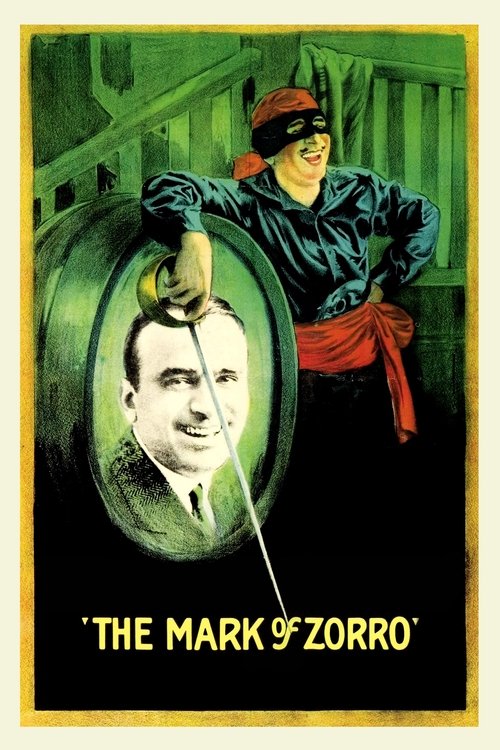
The Mark of Zorro1920
Fairbanks again, and the film that basically invented the romantic hero-antihero archetype: charming, morally flexible, bent on outwitting the powerful. It's impossibly entertaining and surprisingly witty.
But It's a silent action-comedy hybrid, so dialogue jokes land as pantomime. The restraint required to not roll your eyes takes effort.
Not sure tonight? Get a pick in a minute, starting from Kismet
The wildcard
Something you would not have found on your own.
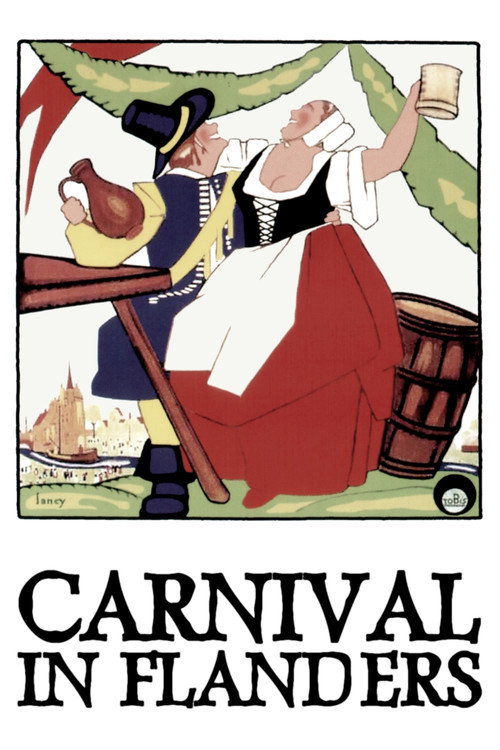
Carnival in Flanders1935
Both films make scheming and role-play the entire point. Both trust their audience to enjoy the game of pretense itself rather than worrying about 'authenticity.' Both suggest that charm and performance can be survival strategies.
A French comedy where ordinary townspeople collectively con Spanish invaders through theatre and performance. Like Kismet, it's entirely about managing perception and playing roles to outwit the powerful—but it's a *talkie* with wit, sung lines, and genuine warmth.
But It's French and subtitled, and the humor is subtle and conversational rather than visual. Some may find it slow or too refined.
More like this (7)
Intolerance: Love's Struggle Throughout the Ages1916
D.W. Griffith's monumental four-part epic set partly in ancient Babylon with sets so massive they defined what 'spectacle' meant in early cinema. The ambition is staggering; some sequences are genuinely stunning.
But It's nearly four hours long, silent, and philosophically pretentious. Even fans admit the Babylon section is the only genuinely watchable part.

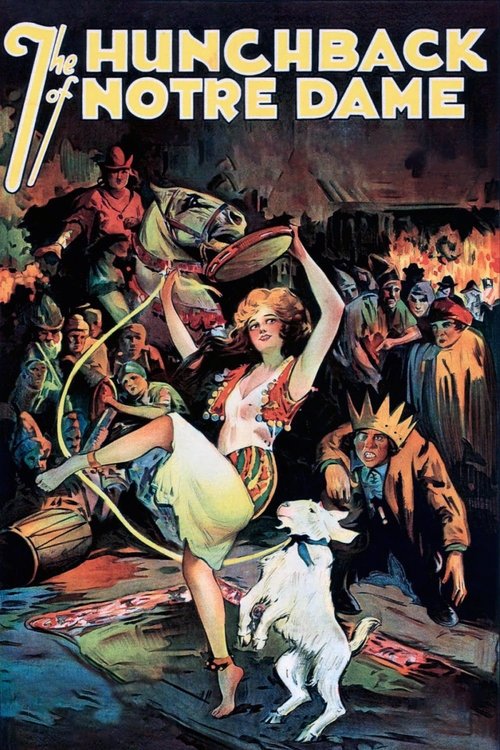
The Hunchback of Notre Dame1923
Lon Chaney again, but in a Parisian setting with the same enormous sets, the same outsider-trying-to-navigate-nobility plot, and crowds of extras creating a living, breathing medieval world.
But The romantic subplot is clumsy, and Chaney's performance—though extraordinary—is very much of the silent-film school: big, gestural, sometimes hard to read.
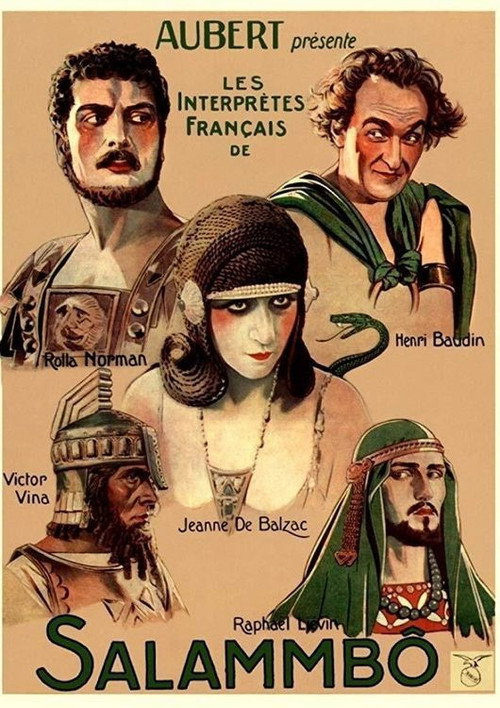
Salammbô1926
A French spectacle with similar Eastern exoticism, elaborate costumes, and no concern whatsoever for historical accuracy. It's pure adventure-fantasy dressing, and the production values are lavish.
But It's rarely screened and hard to find. Even as a silent film, it feels obscure and somewhat static.
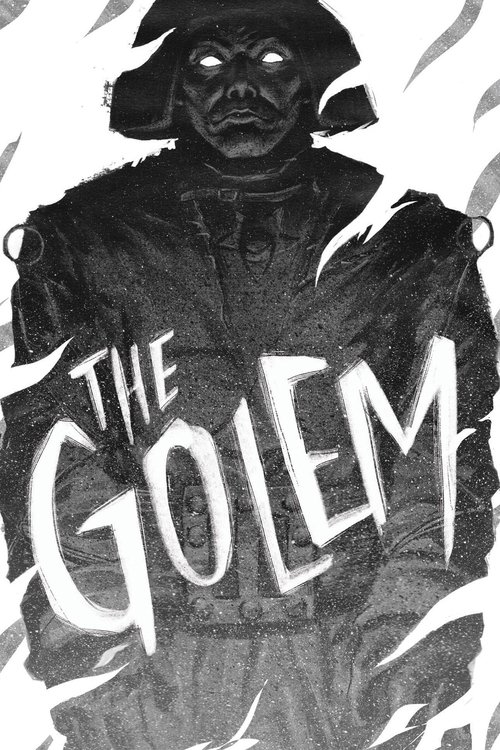
The Golem: How He Came into the World1920
A German Expressionist fantasia set in medieval Prague, with similar themes of power, magic, and an outsider manipulating the throne. The visual language is utterly unique and hypnotic.
But It's extremely slow, conceptually dense, and the plot can feel secondary to the atmosphere. Not for anyone wanting straightforward entertainment.
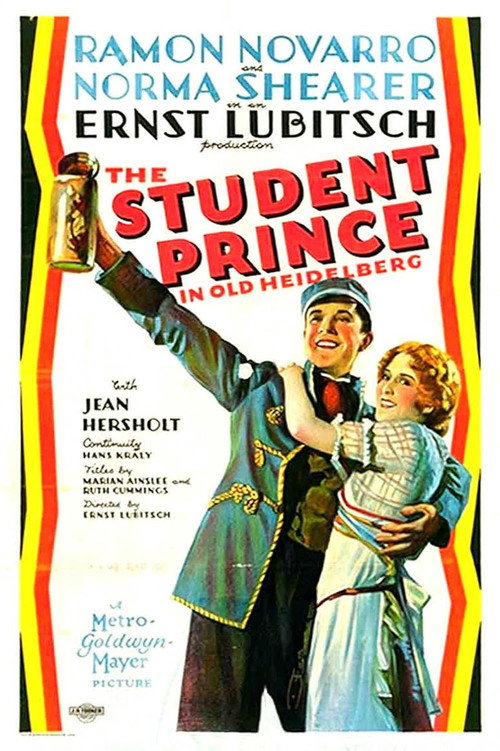
The Student Prince in Old Heidelberg1928
A romantic operetta adapted to silent film with similar exoticism (though European), elaborate costumes, and a focus on charm and scheming over substance. It's lighter and frothier than Kismet but shares the theatrical DNA.
But It's one of the last silent operettas, which means the form is already dated. The romance is saccharine and undercooked.
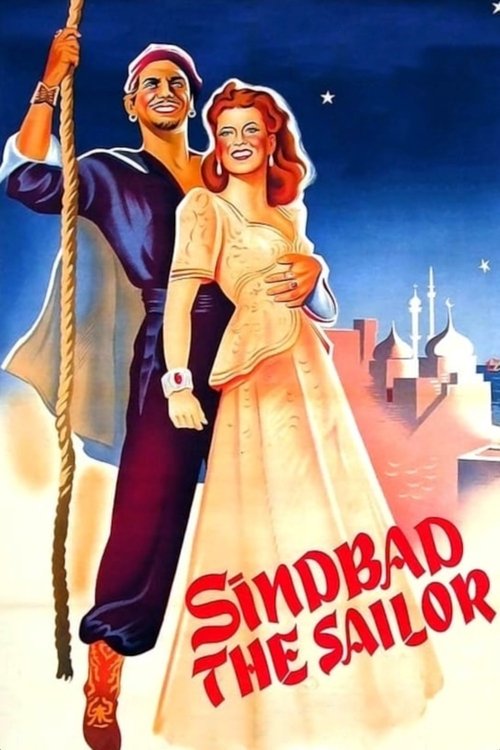
Sinbad the Sailor1947
Same geographic fantasy setting, same protagonist navigating between the powerful through wit and charm, same love of spectacle over logic. It's what Kismet would be if remade as a Hollywood swashbuckler with better resources.
A Technicolor fantasy-adventure with the same Arabian-nights escapism and rascal-protagonist structure, but post-sound, gorgeously colored, and energetic. It scratches the same itch but with modern production values and actual dialogue.
But It's juvenile by design—a children's adventure. The plot is paper-thin and the tone is relentlessly cheerful. There's no darkness or edge.
Sullivan's Travels1941
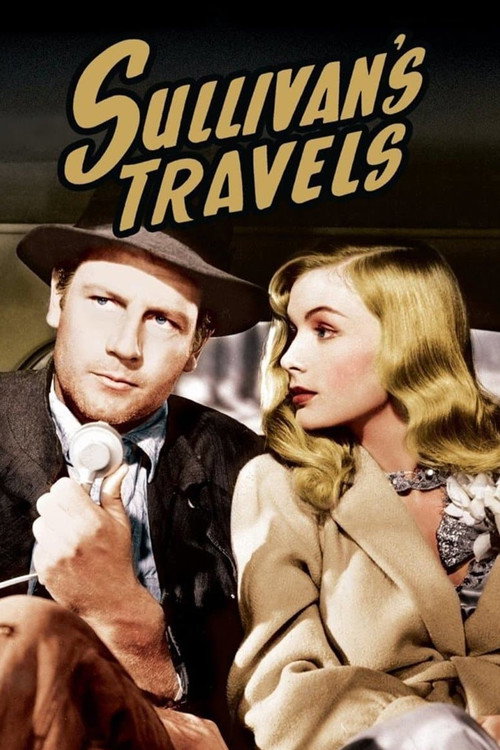
Hajj is a con artist playing a beggar, scheming toward nobility. Sullivan is a rich man playing poor, learning humility. Both films are fascinated by the performance of identity and what happens when you pretend to be something you're not. One is pure fantasy; one is grounded realism. That contrast is the point.
A Hollywood comedy about a wealthy director playing poor to research 'authenticity' for a film. Preston Sturges's examination of performance, class, and the gap between aspiration and reality is remarkably complex for a fast-talking 1941 farce.
But It shifts genre halfway through (from comedy to something darker), which unsettles some viewers. The tonal shift can feel abrupt if you're not prepared for it.
People
Cast
 Otis SkinnerHajj
 Loretta YoungMarsinah
 David MannersCaliph Abdallah
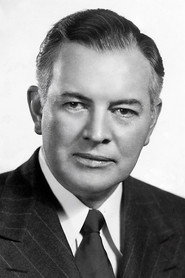 Sidney BlackmerWazir Mansur
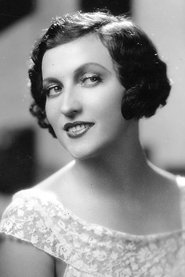 Mary DuncanZeleekha
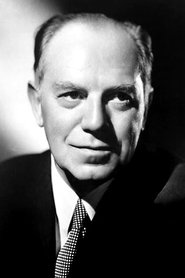 Montagu LoveThe Jailer
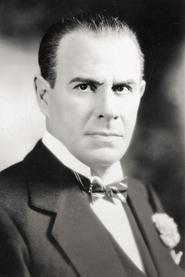 Ford SterlingAmru
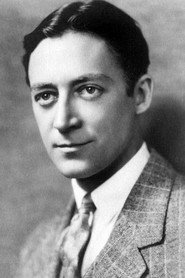 Theodore von EltzThe Guide Nazir
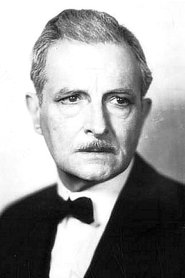 John St. PolisThe Imam Mahmud
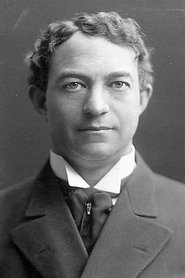 Edmund BreeseJawan
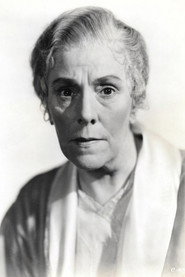 Blanche FridericiNarjis
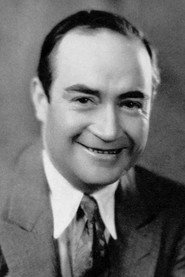 John SheehanKazim
Directing
- John Francis DillonDirector
Writing
- Howard EstabrookAdaptation
- Howard EstabrookDialogue
Production
- Robert NorthProducer