
Film
Kismet
Other titles called Kismet: the 1930 film, the 1955 film.
Kismet is a 1943 Hindi melodrama about class, fate and second chances. A ruined theater owner and his disabled daughter live in poverty until a young pickpocket enters their lives, sparking romance and the chance for revenge. It's romantic, morally complex, and visually sumptuous—a film where coincidence reshapes lives and forgiveness competes with justice.
If you liked this
Pyaasa1957
Guru Dutt's masterpiece about a struggling poet navigating poverty, love, and moral compromise in postwar India. Achingly beautiful and far more sophisticated than it first appears; the cinema itself feels impoverished alongside the characters.
But The pacing is deliberately slow and meditative. If you need plot momentum, this will feel like grief in slow motion—which is partly the point, but not everyone wants that.

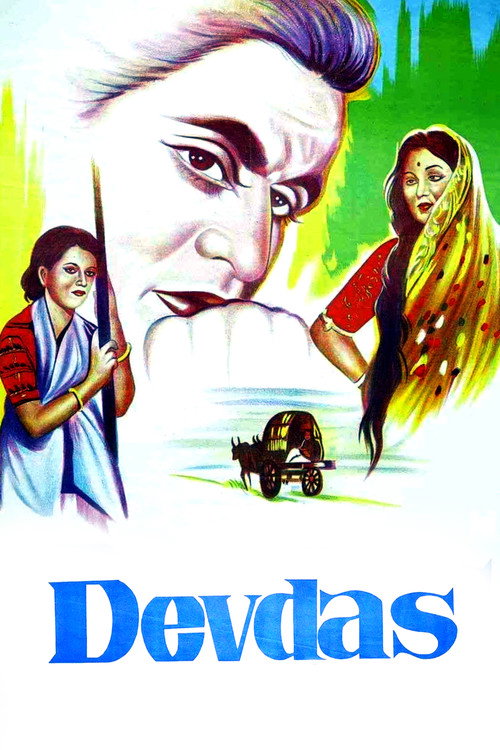
Devdas1955
Bimal Roy's adaptation of Sarat Chandra's novel about a man destroyed by class prejudice and social convention. It shares Kismet's belief that love and money are inextricable, and its visual grandeur is staggering. A genuine tragedy.
But The romanticism of self-destruction may feel dated or frustrating. Devdas chooses his ruin, and some viewers will simply resent him for it.
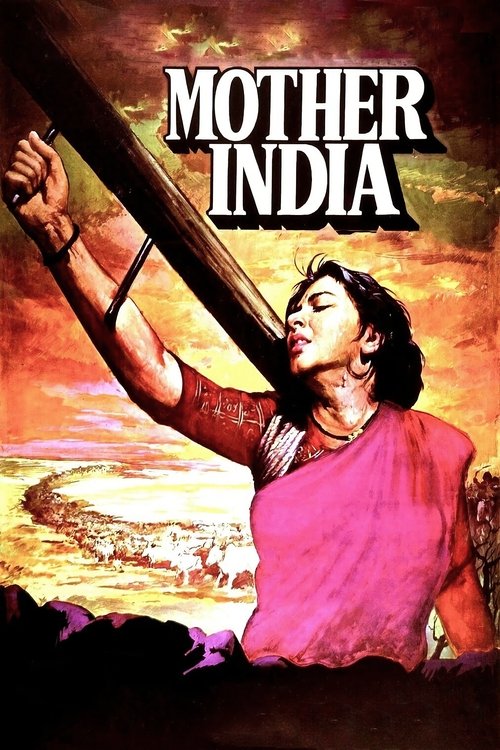
Mother India1957
Mehboob Khan's epic about a widow's decades-long struggle to raise her sons and preserve her dignity. Shares Kismet's understanding that poverty is not noble, family loyalty is complicated, and maternal love can demand impossible sacrifices.
But It's three hours of relentless hardship with minimal relief. The film believes in suffering as character-building, which is a philosophy some viewers rightly reject.
Not sure tonight? Get a pick in a minute, starting from Kismet
The wildcard
Something you would not have found on your own.
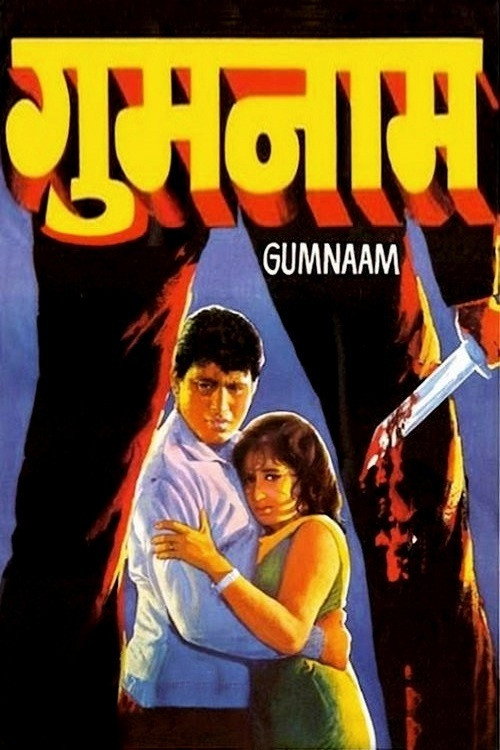
Gumnaam1965
Both films are built on the premise that fate and coincidence are real forces—that being in the wrong place at the right time can define your entire life. In Gumnaam, you cannot escape coincidence even if you try.
A mystery thriller where seven strangers are trapped on an island and picked off one by one. It's Bollywood's answer to Agatha Christie, and it works. But like Kismet, it's fundamentally interested in how circumstance and chance make us criminals or heroes—chance reshapes identity here too.
But The plot is convoluted and the pacing occasionally stutters. You have to be willing to let some logical threads dangle.
More like this (8)
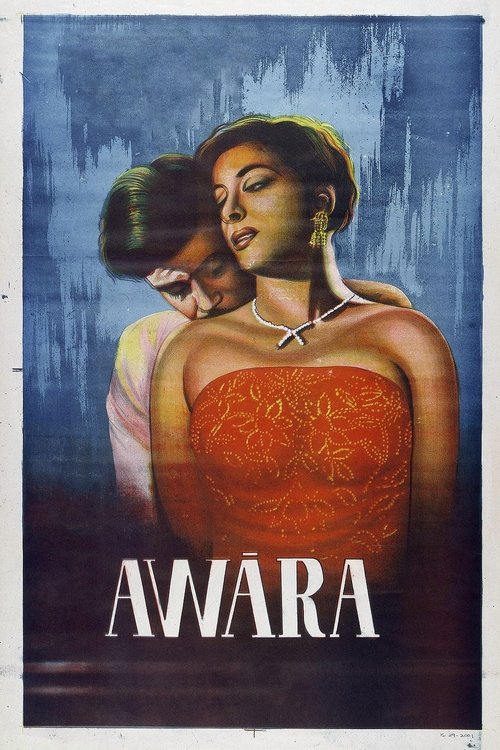
Awaara1951
Raj Kapoor's film about a man raised on the streets who must choose between love and vengeance. Like Kismet, it grapples with whether a person's circumstances define their morality, and whether redemption is possible. Spectacular production design.
But The plot hinges on coincidences that strain credulity even by the standards of the era. You have to surrender to the logic of fate the film is proposing.
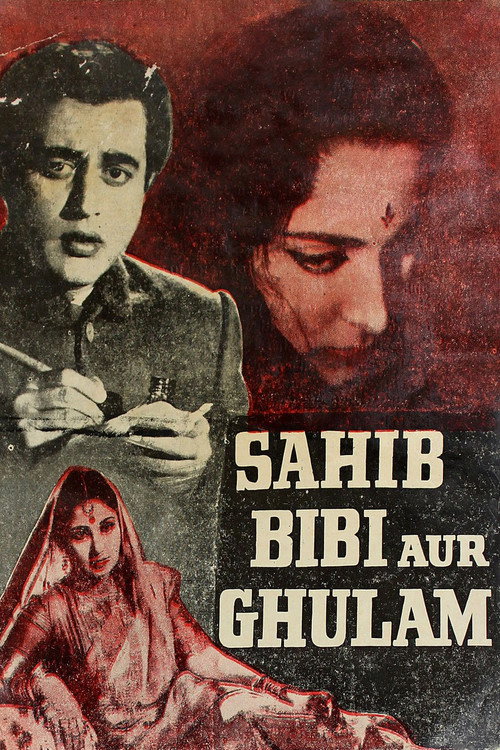
Sahib Bibi Aur Ghulam1962
Abrar Alvi's film about desire and degradation in a declining aristocratic household. Like Kismet, it's interested in how class and circumstance corrode people, and in the ways people cling to dignity when they have nothing else.
But The central woman is presented through a male gaze that can feel exploitative. It's a critique, but not always a comfortable one to watch unfold.
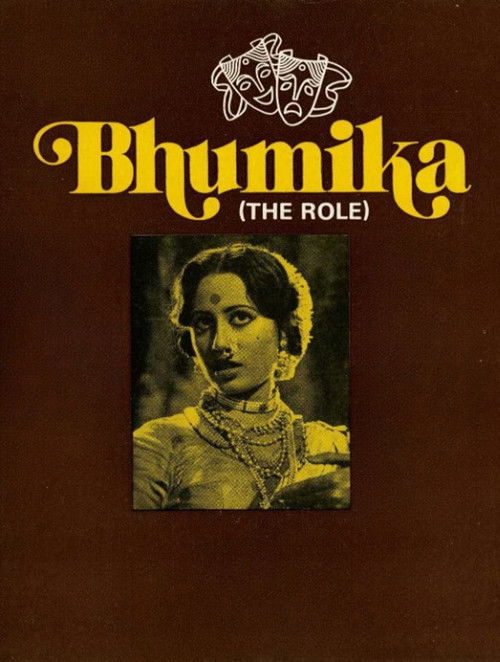
Bhumika1977
Shyam Benegal's semi-autobiographical film about an aging actress recounting her life of exploitation and survival in Indian cinema. It shares Kismet's skepticism about whether love redeems poverty, and its honesty about how systems use people.
But It's deliberately unglamorous and sometimes deliberately slow. The film refuses to make its heroine's suffering picturesque.
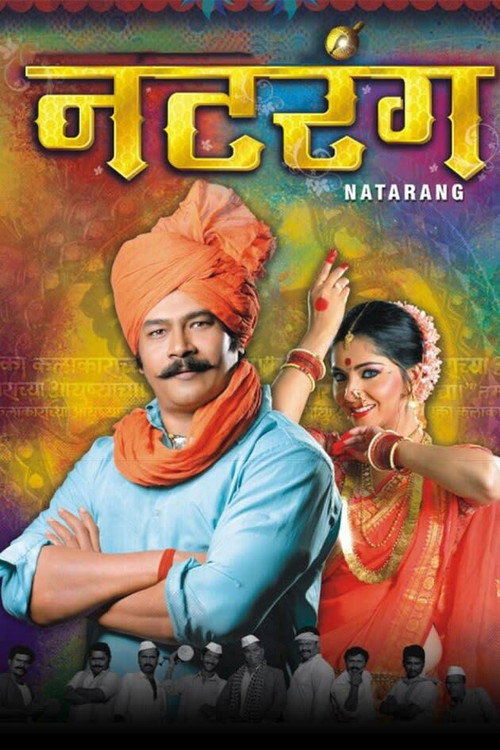
Natrang2010
A Marathi film about an aging theater worker who becomes an unlikely star of a traditional art form. It echoes Kismet's love for theater as redemption, but complicates that love with questions about ego, authenticity, and what success actually costs.
But It's in Marathi, which requires subtitles for most viewers. The theatrical sequences may feel indulgent if you're not already invested in the art form.
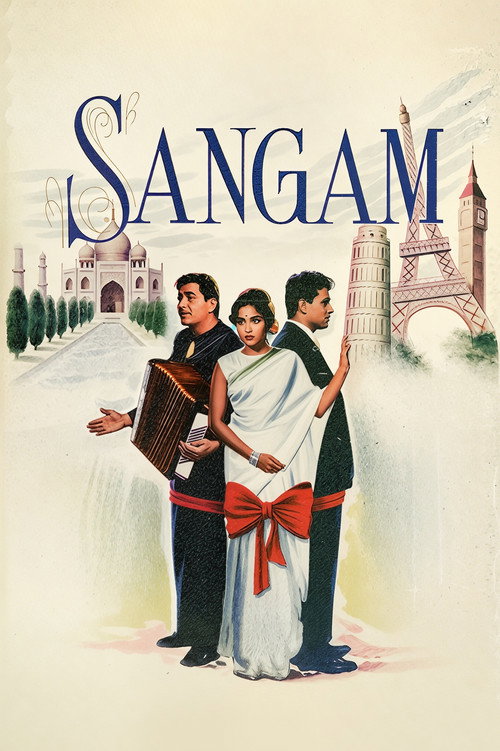
Sangam1964
Raj Kapoor's romantic epic about friendship, betrayal, and loyalty tested by love and class. The production is lavish, the emotion is genuine, and it shares Kismet's belief that passion can override logic and destroy lives.
But The second half sacrifices character for spectacle and melodrama. Once the central conflict is revealed, the film chooses plot over psychology.
Anarkali1953
Nandlal Jaswantlal's tragic romance about a courtesan and a prince. It shares Kismet's interest in how social position determines who gets to love whom, and what happens when that order is defied.
But The film is uneven, with stretches of theatrical excess and some genuinely dated attitudes toward women in sex work. It's a period piece in every sense.

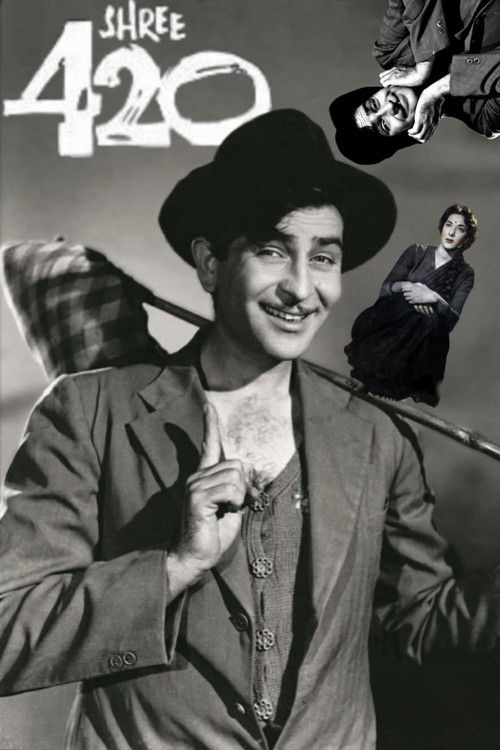
Shree 4201955
Both Kismet and Shree 420 believe that poverty can make you criminal, and that this is a tragedy, not a judgment of character. Both films are fascinated by the pickpocket or con man as a protagonist—not villainized, but humanized through circumstance.
Raj Kapoor plays a poor man who becomes a con artist in the big city. It's a comedy-drama about corruption, innocence, and whether it's possible to stay good when the world rewards badness. Visually magnificent and genuinely funny, but morally serious underneath.
But The tone jumps between slapstick and social critique without always landing smoothly. The film wants to be both funny and tragic, and not every scene makes the marriage work.
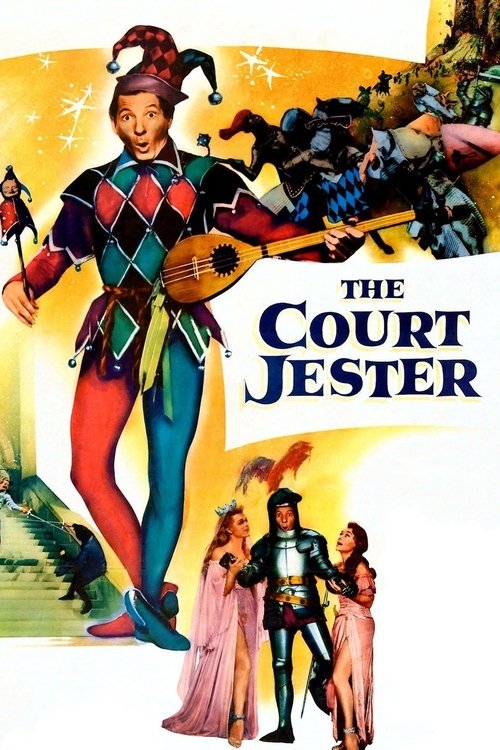
The Court Jester1955
Both are tales of mistaken or assumed identity that explore whether you can become someone else, or whether your origins always define you. One is tragedy, one is farce, but they're asking the same question through different genres.
Danny Kaye in a Technicolor swashbuckler about a commoner pretending to be nobility. It's a genre film (adventure, comedy) not a melodrama, but it shares Kismet's fundamental question: can someone change their station in life, and what does it cost them? Lighter than Kismet, but the same engine.
But It's American, not Indian, and the tone is antic rather than tragic. If you want the emotional weight of Kismet, this is candy instead. Some viewers will find it too frothy.
People
Cast
 Ashok KumarShekhar / Madan
- Shah NawazInspector
- Mumtaz ShantiRani
- V.H. DesaiBanke
 David Abraham CheulkarFence / Pawn-shop owner
- ChandraprabhaLeela
 MehmoodYoung Shekhar
- Kanu RoyMohan
- HaroonIndrajeet's Manager
 Kumari KamalaYoung Rani
- MubarakIndrajit Babu
Directing
- Gyan MukherjeeDirector
Writing
- Agha Jani KashmiriDialogue
- Gyan MukherjeeScreenplay