
Film
Anarkali
Anarkali is a sweeping 1953 Bollywood romance that reimagines the legendary love story of Prince Salim and a commoner dancer. Shot in lush Technicolor, it's a film for anyone who loves period drama, impossible romance, and songs that lodge themselves in your memory. Visually gorgeous, emotionally earnest, occasionally melodramatic—utterly of its era and all the better for it.
If you liked this
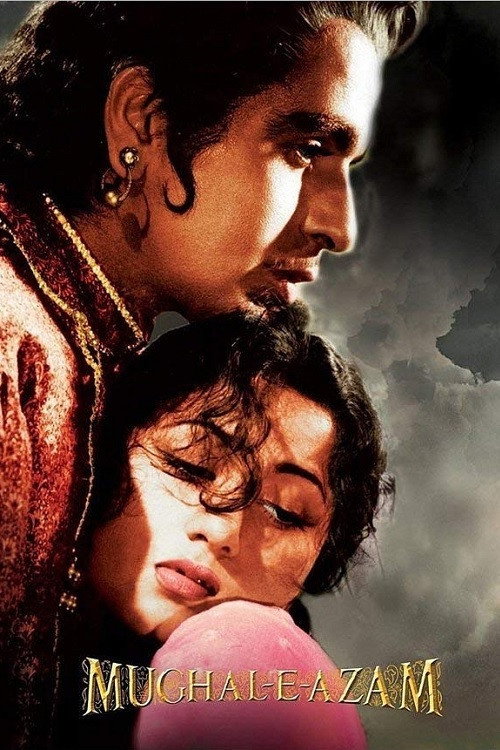
Mughal-e-Azam1960
The definitive Bollywood period epic, with Dilip Kumar and Madhubala in a similarly star-crossed royal romance. Stunning sets, unforgettable music, and a film that shaped Indian cinema itself. Essential viewing if you loved Anarkali's sweep.
But At over three hours, it's a commitment. The melodrama is thick, and some of the acting feels theatrical even by period-film standards.
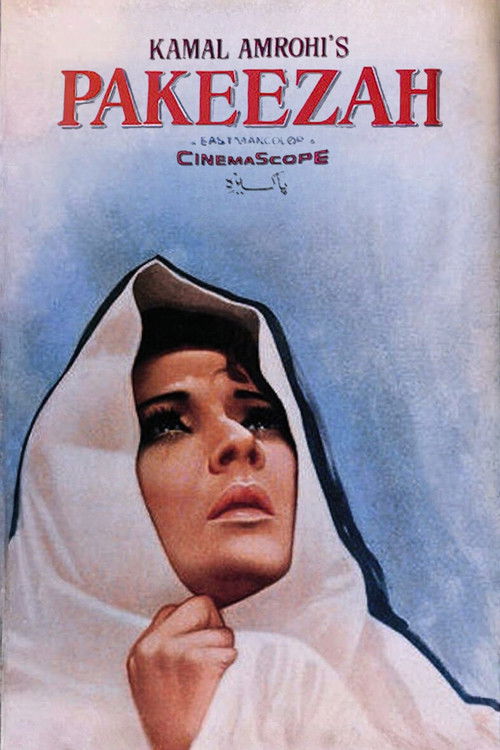
Pakeezah1972
Another Kamal Amrohi period romance with extraordinary visual poetry—sumptuous sets, gorgeous cinematography, and music that's devastating. It shares Anarkali's lush aesthetics and tragic-romance DNA, made by the same director.
But The pace is glacial and the plot thin. If you want plot momentum, look elsewhere. This is about mood and beauty, which takes patience.
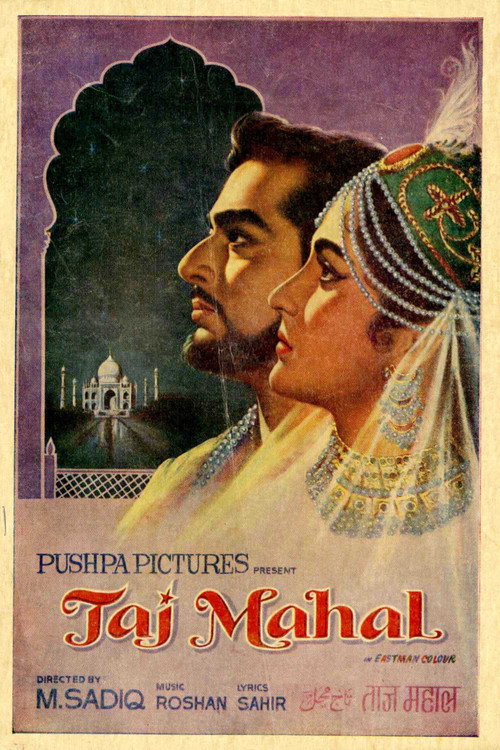
Taj Mahal1963
Another Pradeep Kumar vehicle (like Anarkali), this one set against the famous monument's construction. Gorgeous visuals, big emotions, and it captures that same '50s Bollywood romance aesthetic you're drawn to.
But The plot is slight and the emotions can feel overwrought. It's not as polished as Mughal-e-Azam and the pacing drags in the middle.
Not sure tonight? Get a pick in a minute, starting from Anarkali
The wildcard
Something you would not have found on your own.
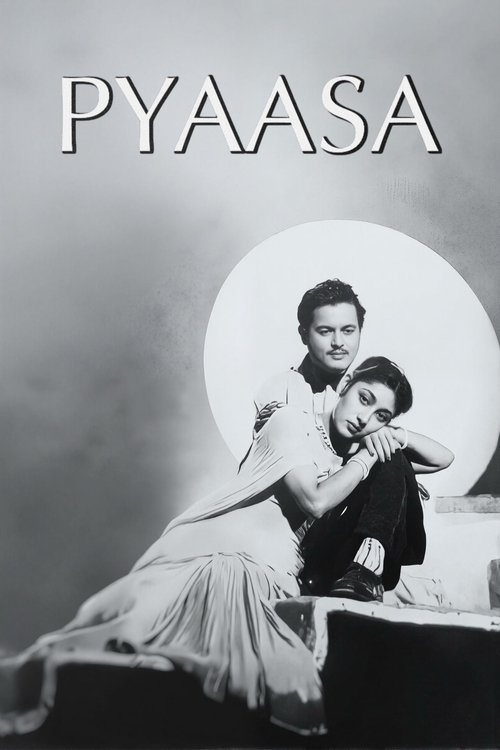
Pyaasa1957
Both explore the collision between class, desire, and society through romance. But where Anarkali is colourful and swept up, Pyaasa is monochrome and disillusioned—showing what the same story becomes when told without sentimentality.
Guru Dutt's masterpiece about a poet in love with a courtesan—the same thematic territory as Anarkali (love across class, the destructive nature of desire, doomed romance) but filtered through existential despair and film noir aesthetics. Visually stunning in black and white, it's simultaneously more modern and more tragic.
But It's in black and white, which feels austere after Anarkali's Technicolor richness. The mood is bleak rather than melodramatic, and it moves slowly. This is high art, not entertainment in the same key.
More like this (6)
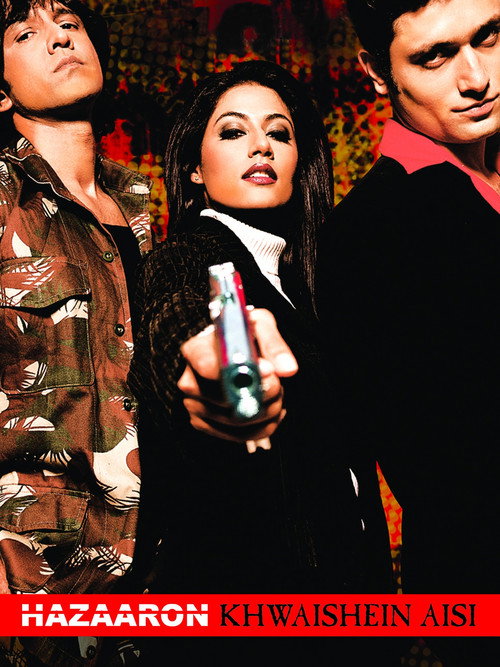
Hazaaron Khwaishein Aisi2005
A modern take on impossible love across class lines during the '70s political upheaval. It has the emotional weight and tragic structure of Anarkali but grounded in recent history rather than legend.
But It's a very different film—realistic, melancholic, and heavy. If you want the melodrama and musicality of Anarkali, this sober approach might feel deflating.
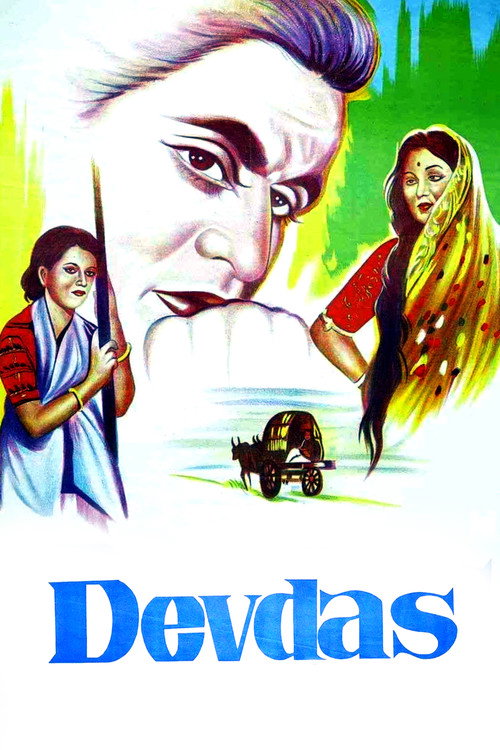
Devdas1955
Dilip Kumar in a doomed romance, gorgeously shot and emotionally devastating. It's got the music, the period flavour, and the sense that love cannot conquer all—themes that echo through Anarkali.
But It's relentlessly bleak and the protagonist is not sympathetic. The passivity of the female lead will frustrate modern viewers.
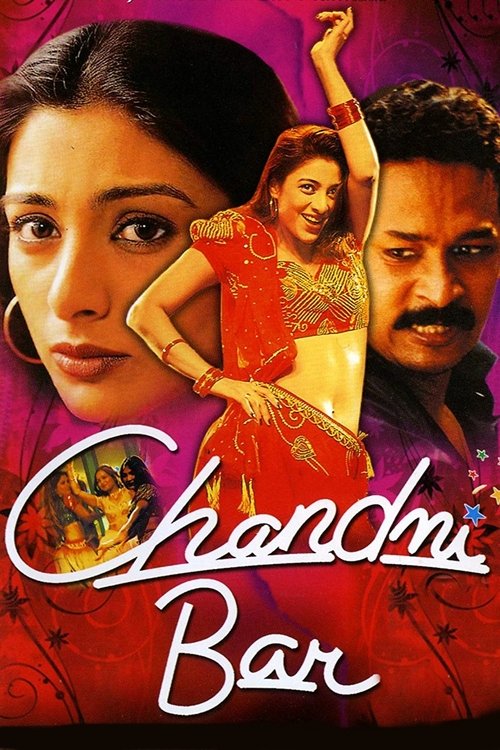
Chandni Bar2001
A completely different energy—contemporary, gritty, and raw—but it shares Anarkali's fascination with a woman who defies social convention and pays the price for it. A provocative rethink of the archetype.
But It's sexually explicit, violent, and deeply uncomfortable. This is not a lush period romance; it's a brutal modern tragedy. Completely different register.
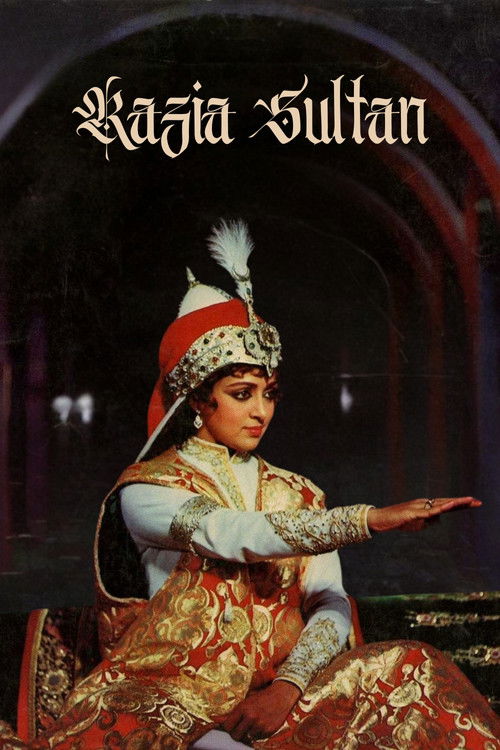
Razia Sultan1983
Madhoo and Sunny Deol in a historical romance with the same lavish production values and doomed-love structure. It's a more accessible entry point to this genre than some dustier '50s films.
But The film is uneven and the second half sags considerably. It's got the look but not always the substance, and it feels padded in places.
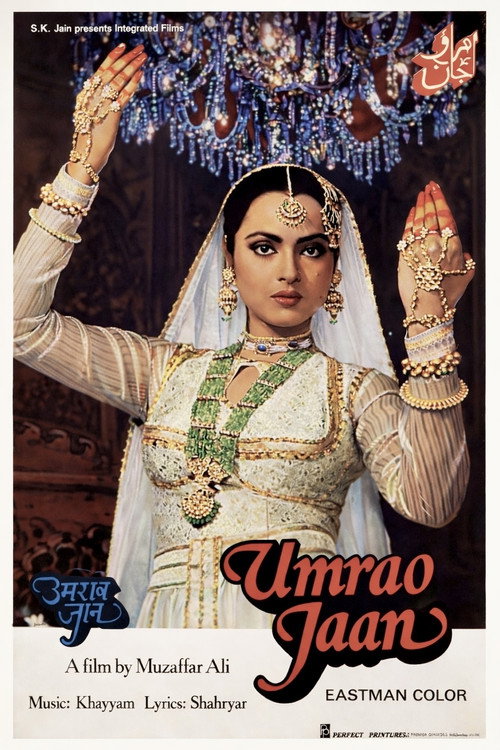
Umrao Jaan1981
Both are rooted in Urdu literary tradition and Indo-Islamic history. Both center women caught between worlds. But Umrao Jaan is a character study where Anarkali is a legend—more intimate, more heartbreaking, less operatic.
Rekha's greatest role: a courtesan in pre-Partition Lucknow caught between love and survival. Based on a Urdu novel like Anarkali's legendary roots, but this version is more psychologically complex, sadder, and anchored by extraordinary music (Khayyam's score is immortal).
But The first half is slow and the narrative is episodic rather than dramatically tight. You watch it for Rekha and the music and the atmosphere, not for plot propulsion. It demands patience and rewards it quietly rather than theatrically.
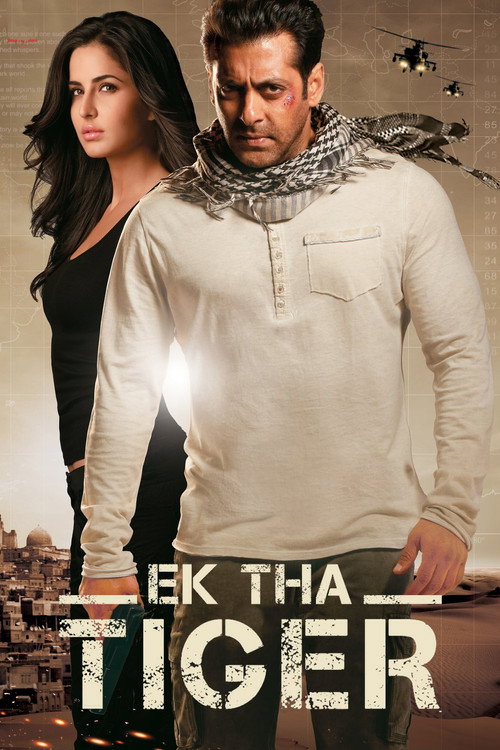
Ek Tha Tiger2012
Both are structured around the impossibility of love when loyalty and duty demand sacrifice. But where Anarkali is tragic myth, Ek Tha Tiger is a crowd-pleasing action spectacle that proves the structure still works—just in a different register entirely.
Wait—hear this out. It's a spy thriller with Salman Khan, which sounds nothing like Anarkali. But it's structured identically: impossible love between two people on opposite sides of a conflict, gorgeous location cinematography (instead of Mughal sets, you get international backdrops), and a final act that forces a choice between duty and desire. It's the same engine in a completely different body.
But It's a mainstream action film with all the hokeyness that entails. If you're precious about cinema, you will find it trashy. The supporting characters are cartoonish and the dialogue clunky. But that's kind of the point.
People
Cast
 Pradeep KumarShehzada Salim
 Bina RaiNadira

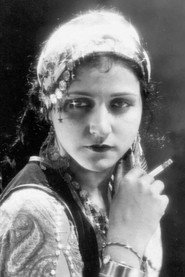 Ruby MyersRani Joda Bai
- S.L. PuriRaja Man Singh
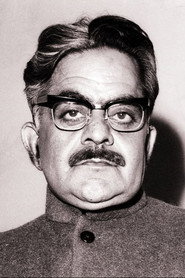 Manmohan KrishnaParvez
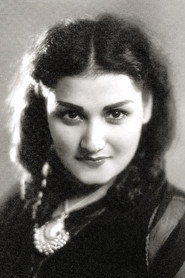
- MubarakShahenshah Jalaudin Akbar
Directing
- Nandlal JaswantlalDirector
Writing
- Ramesh SaigalScreenplay
- Nasir HussainStory
Production
- Mahendra ShahProduction Manager
Recommended by
Mere Huzoor, Baazi, Kismet, Shalimar, Parineeta, Ek-Hi-Rasta, Yahudi