
Film
Pakeezah
Pakeezah is a lavish 1972 Bollywood melodrama about a courtesan seeking redemption through love, set against opulent palaces and staged with operatic intensity. Meena Kumari's performance is luminous—vulnerable and defiant in turn. It's a film that swells with feeling, where every gesture matters and the production design is almost a character itself. For those who love cinema as spectacle and emotion intertwined.
Should you watch it?
Watch it if you want a lavish, slow-burning melodrama where the songs and the costumes do the storytelling, and you're happy to let a romance unfold at the pace of a courtesan's ceremony.
Skip it if you tire of theatrical acting and scenes that linger in longing for over two and a half hours, because this film rarely hurries anywhere.
What it asks of you: Long, unhurried and ornate, it settles into a stately rhythm, swinging between tender and operatic, and wants your full attention for its whole two and a half hours.
Not sure? Find tonight's pick in a minute.
If you liked this
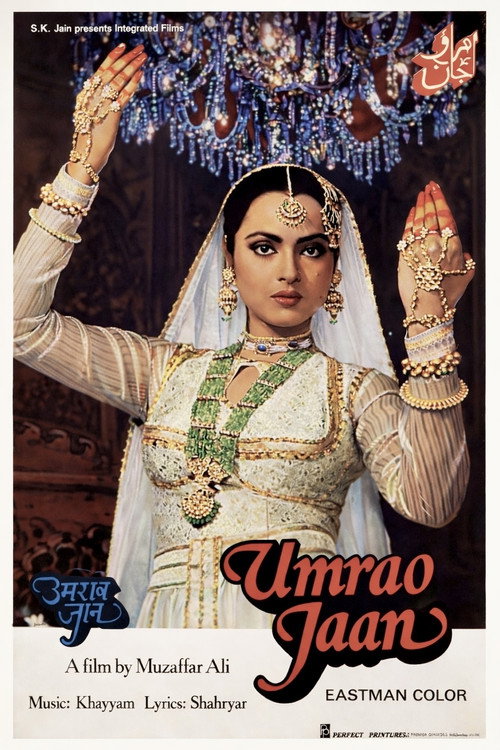
Umrao Jaan1981
Another Rekha masterpiece set in the courtesan world, with the same tragic grandeur and historical texture. The songs are unforgettable, and it asks similar questions about identity, dignity, and the cost of beauty in a system that exploits it.
But It covers similar emotional ground and can feel repetitive if watched back-to-back with Pakeezah. The pacing is deliberate—it's not a film that rushes.
Devdas2002
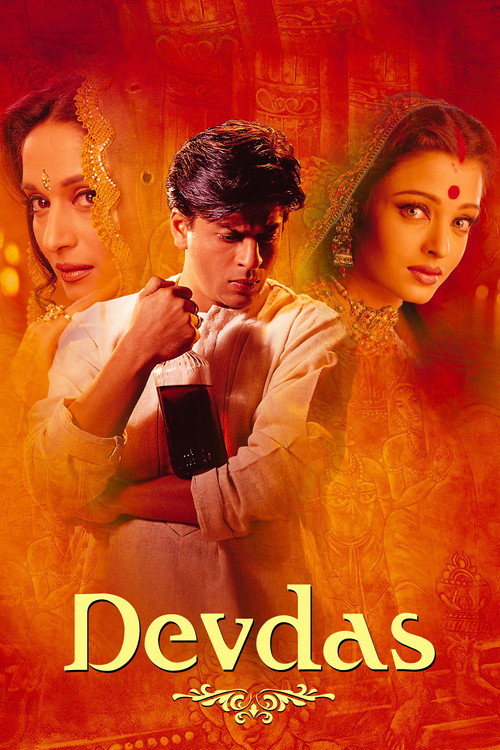
Sanjay Leela Bhansali's version shares Pakeezah's visual opulence and focus on doomed romance across class divides. Aishwarya Rai and Madhuri Dixit are mesmerizing, and the production is breathtakingly staged. A direct spiritual heir to the style.
But It's very long, and the tragedy is unrelenting. Some find Bhansali's aesthetic self-indulgent. The melodrama is turned up to eleven.
Mughal-e-Azam1960
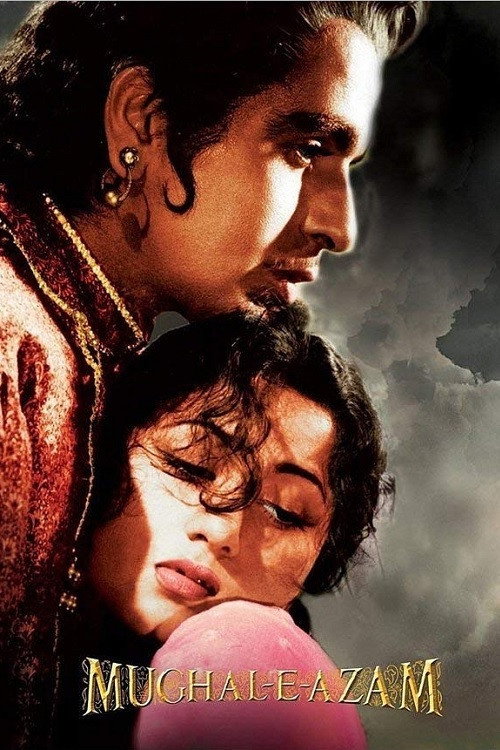
A predecessor that established the template: sweeping historical romance, impossible love across caste and class, sumptuous sets, Kathak dance sequences, and music that becomes part of the storytelling. Essential context for understanding Pakeezah's lineage.
But It's in black and white and over three hours long. The colonial-era production values show their age. You need patience for classical Bollywood pacing.
Not sure tonight? Get a pick in a minute, starting from Pakeezah
The wildcard
Something you would not have found on your own.
Pather Panchali1955
Both are Premchand adaptations (Apu) or work in that lineage of Indian cinema that treats human dignity with absolute seriousness, finding the sacred in ordinary and marginal lives.
Satyajit Ray's Pather Panchali, Aparajito, and The World of Apu are the opposite of Pakeezah in every register—black and white, neorealist, sparse—yet both filmmakers share an almost unbearable tenderness toward their protagonists and a belief that cinema should break your heart. Ray finds tragedy in poverty; Kapoor finds it in beauty. Both are profound.
But Ray's films move slowly and demand sustained attention. They're in Bengali. The emotional devastation is real, not theatrical. You must surrender to them or they won't work.

More like this (6)
Chandni1989
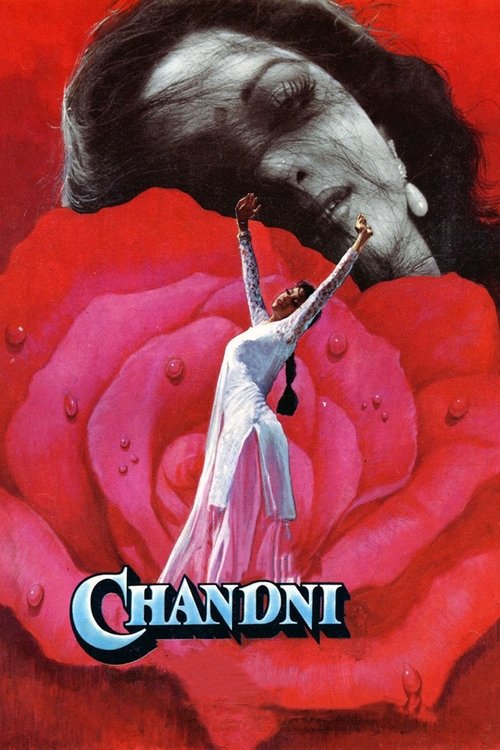
Though lighter in tone, it captures some of Pakeezah's visual romanticism and its interest in how women navigate love and choice. Sridevi's performance has similar grace and complexity. The production design is stunning without being heavy-handed.
But The ending is far more conventional and optimistic. If you're drawn to Pakeezah's tragic dimension, this may feel too bright.
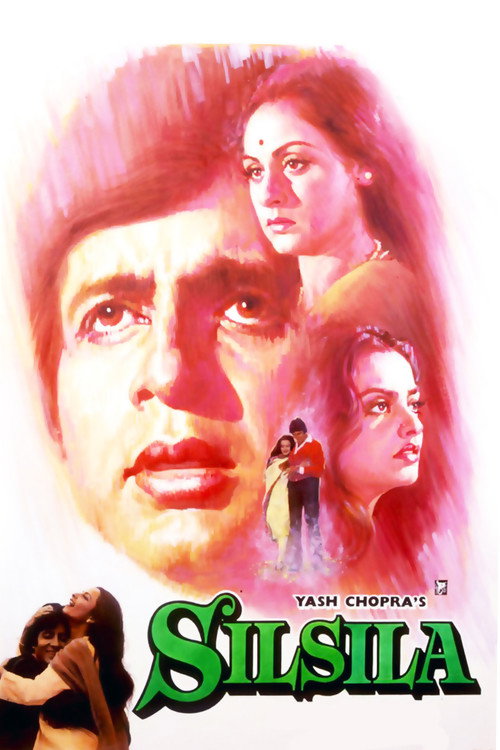
Silsila1981
Yash Chopra explores infidelity, marriage, and impossible love with the same melodramatic sincerity as Pakeezah. Amitabh Bachchan and Rekha's chemistry crackles, and it's gorgeously shot. The moral questions are genuinely complicated.
But It's dated in some ways, and the gender politics won't satisfy modern viewers. The film sometimes seems to blame women for male choices.
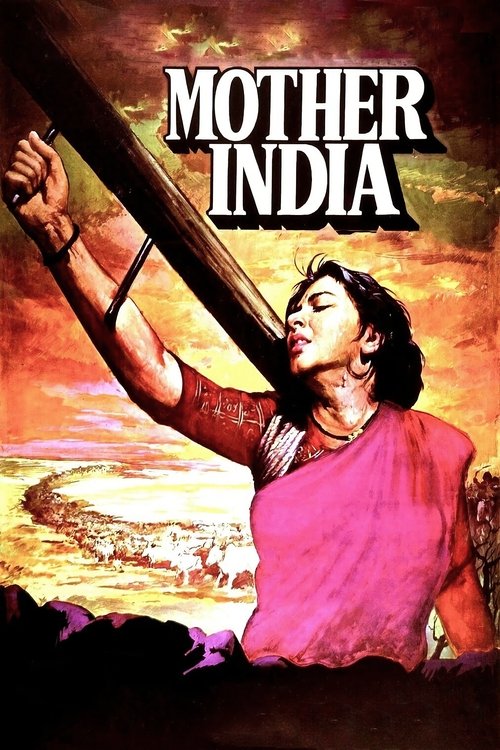
Mother India1957
Meena Kumari herself, before Pakeezah, in a role that showcases her range. It's emotionally devastating in a different register—social realism rather than poetic melodrama. Essential for understanding her as a performer.
But It's in black and white. The story focuses on maternal self-sacrifice rather than romance or courtesanship, so the thematic connection is looser than the others here.
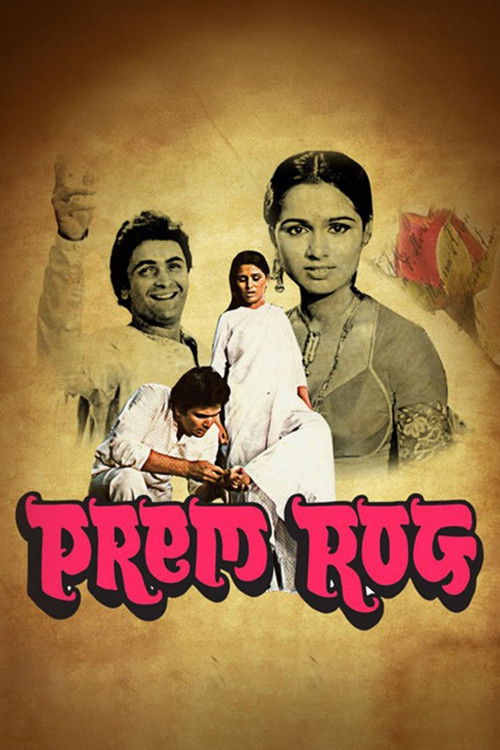
Prem Rog1982
Yash Chopra again, exploring how society destroys love between a widow and a man from a higher caste. It has Pakeezah's sense of doomed romance and visual beauty, with Rishi Kapoor and Padmini Kolhapure giving poignant performances.
But The film feels occasionally overwrought even by melodrama standards. Some plot turns strain credibility. It's very much a product of its specific moment in Indian cinema.
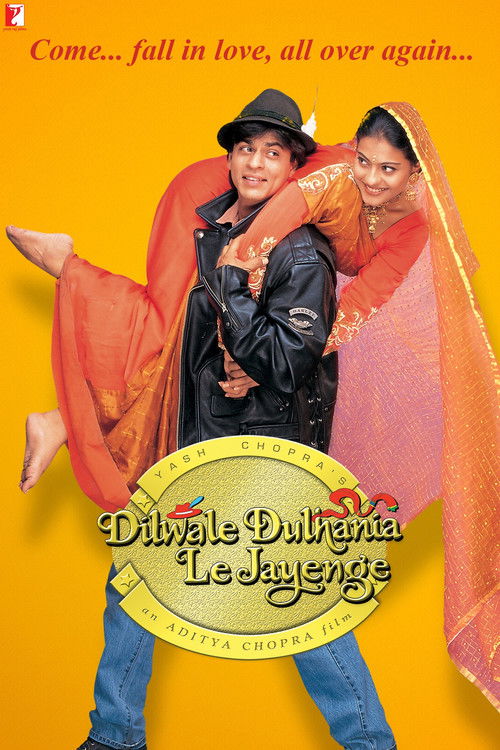
Dilwale Dulhania Le Jayenge1995
Both films are Bollywood love stories that prioritize performance, music, and visual spectacle over realism; both believe romance is the highest thing cinema can explore. One says love is destroyed by society. The other says it conquers it. Watch them as a pair.
The opposite trajectory: a film about young lovers who get to choose each other, get family blessing, and walk into the sunset together. If Pakeezah broke your heart, this one—with its glorious romanticism and unironic belief in love—might be exactly what you need. Bollywood at its most joyful.
But It's almost aggressively optimistic and conventional. If you're drawn to Pakeezah for its tragedy, this cheerfulness may feel glib or even insulting. It's also very long.
In the Mood for Love2000
Both films argue that cinema's greatest power is showing longing rather than satisfaction, beauty rather than happiness, and that the visual composition of a frame can express feelings words cannot.
Wong Kar-wai's Hong Kong melodrama has none of Pakeezah's plot, but it has everything of its spirit: the visual rapture, the restraint in expressing feeling, the awareness that desire and beauty are intertwined with loss and the impossibility of consummation. Maggie Cheung and Tony Leung barely touch, but the film is electric. It's slow cinema about love, not action.
But It's deliberately paced and minimal in dialogue. The meaning is in the cinematography and mise-en-scène. Some will find it glacial. There's no story arc in the conventional sense.

People
Cast
 Meena KumariNargis / Sahibjaan
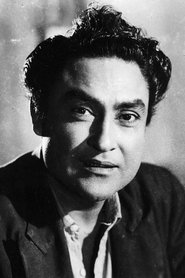 Ashok KumarShahabuddin
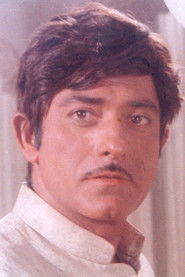 Raaj KumarSalim Ahmed Khan
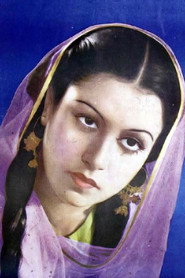 VeenaNawabjaan
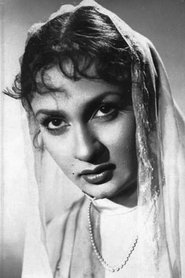 NadiraMadame Gauhar Jaan
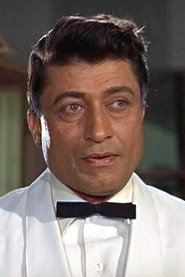 Kamal KapoorNawab Zafar Ali Khan
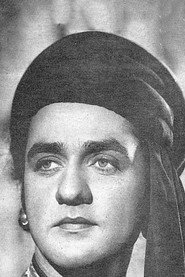 D.K. SapruHakim Saab
Recommended by
Mera Naam Joker, Parineeta, Umrao Jaan, Arth, Lamhe, Mughal-e-Azam, Silsila, Faasle, Sahib Bibi Aur Ghulam, Devdas, Waqt, Gunga Jumna, Aina, Sangam, Columbus, Ek Duuje Ke Liye, Naya Daur, Shree 420, Mere Huzoor, Dil Ek Mandir, Bandhan, Arzoo, Abhimaan, Chitralekha, Anarkali, Aradhana, Vasantasena, Mr. & Mrs. '55, Izzat, Mahaan, Dost, Mera Gaon Mera Desh, Alaap, Madhumati, Andaz, Dastak, Teri Kasam, Sheesh Mahal, Phool Aur Patthar, Qurbani, Julie, Neel Kamal, Mera Saaya, Utsav, Barsaat, Anuradha, Barsaat Ki Raat, Sadma, Manzil, Umrao Jaan, Khandan, Seven Steps, Shalimar, Hum Kisise Kum Naheen, Untouchable Girl, Aa Gale Lag Jaa, Moondram Pirai, Baiju Bawra, Taj Mahal, Laila-Majnu, Saraswatichandra, Devata, Geet Gaata Chal, Parineeta, Kalpana, Shor, Aag, Daag, Mili, Love Story, Babul, Satyam Shivam Sundaram, Adalat, Mahal, Mirza Ghalib, Neel Kamal, Ratan, Mausam, Bandini, Khamoshi