Film
Izzat
Other titles called Izzat: the 1937 film.
A 1968 Hindi melodrama about class, caste and family honour. Dharmendra plays dual roles in this tale of legitimacy and belonging, where a man returns to confront the father who abandoned his mother. It's operatic in its emotional stakes, filmed with the lush production values of Bollywood's golden age. For viewers drawn to classic Indian cinema's moral intensity.
If you liked this
Deewaar1975
Yash Chopra's masterpiece about class conflict and a son's rage toward his father. Shares Izzat's DNA—illegitimacy, honour, a man defined by what he's denied—but amplifies it into something mythic and operatic.
But The father-son dynamic is relentlessly grim. Some will find the melodrama overwrought; others will find it honest about working-class humiliation.

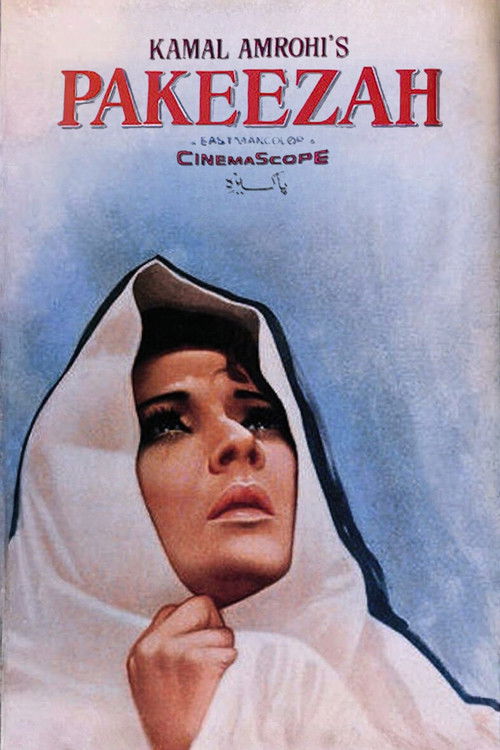
Pakeezah1972
A courtesan's daughter navigates class prejudice in this visually sumptuous film. Like Izzat, it's about inherited shame and the possibility of transcendence through love. Kamal Amrohi's mise-en-scène is hypnotic.
But The pacing is deliberate to the point of slowness. If you're impatient with atmospheric cinema, it will test you.
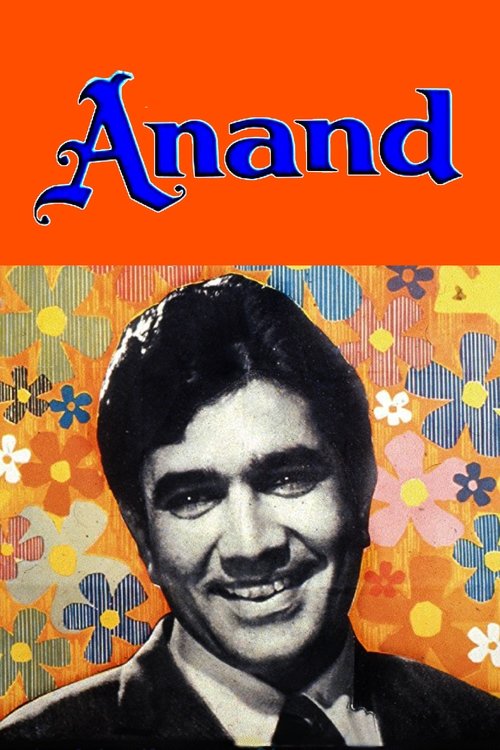
Anand1971
Rajesh Khanna and Amitabh Bachchan in a story about friendship, mortality and what constitutes a good life. While lighter than Izzat, it shares the same seriousness about human worth and social sympathy.
But The sentimentality is heavy-handed for some tastes. It can feel manipulative if you're resistant to its emotional grammar.
Not sure tonight? Get a pick in a minute, starting from Izzat
The wildcard
Something you would not have found on your own.
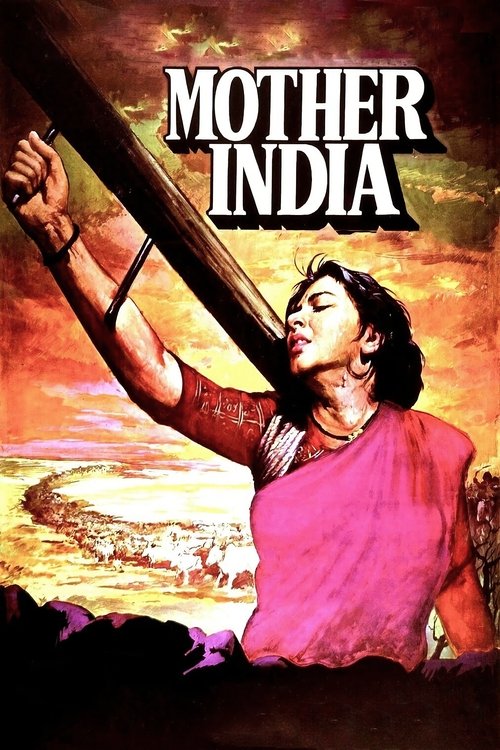
Mother India1957
Both are foundational Indian melodramas about social hierarchy and the assertion of dignity against class prejudice. Mother India is the language Izzat is speaking.
Mehboob Khan's epic about a woman's sacrifice and moral authority. It precedes Izzat and establishes the visual and emotional language both films share—the idea that suffering confers dignity, that endurance is redemptive. Essential viewing for understanding the Bollywood tradition Izzat works within.
But It's long, statically filmed in parts, and the gender politics, while progressive for its era, now feel dated. The melodrama can read as oppressive rather than cathartic.
More like this (7)
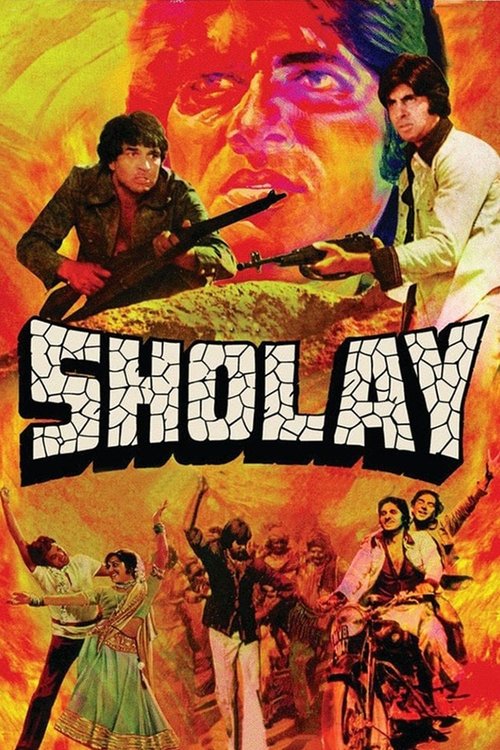
Sholay1975
Ramesh Sippy's action epic about redemption and masculine identity. Both films use spectacle as a vehicle for questions about social standing and the possibility of honour for those society has dismissed.
But It's a Western pastiche, and the action sequences overshadow character work in ways Izzat does not attempt. The register is far more playful.
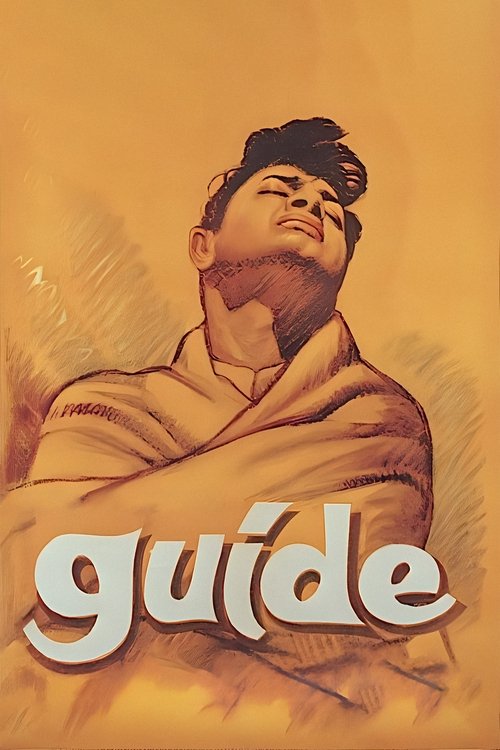
Guide1965
Vijay Anand's restless film about a man caught between social worlds. Like Izzat, it explores the gap between what society permits and what the heart demands, with a similar visual sophistication.
But The middle section drags. The romance feels secondary to the protagonist's psychological unravelling, which some will find disjointed.
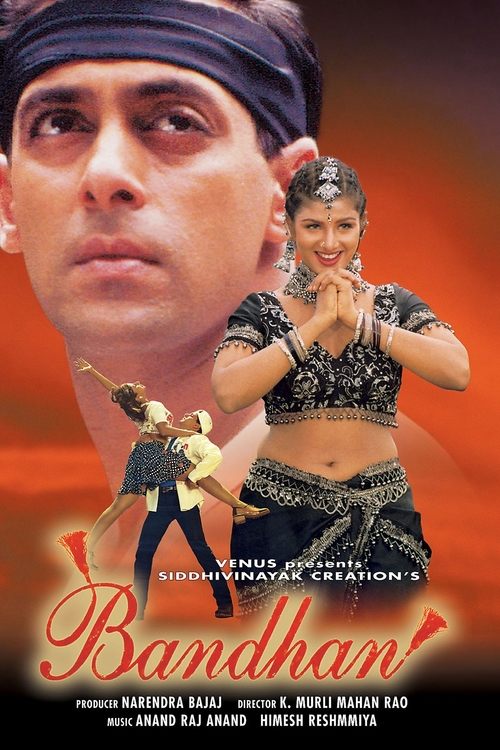
Bandhan1998
A contemporary reckoning with family obligation and inherited trauma. Uses melodrama as honestly as Izzat does, examining how class and caste shape what we owe each other.
But It's uneven in tone. The film sometimes lurches between styles, and the modern setting makes the melodrama feel inconsistent.
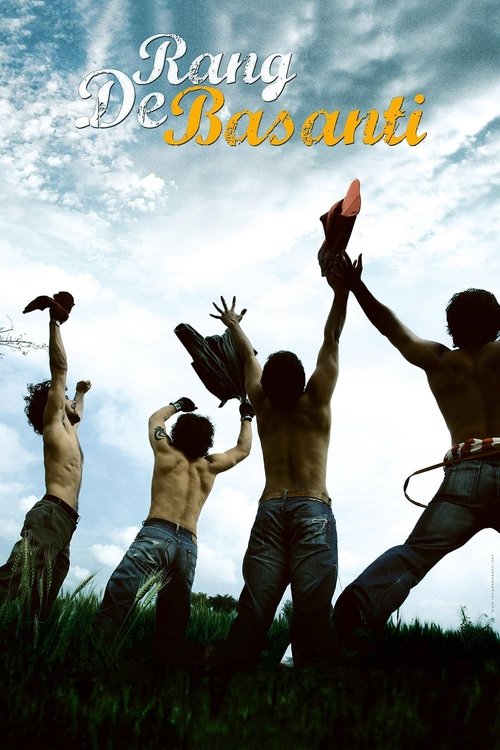
Rang De Basanti2006
Aamir Khan in a film about youth, conscience and what it means to act against injustice. It shares Izzat's seriousness about dignity and the possibility of change through individual will.
But The politics are sometimes naive. The tonal shift into thriller territory alienates viewers who prefer the character work.
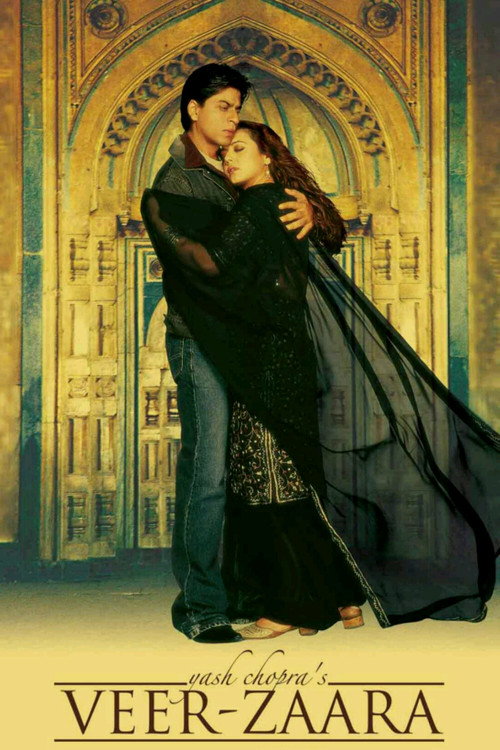
Veer-Zaara2004
A romance that uses spectacle and music to explore belonging and national identity. The dual-role casting echoes Izzat's interest in split selves and the question of who deserves love.
But It's sentimentalist in ways that feel excessive. The political allegory can overwhelm the human story.
The Godfather Part II1974
Both use parallel narratives and dual roles to explore how fathers shape sons, and whether a man can escape the sins of his father.
Coppola's parallel structure—intercutting a father's rise with a son's moral reckoning—mirrors Izzat's central tension: legitimacy, inherited shame, the attempt to transcend one's origins. It's melodrama operating at a different scale, but the engine is identical.
But It's American crime saga, not Indian family drama. If you want the register to stay consistent, the leap will feel jarring. Also nearly four hours.

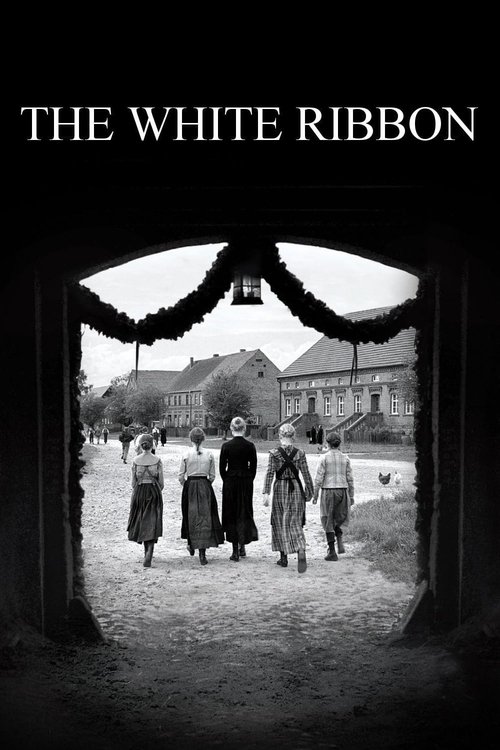
The White Ribbon2009
Both examine how class and legitimacy poison families and communities. Where Izzat seeks redemption, The White Ribbon insists it may be impossible—a darker answer to the same question.
Michael Haneke's black-and-white German film about suspicion, class resentment and the moral corruption of inherited hierarchy. It shares Izzat's interest in how social inequality festers and poisons relationships. Formally, it's the opposite—austere, minimalist—but thematically it's kin.
But It's deliberately withholding and cold. There's no catharsis, no redemption arc. If you're watching Izzat for emotional resolution, this will frustrate you deliberately.