
Film
Deewaar
Deewaar is a 1975 Hindi crime drama about two brothers divided by fate: one becomes a police officer, the other a criminal. It's a sweeping, operatic meditation on loyalty, class resentment, and maternal love, shot through with Amitabh Bachchan's electrifying screen presence. Essential viewing for anyone curious about Hindi cinema's golden age.
Should you watch it?
Watch it if you love brothers-in-conflict melodrama where every scene is built on loyalty, class anger and a mother's silent weight, and you don't mind a story that lets its emotions run full and unashamed.
Skip it if you want lean, modern pacing; at nearly three hours with big song sequences and theatrical acting, it moves at its own stately, old-Bombay-cinema speed and may test your patience.
What it asks of you: It asks for a long evening and a willingness to sit with big, operatic feeling, moving between tense street-level confrontations and quieter domestic scenes at a deliberate pace.
Not sure? Find tonight's pick in a minute.
If you liked this
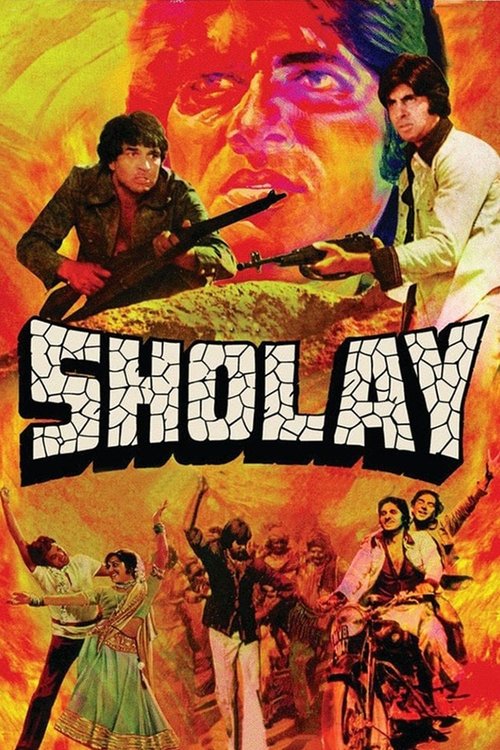
Sholay1975
Released the same year, this is the film that defined the Bollywood action genre. If you loved Deewaar's moral complexity and mass appeal, Sholay's buddy-cop energy and stunning scope will feel like a natural next step in Hindi cinema.
But Nearly three hours long, and the pace meanders in places. The romance subplot feels obligatory by modern standards.
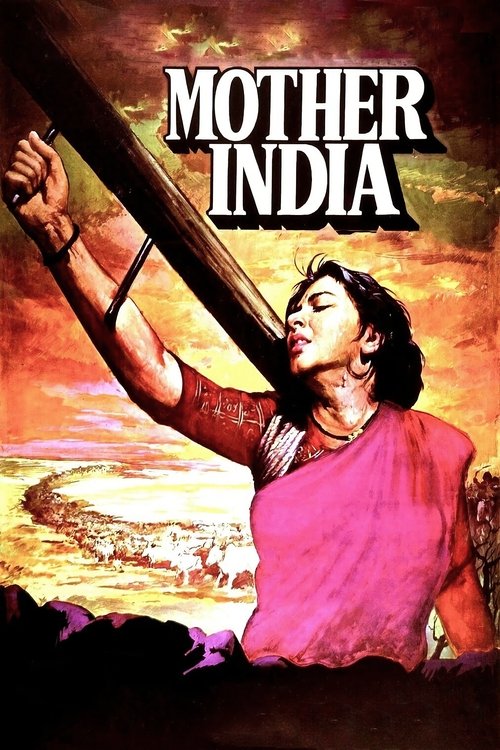
Mother India1957
The spiritual predecessor to Deewaar. This film established the archetype of the suffering mother whose love transcends all hardship—the emotional core that Deewaar carries forward with devastating effect.
But It's older and moves slower. The melodrama is turned up to eleven, which can feel overwrought if you're not in the mood for it.
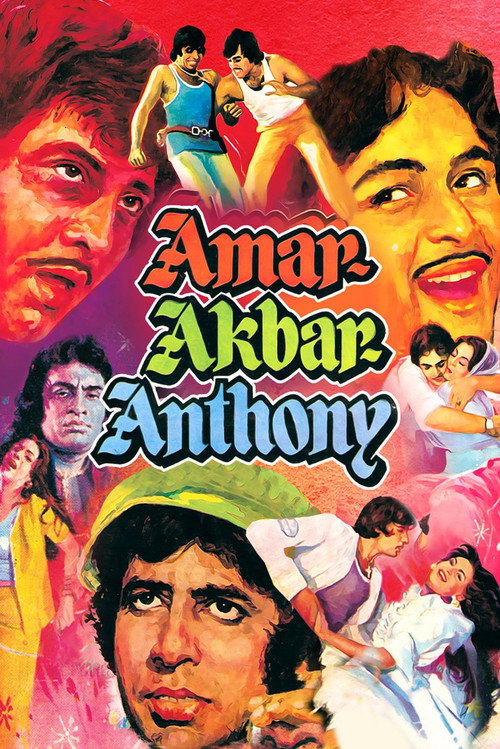
Amar Akbar Anthony1977
Another Amitabh Bachchan masterpiece with similar themes of divided brothers and class struggle, but filtered through comedy and exuberant action. It shows the range of the Amitabh era in Hindi cinema.
But The tone is lighter and more fantastical. If you want the moral weight of Deewaar, this might feel like a step down.
Not sure tonight? Get a pick in a minute, starting from Deewaar
The wildcard
Something you would not have found on your own.
Crime and Punishment2002
Both films pit moral law against human law, asking whether a man committing crime to survive can ever be guilty or merely tragic. Both reject easy answers.
This Russian adaptation of Dostoevsky's novel explores the same psychological and moral territory as Deewaar—a man driven to crime by poverty and circumstance, undone by guilt and conscience. It's unrelentingly interior where Deewaar is operatic, showing how the same story can live in different registers.
But It's bleak and introspective to the point of claustrophobia. There are no songs, no action, no catharsis—just a man slowly suffocating under the weight of his own transgression.

More like this (6)
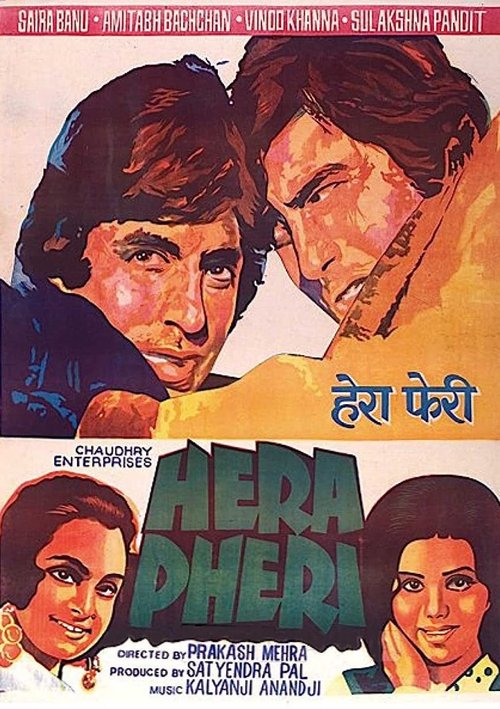
Hera Pheri1976
A gripping heist film starring Vinod Khanna and Shashi Kapoor (Deewaar's hero), exploring crime and morality with style. It captures the same mid-70s masala energy and ethical ambiguity.
But Less emotionally resonant than Deewaar. The plot mechanics matter more than the characters' inner lives.
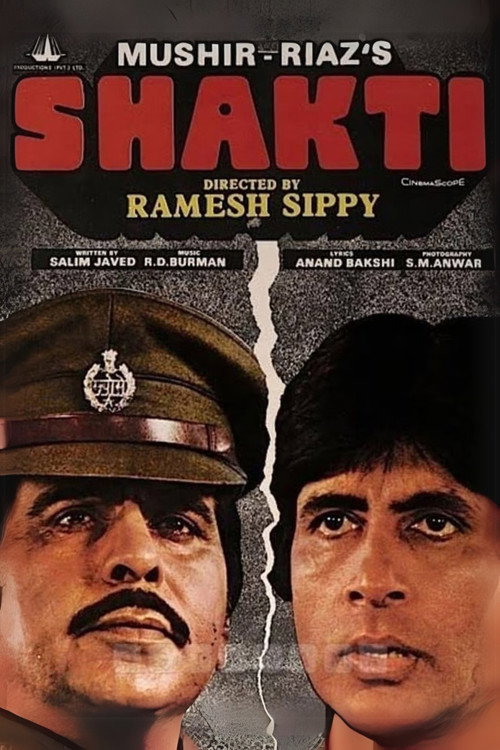
Shakti1982
Another father-son conflict film (Dilip Kumar and Amitabh), this time between a police commissioner and his son who becomes a dacoit. It's a spiritual successor to Deewaar with even higher emotional stakes.
But It leans into melodrama even harder. The runtime is bloated, and some scenes drag badly.
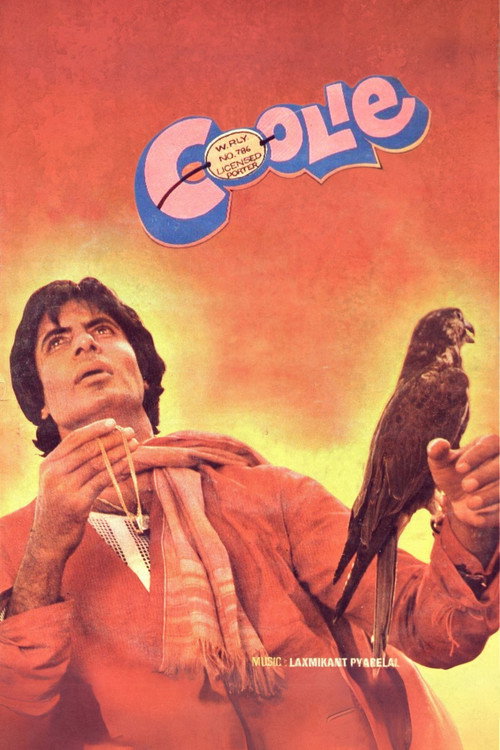
Coolie1983
Late-era Amitabh playing a working-class hero crushed by circumstance and systemic corruption. It has Deewaar's themes of class rage and moral compromise, delivered with maximum spectacle.
But It's a bit of a mess structurally. The film tries to be many things at once and doesn't always succeed.
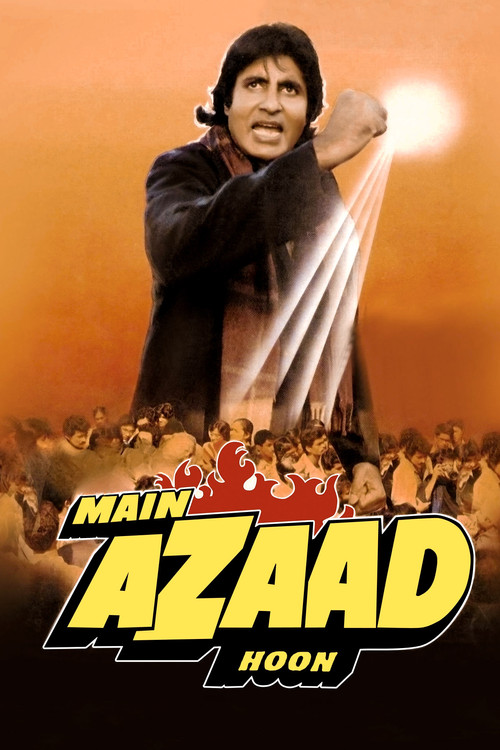
Main Azaad Hoon1989
Rajesh Khanna in a surprisingly dark role as a man torn between duty and resentment. It's a smaller, more intimate take on the divided-loyalty theme that Deewaar does so powerfully.
But The film is uneven. It doesn't have the craftsmanship or the star power to fully justify its ambitions.
City of God2002
Both examine how poverty manufactures criminals and how brotherhood becomes another casualty of class. Both reject the idea that morality is a luxury anyone can afford.
A Brazilian favela crime epic about boys and men shaped by poverty into violence, cut through with the energy and style of a thriller. It's Deewaar's moral question—innocence corrupted by circumstance—transported to Rio and accelerated.
But It's brutal and fast-paced to the point of numbness. The violence is graphic, and the film offers no shelter from its own nihilism.

The Night of the Hunter1955
Both films center on a man whose charm and conviction almost convince you he might be right, before the human cost becomes undeniable. Both understand that seduction and corruption are the same art.
Charles Laughton's only film is a hallucinatory thriller about a con man hunting children for hidden money, shot in nightmarish chiaroscuro. It shares Deewaar's obsession with the gap between appearance and reality, and the terrible power of a charismatic man to destroy families.
But It's a horror film in disguise, and an unsettling one. The mood is dread rather than drama, and it doesn't resolve the way you'll want it to.

People
Cast
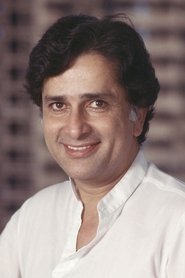 Shashi KapoorSub-Inspector Ravi Verma
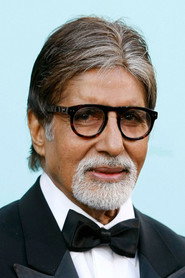 Amitabh BachchanVijay Verma
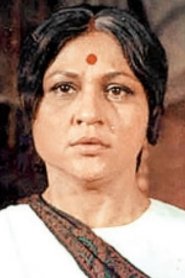 Nirupa RoySumitra Devi
 Parveen BabiAnita
 Neetu SinghLeena Narang
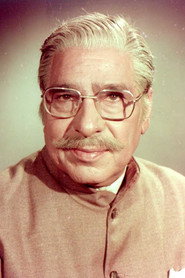 Madan PuriSamant
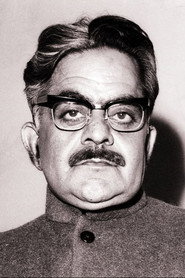 Manmohan KrishnaDCP. Narang
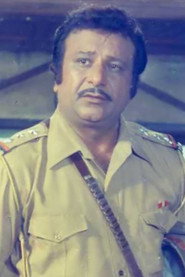 Jagdish RajJaggi
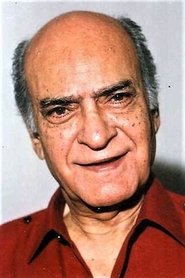 A.K. HangalChander's Father
 Aruna IraniDancer in song (uncredited)
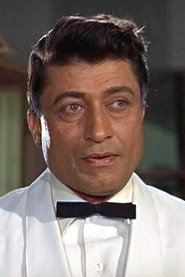 Kamal KapoorAnand Verma's Employer
Directing
- Anand BhallaAssistant Director
- Deepak SareenAssistant Director
- Dilip NaikAssistant Director
- Ramesh TalwarAssistant Director
- Yash ChopraDirector
Writing
- Javed AkhtarWriter
- Salim KhanWriter
Production
- Gulshan RaiProducer
- V.P. SathePublicist
Recommended by
Nayakan, Sholay, Zanjeer, Amar Akbar Anthony, Vidhaata, Silsila, Hera Pheri, Besharam, Naam, Naseeb, Adalat, Khoon Pasina, Charas, Waqt, Kaala Patthar, Shakti, Coolie, Shaan, Shahenshah, Khoon Ka Rishta, Majboor, Muqaddar Ka Sikandar, Kalicharan, Do Raaste, Mere Apne, Agneepath, Izzat, Yaarana, Fakira, Mahaan, Mera Gaon Mera Desh, Dostana, The Great Gambler, Dharmatma, Nastik, Roti Kapada Aur Makaan, Kaalia, Qurbani, Suraj, Manzil, Hum Kisise Kum Naheen, Ram Balram, Khilari, Khel Khel Mein, Ajanabee, Dus Numbri, Gehri Chaal, Shor, Black Mail, Inkaar