
Film
Mother India
A masterpiece of Indian cinema about a woman raising her sons alone in rural poverty, bending under impossible circumstances but never breaking her principles. Shot with operatic scope and melodramatic conviction, it's a film about dignity as defiance. Essential viewing for anyone serious about cinema history.
Should you watch it?
Watch it if you love melodrama played with full conviction, where a single mother's stubborn principles carry the weight of an entire village and the big set pieces land with real emotional force.
Skip it if you want restraint or a brisk pace; at nearly three hours with heightened performances and sweeping sentiment, its operatic rhythm can feel like a lot to sit through.
What it asks of you: Around three hours of patience, with long stretches of rural hardship and lyrical scene-setting before the climaxes arrive, and a willingness to let its earnest, unashamed emotion wash over you.
Not sure? Find tonight's pick in a minute.
If you liked this
Bicycle Thieves1948
The gold standard of neorealist cinema: a father searching Rome's streets for his stolen bicycle while his son watches him unravel. Quietly devastating, shot on real locations with non-actors. Its influence on global cinema cannot be overstated.
But The pacing is deliberately slow and the ending will gut you. There's no comfort or resolution, just the weight of systemic poverty.

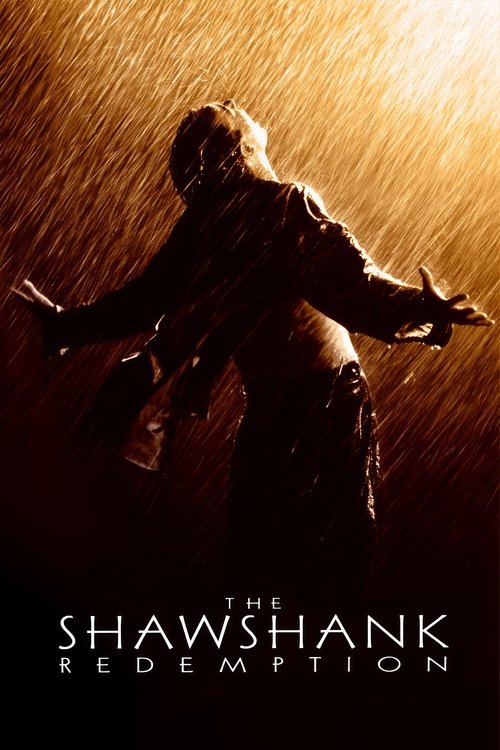
The Shawshank Redemption1994
Two men develop an impossible friendship across decades in prison, one never surrendering his dignity or hope. It's a story about moral endurance against a system designed to crush it. Emotionally powerful without being manipulative.
But It's been so thoroughly canonized that it can feel overfamiliar. If you've absorbed it through culture, the freshness may have worn off.
Pather Panchali1955
Satyajit Ray's tender, devastating look at a poor Bengali family over a year. It moves with the rhythm of real life rather than plot, finding beauty and tragedy in small moments. One of the great films ever made.
But It's deliberately paced and plotless in conventional terms. Some will find it slow; others will discover it's the opposite.

Not sure tonight? Get a pick in a minute, starting from Mother India
The wildcard
Something you would not have found on your own.
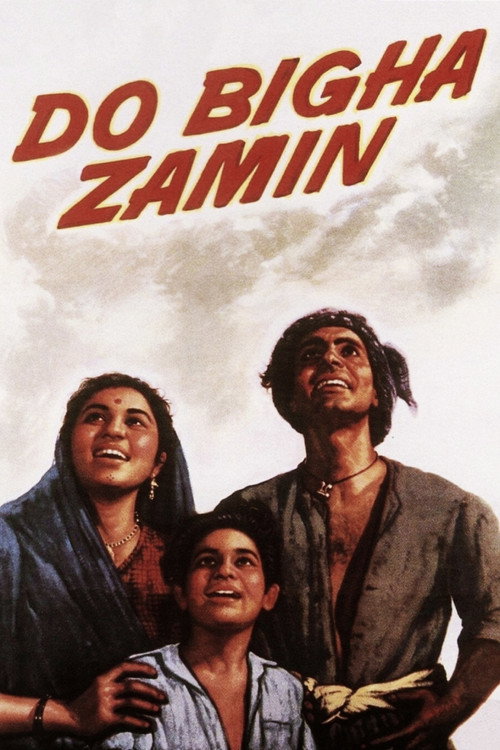
Two Acres of Land1953
Both are Indian films from the 1950s about rural poverty and moral endurance, but this one locates the villain not in circumstance but in exploitation. Where Mother India asks 'how do we survive?', Do Bigha Zamin asks 'who is doing this to us?'
Balraj Sahni as a farmer fighting to save his land from a city-dwelling landlord. It's the mirror image of Mother India's moral universe—here the woman's sacrifice is a man's, and the system is explicitly capitalist rather than fatalistic. Same desperation, different battlefield.
But It's explicitly political in ways that can feel dated, and the print quality is often poor. The didacticism won't work if you're allergic to films with a thesis.
More like this (7)
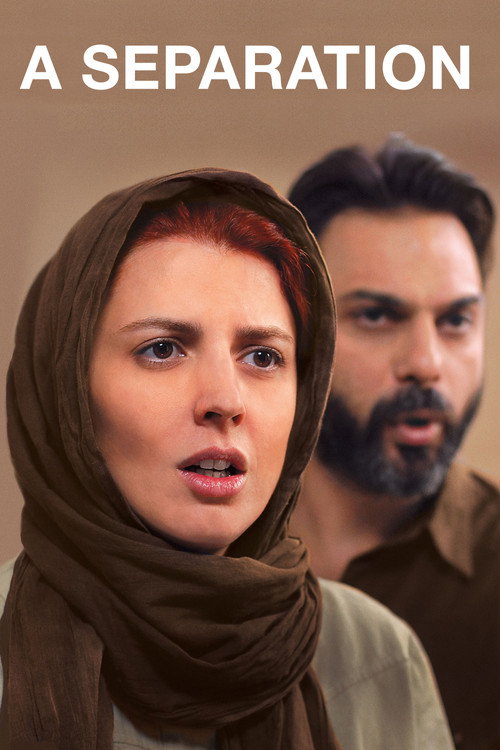
A Separation2011
An Iranian couple divorces, and their moral compromises ripple outward in ways neither intended. It asks piercing questions about what we owe each other when everything becomes negotiable. Brilliantly structured and acted.
But The ethical dilemmas are deliberately unresolved. If you want clear heroes and villains, this film will frustrate you.
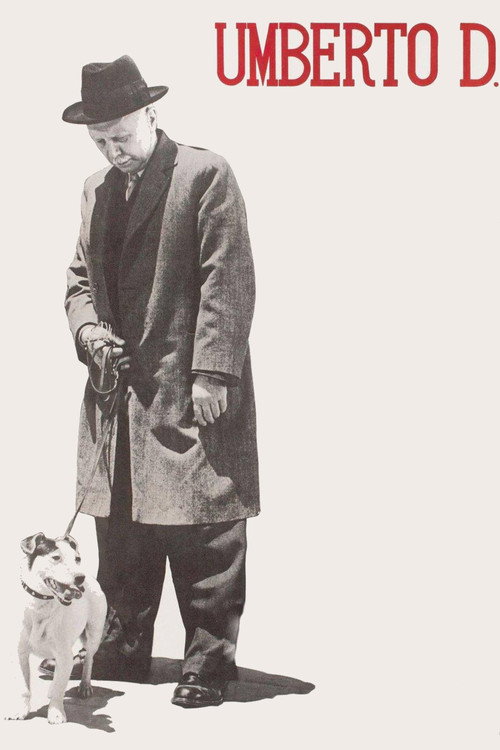
Umberto D.1952
An elderly widower and his dog navigate the indignities of poverty and aging in postwar Rome. Neorealist cinema at its most tender and enraged, finding humanity in the discarded. Utterly without sentimentality.
But It's slow-moving and the protagonist is not likeable. Some will find its deliberate rejection of catharsis exhausting rather than profound.
The River1951
Jean Renoir's film about a French family in India, shot in Technicolor and built from observation of daily life—children, seasons, small dramas against landscape. A masterpiece about otherness and belonging that rewards close watching.
But It's visually beautiful but plot-light, which can feel like an excuse for prettiness if you're watching for narrative momentum. The pacing is meditative.

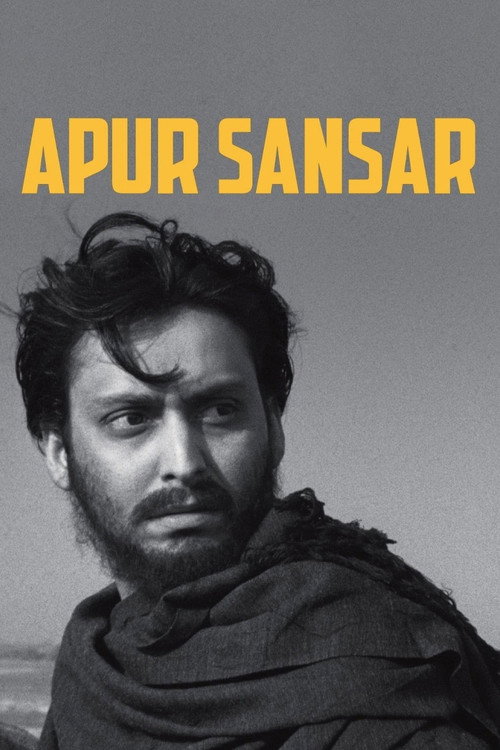
The World of Apu1959
Satyajit Ray's three-film cycle following a boy from rural Bengal through adulthood in Calcutta. Each film is formally adventurous and deeply human. Together they constitute one of cinema's great achievements.
But Three films is a commitment, especially if you're new to Ray. They're slow by design, and that test comes three times over.
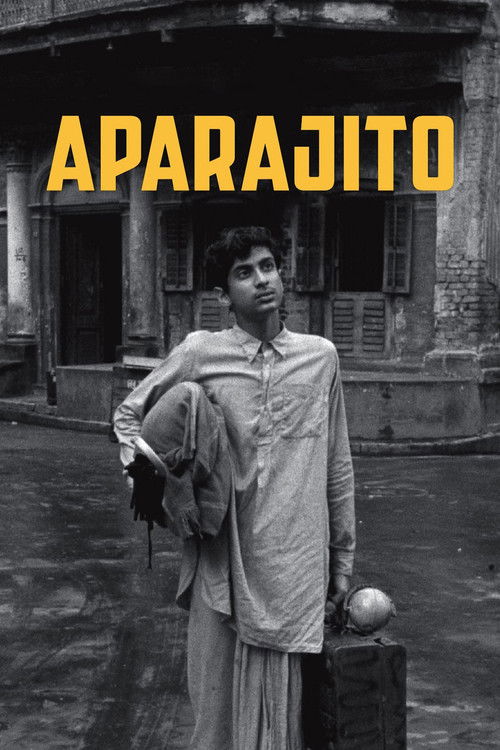
Aparajito1956
Ray's second Apu film, tracking the boy's adolescence and his mother's sacrifice as he pursues education. The emotional core is immense. It captures the dignity and devastation of a parent pushing a child toward a future she won't share.
But If you haven't seen Pather Panchali, starting here means you'll miss the foundation. Watching out of sequence diminishes the accumulated weight.
Stalker1979
Both films operate through melodrama and mythic grandeur to explore sacrifice and moral testing. Both ask what a person is willing to endure—Stalker through abstraction and philosophy, Mother India through raw human drama. Completely different registers, same spiritual core.
Andrei Tarkovsky's science-fiction meditation on desire, faith, and what we're willing to sacrifice for meaning. A guide leads two men through a mysterious zone to a room that grants wishes. It's hypnotic, slow, and operates in the register of metaphysical drama.
But At 163 minutes, it moves at glacial speed with long takes of empty hallways and desolate landscapes. If you need plot momentum or conventional sci-fi spectacle, this will feel like punishment.

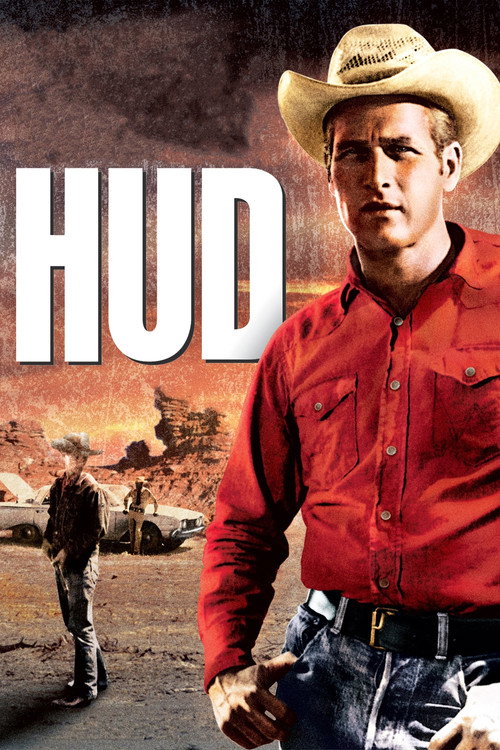
Hud1963
Both films use rural landscapes and family drama to examine the cost of modern systems—Mother India's ancient fatalism versus Hud's contemporary amorality. Both feature matriarchs or patriarchs watching their moral code become obsolete. One ends in heroic endurance, the other in quiet defeat. They're moral inversions.
Paul Newman as a Texas rancher, amoral and charming, destroying everything his father built with quiet cruelty. It's a film about the end of one moral order and the ascendance of another—capitalism without conscience. A Western in form, a tragedy in fact.
But It's nihilistic and bleak in ways that offer no redemption. The 'good' characters lose, and the film doesn't comfort you about it. It's in black and white, and deliberately ugly.
People
Cast
 NargisRadha
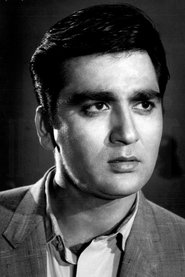 Sunil DuttBirju
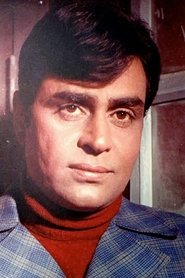 Rajendra KumarRamu
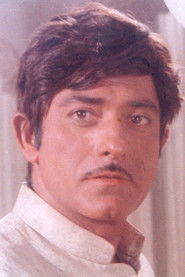 Raaj KumarShamu
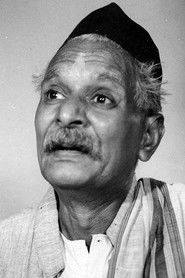 Kanhaiyalal ChaturvediSukhilala
 KumkumChampa Chanchal
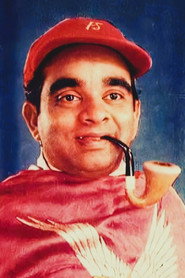 MukriShambu
- Sheela NaikKamla Siddiqui
 AzraChandra
 Sajid KhanYoung Birju
- JilloShamu's mother
Directing
- Mehboob KhanDirector
Writing
- S. Ali RazaDialogue
- Wajahat MirzaDialogue
Production
- Mehboob KhanProducer
Recommended by
Pakeezah, Pather Panchali, Deewaar, Aparajito, Swades, Awaara, Waqt, Coolie, Trimurti, Naya Daur, Bandhan, Izzat, Aradhana, Izzat, Kismet, Godaan, Hum, Jai Santoshi Maa, Bazar, Chandidas, Raja, Untouchable Girl, Sohag Raat, Bhowani Junction, Shor, Lajwanti, Babul, Ek-Hi-Rasta, Jhansi Ki Rani, Insaniyat, Patita