
Film
Aradhana
A sweeping Hindi romantic melodrama where a widow's marriage is erased by tragedy, forcing her into a life of hidden sacrifice. Sharmila Tagore carries this 1969 classic with quiet dignity across nearly three hours of class conflict, secret motherhood, and the question of whether love can survive society's refusal to acknowledge it. Essential viewing for anyone serious about Indian cinema.
Should you watch it?
Watch it if you enjoy unapologetic 1960s Hindi melodrama, where big emotional set pieces and unembarrassed sentiment carry the story, and you don't need irony to feel something.
Skip it if the running time runs past two and a half hours and the sentiment rarely eases, so restless viewers or anyone allergic to heightened melodrama will feel every minute.
What it asks of you: Settle in for nearly three hours of slow-building emotion, with long stretches of silence, music and waiting that build to scenes played at full volume.
Not sure? Find tonight's pick in a minute.
If you liked this
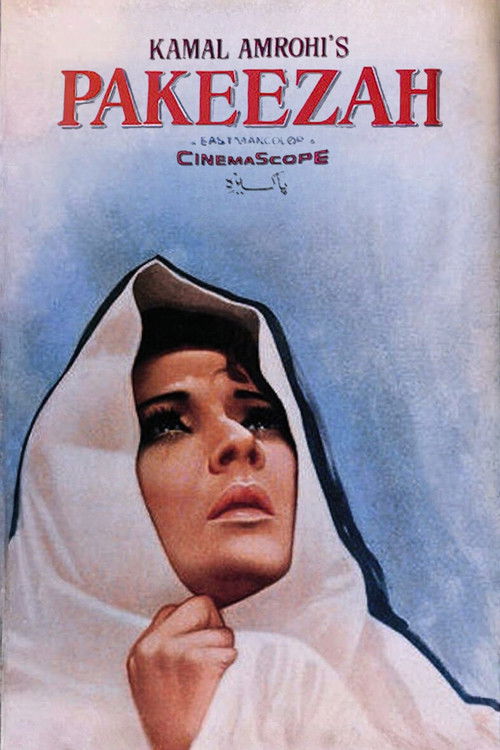
Pakeezah1972
Meena Kumari's career-defining role as a courtesan seeking respectability through love. A visual feast of Mughal-inspired sets and costumes, with music that shaped Hindi cinema itself. The same era, same emotional register, same willingness to let tragedy be genuinely tragic.
But Nearly four hours long, and the pacing is deliberate—it asks patience from viewers raised on faster cuts. Some plot points feel remote to modern sensibilities.
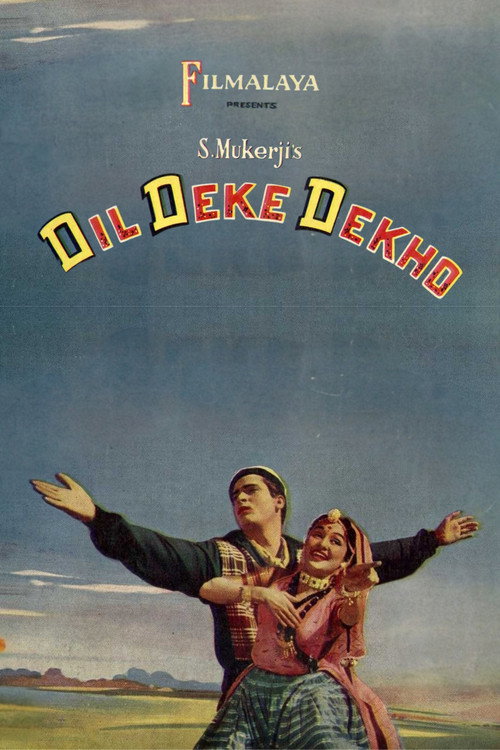
Dil Deke Dekho1959
Raj Kapoor and Mala Sinha in a romance that also explores class and duty, with a lighter touch than Aradhana but the same architectural elegance. Beautifully composed and genuinely moving without melodrama's worst excesses.
But The resolution hinges on choices modern viewers might find frustrating. Some may find it quaint rather than touching.
Jewel Thief1967
Rajesh Khanna before Aradhana proved his range—charming, witty, effortlessly watchable alongside Mumtaz. A stylish heist-romance that shows why he became a superstar, with songs that are genuinely delightful.
But It's a lighter confection; if you're craving the emotional weight Aradhana offers, this won't scratch that itch.

Not sure tonight? Get a pick in a minute, starting from Aradhana
The wildcard
Something you would not have found on your own.
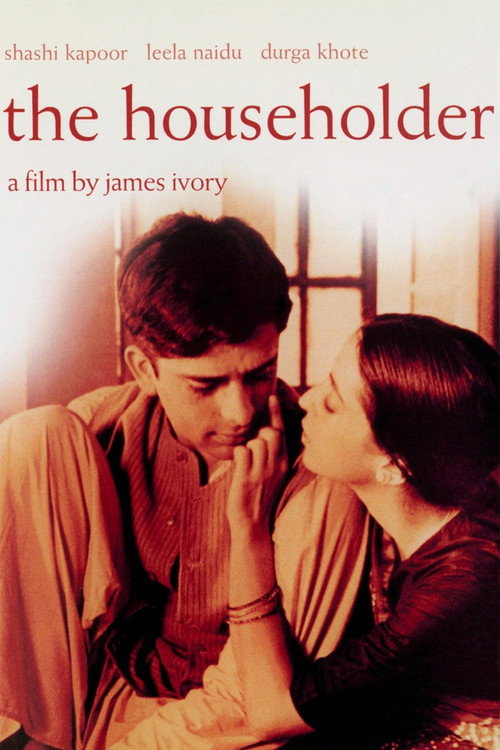
The Householder1963
Both films investigate what a woman becomes when forced to serve a role society assigns her, but where Aradhana is tragic and lush, this is quiet and real.
Merchant-Ivory's first film, shot in Delhi, about a young bride adjusting to marriage and duty in a traditional household. Documentary naturalism instead of melodrama; what Aradhana explores emotionally, this explores with anthropological precision. Shashi Kapoor and Leela Naidu are luminous.
But It's slow and observational—no plot in the Bollywood sense, no songs, no big emotional climaxes. The restraint can feel cold if you're not attuned to it.
More like this (7)
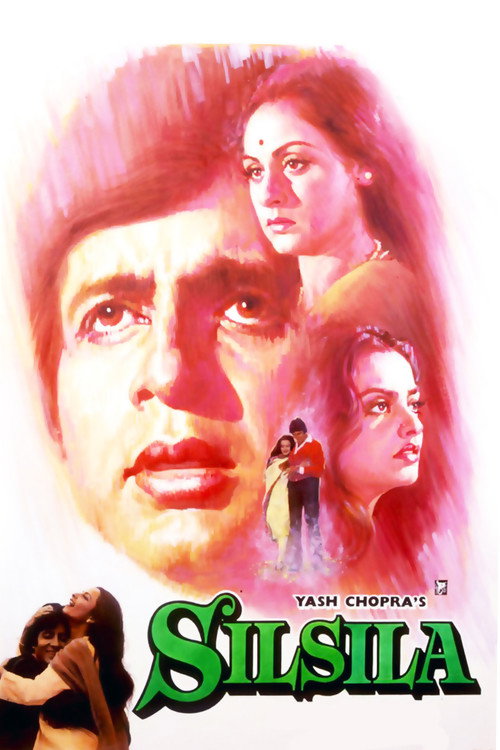
Silsila1981
Amitabh Bachchan and Rekha in a film that dares to make infidelity and moral compromise sympathetic. Gorgeous cinematography, complex emotional terrain, and a willingness to leave things unresolved that feels startlingly modern for Bollywood.
But It's long, and the moral ambiguity might frustrate those wanting clear heroes. Some find Yash Chopra's visual style dated.
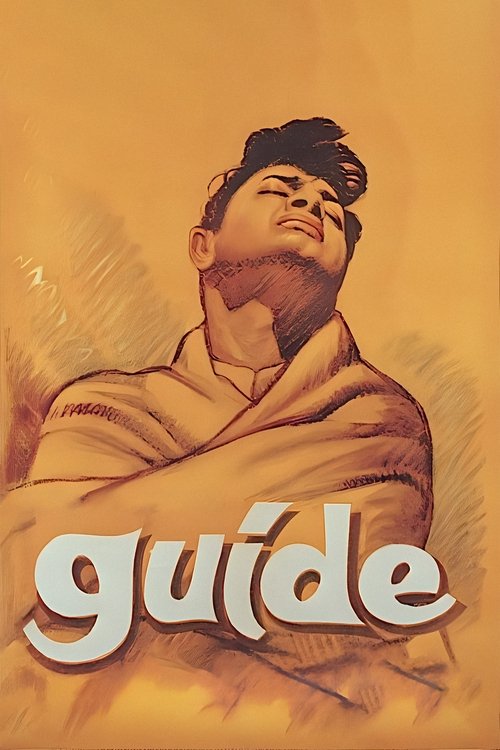
Guide1965
Dev Anand and Waheeda Rehman in an adaptation of R.K. Narayan that explores redemption, performance, and whether the truth matters if the world sees only your public face. Ravishing color cinematography and a script with real intelligence.
But The ending is philosophically bleak and may feel unsatisfying if you want catharsis. The pacing in places is slow.
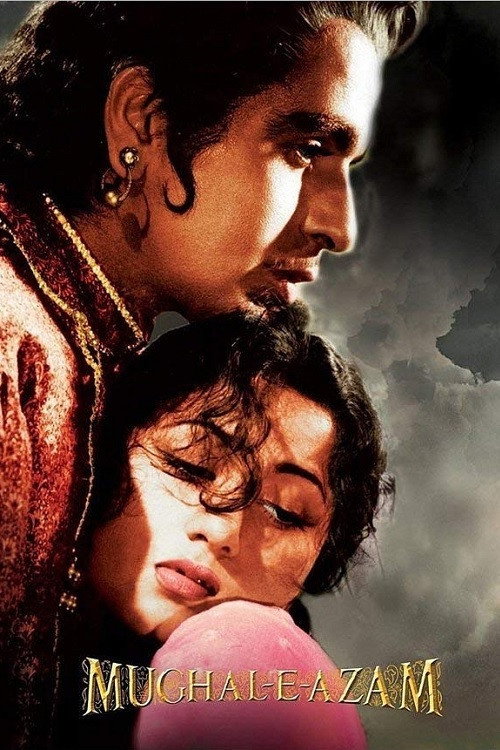
Mughal-e-Azam1960
The film Bollywood itself learned from—Dilip Kumar, Madhubala, and a scope and ambition that makes most cinema look small. The famous song sequence alone is worth the journey, and the love story never gets old.
But It's operatic to a degree that can feel overwrought. At nearly four hours, it's a genuine time commitment.
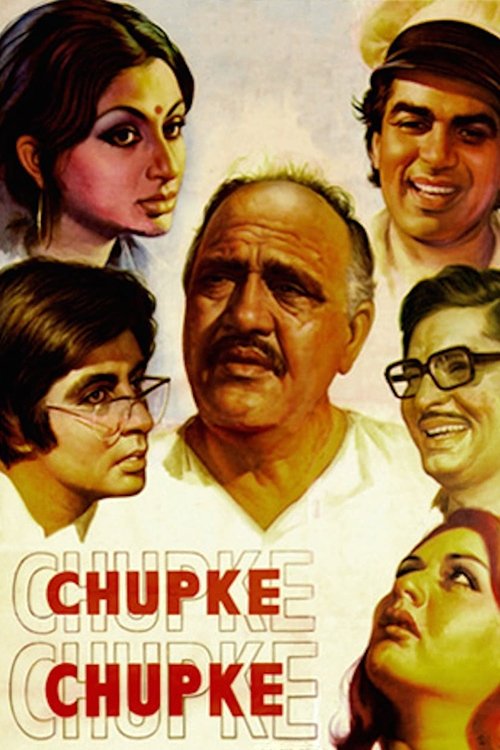
Chupke Chupke1975
Amitabh Bachchan and Jaya Bhaduri in a romantic comedy that's clever enough to reward close attention. Witty, warmly shot, and proof that Bollywood could be playful without being frivolous.
But The humor is verbal and subtle—if you're expecting slapstick or broad comedy, you'll be disappointed.
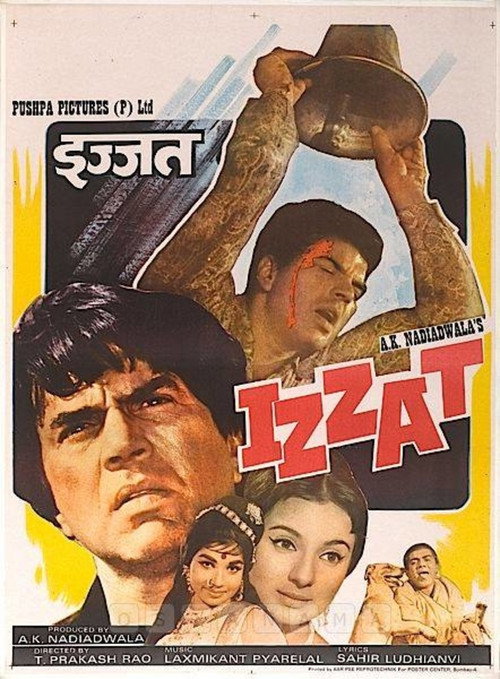
Izzat1968
Rajesh Khanna again, this time opposite Mumtaz, in a story about honor, sacrifice, and whether love is worth your reputation. Melodrama done well, with genuine stakes and a lead performance of surprising depth.
But It's conventional in structure and fairly grim throughout. Not a film that offers much lightness or humor.
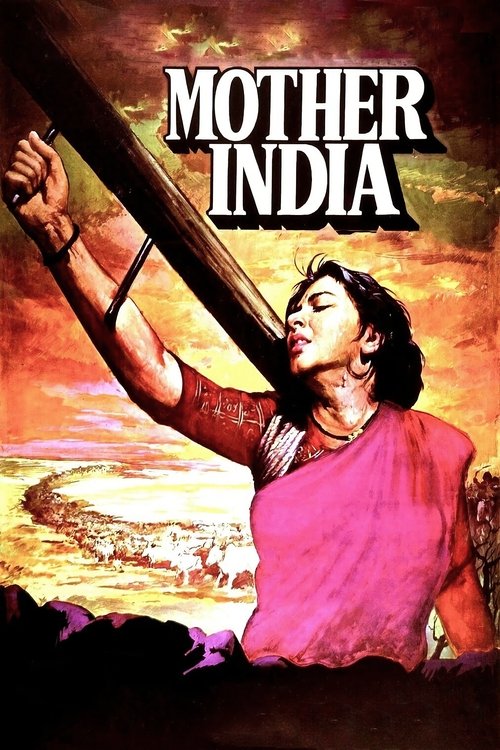
Mother India1957
Both are about women whose love becomes a kind of burden they carry—but this goes much further, asking whether self-annihilation in service of others is noble or just tragedy dressed up.
Nargis in the performance of her lifetime as a woman who endures impossible suffering for her children. A national epic about sacrifice, duty, and whether survival is enough. It defined Indian cinema's moral vocabulary and holds up as pure cinema.
But It's heavy, sometimes heavy-handed, and the treatment of maternal suffering verges on the masochistic. Some find it unbearably bleak.
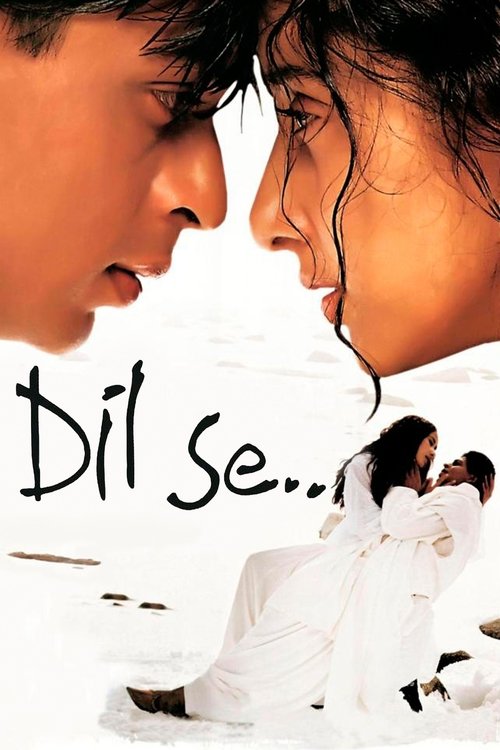
Dil Se..1998
Both explore whether love can survive when the world refuses to legitimize it, but where Aradhana is a tragedy of acceptance, this is a tragedy of refusal—a complete inversion of register and era.
Mani Ratnam's fever dream—Shah Rukh Khan and Preity Zinta in a love story that fractures into violence, politics, and the impossibility of innocence. Technically stunning, emotionally unmoored, with songs that are architectural masterpieces. Nothing like it exists.
But It's deliberately unstable; the narrative logic is dreamlike and refusal to provide easy answers will alienate those wanting clarity. The second half is intentionally disorienting.
People
Cast
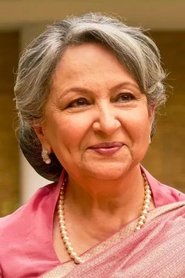 Sharmila TagoreVandhana Tripathi
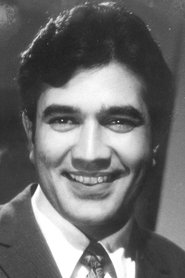 Rajesh KhannaArun / Suraj Prasad Saxena
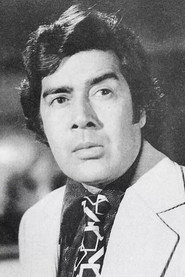 Sujit KumarMadan Verma
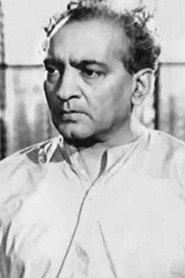 Pahadi SanyalGopal Tripathi
- Anita DuttMrs. Prasad Saxena
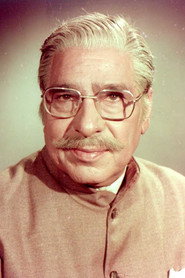 Madan PuriPrison Warden
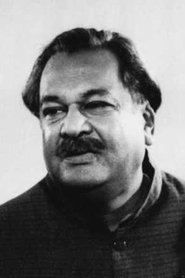 Asit SenSitaram
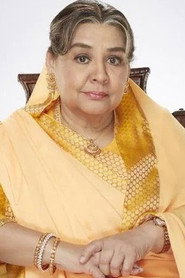 Farida JalalRenu
 ManmohanShyam
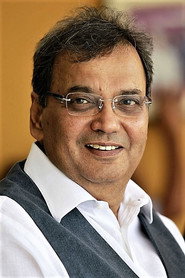 Subhash GhaiPrakash
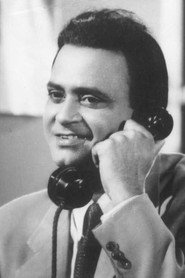 Abhi BhattacharyaRam Prasad Saxena
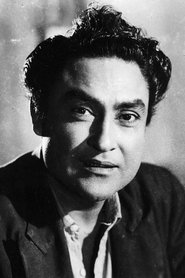 Ashok KumarAir Commodore Ganguly
Directing
- Shakti SamantaDirector
Writing
- Ramesh PantDialogue
- Sachin BhowmickScreenplay
- Sachin BhowmickStory
Production
- Shakti SamantaProducer
Recommended by
Dil Deke Dekho, Dil Daulat Duniya, Mr. & Mrs. '55, Neel Kamal, Ek Phool Char Kaante, Nau Do Gyarah, Mahal, Khamoshi