
Film
The Householder
A tender, intimate portrait of a young Indian schoolteacher navigating his first year of marriage and adult responsibility. James Ivory's debut film observes domestic life with anthropological curiosity and genuine warmth, finding comedy and pathos in small moments of adjustment, misunderstanding, and gradual affection. For anyone drawn to character-driven cinema that trusts you to find meaning in the mundane.
If you liked this
Pather Panchali1955
Satyajit Ray's masterpiece about childhood and family in Bengal. Like *The Householder*, it finds profound emotion in ordinary life and poverty, observing human connection with patient, unsentimentalized tenderness.
But Shot in grainy black-and-white on a meagre budget with mostly non-professional actors; the pace is deliberately slow and nothing explosive happens.

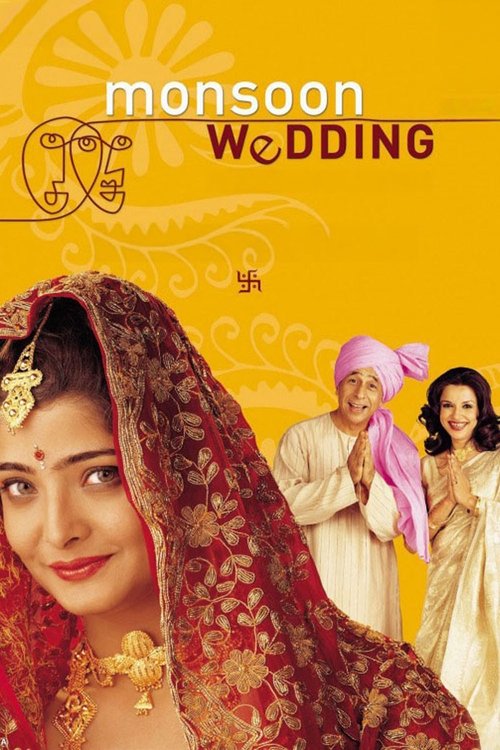
Monsoon Wedding2001
Mira Nair's vibrant exploration of contemporary arranged marriage, family obligation, and finding love within tradition. Shares *The Householder*'s warmth and its focus on the interior life of newly-married couples.
But Vastly more colorful and energetic; if you want Ivory's restraint and observational quiet, this feels loud and theatrical by comparison.
The Bengali Night1988
Another cross-cultural marriage story with Shashi Kapoor, examining intimacy and duty through a similar lens of gentle, probing character study. Reconnects you with Kapoor's nuanced intelligence.
But Less visually refined than Ivory's work, and the romance can feel underdeveloped if you're expecting clear emotional resolution.

Not sure tonight? Get a pick in a minute, starting from The Householder
The wildcard
Something you would not have found on your own.
A Kind of Loving1962
Both films use arranged or forced marriage as a crucible for examining male identity and adult responsibility, but approach it from opposite emotional registers—one finding grace in obligation, the other rage.
John Schlesinger's British kitchen-sink drama about a young man's shotgun marriage and the grim small-town domesticity that follows. Same year as *The Householder*, same theme—male coming-of-age through marriage—but filtered through working-class resentment and sexual frustration instead of gentle accommodation.
But Relentlessly bleak and its portrait of marriage is actively hostile; if you want warmth, this is its angry mirror.

More like this (8)
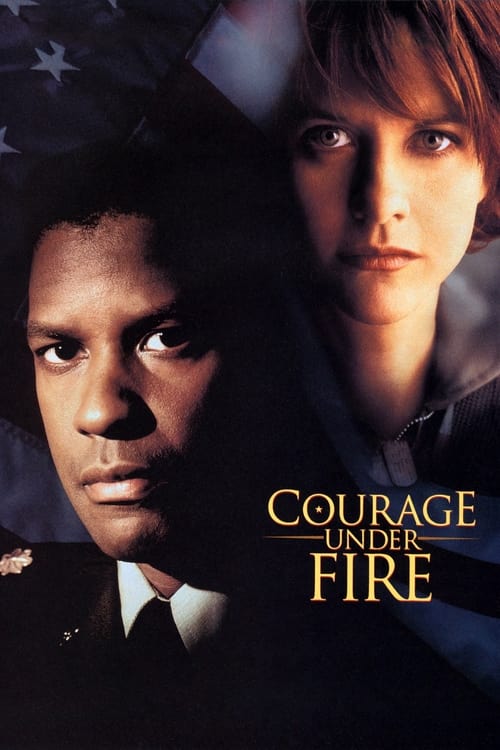
Courage Under Fire1996
Deepa Mehta examines marriage, desire, and domestic life in modern India with unflinching honesty. Like *The Householder*, it uses the home as a crucible for exploring what marriage actually is.
But Confrontational about gender and sexuality in ways *The Householder* never is; some find it didactic rather than observed.
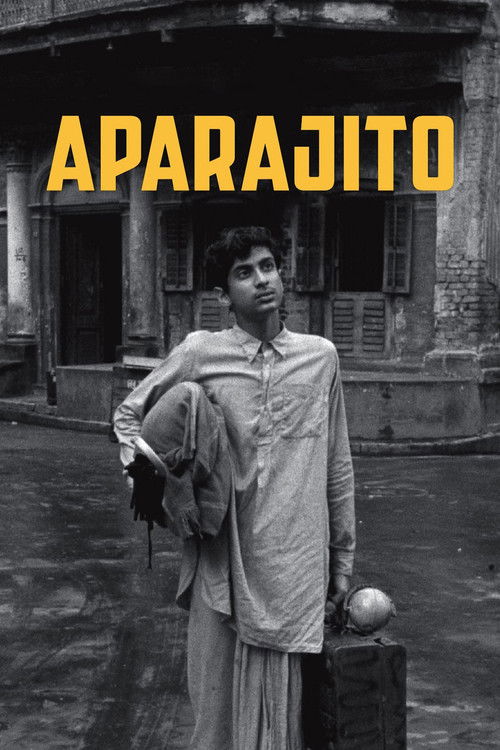
Aparajito1956
Ray's sequel to *Pather Panchali* follows a young man's entry into adulthood and his marriage. The same patient attention to male responsibility and family expectation.
But Opens the visual palette but the emotional register remains muted; if you want dramatic confrontation, this isn't it.
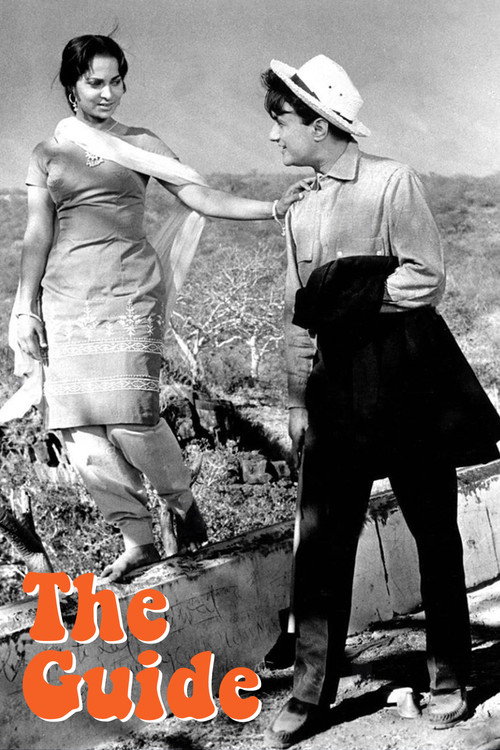
The Guide1965
Vijay Anand's melodrama with Dev Anand explores marriage, duty, and moral compromise with more narrative drive. Shows what Shashi Kapoor's contemporaries were doing in mainstream Hindi cinema.
But Much more plot-heavy and emotionally manipulative; the interiority is replaced by classical dramatic structure and music.
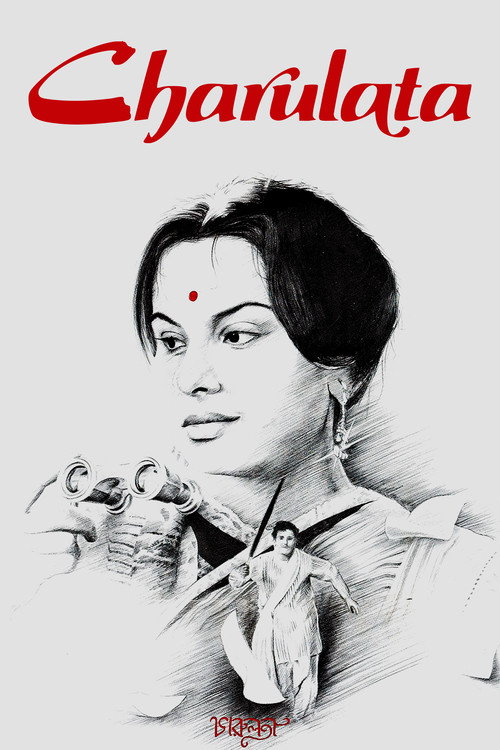
Charulata1964
Satyajit Ray's portrait of a woman in a marriage of intellectual distance. Explores similar terrain to *The Householder*—domestic life, unspoken tensions, the gap between expectation and reality.
But Focuses on female experience rather than male responsibility; the emotional register is melancholy rather than warm.
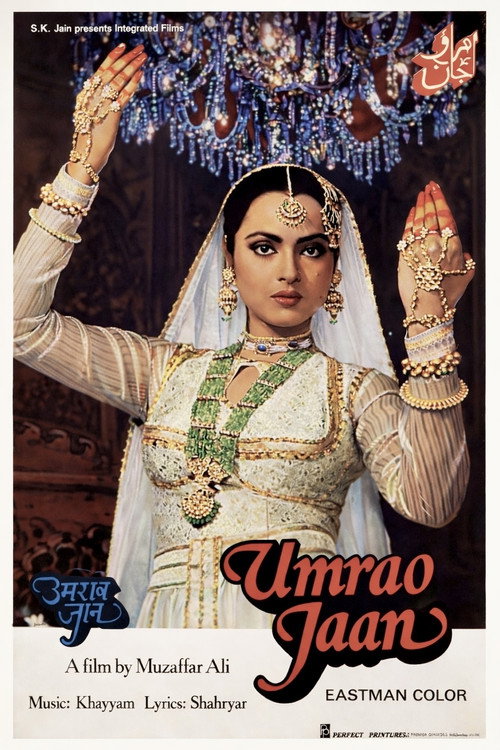
Umrao Jaan1981
Muzaffar Ali's deeply felt film about a woman caught between love, duty, and social position. Shares *The Householder*'s attentiveness to how people actually behave when constrained by circumstance.
But Sadder in tone and framed within tragic inevitability rather than modest hopefulness; the aesthetic is opulent where Ivory is austere.
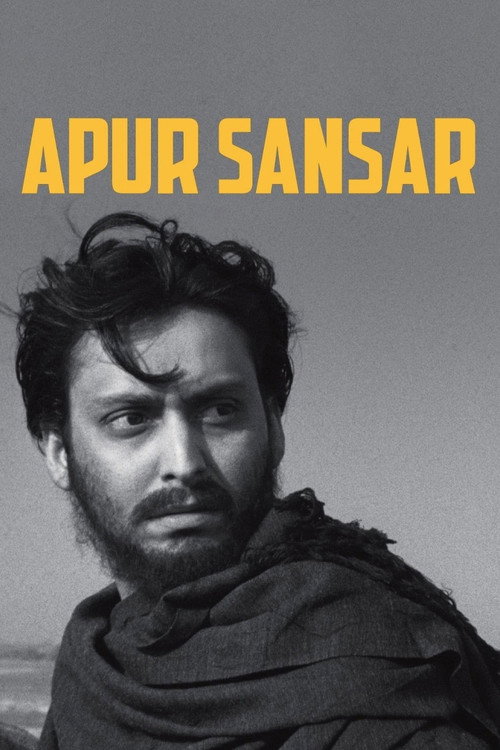
The World of Apu1959
Ray completes the trilogy following Apu into his own arranged marriage and fatherhood. The ultimate meditation on male responsibility and the distance between desire and duty.
But Concludes a narrative arc; watching it without the earlier films leaves you adrift, and even with them, the ending divides viewers.
Satantango1994
Both trust absolute stillness and observation over plot; both see marriage and co-habitation as philosophical territory rather than romantic material. Same structural DNA, wildly different climates.
Béla Tarr's seven-hour Hungarian epic about people in stasis trying to rebuild lives after loss. Obsessed with the same question as *The Householder*: how do people actually live together, moment by moment, without narrative pretense? Hypnotic long-takes of domestic futility and unexpected tenderness.
But Black-and-white, glacially paced, in Hungarian with subtitles; a single scene can run twenty minutes. Demands more patience than almost any film ever made.

Ikiru1952
Both films locate the spiritual and moral center of life in unglamorous duty and small human connections. Both reject the idea that real living requires escape from constraint.
Kurosawa's masterpiece about a dying Japanese bureaucrat finding meaning through duty and connection to others. Like *The Householder*, it takes the quiet, constrained life seriously—not as failure but as the place where real dignity lives. The inverse story: a man learning to live rather than learning to marry.
But Devastatingly sad; *The Householder* is wry and light, this is about mortality and the cruelty of time. Different emotional weather entirely.

People
Cast
 Shashi KapoorPrem Sagar
 Leela NaiduIndu
 Durga KhotePrem's mother
 Pahadi SanyalSwami
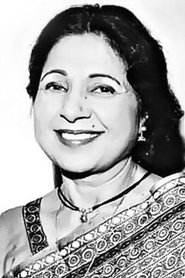 Achala SachdevMrs. Saigal
 Walter Woolf KingProfessor
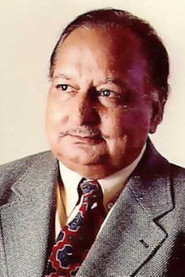 Prayag RajRaj
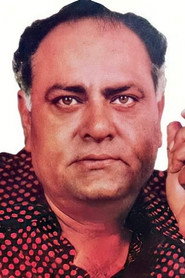 Pinchoo KapoorMr. Saigal
 Ismail MerchantExtra

Directing
- Prayag RajAssistant Director
- James IvoryDirector
Writing
- Ruth Prawer JhabvalaOriginal Film Writer
- James IvoryWriter
- Ruth Prawer JhabvalaWriter
Production
- Ismail MerchantProducer
Recommended by
Parched, The River, Parineeta, The Expedition, Silsila, Aandhi, Bombay Talkie, Chakra, Astitva, Mirch Masala, Thank You, Aradhana, The Cloud-Capped Star, Mujhe Insaaf Chahiye, Julie, Utsav, Noorie, Bandhan, Mandi, A Soft Note on a Sharp Scale