
Film
The Cloud-Capped Star
Ritwik Ghatak's masterpiece follows Nita, a young woman in a refugee family rebuilding in Calcutta, as she works herself into exhaustion for relatives who resent her sacrifice. It's a portrait of invisible labour and familial ingratitude, shot with crystalline clarity. A film about what it costs to hold a family together when nobody's grateful.
If you liked this
Pather Panchali1955
The film that redefined Indian cinema internationally. Satyajit Ray's gentle, observant portrait of rural poverty and family life has the same unhurried depth and emotional accuracy as Ghatak, with a similar eye for how small moments carry weight.
But At 160 minutes and deliberately paced, it demands patience. The subdued tone and lack of dramatic resolution can feel thin to those accustomed to narrative momentum.

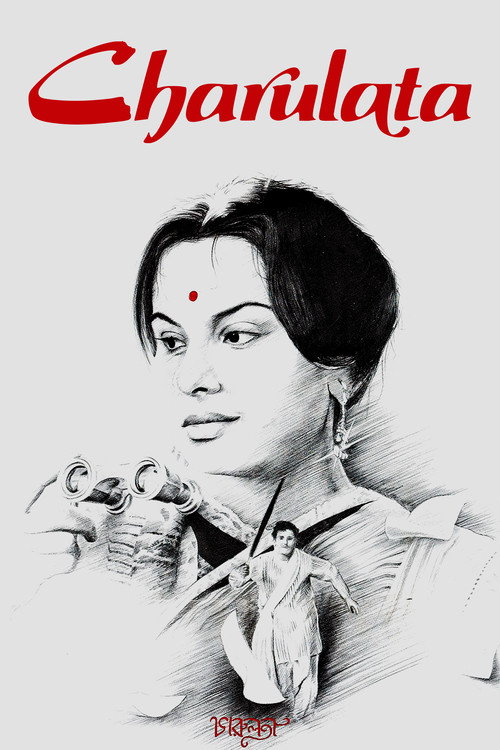
Charulata1964
Another Ray film, this one about a woman's inner life—her intelligence, her longing, her complicity in her own limitation. The emotional acuity rivals Ghatak's, with more formal beauty and a sharper dramatic arc.
But It's a chamber piece about unresolved feelings rather than plot. If you need external conflict or resolution, the subtlety will frustrate you.
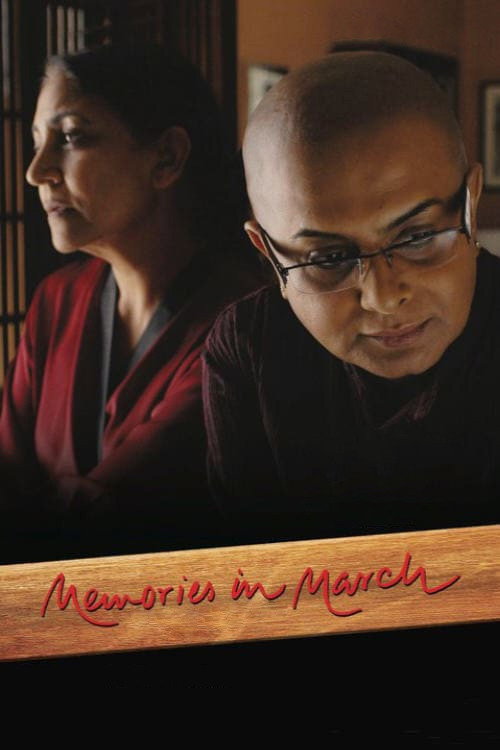
Memories in March2011
A contemporary Indian film about a mother reckoning with her son's death and his hidden life. It shares Ghatak's interest in unspoken family grief and the gap between what we know and what we assume about those closest to us.
But Made fifty years later in a different idiom; if you're seeking formal or tonal kinship rather than thematic echo, it will feel too easy and explanatory.
Not sure tonight? Get a pick in a minute, starting from The Cloud-Capped Star
The wildcard
Something you would not have found on your own.
Tokyo Story1953
Both films argue that family love is often expressed through invisible labour and unmet expectations. Both find the tragic in the everyday. Both believe cinema should observe rather than judge.
Ozu's masterpiece about aging parents visiting their son and confronting what family actually is beneath politeness. Like Ghatak, it finds shattering emotional truth in domestic ordinariness—but Ozu's style is even more austere, his compassion even wider.
But Deliberately slow and formally repetitive. Its quietness can feel like nothing happening. Nearly three hours of watching people sit and talk.

More like this (6)
Devi1960
Ray again, made the same year as The Cloud-Capped Star. A brief, devastating film about how belief and misogyny destroy a woman. It has Ghatak's clarity and moral urgency in a tighter package.
But At just 96 minutes it's almost a sketch; some find it slight compared to Ray's longer works, and its anger can feel too direct for those who prefer ambiguity.

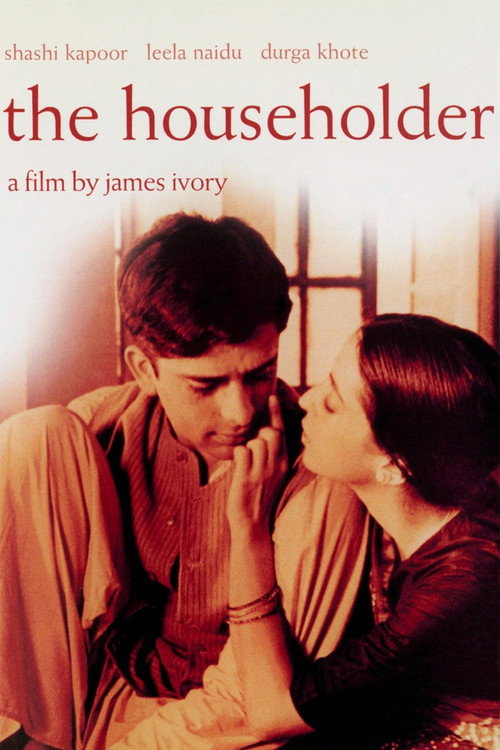
The Householder1963
James Ivory and Ismail Merchant's first feature, made in India with a local cast. A tender, witty film about marriage and adult compromise that captures domestic life with observational grace and surprising humour.
But It's considerably lighter in mood than The Cloud-Capped Star. The tonal shift will feel like relief to some and irrelevance to others.
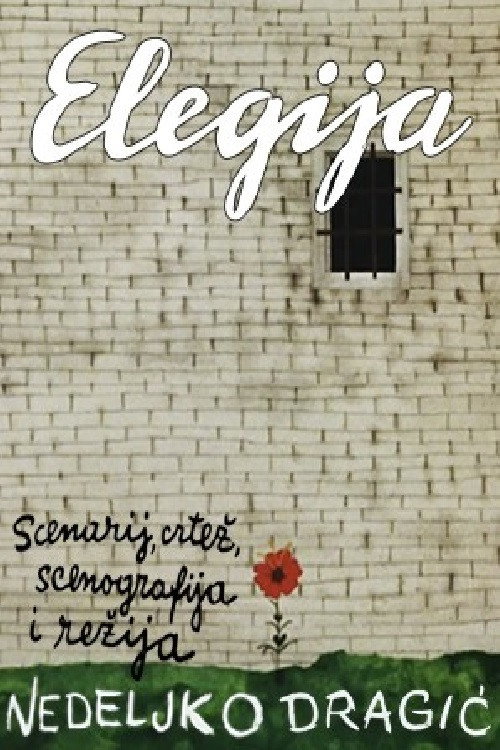
Elegy1965
Another Ghatak film, shorter and more experimental. It distils his obsessions about memory, displacement and loss into pure form. Visually extraordinary and emotionally concentrated.
But Its abstraction and formal difficulty eclipse narrative. If you're unsure about Ghatak after The Cloud-Capped Star, this will not convince you.
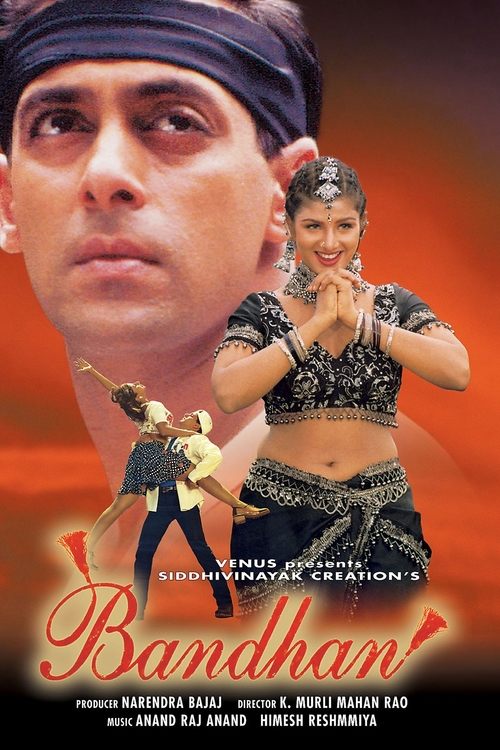
Bandhan1998
A quieter, more recent Bengali film about family obligation and sacrifice that echoes The Cloud-Capped Star's central moral tension without repeating it. Meditative and genuinely interested in how bonds strangle and sustain.
But Made nearly forty years later with different sensibilities. The softness and occasional sentimentality will strike some as diluting the earlier film's rigour.
Jeanne Dielman, 23, quai du Commerce, 1080 Bruxelles1976
Both films centre on female labour and sacrifice. Both locate tragedy in repetition and the erosion of self through service. Both refuse to sentimentalise their subjects.
Chantal Akerman's three-hour film of a woman's domestic routine. It seems radical and difficult but operates on Ghatak's principle: that women's unpaid work is the substance of life, and watching it closely is a political act.
But Experimental and demanding in ways The Cloud-Capped Star is not. It will feel punishing to many viewers, and its formal severity can obscure rather than illuminate.

Memories of Murder2003
Both films use personal stories to interrogate how displacement, injustice and historical trauma shape character. Both distrust easy answers. Both are made with formal precision that serves the moral argument.
Bong Joon-ho's darkly brilliant detective film set in 1980s South Korea. It shares Ghatak's belief that larger historical forces corrupt individual lives, and his eye for how ordinary people contain depths. Gripping, funny, and morally complex.
But Genre film first, social critique second. Its violence and procedural momentum make it dramatically heavier than Ghatak. If you're seeking introspection over incident, it will feel like a detour.

People
Cast

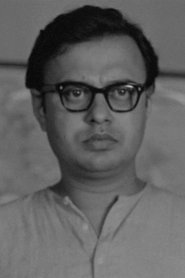 Anil ChatterjeeShankar
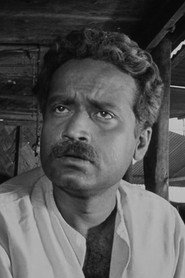 Gyanesh MukhopadhyayBanshi Dutta
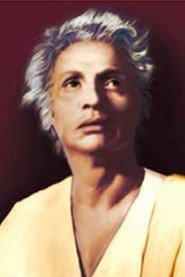 Bijon BhattacharyaTaran Master
 Gita DeyMother
- Gita GhatakGita
- Dwiju BhawalMantu
- Niranjan RaySanat
- Ranen Ray ChoudhuryBaul singer

Directing
- Ritwik GhatakDirector
Writing
- Ritwik GhatakScreenplay
- Shaktipada RajguruStory