
Film
Elegy
Other titles called Elegy: the 2008 film.
- Slow-burning
Nedeljko Dragić's four-minute debut is a spare, melancholic animation about a prisoner glimpsing a flower through his cell bars. Static frames and comic-strip sensibility create something closer to moving illustration than conventional animation—intimate, elegiac, heavy with longing. For anyone who finds beauty in constraint and silence.
If you liked this
Mulholland Drive2001
Lynch's fractured narrative and symbolic density reward contemplation over plot. Like Elegy, it trusts you to sit with mystery and feel rather than understand. Dreamlike obsession drives both.
But It's three hours of deliberate opacity. Some viewers find it frustrating rather than profound, and the payoff is deliberately withholding.

In the Mood for Love2000
Wong Kar-wai transforms yearning into visual poetry through symmetry, color, and near-stillness. Both films compress huge emotional weight into minimal action—watching becomes an act of deep attention.
But Almost nothing happens. If you need plot momentum or dialogue-driven drama, the glacial pacing will test your patience severely.

Stalker1979
Tarkovsky's meditation on desire and the unattainable mirrors Elegy's core. Long takes, philosophical weight, and a protagonist drawn toward something just beyond reach. Cinema as contemplation.
But 163 minutes of slow tracking shots and sparse dialogue. It's a commitment that some find transcendent and others find tedious.

Not sure tonight? Get a pick in a minute, starting from Elegy
The wildcard
Something you would not have found on your own.
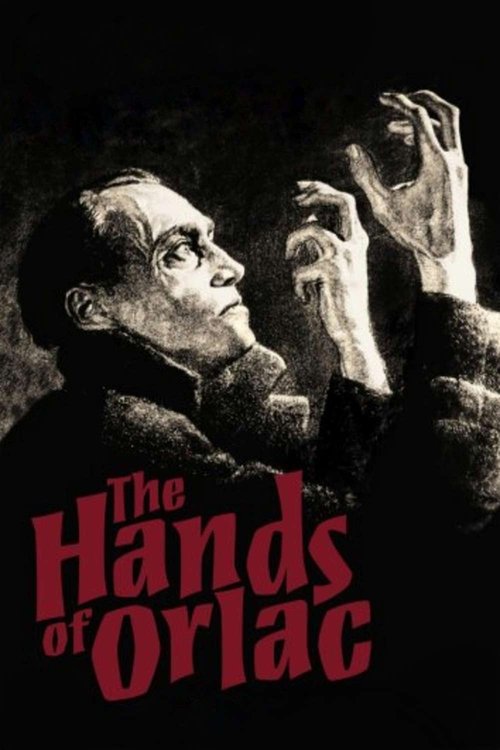
The Hands of Orlac1924
Both are micro-animations that prove the form's power in brevity, using static or near-static technique to convey psychological states rather than plot.
Géza Bolváry's abstract animated hands moving to music predates most animation vocabulary. Like Elegy, it's a four-minute meditation on symbolic gesture and economy. Seeing how animation began casts Dragić's minimalism in sharp relief.
But It's pre-narrative abstraction. Some viewers need figuration or story; pure form leaves them cold.
More like this (8)
La Haine1995
Mathieu Kassovitz's black-and-white portrait of urban confinement shares Elegy's compressed intensity and economical visual storytelling. Both find poetry in restriction and observation.
But The social realism is harsh and uncompromising. Some find the bleak despair exhausting rather than illuminating.

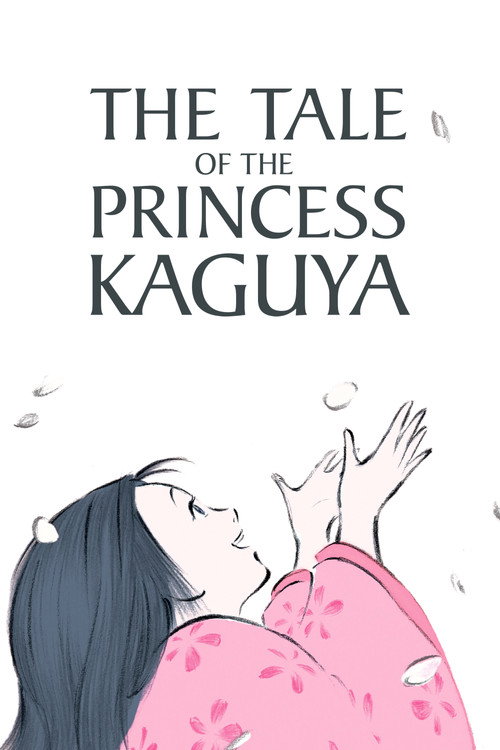
The Tale of The Princess Kaguya2013
Takahata's hand-drawn watercolor animation achieves a storybook quietness similar to Dragić's approach. Painterly, patient, and deeply concerned with longing and the untouchable.
But It's deliberately paced and meditative. Mainstream animation audiences expecting action will find it deliberately slow.
Come and See1985
Elem Klimov's Soviet masterpiece compresses catastrophic suffering into 142 minutes. Like Elegy, it trusts visual language over exposition to convey psychological devastation.
But It's one of cinema's most harrowing films about war. The emotional intensity is genuinely difficult, and it offers no catharsis.

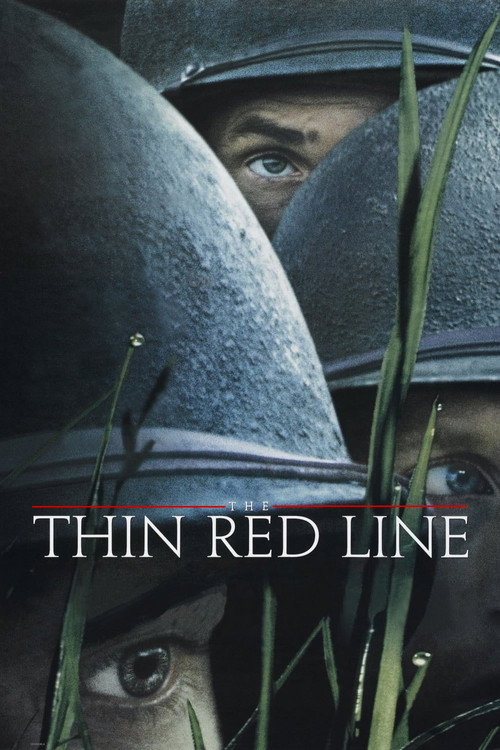
The Thin Red Line1998
Terrence Malick's meditation on war and beauty favors philosophical voiceover and visual mystery over narrative clarity. Dreamlike and formal, it shares Elegy's willingness to leave you uncertain.
But The narrative is deliberately fragmented. Some find it pretentious, and the runtime tests even patient viewers' endurance.
A Ghost Story2017
David Lowery's minimalist film about haunting and longing uses its constraint—a figure in a white sheet—to maximum emotional effect. Both works understand that less reveals more about desire.
But The central conceit is deliberately silly-looking, which some viewers cannot get past. The pacing is funeral.

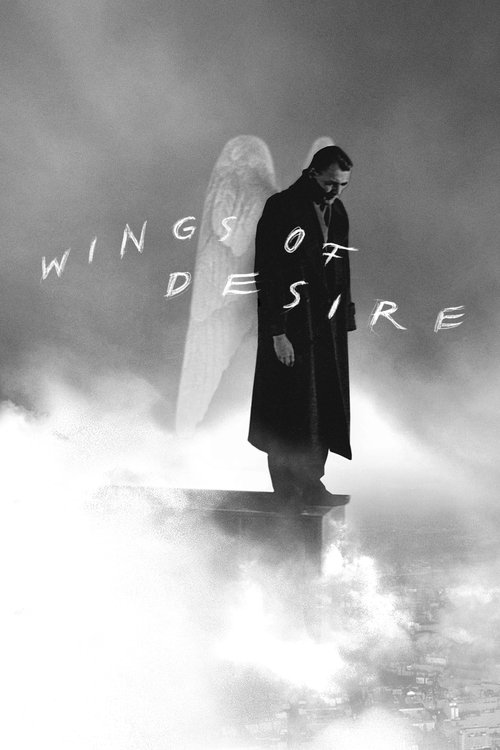
Wings of Desire1987
Wim Wenders explores yearning and observation through angels watching Berlin. Like Elegy, it privileges visual poetry and emotional atmosphere over conventional plotting.
But It's episodic and digressive. If you need a propulsive story, the contemplative wandering will frustrate.
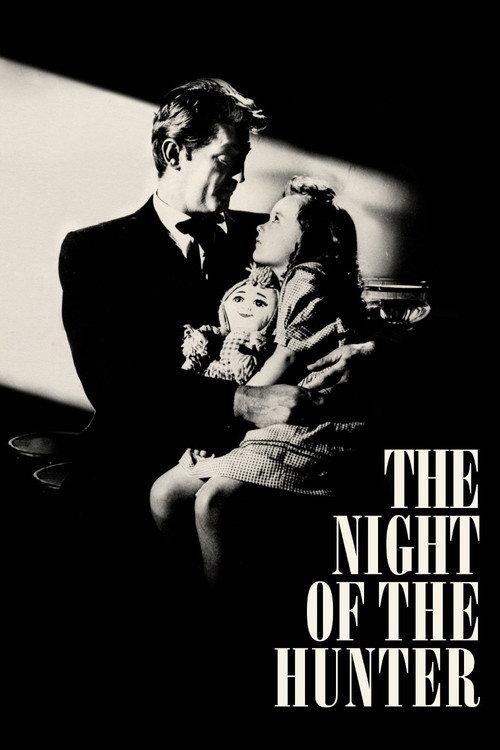
The Night of the Hunter1955
Both explore the terror and longing of imprisonment and the symbolic weight of unattainable things. Visual storytelling supersedes dialogue.
Charles Laughton's only directorial effort is a Gothic nightmare shot in stark black-and-white. It shares Elegy's use of symbolism and confinement—a child pursued by predatory desire. Visually operatic where Elegy is spare, but both are about vulnerability behind bars.
But It's melodramatic and theatrically stylized. Viewers seeking naturalism will find it overwrought.
Synecdoche, New York2008
Both are meditations on confinement—literal for Elegy, psychological for Kaufman—where the protagonist's gaze is held by something just outside their grasp. Desire as the central human problem.
Charlie Kaufman's bewildering masterpiece about scale and the prisoner of artistic obsession is Elegy's opposite in scope but twin in effect: both trap their central figure in recursive desire. Haunting, formally inventive, and deeply about yearning.
But It's deliberately obtuse and will frustrate anyone seeking clarity. Running 124 minutes, its self-reflexive complexity exhausts many viewers.

People
Directing
- Nedeljko DragićDirector
Writing
- Nedeljko DragićWriter