
Film
The Hands of Orlac
- Horror
- Very dark
A silent-era German Expressionist masterpiece about a concert pianist whose transplanted hands belonged to an executed murderer. It's hypnotic, grotesque, and genuinely unsettling—a film about bodily horror and psychological corruption told through distorted sets, stark shadows, and Conrad Veidt's mesmerizing despair. Essential viewing for anyone who wants to understand how horror cinema learned to get inside your head.
Should you watch it?
Watch it if you love silent German Expressionism, with its painted shadows and stylized, theatrical faces, and want dread built from a single anxious idea rather than gore.
Skip it if the pace is deliberate and the melodrama broad, so if you need modern naturalism or quick scares, the acting and intertitles may feel stagey.
What it asks of you: Silent-film grammar governs everything here: you read title cards, watch faces closely, and sit through ninety-eight minutes of exaggerated gesture and sustained unease.
Not sure? Find tonight's pick in a minute.
If you liked this
The Cabinet of Dr. Caligari1920
The definitive German Expressionist horror film that established the visual language Orlac perfects. Distorted architecture, moral ambiguity, and a twist that rewrites everything. Unmissable.
But It's silent and stagey, with intertitles that can feel stilted. The pacing is glacial by modern standards, and the plot moves less like narrative and more like a fever dream.

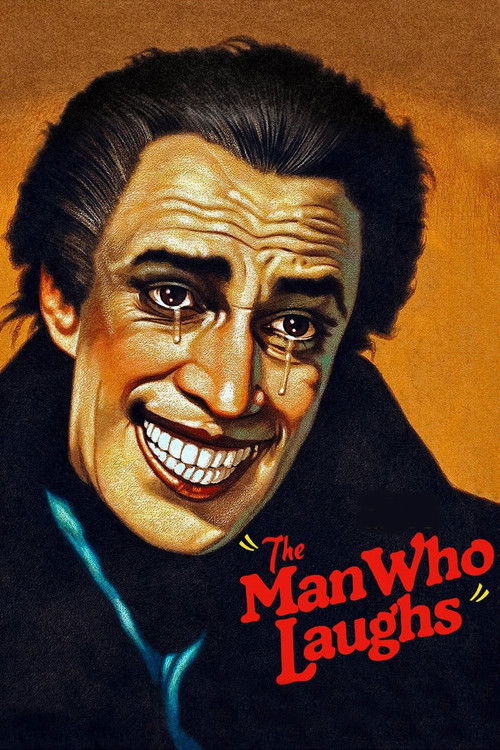
The Man Who Laughs1928
Conrad Veidt again, playing a man disfigured into a permanent grin. Same era, same actor, equally grotesque and sympathetic. A film about being trapped in your own body and everyone's assumptions about it.
But Silent films require patience. The emotional register is operatic, which works beautifully or not at all depending on your tolerance for melodrama. Some find it campy rather than tragic.
M1931
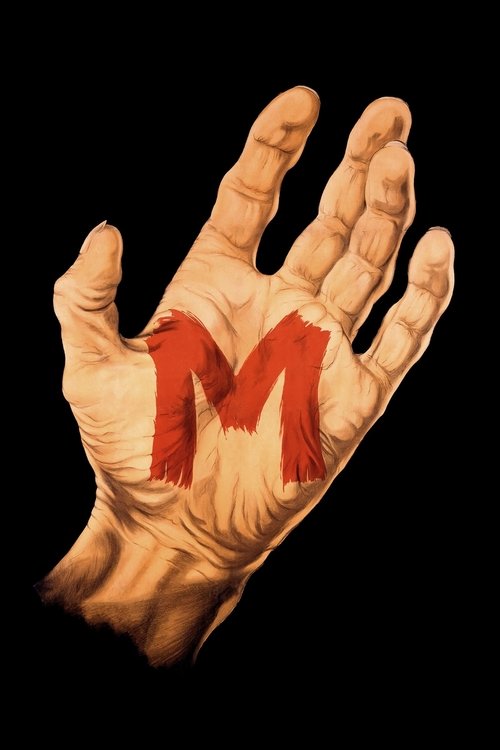
Fritz Lang's masterpiece about a child murderer hunted through Berlin. Same culture and moment as Orlac, but sound brings a new psychological intensity. A portrait of monstrosity that refuses to be simple.
But It's bleak and slow-burn. The climax is morally wrenching rather than thrilling, and there's no catharsis. You won't feel better afterward.
Not sure tonight? Get a pick in a minute, starting from The Hands of Orlac
The wildcard
Something you would not have found on your own.
The Spider's Web1938
Both pivot on the same central dread: that hands are agents of their own will, and that guilt can literally write itself into the body.
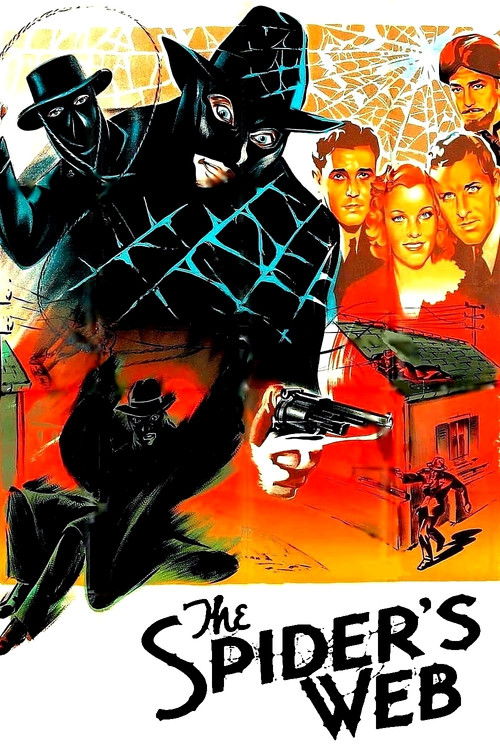
A scrappy B-mystery about false identity and guilty hands. Completely forgotten now, but it's a direct American adaptation of the same neurotic energy as Orlac—the fear that you might commit murder despite yourself, that the body has its own will.
But It's underfunded and choppy, with none of Orlac's visual poetry. The acting is stiff. You have to meet it on its own terms or it feels like a waste of time.
More like this (8)
Nosferatu1922
The other pillar of silent German horror. A vampire film that trades jump-scares for dread, with compositions so perfect they still terrify. Shadows that move like they have their own will.
But The pacing tests even patient viewers. Long stretches of setup with no release. Max Schreck's count is hypnotic but appears briefly; if you want monster spectacle, you'll be disappointed.

The Phantom Carriage1921
Lejaren Hjalmar Gad's Swedish ghost story about redemption and the weight of past sins. Melancholic where Orlac is paranoid, but the same obsession with how the past corrupts the body and mind.
But It's a moral fable more than a thriller. The horror is existential rather than visceral. Some will find it too earnest and slow.

Mystery of the Wax Museum1933
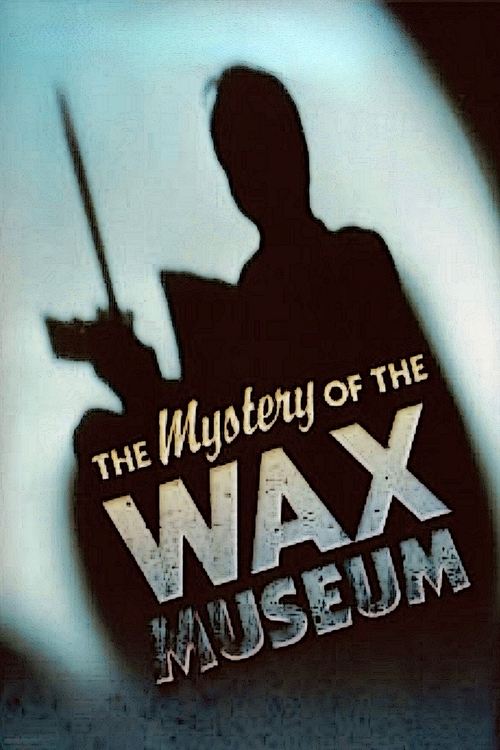
A proto-body-horror film about murderers immortalized in wax, their identities dissolved into spectacle. Less sophisticated than Orlac but operates in the same anxious territory about bodies and identity.
But It's a B-picture, technically rougher and narratively messier. The atmosphere is clumsy compared to the German Expressionists.
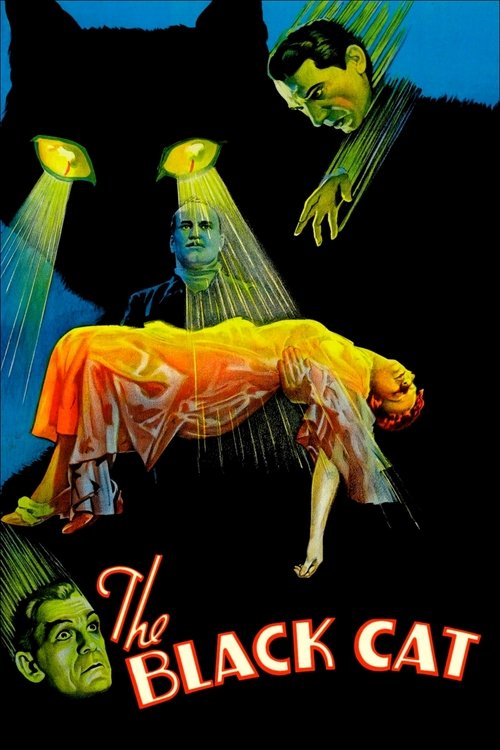
The Black Cat1934
Ulmer's masterpiece with Lugosi and Karloff, obsessed with trauma, transplantation, and bodies as sites of horror. A direct spiritual heir to Orlac, cranked up to maximum weirdness.
But The plot is convoluted and parts feel underbaked. It's more fever dream than coherent narrative, which thrills some and frustrates others.
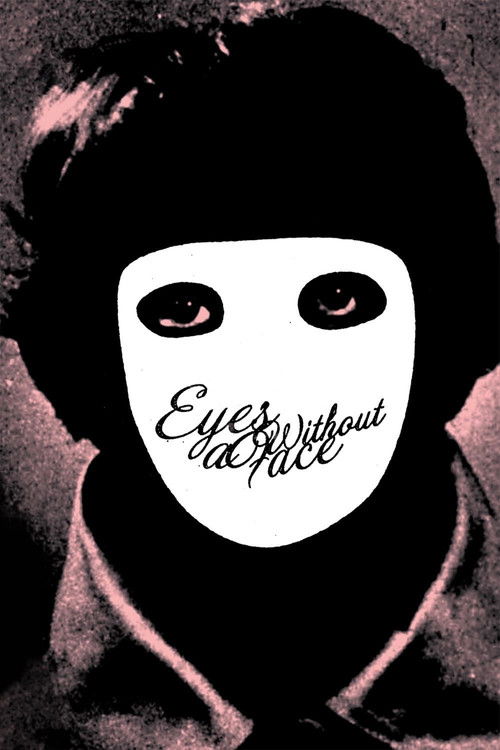
Eyes Without a Face1960
Georges Franju's graphic meditation on bodily violation and the face as identity. A film about grafting that understands Orlac's central horror: you can never reclaim what was taken. Hypnotic and queasy.
But It's genuinely disturbing in ways that go beyond thrills. If the thought of surgical mutilation upsets you, this will unsettle you in a lasting way.
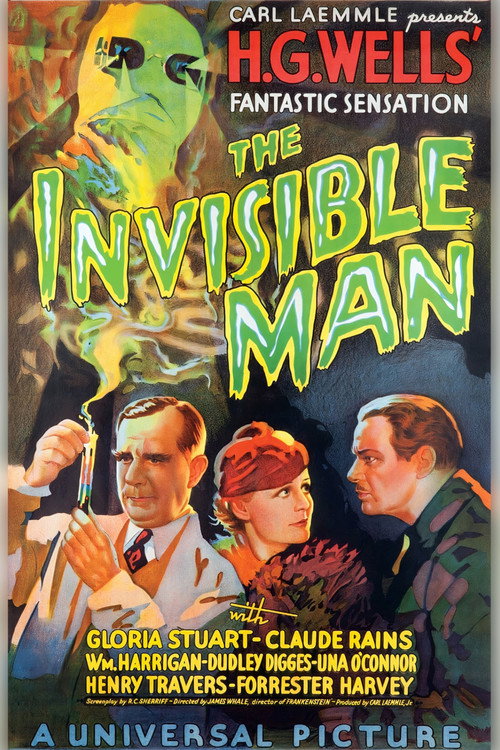
The Invisible Man1933
James Whale's film about a man unmade by his own transformation. Like Orlac, it's about invisibility—literal and social—and how it corrodes the mind. A sad film masquerading as a thriller.
But The special effects haven't aged gracefully. The comedy undercuts the horror for modern viewers. Some will find it silly rather than tragic.
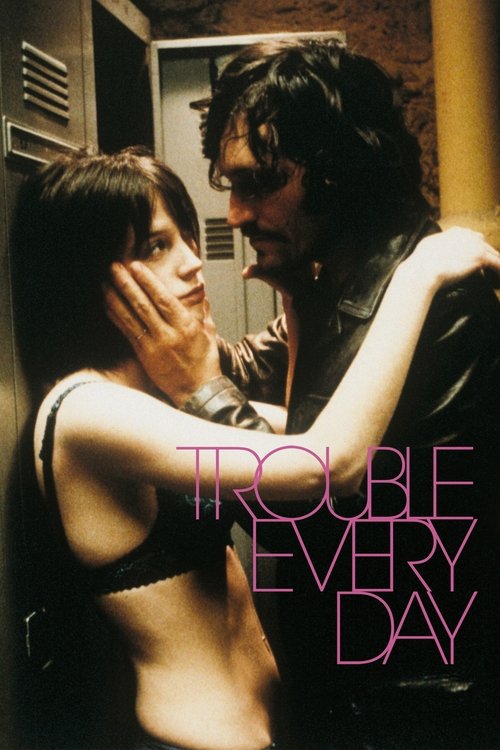
Trouble Every Day2001
Both films treat the body as a site of tragic inheritance—something you didn't choose, that transforms you from the inside, that marks you as cursed regardless of your will or morality.
Claire Denis's cannibalistic horror-romance told almost without dialogue or plot, pure cinema. The same era-spanning body-horror as Orlac but translated into something modern, sensual, and genuinely unsettling. It moves like a phantom carriage through the mind.
But It's glacial, obscure, and graphic. There is almost no conventional narrative. If you need plot to hold onto, you'll be adrift and probably angry.
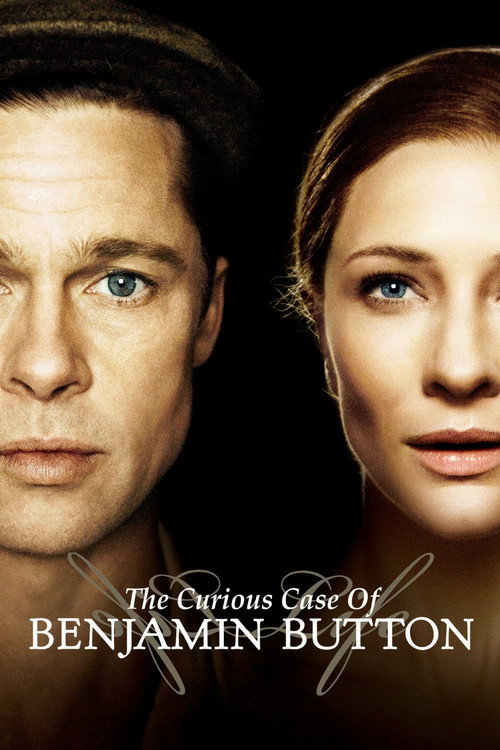
The Curious Case of Benjamin Button2008
Like Orlac, it's about the fundamental alienation of waking up in a body that is no longer yours, and the grief that comes with watching yourself become something you don't recognize.
An unexpected one: Fincher's meditation on time written into the body, on watching the self become a stranger, on the horror of having no control over your own physical form. It shares Orlac's core terror: the body as a prison that changes without consent.
But It's sentimental in places, and nearly three hours long. The visual effects distract from the emotional core. Some find it saccharine—a film about existential horror wrapped in Oscar-bait.
People
Cast
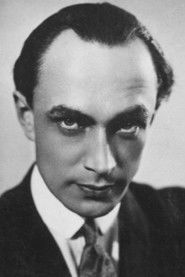 Conrad VeidtPaul Orlac
 Alexandra SorinaYvonne Orlac
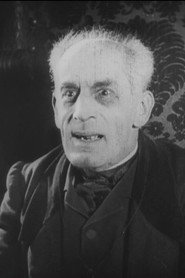 Fritz StrassnyVater Orlac
- Paul AskonasDiener
 Carmen CartellieriRegine
- Hans HommaDr. Serral
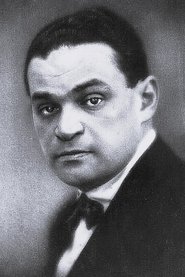 Fritz KortnerNera
Directing
- Robert WieneDirector
Writing
- Maurice RenardNovel
- Louis NerzScreenplay
Production
- Karl EhrlichProduction Manager
Recommended by
Waxworks, Mad Love, The Haunted House, The Student of Prague, The Gorilla, The Mysterious Island, Elegy, The Magician, Bride of the Storm, The Telltale Heart, Suspense, A Connecticut Yankee in King Arthur's Court