
Film
Trouble Every Day
- Horror
- Very dark
- Strange
Claire Denis's fever dream of body horror and desire. A surgeon arrives in Paris haunted by his own cannibalistic urges, circling a doctor whose wife embodies them. Deliberately paced, hallucinatory, soaked in dread. For viewers drawn to transgressive cinema that treats flesh and appetite as philosophical territory, not just spectacle.
Should you watch it?
Watch it if you like horror that works through mood, sensual dread and long unbroken images, and you don't mind a story that refuses to explain itself, the kind Claire Denis makes with a restrained, lyrical hand.
Skip it if you want a tidy genre thriller with clear rules; this one is slow to unfold, thin on dialogue, and its violence arrives in sudden, sexually charged bursts.
What it asks of you: Long takes, few explanations and long silences; expect to sit with ambiguity and stretches where very little seems to happen before something abrupt breaks the stillness.
Not sure? Find tonight's pick in a minute.
If you liked this
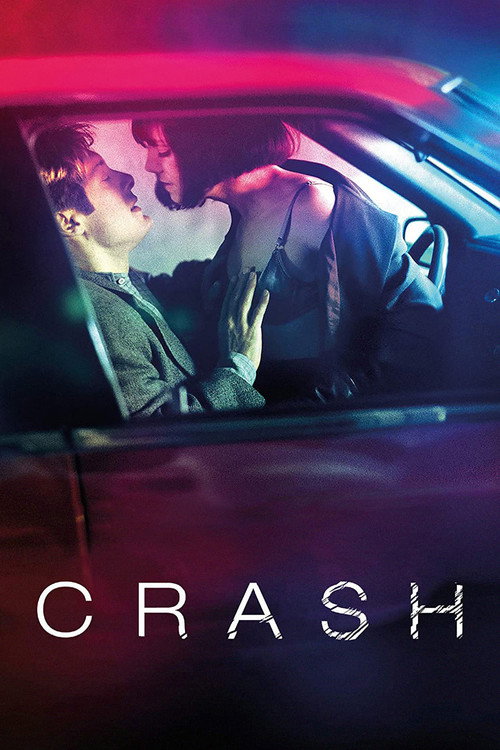
Crash1996
Cronenberg's collision of sexuality and automotive violence. Equally committed to the transgressive and the sensual, treating the body as both landscape and weapon. Shares Trouble's fascination with desire operating outside social bounds.
But The eroticism of destruction will repel rather than intrigue some viewers. Heavy-handed allegory can feel like provocation for its own sake.
Possession1981
Andrzej Żuławski's marriage descent into surreal horror. Body-horror intimacy, incoherent rage, and a creature embodying psychological dissolution. Equally invested in the grotesque as emotional truth rather than shock value.
But Aggressively experimental structure that tests patience. The creature design is intentionally repugnant rather than scary in conventional ways.

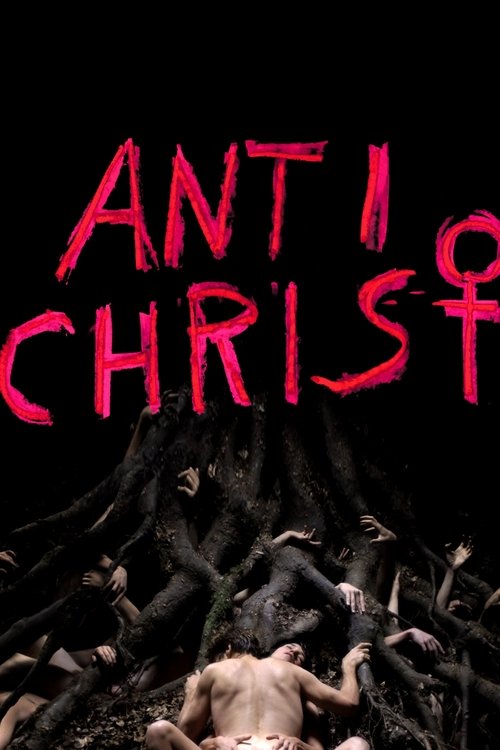
Antichrist2009
Lars von Trier weaponises grief and sexuality through images that burrow into your mind. The body becomes both victim and perpetrator. Shares Trouble's refusal to sanitise human darkness or compartmentalise it from intimacy.
But Graphic genital violence and a methodical approach to suffering. von Trier's provocation can feel like cruelty disguised as art.
Not sure tonight? Get a pick in a minute, starting from Trouble Every Day
The wildcard
Something you would not have found on your own.
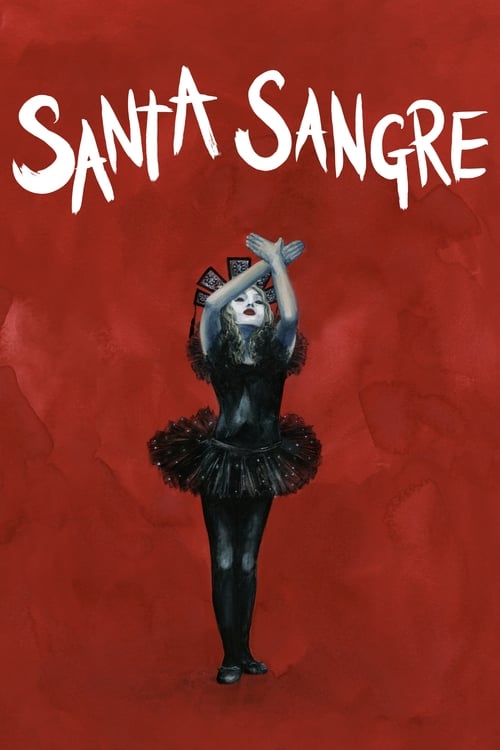
Santa Sangre1989
Both Denis and Jodorowsky treat the cannibalistic or transgressive body not as monster, but as symptom of suppressed desire and wound.
Jodorowsky's Freudian horror-opera about a boy and his armless mother. Like Trouble, it's a fever dream of desire and bodily transgression, but filtered through surrealist theatre and psychological trauma. Equally committed to making the grotesque beautiful and spiritually resonant.
But The sexual violence is presented without modern sensitivity. Surrealist logic means narrative clarity is sacrificed for mood and symbol throughout.
More like this (8)
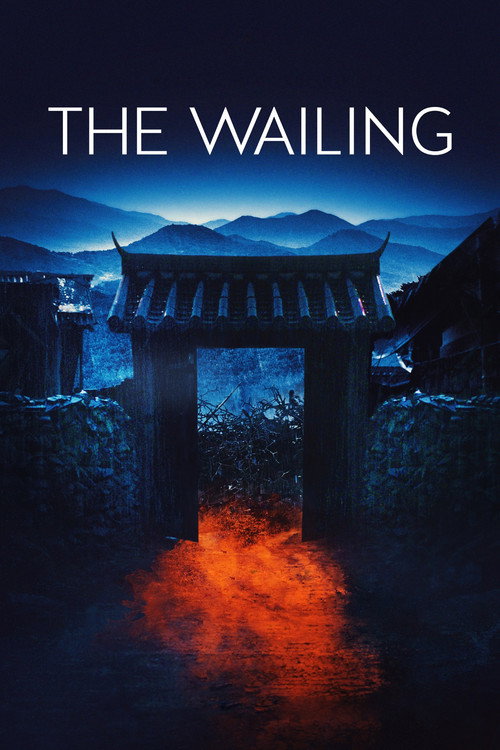
The Wailing2016
Na Hong-jin builds dread through suggestion and ceremony rather than spectacle. A mystery that dissolves rather than resolves, steeped in sickness and spiritual contamination. Patient, hypnotic construction of unease.
But Two and a half hours of accumulating ambiguity without clear answers. Some will find the pacing glacial and the payoff negligible.
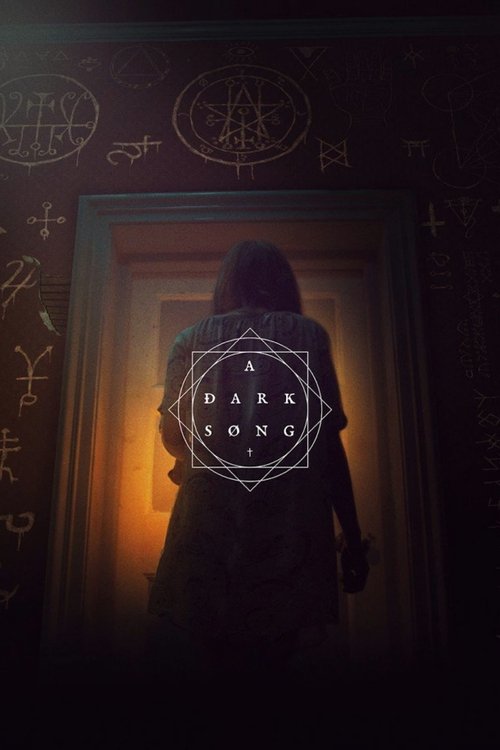
A Dark Song2016
Liam Garrigan's portrait of ritual as intimate grief-work. Two people in a house, the sacred and the grotesque intertwined. Slow-burn intensity sustained by genuine emotion rather than spectacle.
But The supernatural elements operate on metaphorical register only. If you want external horror, this introspection will feel like nothing happening.
Under the Skin2014
Jonathan Glazel strips science-fiction to its essence: bodies, landscape, the alien gaze. Hypnotic, sensual dread. Like Trouble, it trusts silence and suggestion over exposition.
But Deliberately opaque narrative. Long stretches of observation without dialogue or plot progression frustrate viewers seeking conventional narrative.

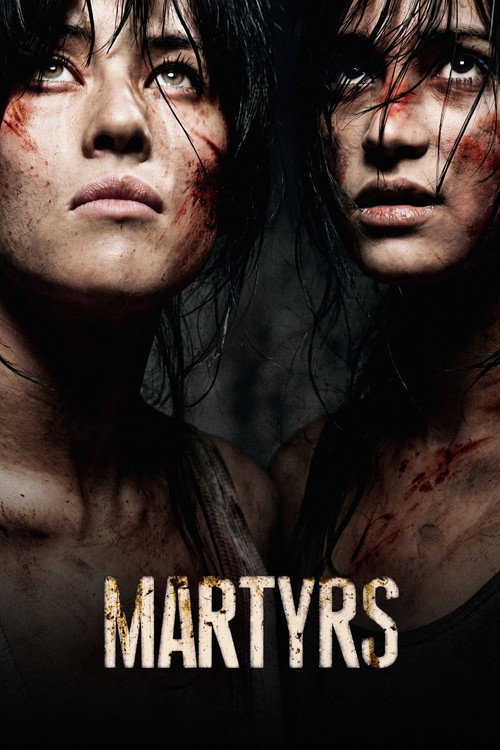
Martyrs2008
Pascal Laugier fuses transgressive violence with genuine metaphysical inquiry. The body becomes the site of suffering and transcendence. Equally committed to exploring human darkness without irony.
But Extreme violence framed as spiritual journey can read as exploitation rather than examination. The philosophy cannot justify the extremity for many viewers.
The Holy Mountain1973
Jodorowsky's surrealist journey through symbolism, body horror, and spiritual transgression. Hallucinatory fever logic like Trouble's. Uses the grotesque as a path toward enlightenment rather than mere sensation.
But Deliberately obscurantist. The pleasure is in sensation and symbol rather than comprehension or coherent meaning.

Raw2017
Julia Ducournau's coming-of-age through cannibalistic awakening. Visceral, darkly funny, treating appetite as developmental and complex. Carnality and tenderness interwoven without judgment.
But The gore is not decorative. Some viewers will find the sexualisation of consumption genuinely nauseating rather than philosophically interesting.

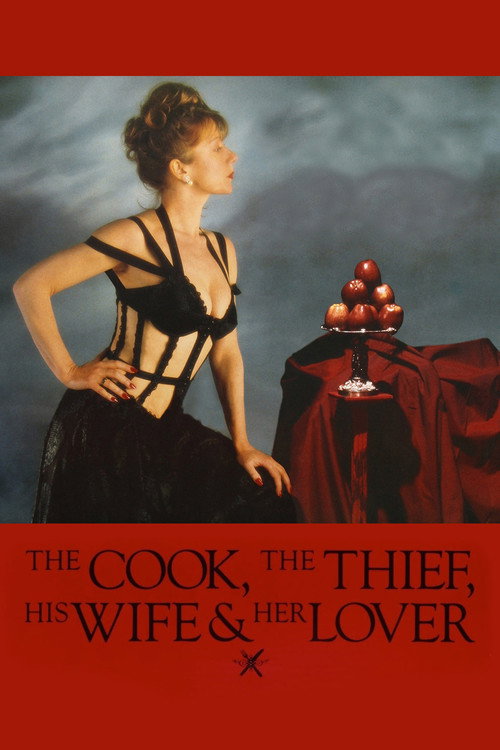
The Cook, the Thief, His Wife & Her Lover1989
Both films weaponise the consumption of bodies as commentary on power, desire, and masculine control over the feminine.
Peter Greenaway's baroque revenge about bodies consumed and desecrated. Visceral, baroque, colour-coded moral sickness. Where Trouble whispers, Greenaway screams—but both use transgression as moral and aesthetic language.
But Aggressively artificial and theatrical. The refusal of naturalism or sentiment leaves many viewers cold despite the intensity.
The Company of Wolves1984
Both Denis and Jordan understand that women's sexuality and appetite are treated as monstrous by patriarchal narrative—and both make that monstrosity visible and sensual.
Neil Jordan's fairy-tale horror: a girl's sexuality and danger tangled together in German forest gothic. Lush, metaphorical body horror dressed in myth. Where Trouble is surgical and grey, this is velvet and scarlet—but the equation of desire with transgression is identical.
But The fairy-tale register may feel cutesy or camp rather than frightening. Practical creature effects show their age in ways that distance rather than disturb modern viewers.

People
Cast
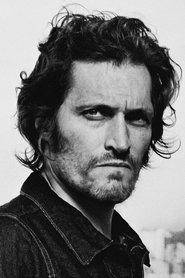 Vincent GalloDr. Shane Brown
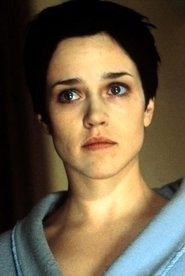 Tricia VesseyJune Brown
 Béatrice DalleCoré
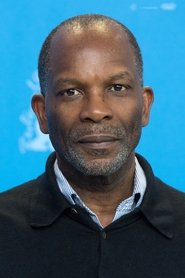 Alex DescasDr. Léo
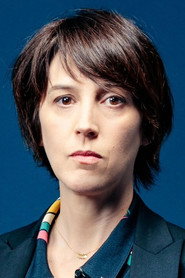 Florence Loiret CailleChristelle
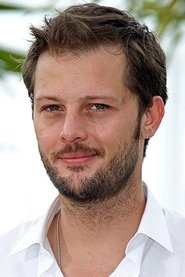 Nicolas DuvauchelleErwan
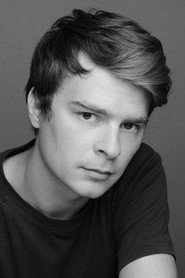 Raphaël NealLudo
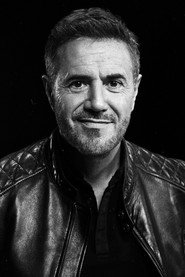 José GarciaDr. Choart
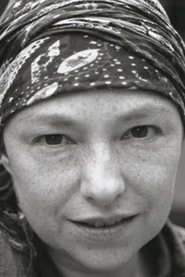 Hélène LapiowerMalécot
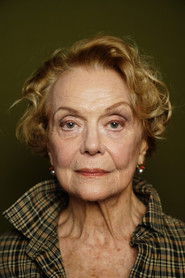 Marilú MariniFriessen
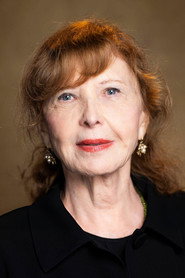 Aurore ClémentJeanne
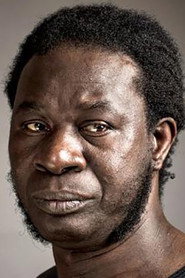 Bakary SangaréNight Watchman
Directing
- Claire DenisDirector
- Gabriel Julien-LaferrièreFirst Assistant Director
Writing
- Claire DenisWriter
- Jean-Pol FargeauWriter
Production
- Françoise GuglielmiAssociate Producer
- James CalleriCasting
- Nicolas LublinCasting
- Richard RousseauCasting
- Georges BenayounProducer
- Jean-Michel ReyProducer
- Philippe LiégeoisProducer
Recommended by
Raw, El Conde, Scream 2, One False Move, Excision, The Hands of Orlac, Habit, Under Cover, Criminal Lovers