
Film
The Wailing
A jittery small-town cop stumbles into a plague of gruesome deaths after a stranger settles at the edge of his village, and the film refuses to give you a stable explanation — shamanism, disease, possession, or plain human cruelty — right through its punishing final act. It's long, lurches wildly between farce and dread, and it's built for arguing about afterward, not for answers.
If you liked this
Memories of Murder2003
Same bumbling rural detectives, same rain-soaked dread, same refusal to hand you a tidy villain — Bong Joon-ho's serial-killer procedural is the tonal blueprint for half of Korean genre cinema, including this one.
But Based on an unsolved real case, so the lack of resolution is the whole point — frustrating if you need closure.
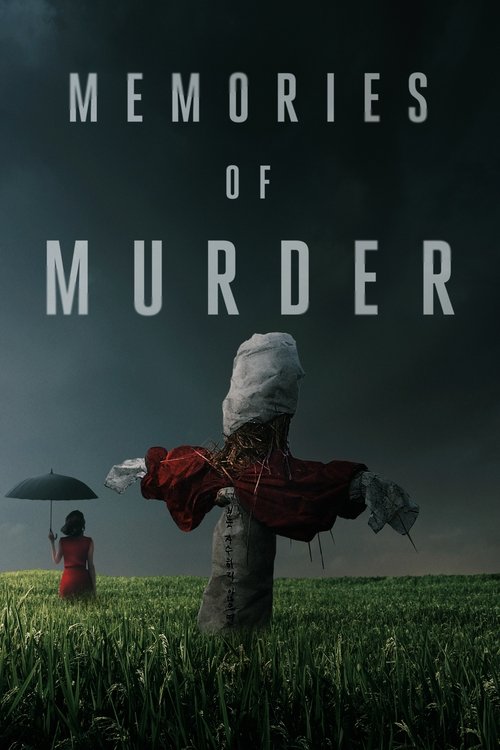
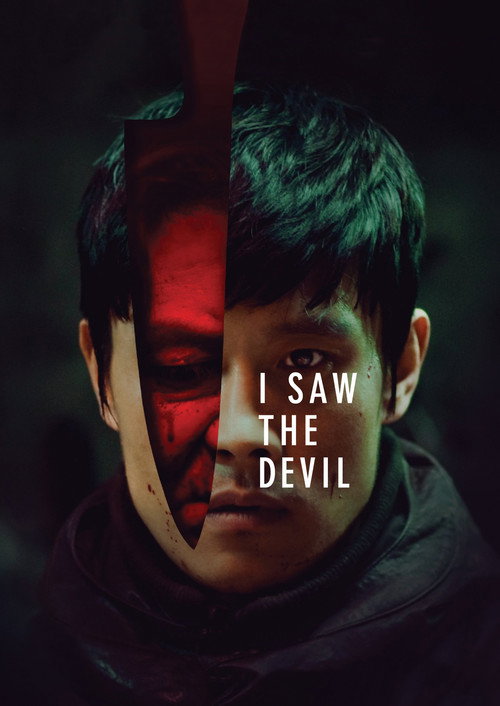
I Saw the Devil2010
A revenge thriller that spirals into something almost supernatural in its cruelty, with the same willingness to let violence curdle into farce and back again.
But Brutal in ways The Wailing never quite goes — this one has no exorcism scene to break the tension, just escalation.
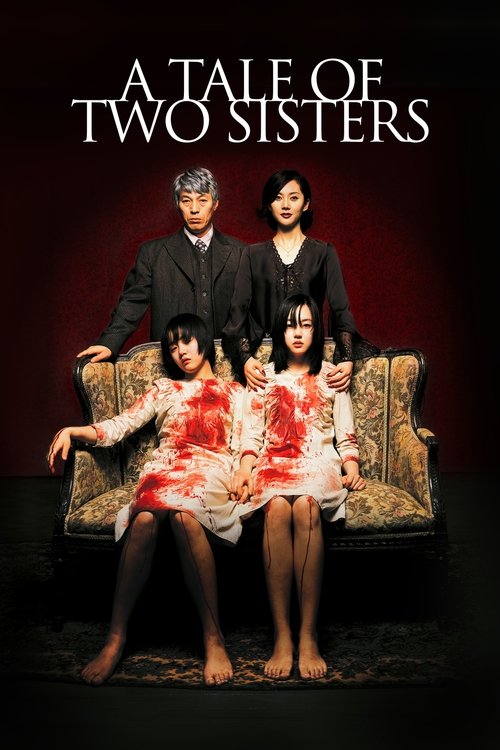
A Tale of Two Sisters2003
The gold standard of Korean domestic horror: a grieving family, an unreliable sense of what's real, and dread that builds through silence rather than jump scares.
But Structured like a puzzle box you're meant to rewatch — less satisfying if you want your ambiguity resolved in one sitting.
The wildcard
Something you would not have found on your own.
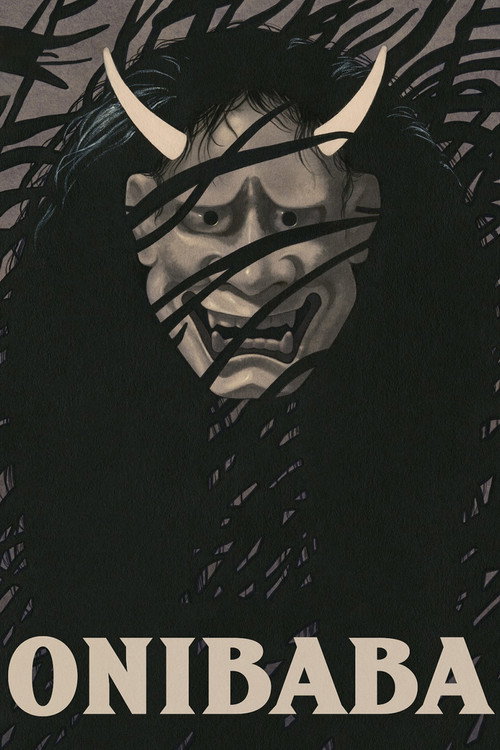
Onibaba1964
Both use rural isolation and a mask or possession to ask whether evil is supernatural or just what desperate people do to each other — Onibaba got there first, in 1964, with none of the genre comfort.
Two women in war-ravaged medieval Japan kill soldiers for their armor, until a demon mask starts changing one of them — stark black-and-white folk horror that invented the mood The Wailing is chasing, decades early.
But Silent-era pacing and no jump scares at all — this is dread as slow suffocation, not spectacle.
More like this (8)
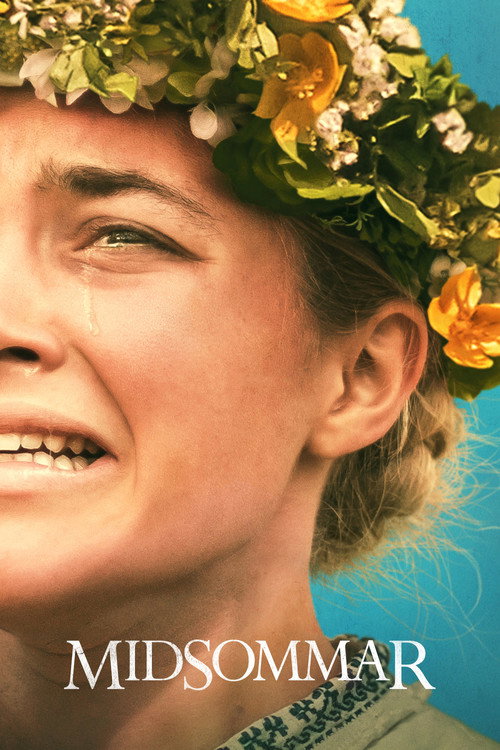
Midsommar2019
Trades Korean village superstition for Swedish pagan ritual, but the engine's the same: an outsider drawn into a community whose logic you only understand once it's too late.
But Glacially paced and drenched in daylight rather than dark — if you loved The Wailing's shadows, this brightness might feel wrong.
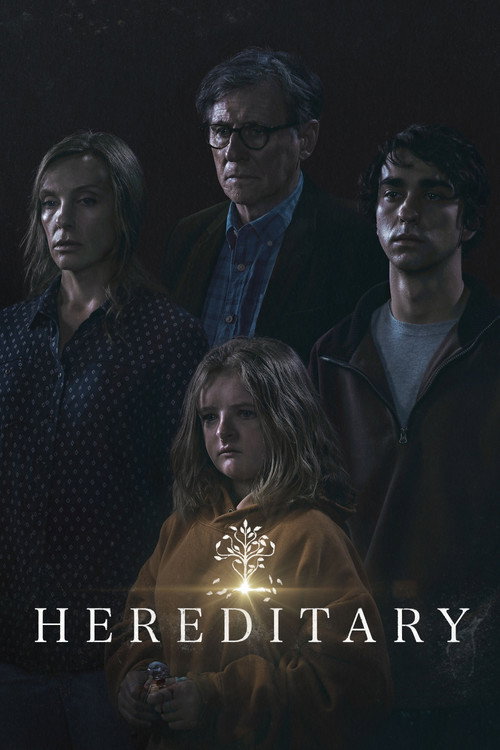
Hereditary2018
Family horror that treats grief and possession as the same illness, building toward a ritual climax with the same nerve-shredding refusal to look away.
But Even bleaker in its ending, with almost none of The Wailing's gallows humour to relieve the pressure.
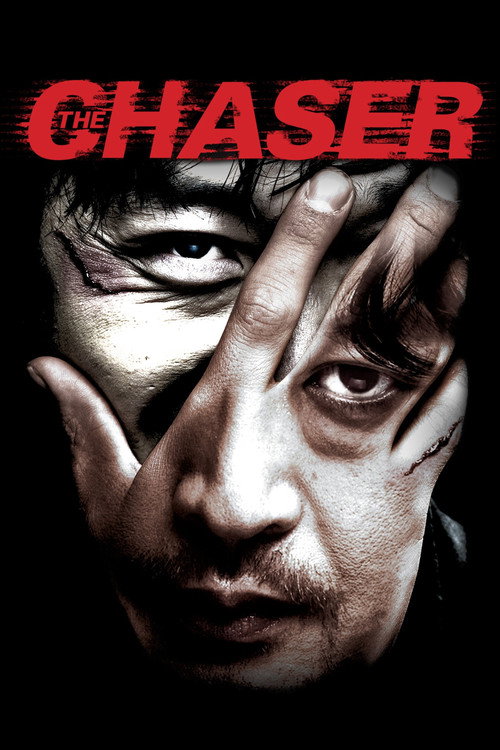
The Chaser2008
Another Korean thriller about a flawed man racing against time to save someone before an evil he doesn't fully understand catches up — queasy, relentless, morally messy.
But More straightforward crime thriller than horror-mystery, so the supernatural ambiguity you might be craving isn't really here.
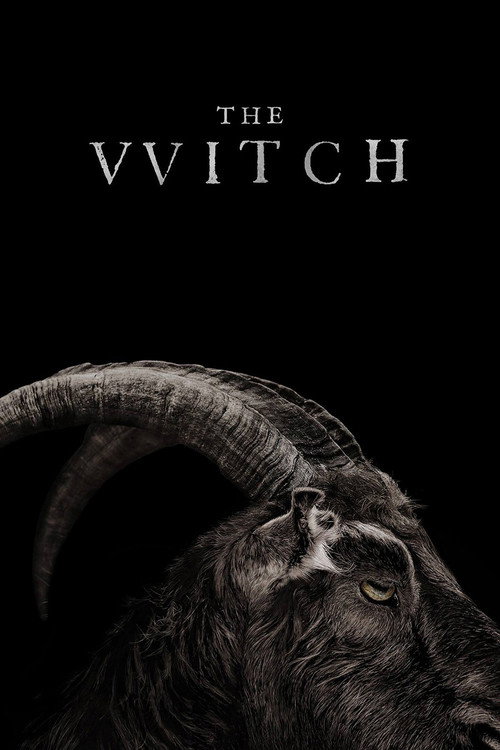
The Witch2016
Robert Eggers' Puritan nightmare shares The Wailing's core question — is this a curse, or is it a family destroying itself from paranoia? — down to the last unsettled frame.
But Archaic dialogue and a much colder, quieter register; little of the tonal whiplash or dark comedy.
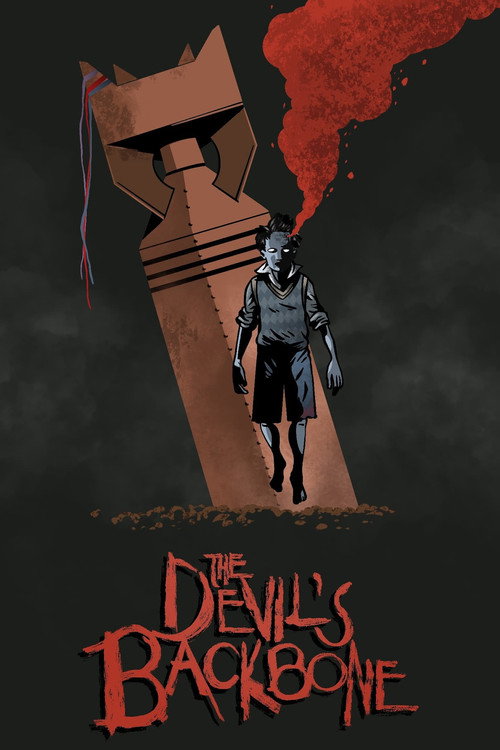
The Devil's Backbone2001
Del Toro's ghost story hides real-world horror — civil war, cruelty, orphaned children — inside its haunting, much like The Wailing hides plague and grief inside its demon plot.
But Slower and more melancholic, a ghost story rather than a plague-mystery, so expect sadness over dread.
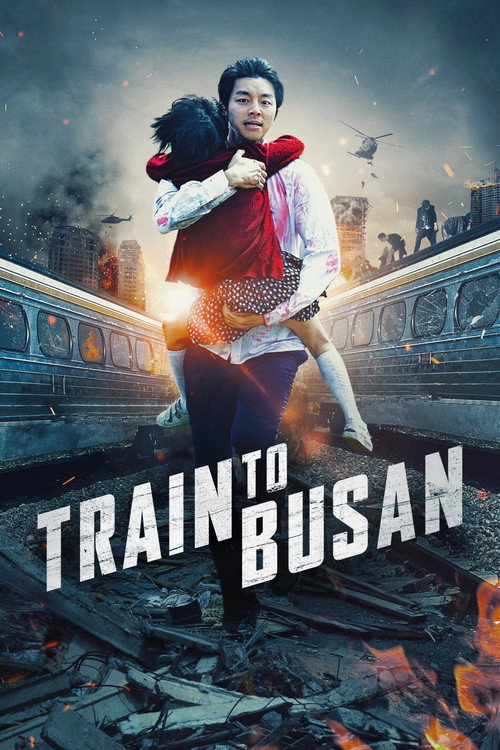
Train to Busan2016
The same year, the same country, a father fighting to protect his child against something that spreads like infection — just swap ambiguous evil for full-throttle zombies.
But Straightforwardly thrilling with a clear villain and clear rules — almost none of The Wailing's interpretive fog survives the transition.
Manshin: Ten Thousand Spirits2014no page yet
The exorcism at the centre of The Wailing isn't invented spectacle — it's a real Korean shamanic practice, and this film shows you the living tradition the fiction is drawing its power from.
A documentary about Kim Keum-hwa, one of Korea's most famous living shamans, showing the actual gut rituals The Wailing dramatizes — drumming, screaming, spirit possession, all real.
But It's a documentary with no horror-movie momentum; if you want scares rather than context, this will feel slow.
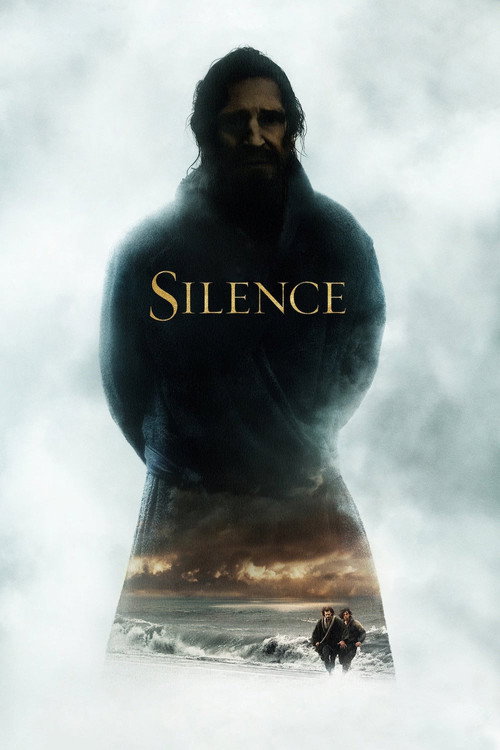
Silence2016
Both films strand a man between rival systems of belief — shaman, priest, policeman — forcing him to act on faith when he cannot actually tell good from evil until it's already too late.
Two Jesuit priests in 17th-century Japan face torture and doubt trying to tell faith from delusion, God's silence from His absence — Scorsese at his most austere and devastating.
But There's no genre pleasure here at all — no dread, no twist, just a long, punishing meditation on belief.
People
Cast
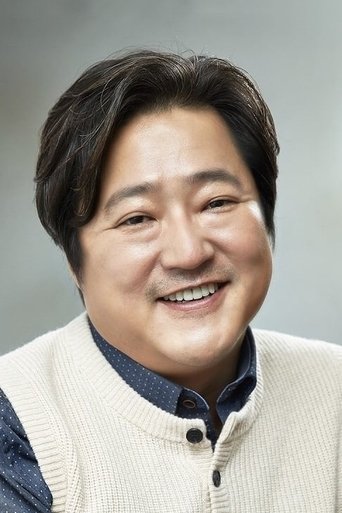 Kwak Do-wonJong-goo
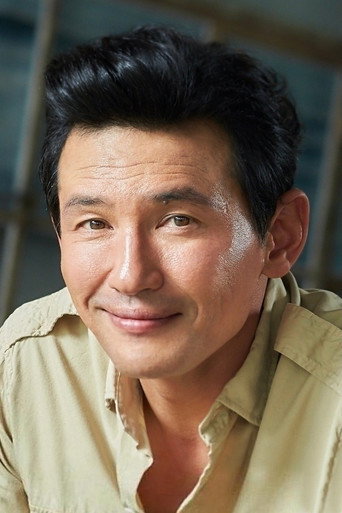 Hwang Jung-minIl-gwang
 Chun Woo-heeMoo-myeong
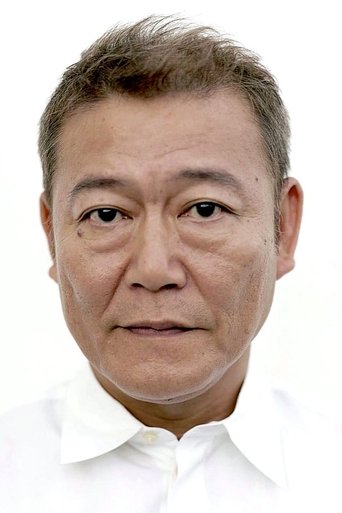 Jun KunimuraThe Stranger
 Kim Hwan-heeHyo-jin
 Heo JinMother-in-Law
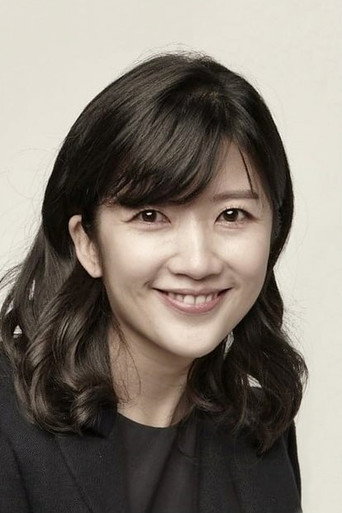 Jang So-yeonJong-goo's Wife
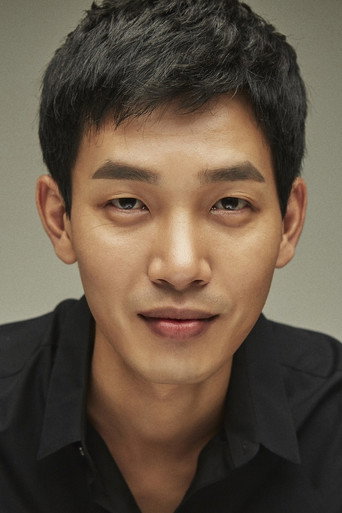 Kim Do-yoonYang Yi-sam
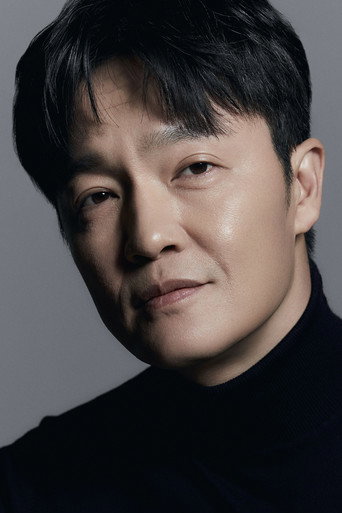 Cho Han-chulDetective
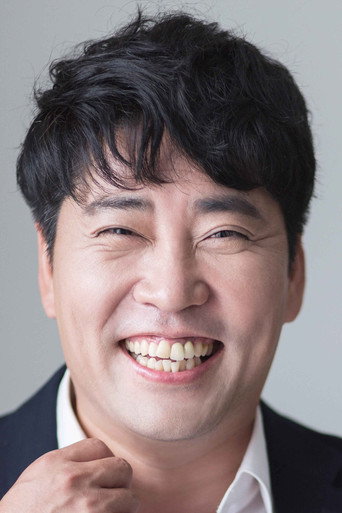 Son Kang-gookOh Sung-bok
 Park Seong-yeonKwon Myung-joo
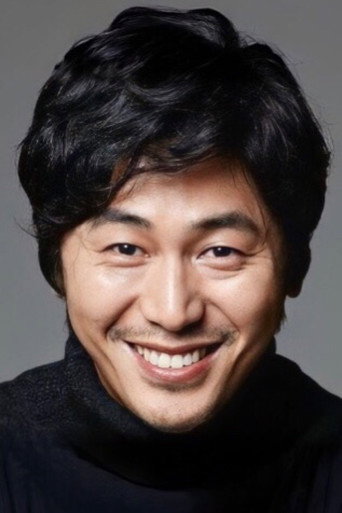 Bae Yong-geunPolice Officer
Directing
- Choi Cha-wonAssistant Director
- Na Hong-jinDirector
Writing
- Na Hong-jinWriter
Production
- Lee Sang-jinCasting Director
- John PenottiCo-Executive Producer
- Robert FriedlandCo-Executive Producer
- Kim Ho-sungExecutive Producer
- Suh Dong-hyunExecutive Producer
- Jeon MinLine Producer
- Lim Min-subProducer