
Film
Vidar the Vampire
- Urban fantasy
- Strange
A Norwegian absurdist horror-comedy about a pious farmer who wakes up as a vampire in Stavanger and must navigate existential crisis, addiction recovery, and urban alienation. It's deliberately weird, darkly funny, and interested in sin and redemption as genuine spiritual problems rather than punchlines. For viewers who want their horror genuinely strange and their comedy genuinely uncomfortable.
Should you watch it?
Watch it if you enjoy dry Scandinavian comedy that treats the supernatural with a straight face and lets its jokes about faith and temptation land slowly.
Skip it if you want tight scares or slick genre polish, because its gags can feel scattered and its horror rarely builds much dread.
What it asks of you: Its 83 minutes move in loose, episodic bursts, asking you to go along with its oddness rather than settle into a steady plot.
Not sure? Find tonight's pick in a minute.
If you liked this
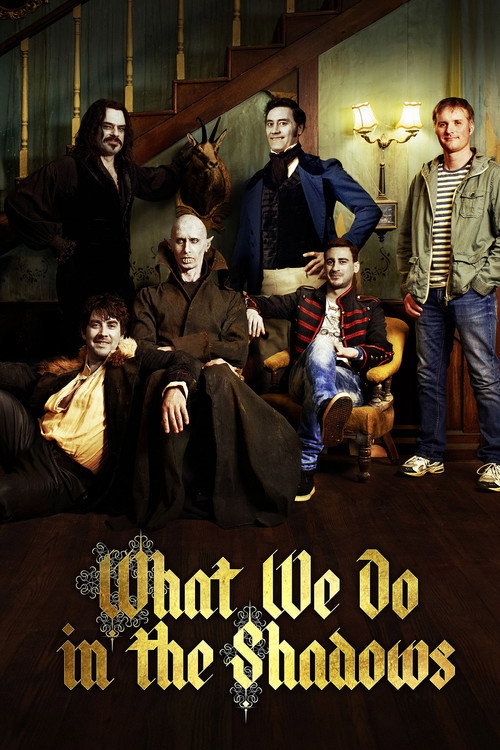
What We Do in the Shadows2014
A vampire comedy that finds horror in mundane domesticity and social awkwardness rather than jump-scares. Like Vidar, it treats the supernatural as a framework for exploring loneliness, purpose, and how we perform normalcy.
But It's a mockumentary style that can feel overly precious, and the humour relies heavily on uncomfortable silences that don't always land.
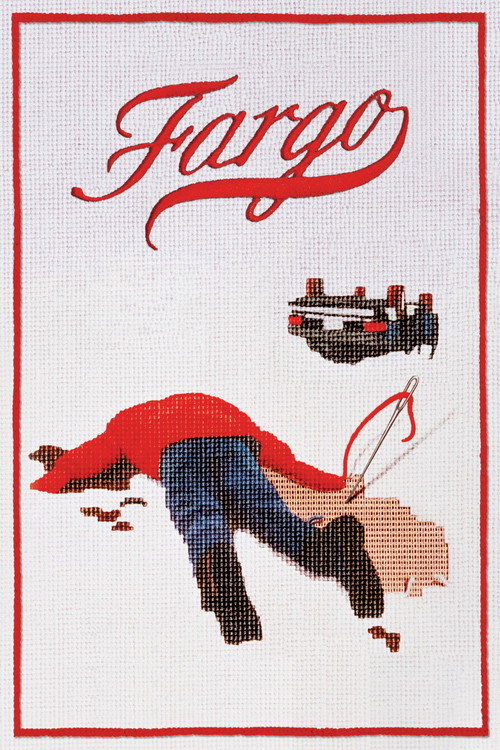
Fargo1996
Shares Vidar's dark comedy sensibility and its setting's provincial intensity. Both find the grotesque and hilarious in ordinary people confronting moral collapse in small communities.
But The pacing is deliberate and patient; if you need constant plot momentum, the slow-burn character study will frustrate you.
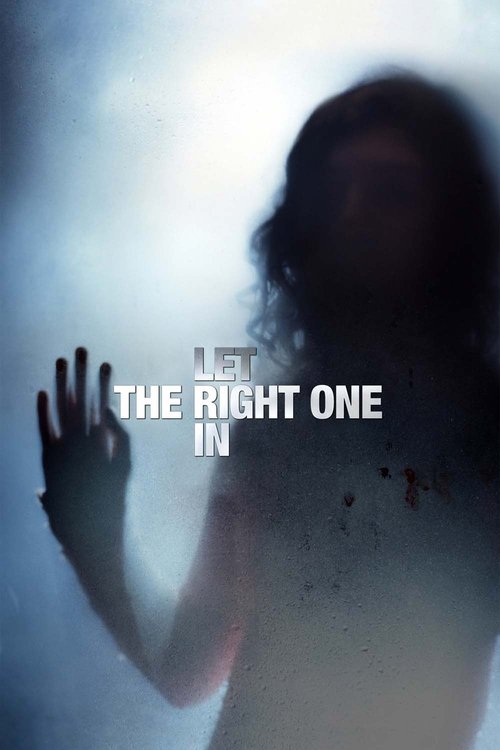
Let the Right One In2008
Swedish vampire film that treats the supernatural with genuine melancholy rather than spectacle. Both films are interested in what it means to be monstrous and lonely in a world that doesn't understand you.
But It's more austere and emotionally serious than Vidar; the comedy here is bleak enough to disappear entirely for long stretches.
Not sure tonight? Get a pick in a minute, starting from Vidar the Vampire
The wildcard
Something you would not have found on your own.
Synecdoche, New York2008
Both are about spiritual disintegration expressed through impossible premises; both treat their central character's crisis as genuinely unsolvable.
A man's elaborate theater project becomes indistinguishable from reality and madness. Both films explore how performance, identity, and redemption collapse when you look too closely. Vidar wakes up as a different person; here, a person tries to create a different world and discovers he's trapped in his own mind instead.
But Deliberately confusing narrative structure and suffocating emotional density. It's a film that punishes inattention and rewards repeated viewing, but most viewers feel exhausted rather than satisfied.

More like this (8)
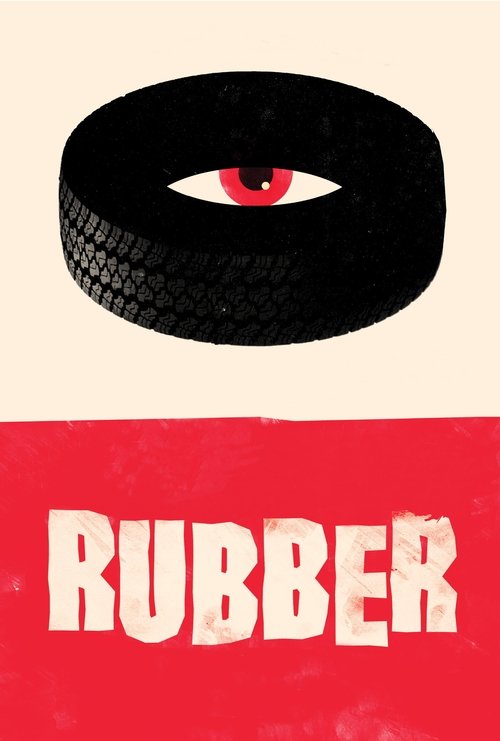
Rubber2010
Absurdist French horror about a sentient tire. Like Vidar, it's committed to its ridiculous premise without apology, finding genuine unease and philosophy in something completely illogical.
But It's purely experimental with no conventional narrative structure. If you need plot coherence, you'll find it exhausting rather than liberating.
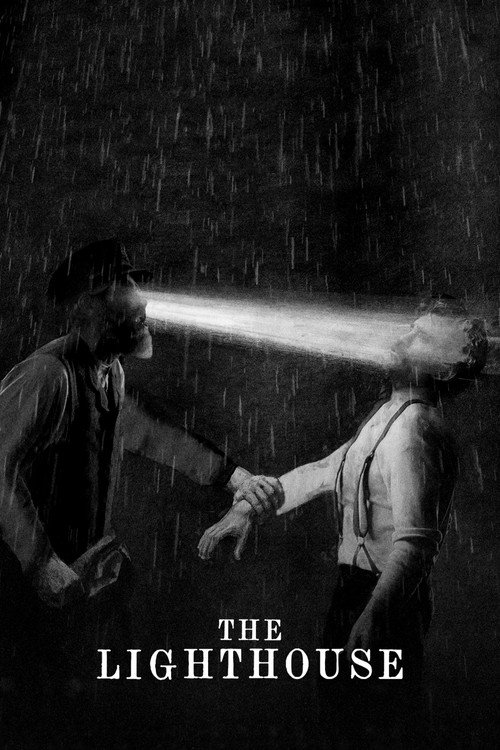
The Lighthouse2019
Two men isolated with psychological and spiritual deterioration, shot in an alienating aspect ratio. Both films are interested in obsession, delusion, and the cruelty of being trapped with yourself.
But Black and white 4:3 ratio and heavy, mannered dialogue can feel pretentious. The psychological horror builds very slowly.
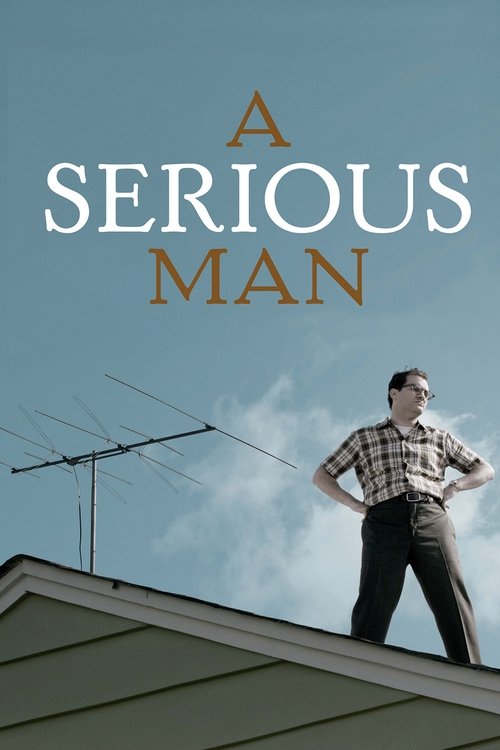
A Serious Man2009
Coen Brothers dark comedy about a man's crisis of faith and meaning in a Midwestern Jewish community. Shares Vidar's tone: searching spiritually while everything collapses into absurdity.
But The ending refuses to resolve anything; if you want catharsis or answers, you'll feel cheated.
Possession1981
Polish horror about psychological breakdown and demonic chaos that blurs reality and metaphor. Both films treat supernatural elements as expressions of internal spiritual crisis rather than external threats.
But Deliberately incoherent, with graphic body horror and a marriage imploding in real time. It's genuinely difficult to watch.

Under the Skin2014
Slow, hypnotic science fiction about an alien predator moving through Scotland. Like Vidar, it's about being fundamentally other in a mundane landscape, with a deadpan tone that's both funny and terrifying.
But Almost no dialogue, minimal plot, and long static shots. For many viewers, 'meditative' reads as 'glacially slow.'

The Wailing2016
Korean horror that treats faith, doubt, and spiritual contamination with genuine weight. Both films ask whether salvation and damnation are real forces or psychological projections.
But Nearly three hours long with an ending that actively refuses to clarify what you've watched. Rewarding only if ambiguity excites rather than frustrates you.

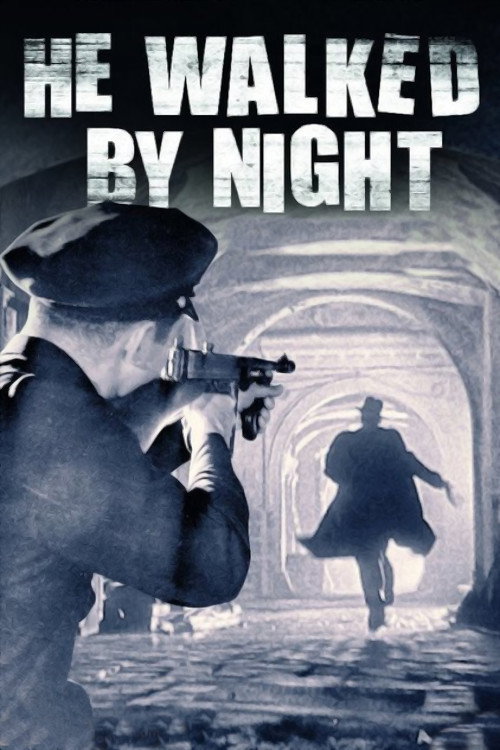
He Walked by Night1949
Both films treat spiritual possession as inseparable from social and economic collapse; both ask whether faith survives when the world doesn't care about your salvation.
Brazilian horror about a woman terrorized by a possessing spirit, told with visceral realism and anthropological attention to rural folk belief. Where Vidar finds comedy in faith crisis, this finds horror in the same collision between Christian doctrine and lived spiritual experience. Radically different register, same theological wound.
But Shot on digital with naturalistic dialogue and extreme body horror. The poverty and violence are not aestheticized; it's uncomfortable to watch and offers no comic relief.
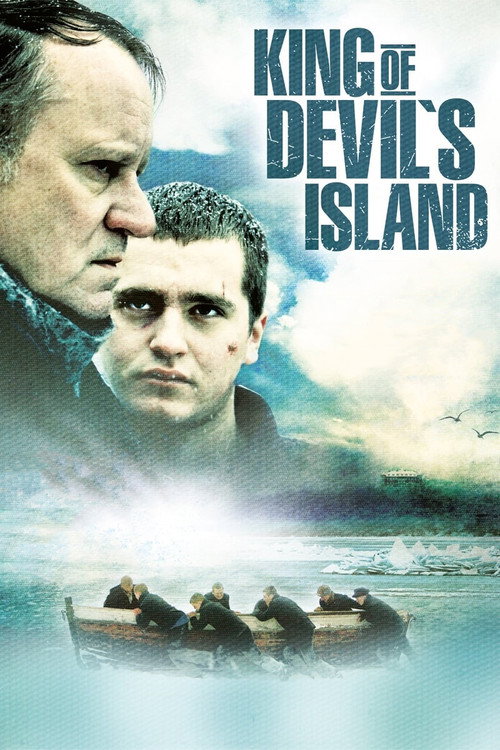
King of Devil's Island2010
Both explore how Norwegian Christian culture produces spiritual damage; Vidar makes it absurdist comedy, this makes it brutal documentary of the wound underneath.
Norwegian film about boys in a brutal institutional Christian home in the 1950s. Vidar is a Scandinavian absurdist fantasy; this is Scandinavian social realism. Both are deeply interested in Norwegian religious culture as a system that produces shame, isolation, and spiritual crisis. Essential context for understanding where Vidar's spiritual desperation comes from.
But Harrowing depiction of child abuse and institutional cruelty. It's important but not cathartic; you will not feel better after watching.
People
Cast
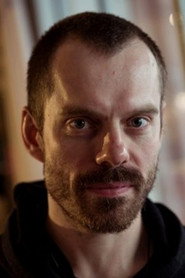 Thomas Aske BergVidar Hårr
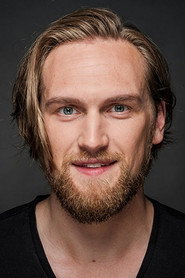 Brigt SkrettinglandJesus
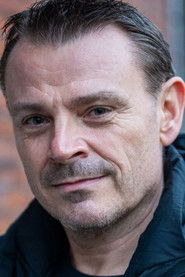 Kim SønderholmPsychologist
 Henrik RafaelsenTor Magne Abrahamsen
- Marit SandenKristin Hårr
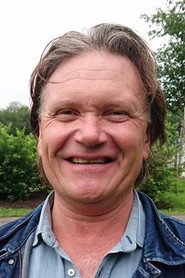 Espen HanaAA Chairperson
- Isabelle CauSuccubus
- Penda FaalWhore of Babylon 1
- Camilla ThorvaldsenWhore of Babylon 2
- Ingvar SkrettingArne Friestad
- Fredrik WaldelandJohn Douche
Directing
- Fredrik WaldelandDirector
- Thomas Aske BergDirector
Writing
- Fredrik WaldelandWriter
- Thomas Aske BergWriter
Production
- Thomas Aske BergProducer