
Film
King of Devil's Island
- Prison
- Period drama
- Very dark
A brutal Norwegian institution for juvenile delinquents erupts in rebellion when a new boy's determination sparks collective resistance. Unflinching and darkly gripping, this 1915-set thriller traces how systematic cruelty produces its own reckoning. For viewers who prize emotional authenticity over comfort and aren't squeamish about depicting institutional violence.
Should you watch it?
Watch it if you want a prison-break story driven by a cold, sadistic institution and a boy's stubborn plan, told with the grit of a period crime film rather than sentiment.
Skip it if the cruelty on screen is relentless and the film dwells on brutality, so if you need breathing room between scenes, its grim weight may wear you down.
What it asks of you: It runs about two hours and builds slowly, lingering in cold winter air and long silences, so it rewards steady attention over quick thrills.
Not sure? Find tonight's pick in a minute.
If you liked this
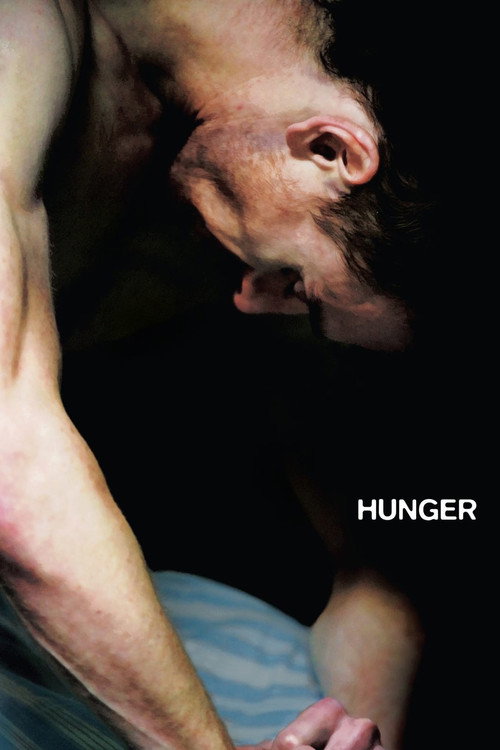
Hunger2008
Steve McQueen's debut strips away narrative flourish to show prison brutality through unbearable specificity. A hunger strike becomes a moral absolute. If you admired King of Devil's Island's refusal to flinch, this goes further.
But Nearly plotless and deliberately punishing. Long static takes of suffering with minimal dialogue will feel glacial if you prefer momentum.
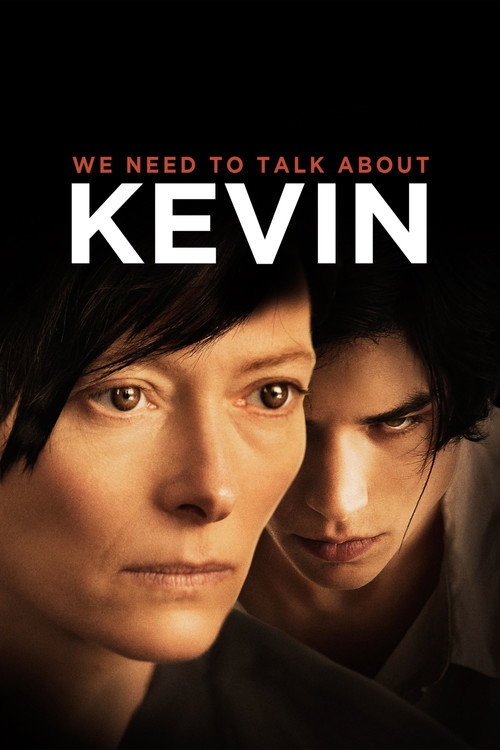
We Need to Talk About Kevin2011
Explores institutional and parental failure to prevent catastrophe. Like Devil's Island, it's a brutal character study about how systems crush children. Tilda Swinton is unforgettable. Morally serious and visually striking.
But Centers on a child's act of mass violence. Deliberately traumatic and makes heavy emotional demands. Not cathartic.
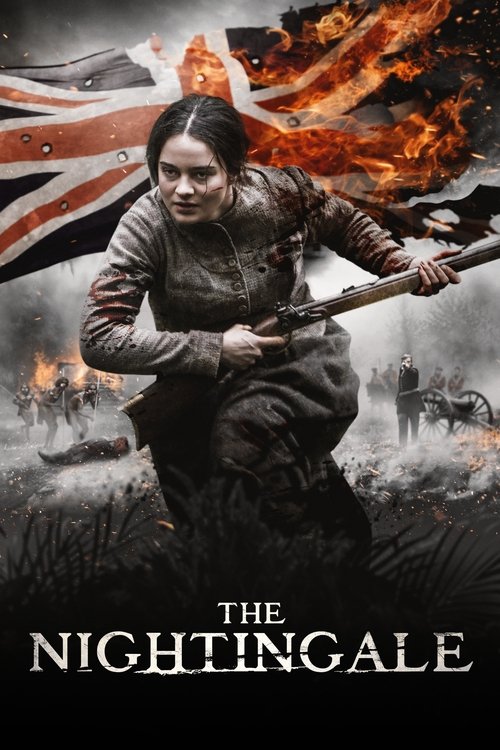
The Nightingale2018
Tasmanian revenge story set during colonial oppression. Shares Devil's Island's commitment to showing institutional violence without softening it, and its vision of the powerless reclaiming agency through uprising.
But Extremely graphic sexual violence depicted unflinchingly. Punishing film that some will find exploitative rather than necessary.
Not sure tonight? Get a pick in a minute, starting from King of Devil's Island
The wildcard
Something you would not have found on your own.
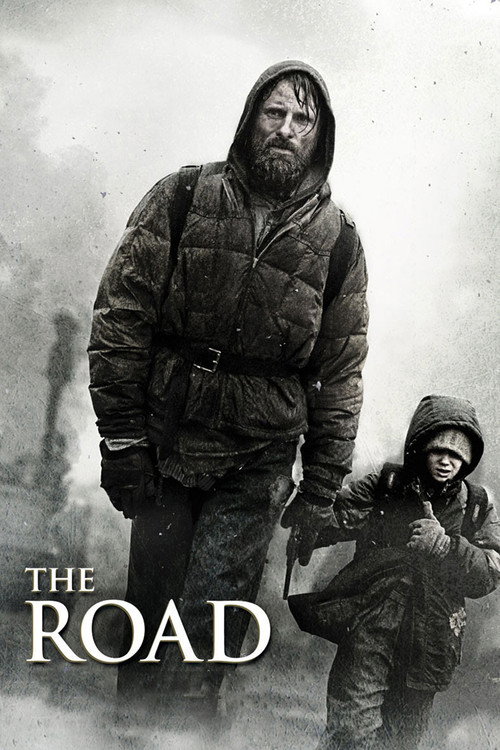
The Road2009
Both strip away narrative comfort to show how humans survive institutional collapse. Neither offers redemption as relief—only as a choice made amid ruin.
Cormac McCarthy's post-apocalyptic novel adapted with unflinching restraint. A father and son navigate a dead world; institutional failure is total. Like Devil's Island, it refuses sentimentality about brutality and shows how love survives cruelty.
But Aggressively bleak. Grey, ashy, joyless cinematography. No plot reversals, just endurance. Most people find it unbearable rather than moving.
More like this (7)
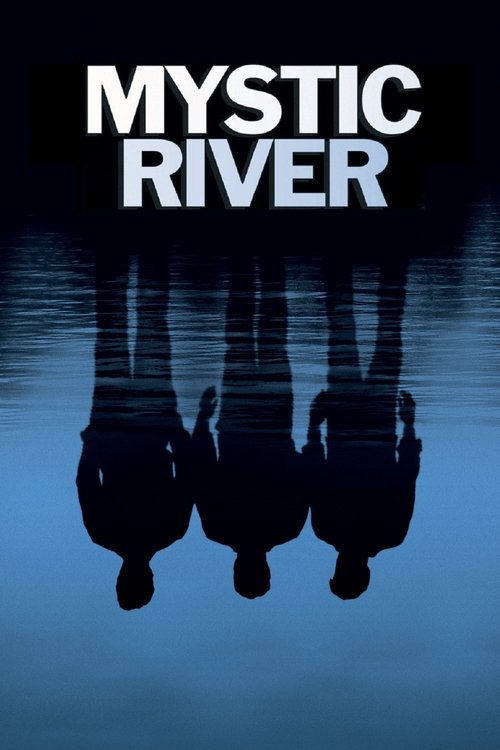
Mystic River2003
Clint Eastwood's masterpiece about how trauma institutions inflict on children ripples into adulthood. Three men haunted by childhood abuse; one becomes a killer. Thematically aligned with Devil's Island's exploration of cruelty's cost.
But A detective procedural that moves slowly. If you want tight plotting over character archaeology, this dawdles.
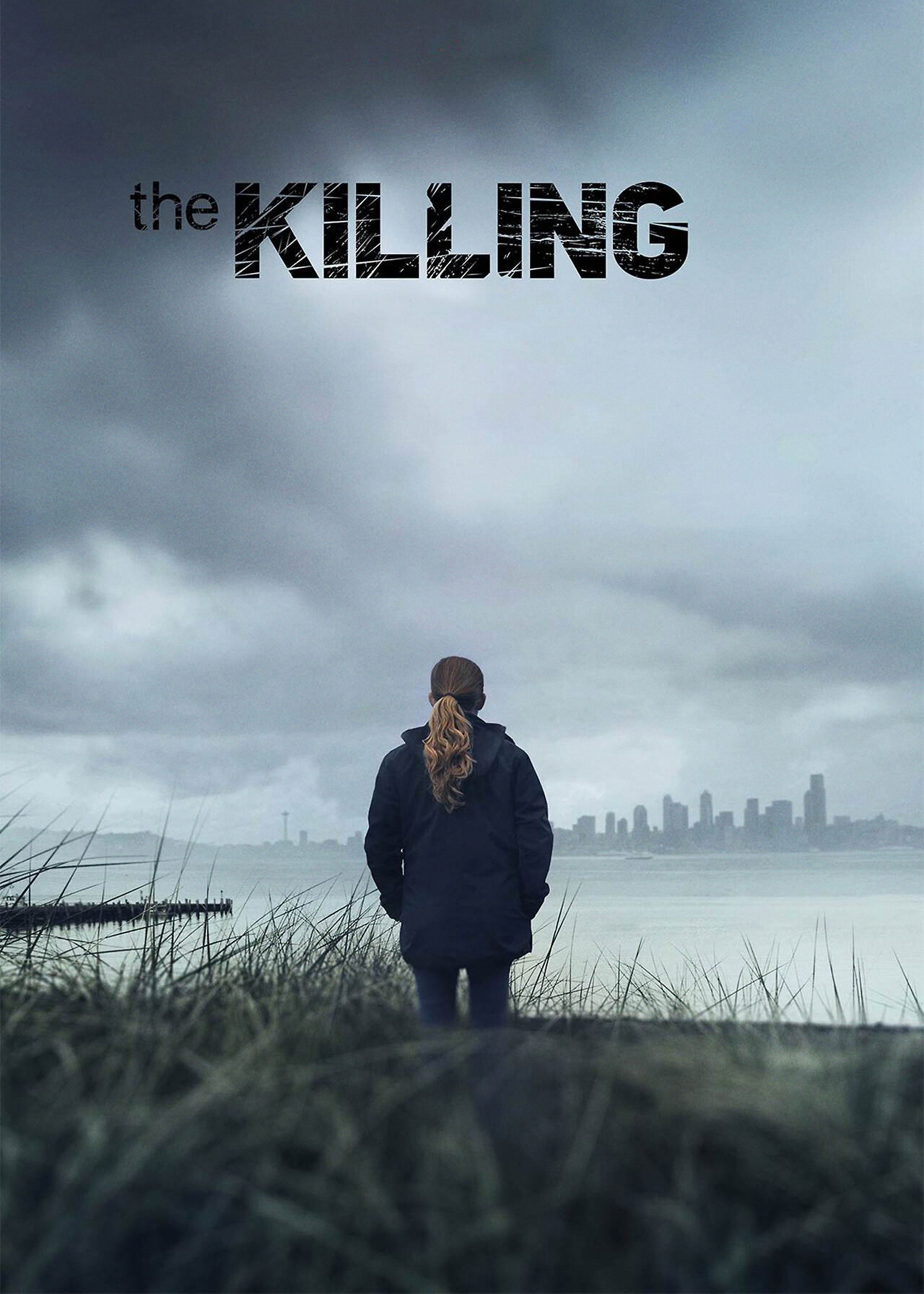
The Killing2011
Danish crime series about institutional failure and moral corruption. Shares Devil's Island's cold Nordic aesthetic and its belief that systems, not individuals, breed violence. Absolutely gripping over 20 episodes.
But Requires commitment to a long arc. Subtitles, bleak Danish weather, and a murder mystery that witholds satisfaction for seasons.
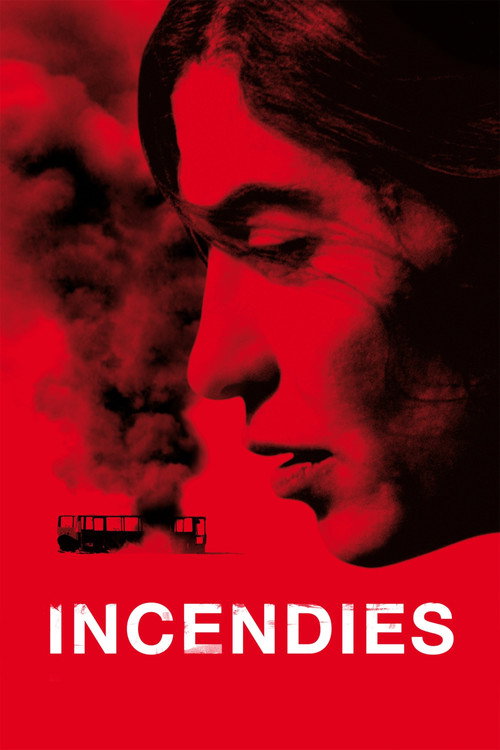
Incendies2010
Denis Villeneuve's shattering study of institutional violence and war's effects on children. A mother's past and her children's search for truth unfolds with crushing inevitability. Shares Devil's Island's moral clarity about cruelty.
But Emotionally devastatingly. Structured as a mystery, so discussing why would spoil it. Some will find it manipulative.
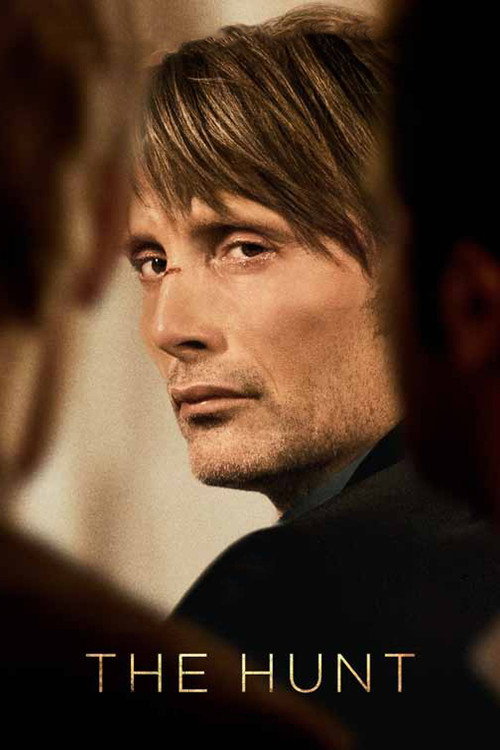
The Hunt2012
Mads Mikkelsen in a Danish psychological thriller about institutional and social cruelty. A false accusation unravels a man and a community. Like Devil's Island, it examines how institutions protect themselves over truth.
But Painfully bleak with no redemptive arc. If you're watching for catharsis, you'll be disappointed. Subtitles required.
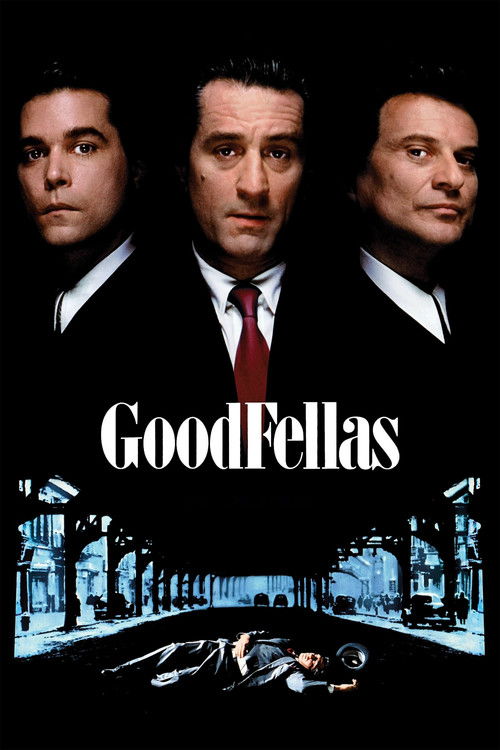
GoodFellas1990
Scorsese's kinetic portrait of institutional criminality and loyalty. Like Devil's Island, it shows how groups form moral universes where cruelty becomes normal. Darkly funny and propulsive where Devil's Island is grave.
But Tonally opposite: gleeful and energetic rather than grim. If you want that cold Nordic seriousness maintained, this will feel frivolous.
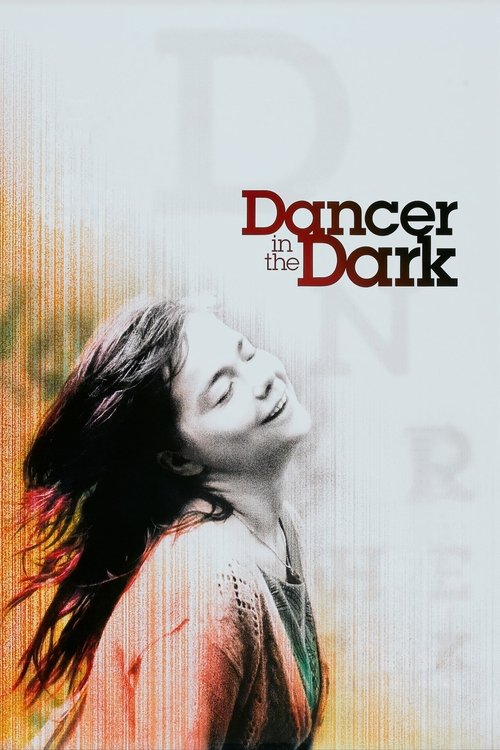
Dancer in the Dark2000
Both use ensemble casts and institutional settings to show how individual cruelty becomes collective inevitability. Both are unflinchingly about powerlessness.
Lars von Trier's Selma Dreßler as a woman destroyed by economic and legal systems. Musicals interrupt her tragedy. Devastating portrait of institutional inevitability. Like Devil's Island, it shows how systems eat people.
But A musical where the songs don't relieve the darkness—they intensify it. Björk's raw emotion will either move you or embarrass you. Extremely bleak ending.
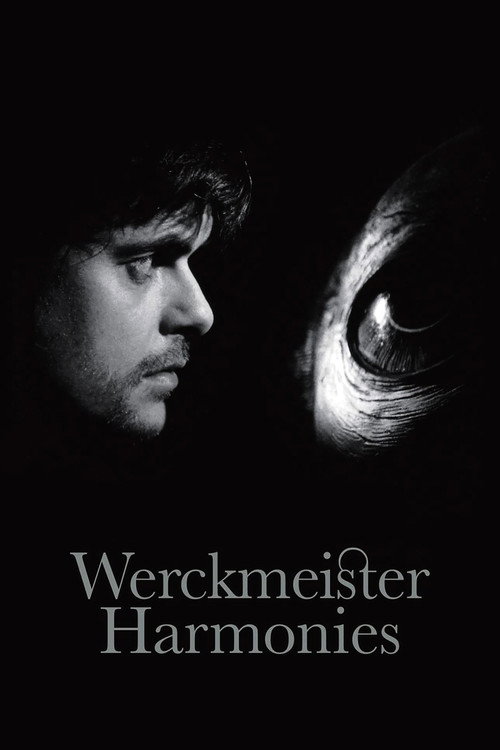
Werckmeister Harmonies2001
Both depict the sudden catastrophic breakdown of order when a system loses its moral justification. Both use institutional settings as microcosms for larger social collapse.
Béla Tarr's Hungarian apocalypse: a whale arrives in a provincial town, social order collapses. Shot in sumptuous black and white, long takes. Allegorical where Devil's Island is literal, but shares its vision of institutions crumbling when grace vanishes.
But Nearly three hours of slow, hypnotic cinema with minimal plot. No dialogue for stretches. If you need conventional storytelling, this will test your patience severely.
People
Cast
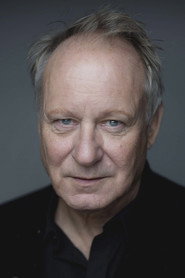 Stellan SkarsgårdBestyrer Håkon
 Benjamin HelstadErling / C-19
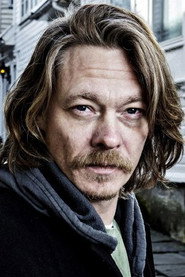 Kristoffer JonerHusfar Bråthen
 Trond NilssenOlav / C-1
- Morten LøvstadØystein
- Daniel BergJohan
- Magnar BottenLillegutt
- Magnus LangleteIvar / C-5
- MarkusBrustad
- Tommy Jakob HålandTerje
Directing
- Marius HolstDirector
- Hans-Jørgen OsnesFirst Assistant Director
- Kieron PhippsFirst Assistant Director
- Marcin ŁomnickiFirst Assistant Director
- Trevor PuckleSecond Assistant Director
- Bruce ParramoreSecond Unit Director
- Margit KorbeThird Assistant Director
- Steffen LefortThird Assistant Director
Writing
- Dennis MagnussonScreenplay
- Eric SchmidScreenplay
- Lars Saabye ChristensenStory
- Mette M. BølstadStory
Production
- Kristjan PütsepAssistant Location Manager
- Piret Toomvap-SchönbergCasting
- Hiie FlussCasting Assistant
- Ewa PuszczyńskaCo-Producer
- Piotr DzięciołCo-Producer
- Aagot SkjeldalExecutive Producer
- Edward A. DreyerExecutive Producer
- Håkon ØveråsExecutive Producer
- Lars Andreas HellebustExecutive Producer
- Pål SletauneExecutive Producer
- Pias SembExecutive Producer
- Stellan SkarsgårdExecutive Producer
- Turid ØversveenExecutive Producer
- Vibeke WindeløvExecutive Producer
- Pille RünkLine Producer
- Sanne GlæselLine Producer
- Karin JulsrudProducer
- Liina PriiProduction Assistant
- Claus WilladsenProduction Manager
- Inga KrukProduction Manager
- Johanna TrassProduction Manager