
Film
The Nightingale
Jennifer Kent's follow-up to The Babadook swaps haunted houses for the Tasmanian wilderness, and it's punishing. A convict woman and an Aboriginal tracker cross colonial-era Australia's brutal frontier, each carrying grief the other doesn't fully understand. It's a revenge story with no catharsis on offer — slow, exhausting, morally serious, and made to be hard to sit through. Not comfort viewing.
Should you watch it?
Watch it if you want a revenge story that treats its violence as a moral weight rather than spectacle, and you don't mind sitting with characters whose wounds are colonial and personal alike.
Skip it if the brutality is unflinching and the running time of over two hours asks a lot of patience, so if you need relief from grim scenes, look elsewhere.
What it asks of you: Long at 136 minutes and often slow to breathe, it lingers in hard landscapes and harder silences, so it wants steady attention rather than background viewing.
Not sure? Find tonight's pick in a minute.
If you liked this
Hostiles2017
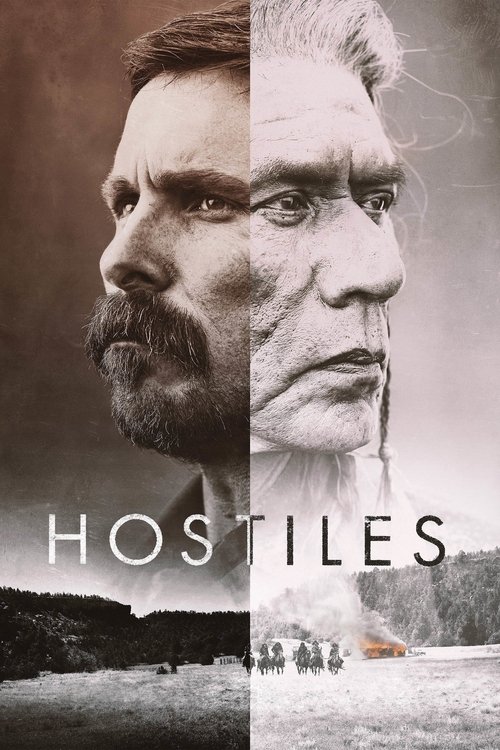
Christian Bale leads a punishing cavalry escort through hostile 1890s territory, wrestling with the violence he's inflicted and the violence still coming for him — the same queasy colonial reckoning, just west instead of south.
But Similarly bleak and slow; if Nightingale wore you out, this offers no relief.
Sweet Country2018
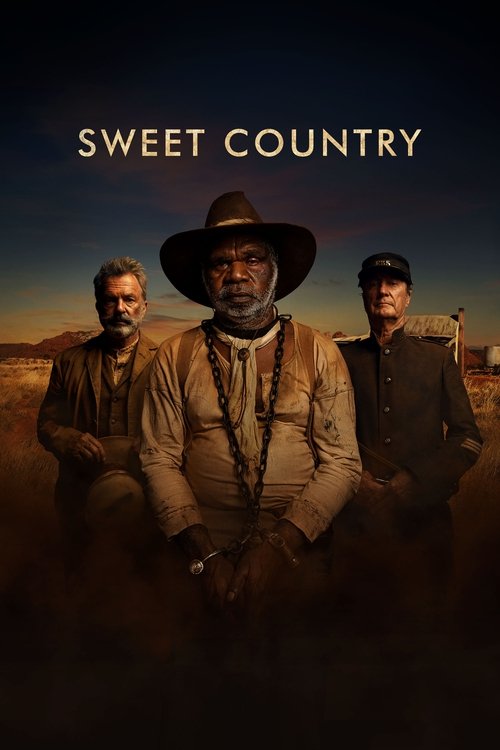
Same continent, same century, same unflinching gaze at frontier injustice — an Aboriginal stockman's flight through the outback after killing in self-defence, shot with the same unhurried dread.
But Even sparer and more austere, with little dialogue and no genre comfort to hide behind.
The Proposition2005
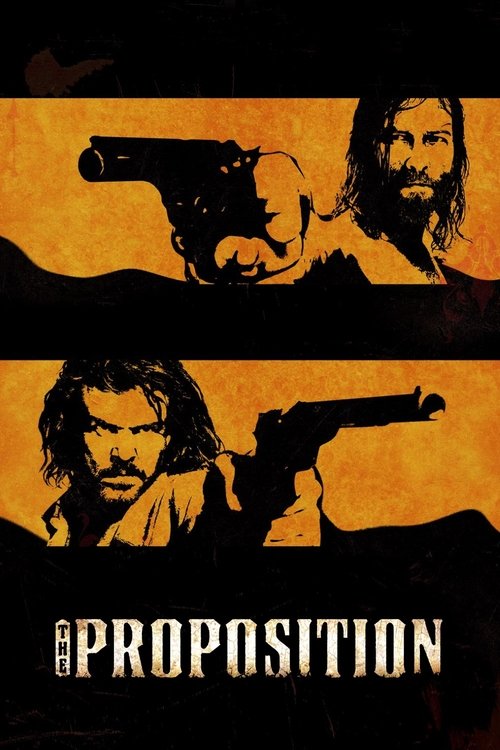
John Hillcoat's Australian outback western is just as savage, with Guy Pearce hunting his own brother through country that doesn't care who's righteous. Nick Cave's script carries the same moral rot.
But Extremely violent, and its bleakness can tip into nihilism rather than mourning.
Not sure tonight? Get a pick in a minute, starting from The Nightingale
The wildcard
Something you would not have found on your own.
The Virgin Spring1960
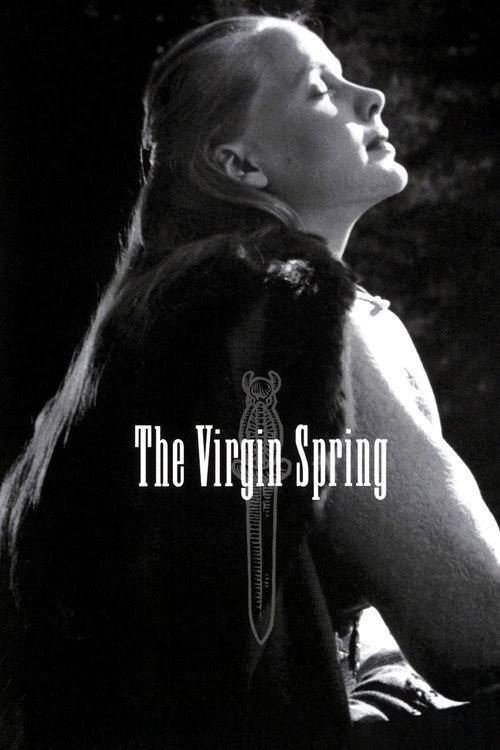
The Nightingale's structure — assault, grief, an avenger's journey toward reckoning — is essentially Bergman's template, stripped of colonial politics and set in medieval Sweden instead of Tasmania.
Bergman's stark black-and-white parable follows a father's reckoning after his daughter is raped and murdered — the same collision of faith, violence and vengeance, decades before rape-revenge became a genre at all.
But Slow, austere, subtitled 1960s art cinema with no genre pacing to lean on.
More like this (8)
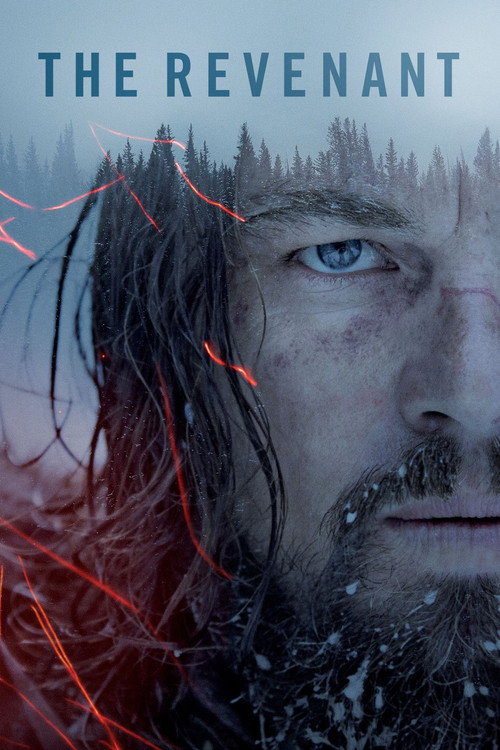
The Revenant2015
Trade the rainforest for snow and you get the same engine — a wronged man dragging himself through unforgiving wilderness purely on the fuel of vengeance, filmed with punishing physicality.
But More spectacle-driven and Oscar-baity, more interested in survival as endurance test than in politics.
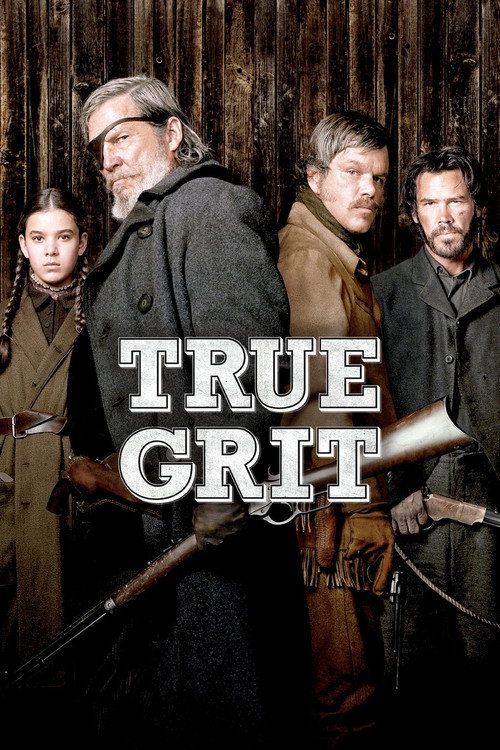
True Grit2010
A young woman refuses to let a man's crime go unanswered and drags a reluctant companion into the wild to see it through — drier and funnier than Nightingale, but the steel underneath is identical.
But Considerably lighter in tone; if you wanted more grimness, this will feel almost gentle.
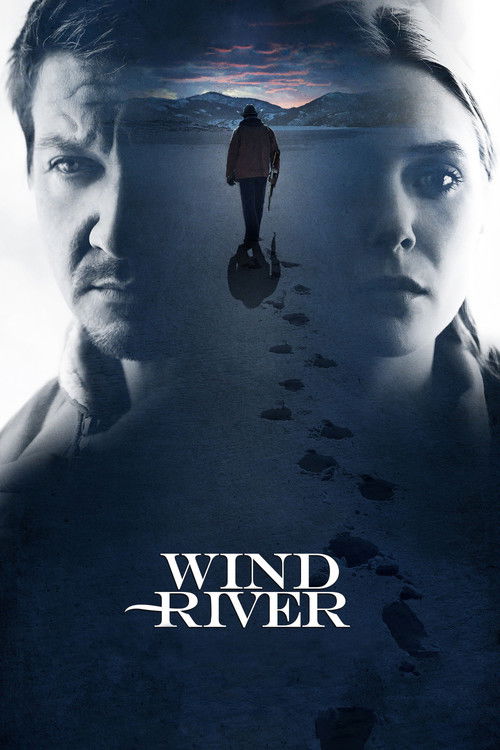
Wind River2017
Set on a modern reservation, this keeps the same fury about violence against indigenous women and the men who fail to answer for it, filtered through a snowbound thriller.
But The present-day setting changes the texture entirely — less historical weight, more procedural.
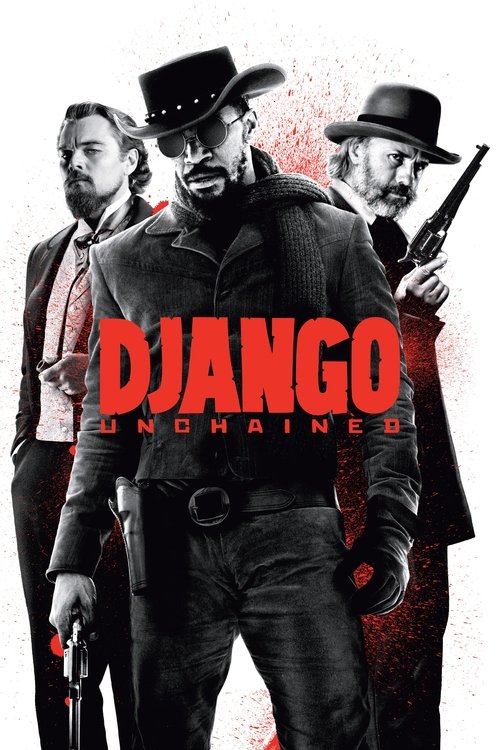
Django Unchained2012
Same fuel — someone hunting the men who destroyed their family — but rendered as pulpy, stylised catharsis instead of grim realism. Tarantino's slavery-era revenge western delivers it loud.
But Tonally almost opposite: gleeful, cartoonish violence where Nightingale offers none at all.
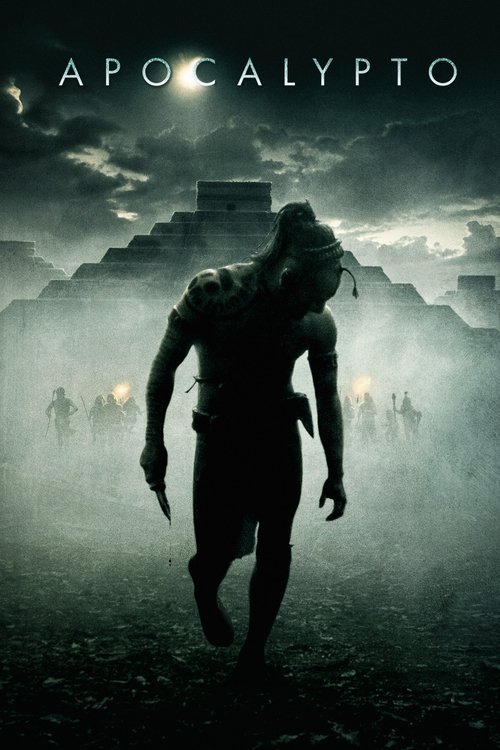
Apocalypto2006
Mel Gibson's relentless chase through the Mesoamerican jungle has the same stripped-down structure — hunted, then hunting, propelled purely by survival and revenge, shot with unbearable tension.
But Gibson's authorship is a real sticking point for some, and the violence is even more graphic.
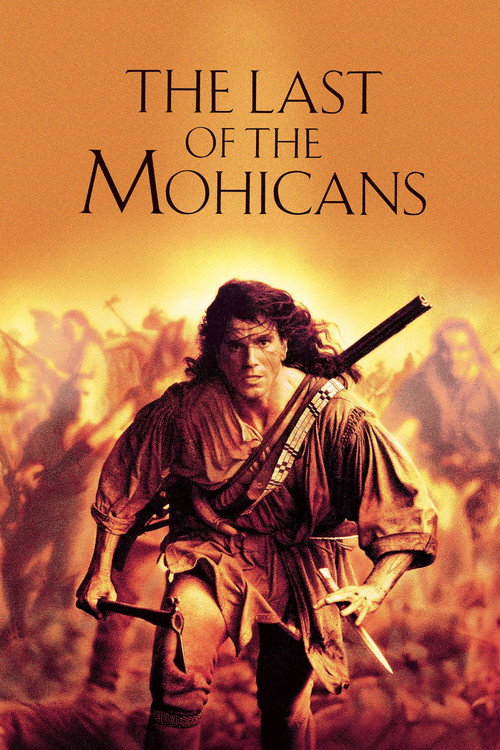
The Last of the Mohicans1992
An earlier, more romantic take on colonial frontier violence — war, massacre, and a chase through beautiful, dangerous wilderness, with Daniel Day-Lewis at his most commanding.
But Far more classically heroic and swoony; it wants to sweep you up, not implicate you.
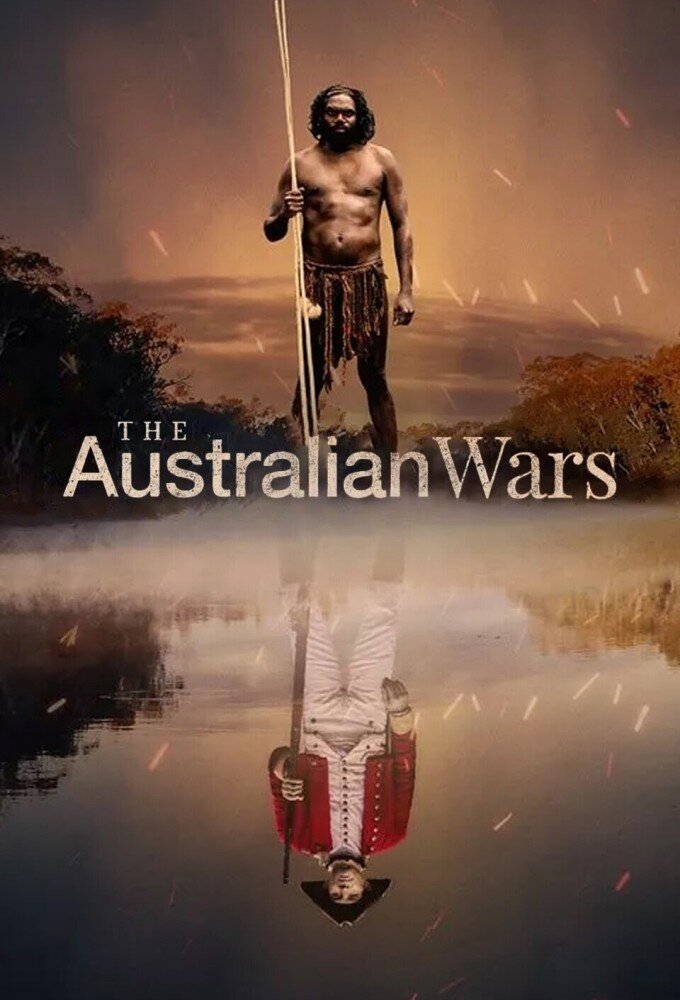
The Australian Wars2022
Watch it and The Nightingale stops looking like exaggeration and starts looking like understatement — its violence is drawn directly from this documented history.
A documentary series that lays out, plainly and with testimony, the actual frontier conflict Kent's film dramatises — the massacres, the resistance, the sheer scale of it, told by historians and descendants.
But It's a history lesson, not drama; no narrative pull, just accumulating, grim fact.
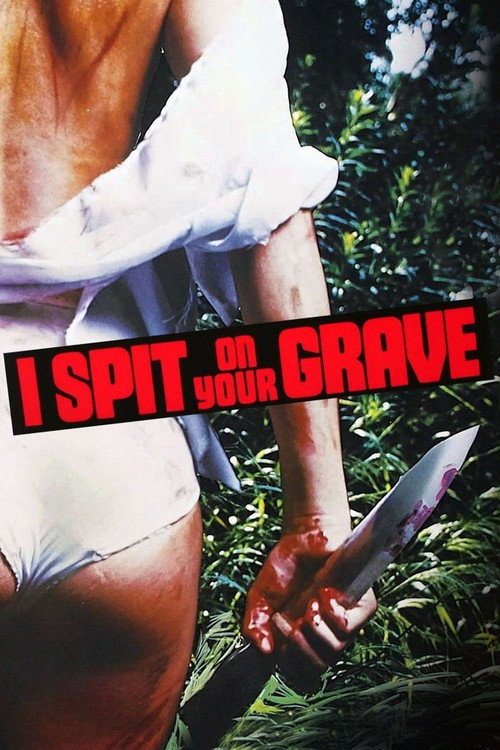
Day of the Woman1978
Strip away Nightingale's history and moral seriousness and you're left with this: the rape-revenge template in its purest, trashiest form, showing what the genre looks like without a conscience attached.
The rawest version of the same premise exists: a woman brutalised, then hunting the men responsible one by one, no historical framing, no subtlety — just the engine at its most exposed.
But Grubby, exploitative 1970s horror with none of Kent's craft or conscience — upsetting for the wrong reasons entirely.
People
Cast
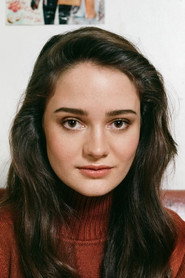 Aisling FranciosiClare
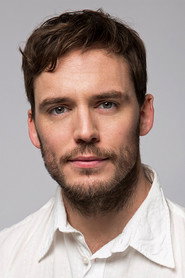 Sam ClaflinHawkins
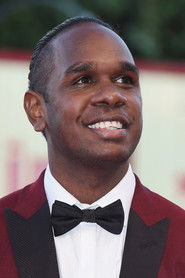 Baykali GanambarrBilly
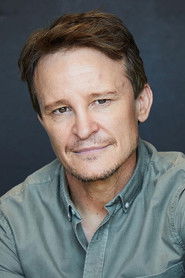 Damon HerrimanRuse
 Harry GreenwoodJago
 Ewen LeslieGoodwin
 Charlie ShotwellEddie
 Michael SheasbyAidan
 Matthew SunderlandDavey
 Magnolia MaymuruLowanna
 Christopher StolleryMajor Bexley
 Nathaniel DeanStoakes
Directing
- Jennifer KentDirector
- Chris WebbFirst Assistant Director
- Susie StruthScript Supervisor
- Killian MaguireSecond Assistant Director
- Jay CorryThird Assistant Director
Writing
- Lynne Vincent McCarthyScript Editor
- Jennifer KentWriter
Production
- Jim EverettAssociate Producer
- Nikki BarrettCasting
- Kelly GrahamCasting Assistant
- Aaron L. GilbertExecutive Producer
- Alison CohenExecutive Producer
- Andrew PollackExecutive Producer
- Ben BrowningExecutive Producer
- Brenda GilbertExecutive Producer
- Jason ClothExecutive Producer
- Gerard WebbExtras Casting
- Jane BinningExtras Casting
- Kristin KrugerFirst Assistant Accountant
- Amanda CrittendenLine Producer
- Breanna GeerLocation Coordinator
- Peter HicksLocation Manager
- Bruna PapandreaProducer
- Jennifer KentProducer
- Kristina CeytonProducer
- Steve HutenskyProducer
- Mark KrausProduction Accountant
- Hannah AndrewsProduction Coordinator
- Jacqueline LippettProduction Coordinator
- Wade SavageProduction Manager
- Philippa KennedyProduction Secretary
- Kim BostockUnit Manager
Recommended by
The Look of Silence, The Beguiled, The Proposition, Dracula, Mass, Lady Macbeth, American Son, A Syrian Love Story, Utøya: July 22, Three Girls, Jindabyne, Day of the Woman, Thank You for Your Service, Five Minutes of Heaven, The White Princess, A War, Tsunami: The Aftermath, Sweet Country, Birdsong, Nanny, Revenge, The Essex Serpent, Wuhan Wuhan, I Spit on Your Grave, Tolkien, Mabo, Holy Spider, Picnic at Hanging Rock, The Miniaturist, Gunpowder, Palm Trees in the Snow, The Tattooist of Auschwitz, The Apology, Firebrand, Badlapur, Godless, Ophelia, Death Wish, King of Devil's Island, The Poet, The Concubine, Sardar Udham, The Ottoman Lieutenant, The Changeling, A Good Woman Is Hard to Find, Fireproof, Mom, Conspiracy of Hearts, Passchendaele, Animalistic, Rambling Rose, Last Breath, Cracks, National Theatre Live: Leopoldstadt, The Whole Truth, The Chambermaid, Violation, Blackfellas, Virus, Bodysong