
Film
Bodysong
Bodysong is a 83-minute visual poem made entirely from found footage—medical films, home videos, archival material—arranged chronologically through human life from conception to death. Set to an original score, it asks nothing of you but to watch and feel. It's meditative, occasionally unsettling, designed for viewers who want to sit quietly with what it means to exist.
If you liked this
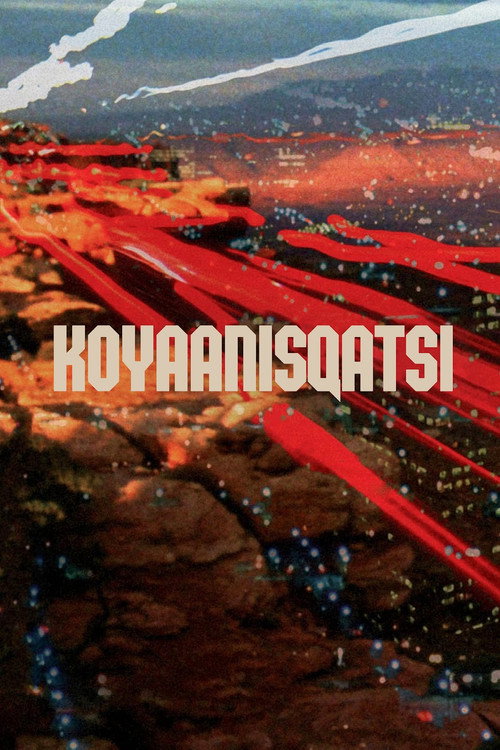
Koyaanisqatsi1983
A landmark work of pure cinema: no narration, just images of nature and civilization set to Philip Glass's hypnotic score. Shares Bodysong's belief that sight and sound alone can move you profoundly.
But Nearly 90 minutes of slow, abstract imagery. If you need a plot or conventional structure, this will feel like punishment rather than meditation.
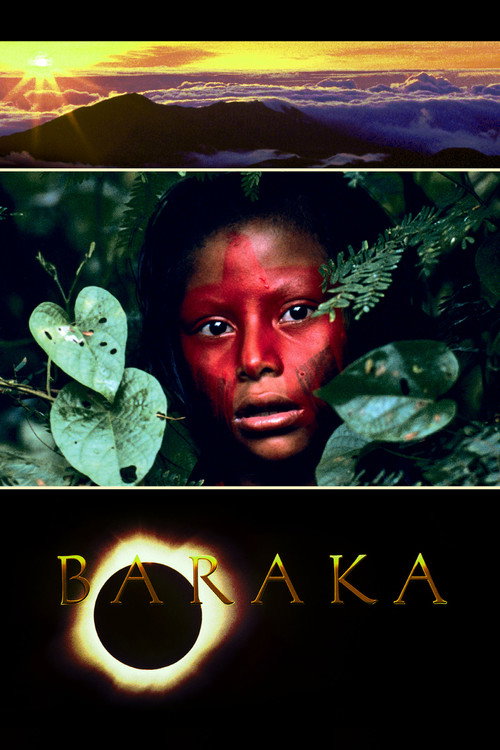
Baraka1992
A globe-spanning visual essay on human culture, spirituality and ritual, shot on VistaVision and set to an enveloping score. The same philosophy as Bodysong—let images speak louder than words.
But Its beauty can feel overwhelming or even manipulative. Some find the score's spiritual grandness more mystical than meaningful.
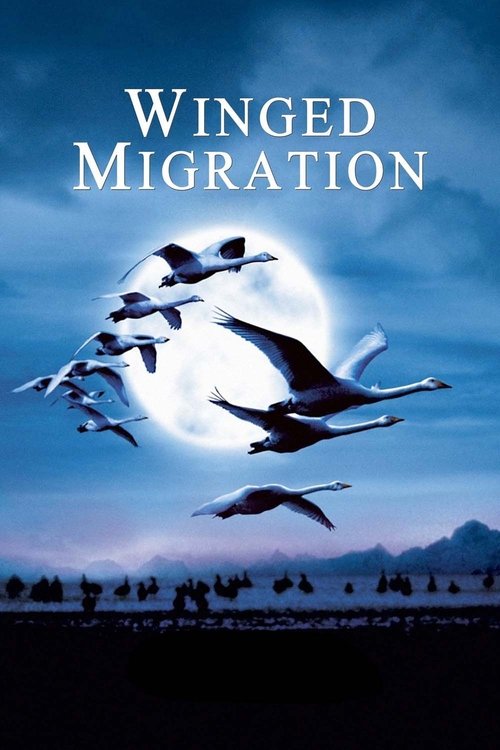
Winged Migration2001
A documentary following bird migrations across continents. It uses minimal narration and lets the visuals and score create the emotional landscape. Hypnotic and profound.
But Very little traditional documentary information. If you want to learn facts, you'll be disappointed. The pacing is glacial.
Not sure tonight? Get a pick in a minute, starting from Bodysong
The wildcard
Something you would not have found on your own.
Sans Soleil1983
Both use montage of disparate found footage as the primary instrument of meaning-making. Both are arguing that cinema can be lyrical and conceptual without narrative or traditional argument.
Chris Marker's essay-film is a philosophical meditation on memory, time and cinema itself, constructed from footage, still images and found material across decades and continents. Like Bodysong, it trusts images to do the thinking.
But Highly abstract and deliberately fragmented. The voice-over is cryptic and poetic rather than explanatory. Many find it inaccessible or pretentious.

More like this (6)
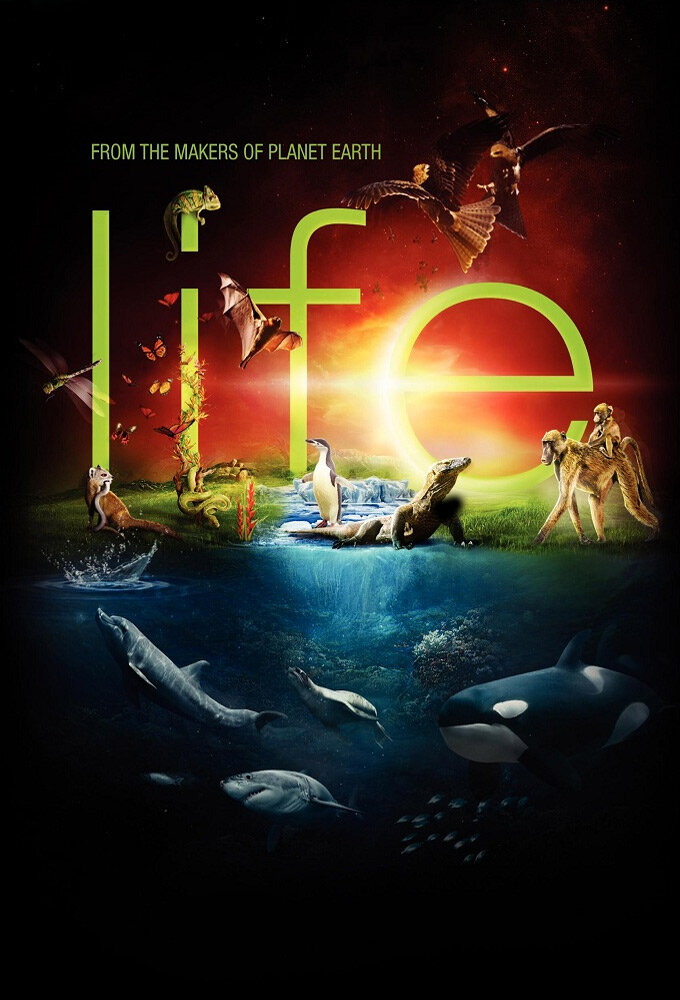
Life2009
David Attenborough narrates epic animal footage set to organic, swelling scores. Each episode is a visual masterpiece showing survival and adaptation. Gorgeous and deeply intelligent.
But Narration can feel heavy-handed compared to pure visual storytelling. It's more conventional nature doc than experimental poetry.
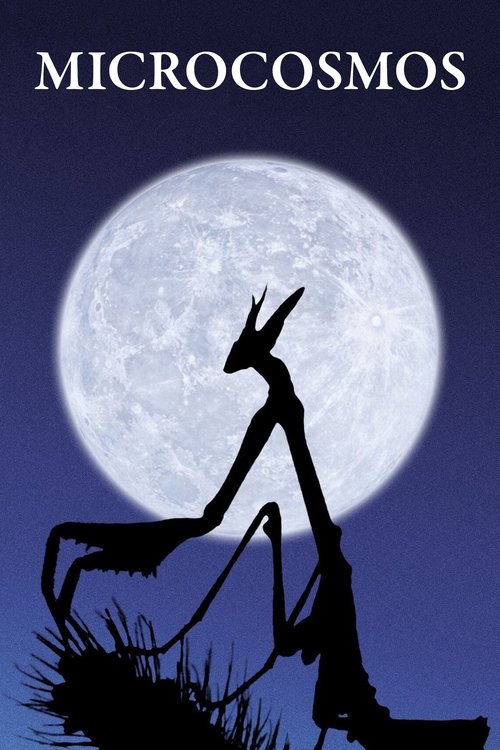
Microcosmos1996
A silent (mostly) journey through the insect world with gorgeous macro-photography and an invented world of sound. Strange, beautiful, utterly unique in how it reframes life at a different scale.
But The perspective is so extreme and unfamiliar that some find it alienating rather than moving. The pacing is very slow.
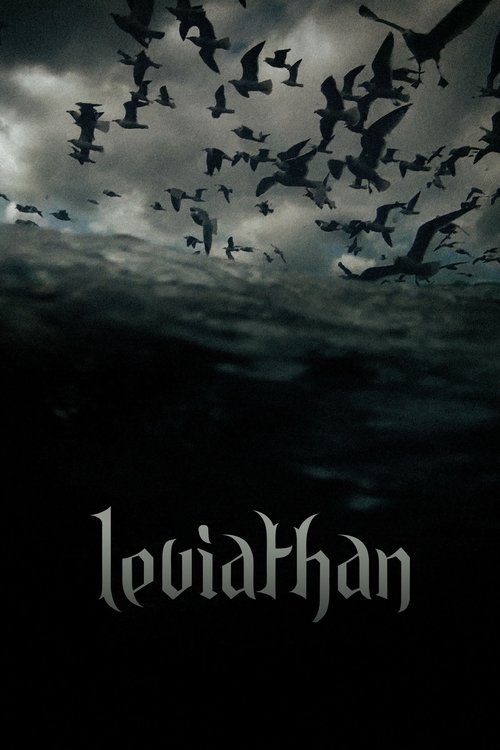
Leviathan2013
Experimental documentary shot with GoPro cameras on fishing boats. Abstract, disorienting, visually stunning—a completely different register but the same commitment to letting images carry meaning.
But Genuinely difficult viewing: chaotic framing, harsh sounds, no narration or context. Can feel like watching something not meant for human consumption.
La Haine1995
While not a documentary, this 24-hour portrait of three young men in the Paris suburbs is visually and rhythmically poetic—finding profound humanity in ordinary moments. Black and white photography as language.
But It's fiction, not visual essay. Darker and more socially engaged than Bodysong's universal approach. Some find the rawness exhausting.

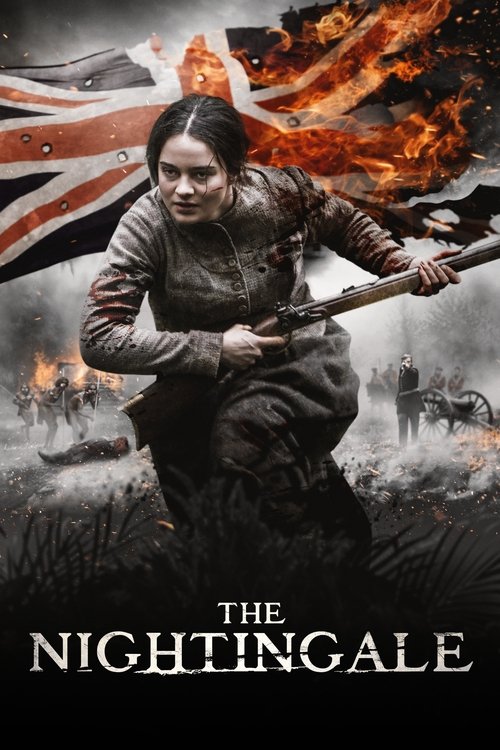
The Nightingale2018
Both present human existence through visceral physical imagery rather than explanation. Both insist you sit with what's uncomfortable. Both prioritise sight over narrative.
A stark, brutal portrait of Aboriginal Australian life and survival under colonialism. Shot in stark black and white with minimal dialogue, it's purely visual storytelling about endurance and resistance.
But Graphically violent and deeply upsetting. It refuses beauty or redemption. Bodysong's universal humanism is replaced with specific historical trauma.
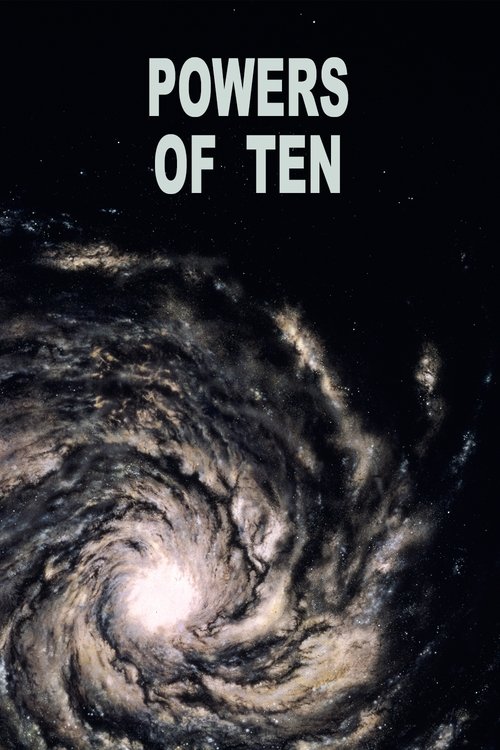
Powers of Ten1977
Both ask you to contemplate human life as one moment in an incomprehensibly vast structure—temporal for Bodysong, spatial for Powers of Ten. Both use the visual medium to make the abstract concrete.
An 8-minute visualization of scale by Ray and Charles Eames: starting from a couple on a beach, it zooms out to the universe and back in to subatomic particles. Philosophical, visually ingenious, endlessly rewatchable.
But Extremely short and conceptual. It's a brief thought experiment, not immersive experience. Some find the narration dated and earnest.
People
Directing
- Simon PummellDirector
Writing
- Simon PummellWriter