
Film
Sardar Udham
Sardar Udham is a sweeping historical drama about a Sikh revolutionary's 21-year journey from witnessing colonial massacre to executing revenge in London. Visually sumptuous and emotionally grounded, it's part political thriller, part character study of a man consumed by trauma and purpose. For anyone moved by stories of resistance, sacrifice, and the price of conviction.
If you liked this
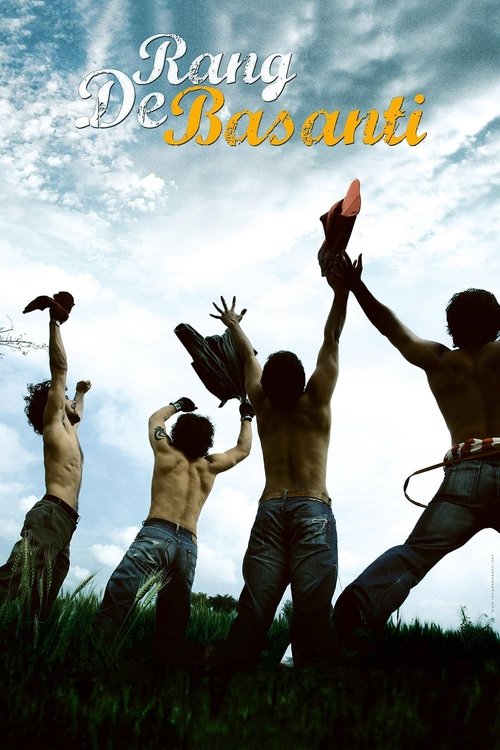
Rang De Basanti2006
A generation-defining film about young Indians drawn into activism and sacrifice. It captures the same blend of idealism, urgency, and moral complexity that drives Udham's story, but with a contemporary lens.
But The tone shifts between romance and heavy drama in ways that can feel tonally uneven. Some find its patriotic messaging overstated.
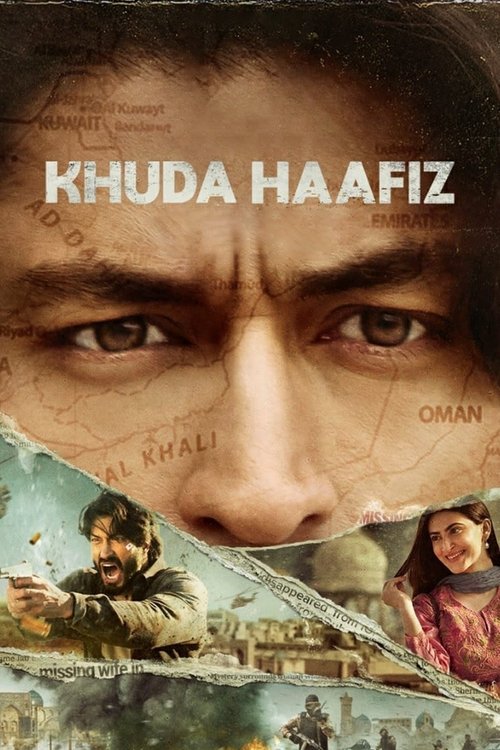
Khuda Haafiz2020
Another Vicky Kaushal lead about a man driven by loss into dangerous territories. It shares Udham's intensity of purpose and the way trauma transforms someone from the inside out.
But The plot mechanics are more conventional thriller than historical meditation. It's grittier and less lyrical than Sardar Udham.
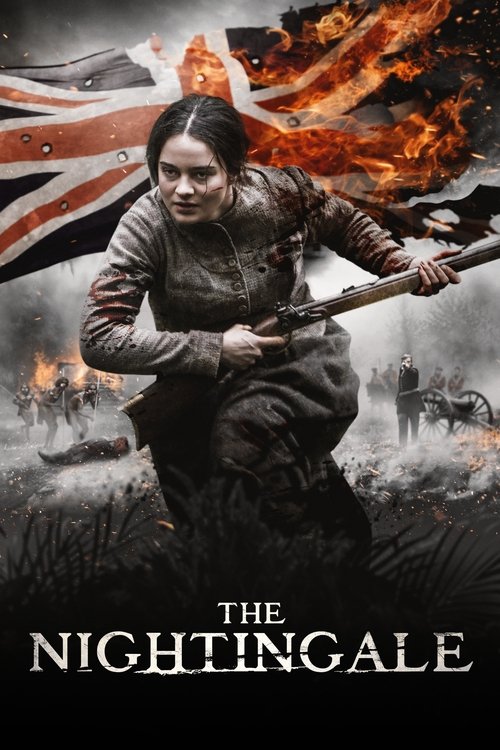
The Nightingale2018
An Australian revenge saga set during WWII, following a woman determined to hunt down the man who destroyed her family. Same architecture—decades of carrying grief, crossing continents, a reckoning that won't wait.
But It's brutal and harrowing in ways designed to be difficult. The violence serves the story, but it never feels easy to watch.
Not sure tonight? Get a pick in a minute, starting from Sardar Udham
The wildcard
Something you would not have found on your own.
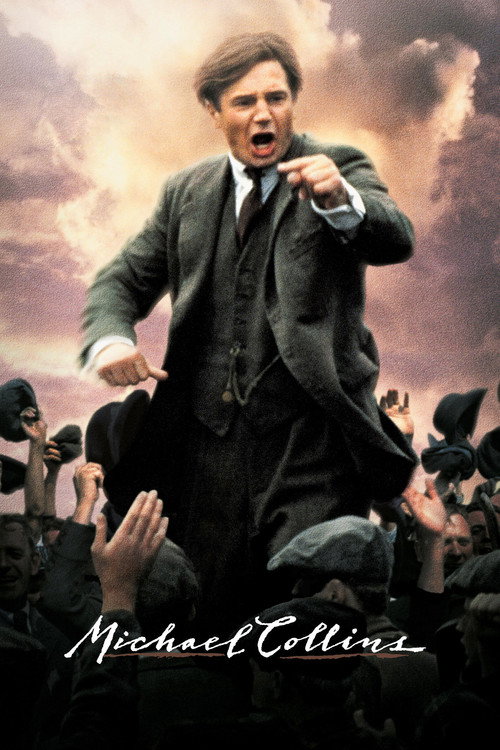
Michael Collins1996
Both are biopics about anti-colonial revolutionaries who commit high-profile assassinations of colonial administrators; both use the act as the climax, then excavate backwards to show how a person becomes capable of it.
Liam Neeson as the Irish revolutionary who bridges the gap between Udham's world and his: fighting the British empire from inside and outside, sacrifice measured in decades, assassination as political inevitability. Neil Jordan's film is formally similar—sweeping, beautifully shot, about men consuming themselves for freedom.
But It's very much a 1990s prestige film; the visual language feels dated now. Some find the romantic subplot distracting from the political core.
More like this (7)
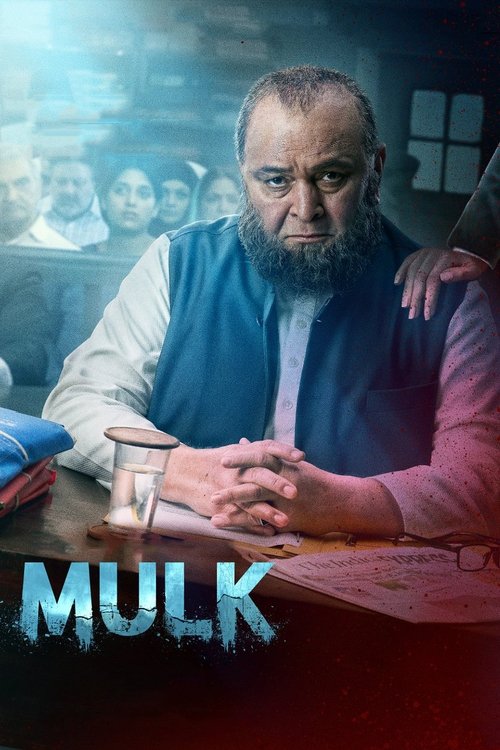
Mulk2018
Rishi Kapoor in a courtroom drama about a Muslim family facing suspicion and judgment. It wrestles with justice systems, belonging, and what it means to fight for your rights within a state that questions your loyalty.
But The messaging can be direct to the point of preaching. Subtlety isn't its priority, and that matters if you prefer stories to unfold quietly.
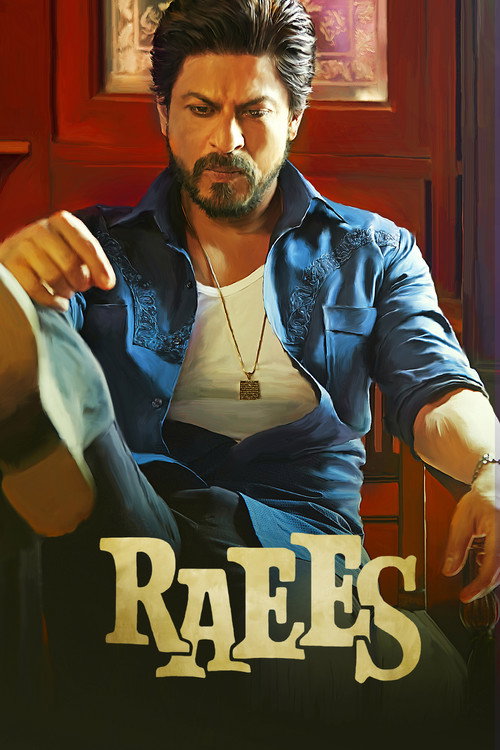
Raees2017
Shah Rukh Khan as a man operating outside the law, driven by codes and conviction. It explores the moral murkiness of someone fighting systems with their own rules.
But It's a Bollywood action film first and foremost. If you're looking for Sardar Udham's deliberate pacing and historical weight, this prioritizes momentum and spectacle.
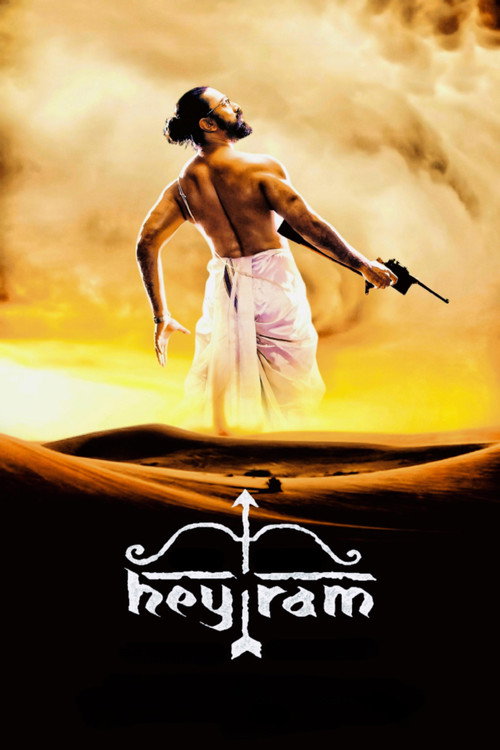
Hey Ram2000
Kamal Haasan in Shankar's ambitious exploration of communal violence, regret, and the impossibility of revenge truly healing anything. It's ambitious and formally daring about its central obsession.
But It's deliberately fractured and strange. Some find its narrative structure frustrating rather than illuminating. It demands patience and multiple viewings to land.
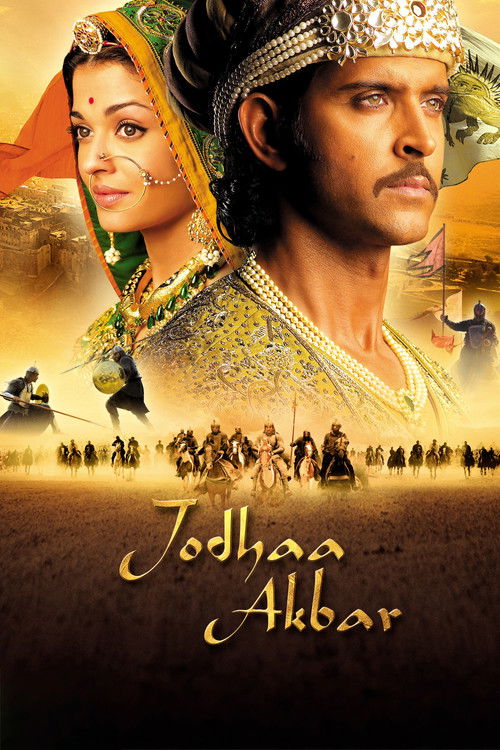
Jodhaa Akbar2008
A historical epic about duty, sacrifice, and the collision between personal desire and historical responsibility. Ashutosh Gowariker's big-canvas approach to Indian history and love within conflict.
But It can feel like a Bollywood spectacle first—the romance sometimes overwhelms the historical stakes. The three-hour runtime includes sequences that prioritize grandeur over narrative momentum.
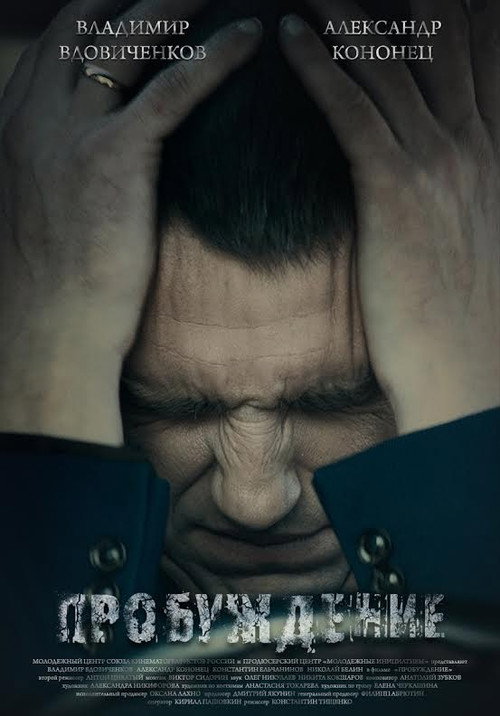
The Awakening2014
A quieter Indian historical drama about a man's political awakening and the cost of conviction. It privileges character and moral weight over action.
But It's genuinely slow, even by art-house standards. If you want Sardar Udham's epic scope and technical ambition, this won't deliver either.
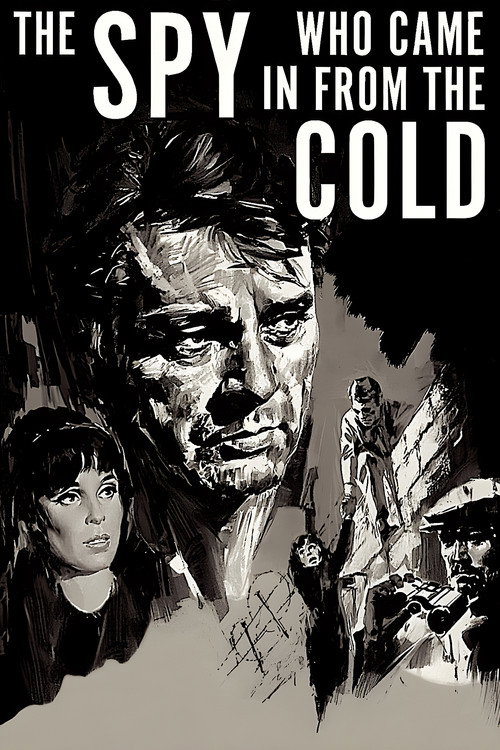
The Spy Who Came In from the Cold1965
Both films are about men whose commitment to a cause has hollowed them out. Both spend their runtime showing you how idealism curdles into something harder, lonelier. Both end at an assassination that feels inevitable because the character has been walking toward it the entire story.
Le Carré adapted into a grey, unglamorous look at espionage during the Cold War. Richard Burton in a role about a man used up by ideology and systems. It's the anti-Bond: moral ambiguity, exhaustion, the cost of conviction measured in lost humanity.
But It moves at a deliberate, almost austere pace. There's no action sequence, no set piece—just men in rooms making brutal choices. That minimalism is its strength and its barrier to entry.
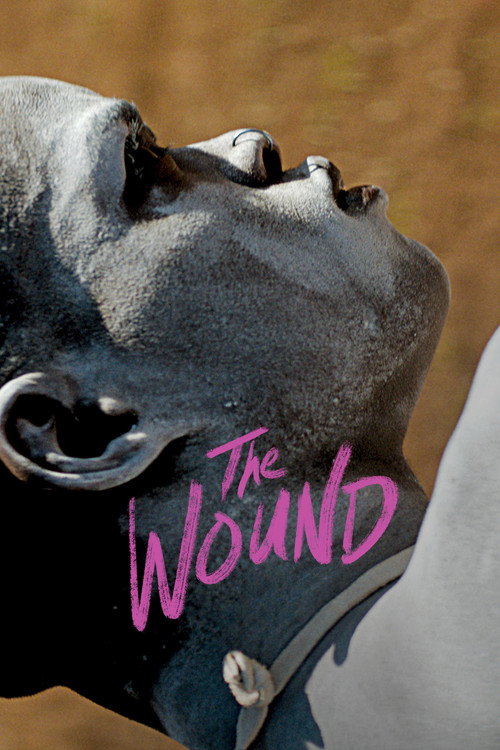
The Wound2017
Like Sardar Udham, it's about a man shaped by a traumatic historical moment (his own and his culture's), carrying that wound through decades, unable to set it down. Both films understand that trauma is not something you overcome—it's something you learn to carry, and that carrying changes who you become.
A South African film in Xhosa about a man carrying trauma from initiation rituals, confronting cycles of violence and silence. Formally striking, emotionally devastating. It's about how wounds get passed down and what it costs to break that cycle.
But It's deliberately provocative about masculinity and trauma in ways that won't sit easily. The pace is slow and the imagery sometimes shocking. It's not interested in being comfortable.
People
Cast
 Vicky KaushalUdham Singh
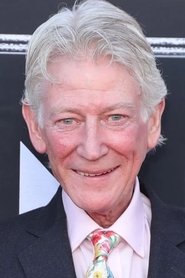 Shaun ScottMichael O'Dwyer
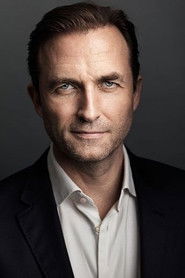 Stephen HoganDetective Inspector John Swain
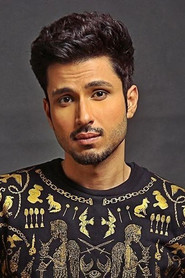 Amol ParasharShaheed Bhagat Singh
 Kirsty AvertonEileen Palmer
 Banita SandhuReshma
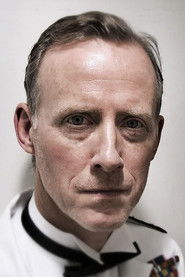 Andrew HavillGeneral Reginald Dyer
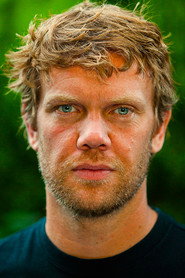 Sam RedfordDetective Deighton
- Albrekht TsanderJunior Detective
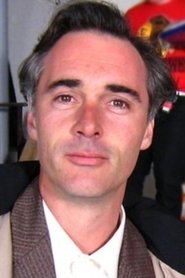 Tim BerringtonJohn Hutchison
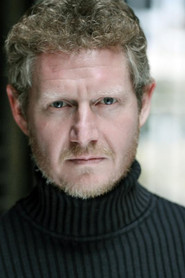 Mark LingwoodSuperintendent Sands
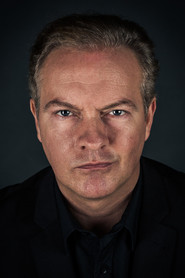 Simon WeirKing George VI
Directing
- Aleksandr BaranovAction Director
- Manohar VermaAction Director
- Bhargav OzaAssistant Director
- Tushar Sheetal SinghalAssistant Director
- Shoojit SircarDirector
Writing
- Ritesh ShahDialogue
- Ritesh ShahScreenplay
- Shubendu BhattacharyaScreenplay
- Shubendu BhattacharyaStory
Production
- Jogi MalangCasting Director
- Shakyra DowlingCasting Director
- Elena BelkovaExecutive Producer
- Kumar ThakurExecutive Producer
- Valeriia ZingarevichExecutive Producer
- Alpesh ZaveriLine Producer
- Dimitry NedasekinLine Producer
- Maria AvdonkinaLine Producer
- Jitu GuptaPost Production Coordinator
- Ronnie LahiriProducer
- Sheel KumarProducer
- Soumita SenguptaProduction Coordinator
- Soubhik PayraPublicist
- Souvik MisraPublicist
- Bhargav OzaResearcher
- Oshun BanerjiResearcher
- Tushar Sheetal SinghalResearcher