
Film
The Look of Silence
A quiet, devastating companion to The Act of Killing, this follows Adi, an optometrist whose brother was murdered in Indonesia's 1965 anti-communist purge, as he sits across from the men who did it and, gently, asks them to remember. There's no reenactment here, no theatre — just faces, testimony, and the terrible calm of people who were never made to answer for what they did.
If you liked this
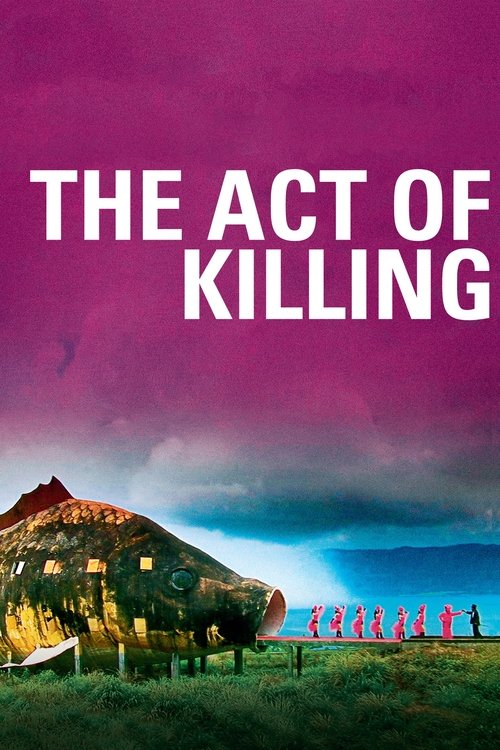
The Act of Killing2012
Oppenheimer's first film sent the same perpetrators to restage their killings as movie genres they love, exposing an even more grotesque form of impunity — watch it before or after, either order deepens the other.
But The garish restagings can feel like spectacle, and some found the perpetrators' showmanship harder to sit with than plain testimony.
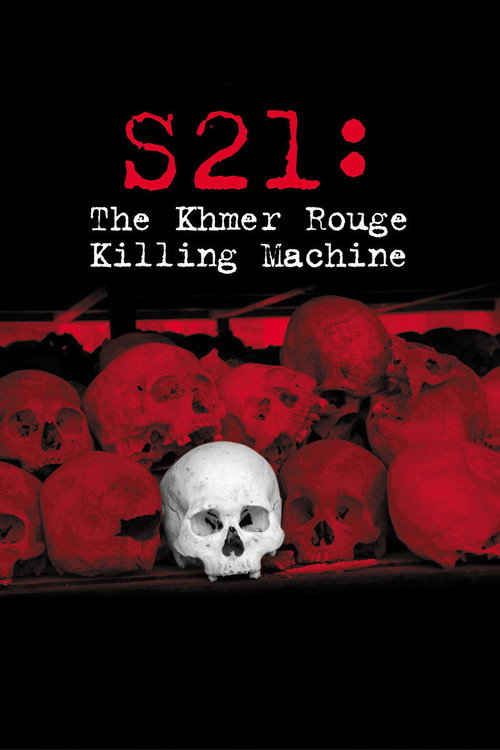
S21: The Khmer Rouge Killing Machine2003
Rithy Panh brings survivors face-to-face with the young guards who ran a Cambodian death camp, and the confrontations carry the same unbearable, unresolved tension as watching Adi question his brother's killers.
But Subtitled, slow-paced, and unsparing about the mechanics of mass murder — not an easy watch on any night.
Shoah1985
Claude Lanzmann's nine-hour epic of testimony from survivors, bystanders, and perpetrators of the Holocaust is the foundational text for this entire mode of filmmaking — patient, exhaustive, and unforgettable.
But Nine hours is a real commitment, and it demands to be watched in a way few things do.
The wildcard
Something you would not have found on your own.
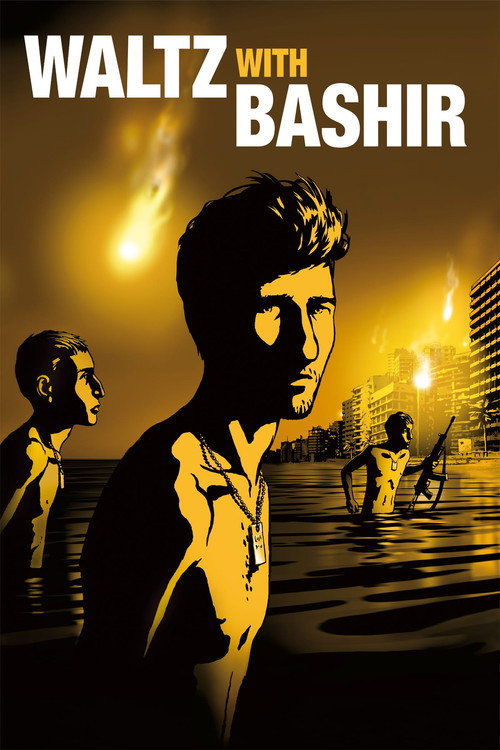
Waltz with Bashir2008
Same engine as Adi's questioning — a witness forcing himself to face a massacre he'd rather forget — but told through animation instead of a fixed, unblinking camera.
An Israeli soldier's animated search through his own blacked-out memories of the Sabra and Shatila massacre turns the same act of digging into suppressed guilt into something hallucinatory and strange.
But The rotoscoped animation is beautiful but distancing, and its dreamlike structure resists the plainness of documentary.
More like this (7)
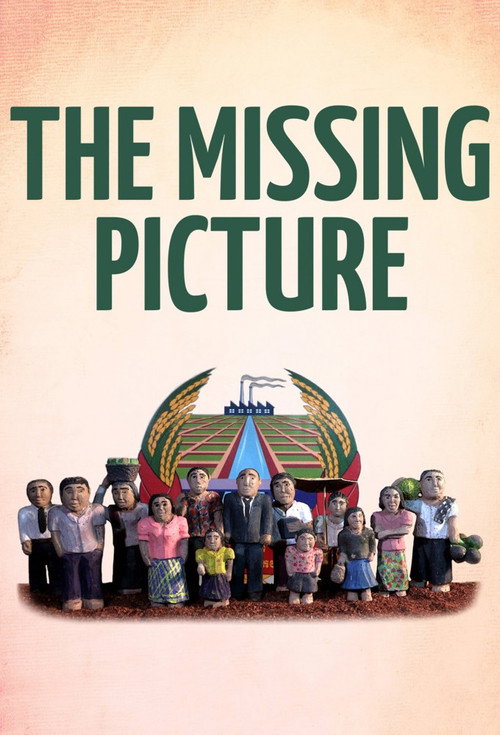
The Missing Picture2013
Rithy Panh reconstructs his childhood under the Khmer Rouge using hand-carved clay figures, since no footage of his own suffering exists — a strange, beautiful answer to the problem of memory.
But The clay-figure device is an unusual choice and some viewers find it distancing rather than moving.
Night and Fog1956
Alain Resnais's 32-minute confrontation with the concentration camps a decade after liberation set the template for using plain, unflinching images to force an audience to look.
But Its archival horror is direct and graphic, with none of the interview structure that softens the blow elsewhere.
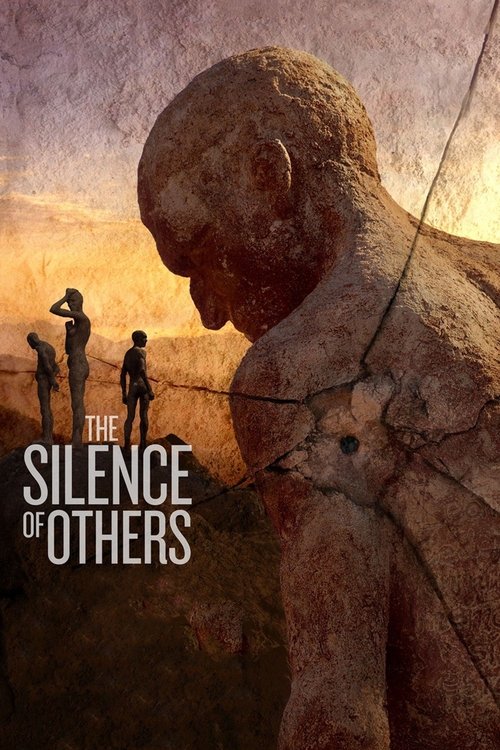
The Silence of Others2019
Victims of Franco's Spain fight decades later for the right to even name what happened to them, echoing the same question this film asks: what does justice look like after silence?
But The legal detail can feel dry compared to the rawer, more personal encounters in other films on this list.
Nostalgia for the Light2010no page yet
Patricio Guzmán links Chile's desert astronomers searching the sky to mothers still searching the same desert for the bones of the disappeared — a gentler, more lyrical grief than this film's.
But Its poetic, meditative pace is a world away from the direct confrontations you might be craving after this.
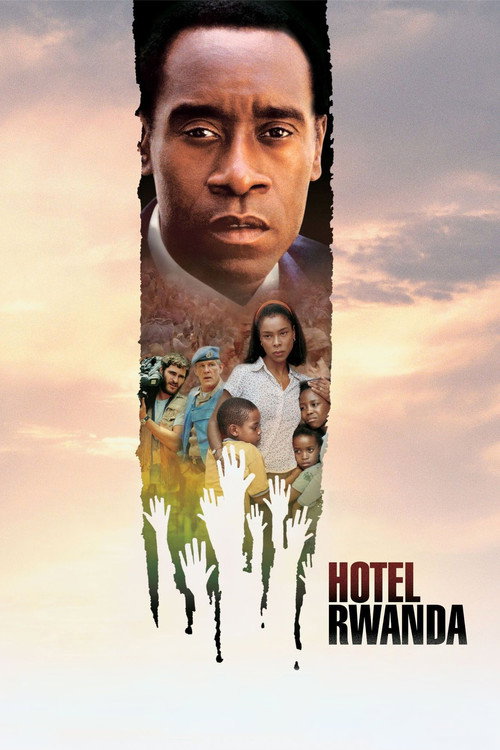
Hotel Rwanda2004
A mainstream dramatisation of the Rwandan genocide, with Don Cheadle as a hotel manager sheltering refugees — a more conventional, star-driven way into the same territory of complicity and survival.
But It's a Hollywood-shaped true story, tidier and more hopeful than the documentary you've just watched.
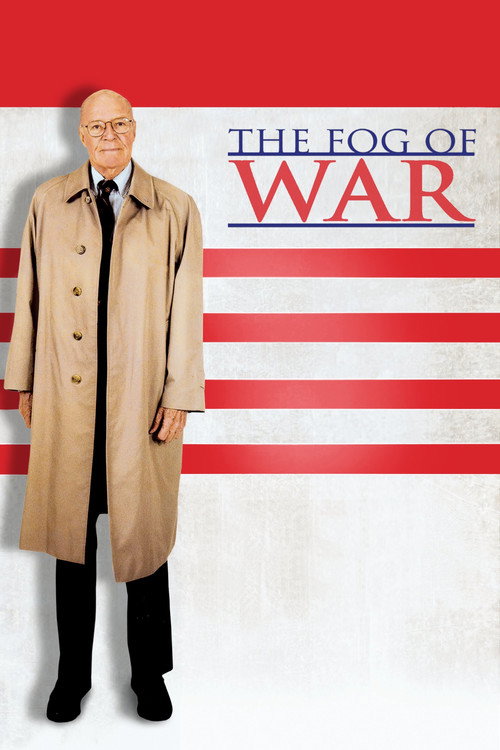
The Fog of War2003
Errol Morris interviews Robert McNamara, architect of the Vietnam War, and gets startlingly close to genuine self-examination from a man who helped orchestrate mass death — from the other side of power.
But McNamara is a far more comfortable, articulate subject than the villagers here, which can feel oddly less honest.
The Nightingale2018no page yet
Same moral core as Adi's confrontations — a person forcing perpetrators of historical atrocity to answer for what they did — but staged as fiction, with all the genre's licence for rage and blood.
Jennifer Kent's brutal revenge western follows a convict woman hunting the British soldiers who destroyed her family through colonial Tasmania, turning the same reckoning with historical violence into visceral genre cinema.
But It is a fictional thriller, not testimony, and its violence is far more graphic and immediate than anything shown here.
People
Cast
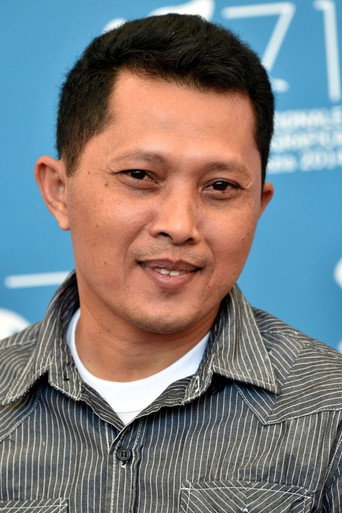 Adi RukunSelf
- M.Y. BasrunSelf
- Amir HasanSelf (archive footage)
- InongSelf
- KematSelf
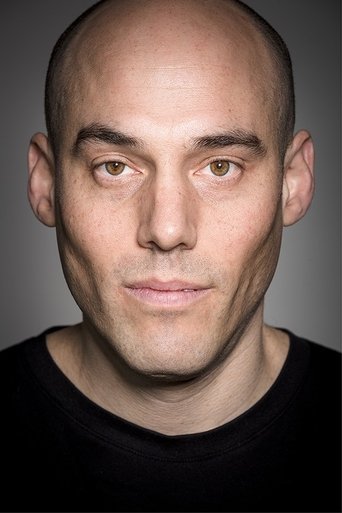 Joshua OppenheimerSelf (voice)
- Amir SiahaanSelf
 Ted YatesSelf (archive footage)
Directing
- Joshua OppenheimerDirector
Production
- Anne KöhnckeAssociate Producer
- Heidi Elise ChristensenAssociate Producer
- Joram ten BrinkAssociate Producer
- Maria KristensenAssociate Producer
- Bjarte Mørner TveitCo-Producer
- Flemming Hedegaard LarsenCo-Producer
- Iikka VehkalahtiCo-Producer
- Kaarle AhoCo-Producer
- Nathalie WindhorstCo-Producer
- Sabine Bubeck-PaazCo-Producer
- Tore TomterCo-Producer
- Torstein GrudeCo-Producer
- André SingerExecutive Producer
- Errol MorrisExecutive Producer
- Werner HerzogExecutive Producer
- Signe Byrge SørensenProducer
- Heidi Elise ChristensenProduction Manager
- Maria KristensenProduction Manager
Recommended by
The Act of Killing, The Missing Picture, The Devil Next Door, S21: The Khmer Rouge Killing Machine, Long Night's Journey into Day, The Silence of Others